




Menu

Drain Cleaning & Rooter Service in St. Louis – Fast Blockage Removal for Homes and Businesses

Professional drain cleaning and sewer rooter service throughout the greater St. Louis metro, engineered to handle everything from stubborn kitchen clogs to commercial sewer line blockages with minimal disruption.

Slider Image 1
Slider Image 2
Slider Image 3
Slider Image 4
Slider Image 5
Slider Image 7
Slider Image 8
Slider Image 9
Slider Image 10
Slider Image 11

Why St. Louis Drains Clog Faster Than You Think

St. Louis sits on clay-heavy soil that shifts constantly with freeze-thaw cycles, putting pressure on aging sewer laterals and creating pipe misalignments that trap debris. Add in the region's mature tree canopy, where roots from oaks and maples aggressively seek moisture, and you have a drainage infrastructure under constant assault.

The Mississippi River floodplain compounds the problem. Homes near Soulard, Tower Grove, and South City often deal with clay intrusion and root infiltration in cast iron lines installed decades before modern PVC became standard. When these lines clog, it is rarely just grease or hair. It is a combination of sediment buildup, root penetration, and structural degradation.

You notice the warning signs first. Water backs up in your basement floor drain after a heavy rain. Your kitchen sink drains slower each week. You smell sewer gas near the laundry room. These are not minor inconveniences. They are symptoms of blockages forming deep in your system, where a plumbing snake service or sewer line cleaning becomes necessary to restore flow.

Professional drain cleaning addresses the root cause, not just the surface symptom. Clogged drain clearing in St. Louis requires understanding local soil conditions, knowing which pipe materials are common in which neighborhoods, and having the equipment to handle both residential backups and commercial main line stoppages. A sewer rooter service cuts through years of buildup and removes obstructions that store-bought chemicals cannot touch.

Why St. Louis Drains Clog Faster Than You Think
How We Clear Blockages the Right Way

How We Clear Blockages the Right Way

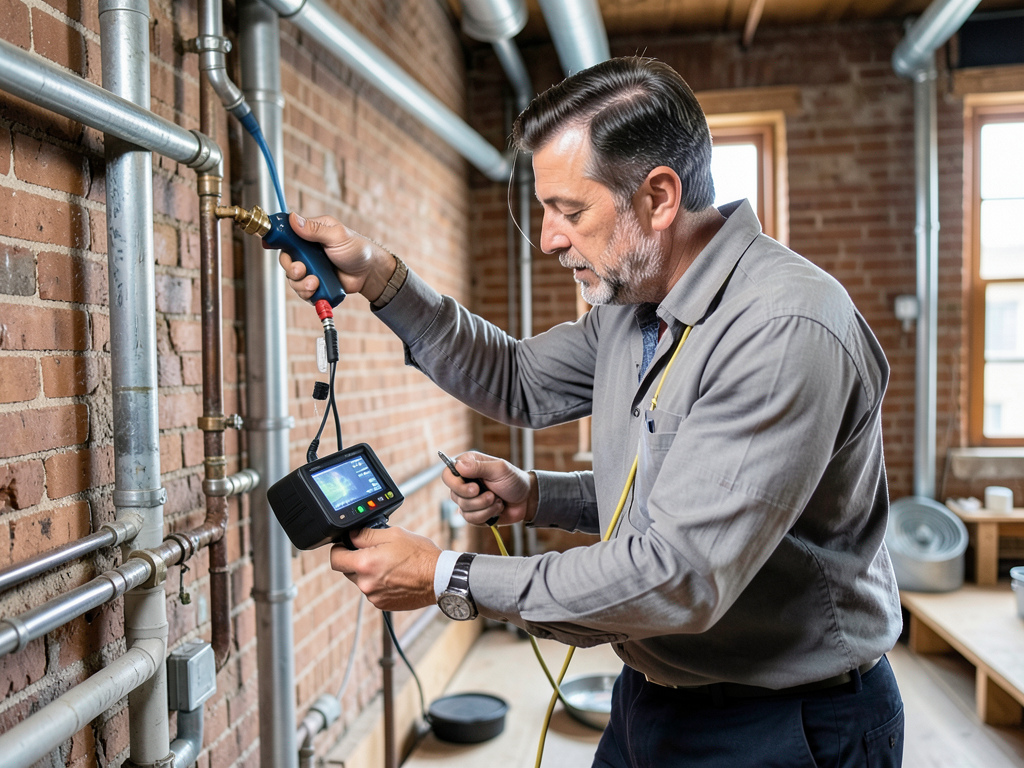
We start with diagnosis, not assumption. A video camera inspection identifies the exact location and nature of the blockage. You see what we see on the monitor. If roots have infiltrated a cracked joint 40 feet from your house, we show you. If grease has hardened around a belly in the line, you see the buildup in real time.

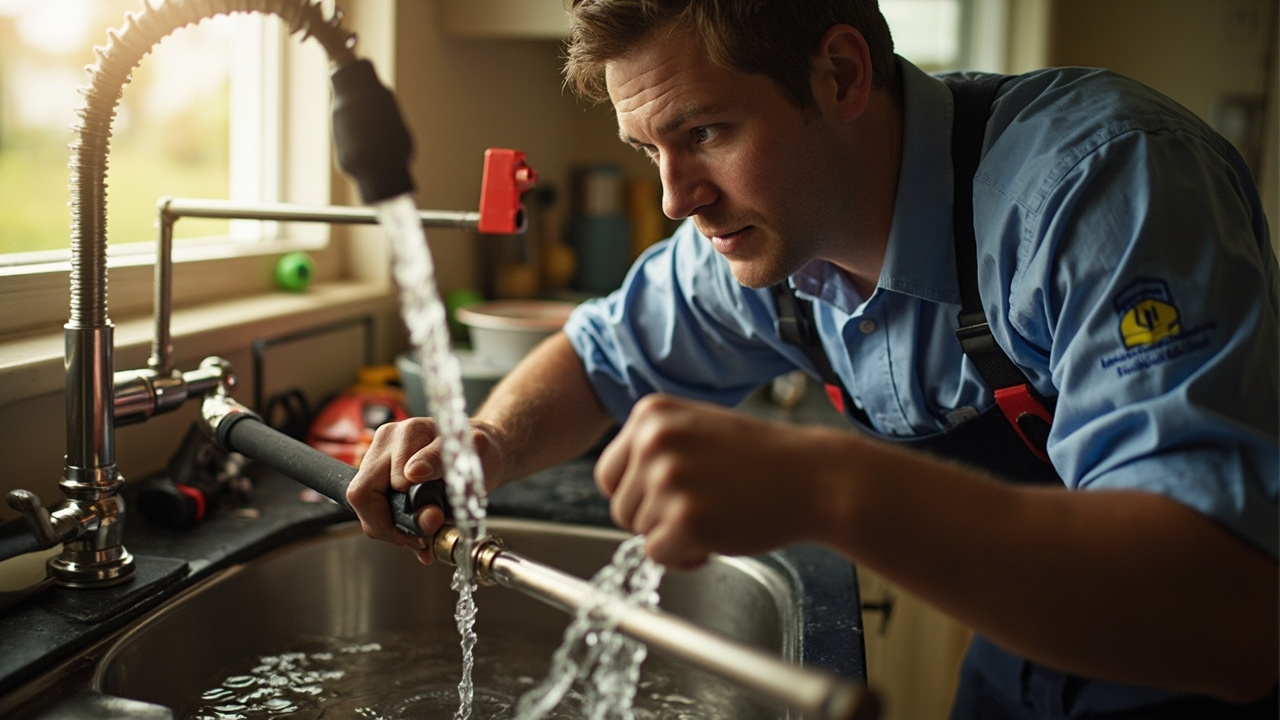
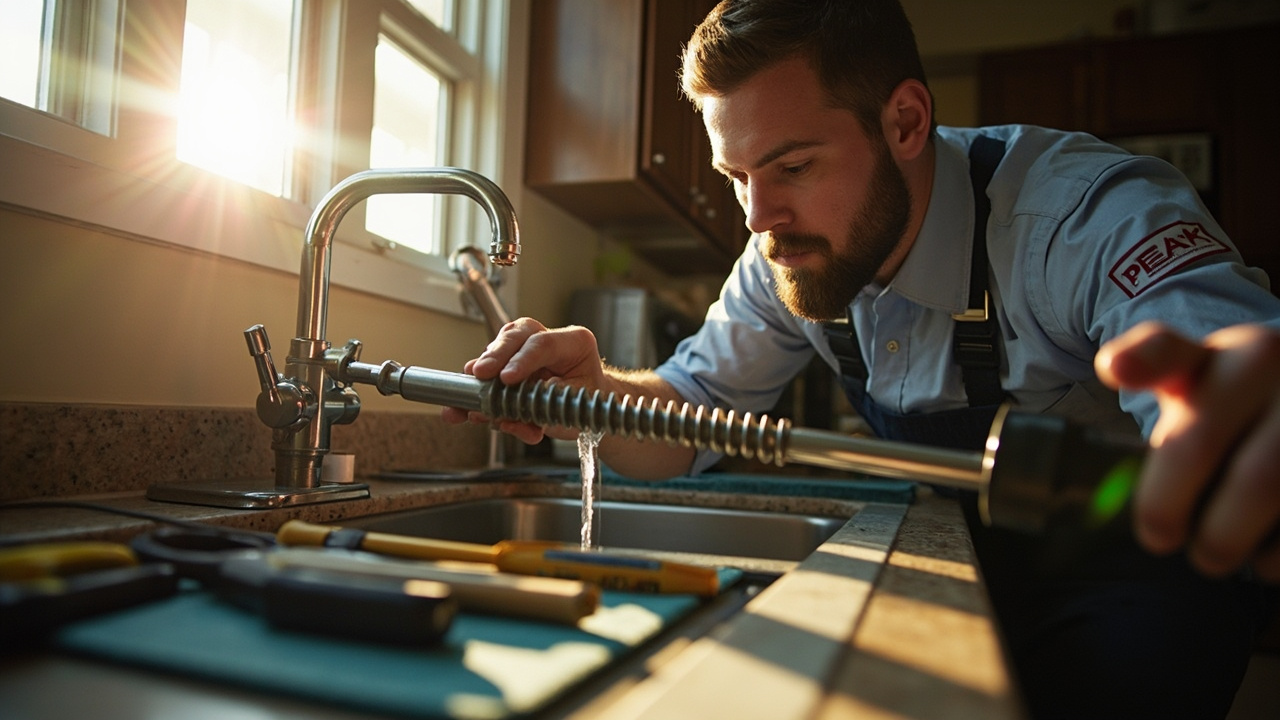
Once we map the problem, we match the tool to the blockage. For soft stoppages like grease, soap scum, or organic matter, a cable auger with the correct cutting head breaks through and restores flow. For dense root masses, we use a sewer rooter service equipped with root-cutting blades that shear through intrusions without damaging the pipe wall. For commercial properties with larger diameter lines, we deploy high-pressure water jetting that scours the pipe interior and flushes debris completely.

The difference is in the thoroughness. We do not just poke a hole through the clog and call it finished. We clear the entire diameter of the pipe, remove the material causing the backup, and flush the line to confirm full flow restoration. If the camera reveals structural damage, cracked clay tile, or offset joints, we document it and explain your options before the next failure happens.

Peak Plumbing St. Louis uses variable-speed equipment that allows us to adjust torque and feed rate based on pipe material and blockage density. This precision prevents pipe damage that can occur when inexperienced operators force cables through delicate cast iron or brittle clay tile. Our sewer line cleaning process removes the blockage and preserves your infrastructure.

What Happens When You Call for Drain Cleaning

Drain Cleaning & Rooter Service in St. Louis – Fast Blockage Removal for Homes and Businesses
01

Initial Assessment and Access

We locate the cleanout closest to the blockage and determine the best access point for the rooter or camera. If no cleanout exists, we identify the optimal entry point to minimize disruption. You get a clear explanation of what we found, where the blockage is located, and which equipment we will use before we start the clearing process.
02

Mechanical Clearing and Extraction

We feed the cable or jetter through the line, cutting through or flushing out the obstruction. For root-choked lines, the rooter blade severs the intrusion and pulls debris back through the access point. For grease clogs, the cutting head breaks up the mass and restores flow. We monitor resistance and adjust speed to prevent pipe damage while ensuring complete blockage removal.
03

Verification and Cleanup

After clearing, we run water through the system to confirm full flow and verify no secondary blockages downstream. If structural issues were identified during the camera inspection, we provide documentation and discuss whether preventive maintenance or repair is needed. We clean the work area, secure all access points, and explain what caused the backup so you can prevent future issues.

Why St. Louis Property Owners Trust Peak Plumbing for Drain Issues

St. Louis has a mix of housing stock that ranges from pre-World War I brick buildings in Lafayette Square to mid-century ranch homes in Webster Groves and new construction in Cottleville. Each era brought different plumbing materials and installation methods. Peak Plumbing St. Louis knows which neighborhoods have cast iron stacks prone to rust buildup, which subdivisions installed Orangeburg fiber pipe that collapses over time, and where clay tile laterals are common.

This local knowledge matters when you need clogged drain clearing that does not create more problems than it solves. We adjust our approach based on pipe material, age, and condition. We know that forcing a rooter through a deteriorated clay line can crack the pipe, turning a simple blockage into an expensive excavation. We know that certain chemical cleaners eat through old cast iron. We know which tree species in St. Louis have the most aggressive root systems and where those roots typically enter sewer laterals.

Our service vehicles carry multiple cable sizes, cutting heads, and jetting nozzles because St. Louis drainage systems are not one-size-fits-all. A two-inch kitchen drain requires different equipment than a six-inch main line. A residential grease clog needs a different approach than a commercial facility dealing with solid waste buildup. We match the tool to the job, not the job to the tool.

We also understand the urgency. A backed-up floor drain in your Dogtown bungalow basement is not just an inconvenience. It is a health hazard and potential property damage event. We respond quickly, communicate clearly, and fix the problem correctly the first time so you are not calling us back next month for the same issue.

What You Can Expect From Our Drain Cleaning Service

Response Time and Availability

We keep trucks stocked and ready throughout the St. Louis metro, from the riverfront to St. Charles County. When you call with a drain backup, we dispatch quickly and arrive with the equipment needed to handle most blockages on the first trip. Emergency calls get priority routing. You are not waiting days for an appointment while sewage backs up into your home or business. We understand that clogged drains do not wait for convenient business hours, so neither do we.

Diagnosis Before Action

We do not guess at what is causing your backup. Camera inspection shows us exactly where the blockage is located, what type of obstruction we are dealing with, and whether underlying structural issues exist. You see the same footage we see. This transparency eliminates surprises and allows you to make informed decisions about whether you need a simple clearing, ongoing maintenance, or more extensive repair. The diagnostic process takes minutes and saves you from unnecessary work or repeat service calls.

Complete Blockage Removal

Our goal is full pipe diameter clearing, not just punching a temporary hole through the clog. We remove root masses completely, flush out grease buildup, and extract solid obstructions so your drains flow at full capacity. After clearing, we verify restoration with water flow testing. If the camera revealed damage or deterioration, we document it and explain what it means for long-term system reliability. You get a complete picture of your drainage health, not just a quick fix that fails again next month.

Preventive Maintenance Options

For properties with recurring blockages or aging infrastructure, we offer scheduled maintenance programs that keep drains flowing before problems develop. Regular sewer line cleaning prevents emergency backups and extends the life of your plumbing system. Commercial properties benefit from planned service during off-hours to avoid disrupting operations. Residential customers in areas with known root intrusion problems can schedule annual or semi-annual rooter service to stay ahead of seasonal growth cycles. Preventive service costs less than emergency repairs and eliminates the stress of unexpected failures.

Frequently Asked Questions

You Have Questions,
We Have Answers

What is the average cost of drain cleaning? +

Drain cleaning costs in St. Louis typically range based on the severity and location of the clog. Basic clogs in accessible fixtures cost less, while deep sewer line blockages or tree root intrusion require specialized equipment and cost more. Factors include the depth of the blockage, whether video inspection is needed, and if the main line or branch line is affected. Clay soil common in St. Louis can shift and crack older pipes, creating recurring issues that affect pricing. Most plumbers charge for the service call plus labor and equipment. Emergency after-hours service costs more than scheduled appointments during regular business hours.

How much does it cost to clean your drain? +

Drain cleaning costs depend on clog location and complexity. A simple sink or tub drain blockage costs less than main sewer line work. If the clog is near the fixture, cable snaking is quick and affordable. Deep clogs in your main line, especially those caused by tree roots infiltrating aging cast iron or clay pipes common in St. Louis homes, require hydro jetting or rooter service. Video camera inspection adds to the cost but identifies the exact problem. Accessibility matters too. Cleanouts in basements are easier to access than those buried in yards, affecting labor time and final pricing.

Why do plumbers say not to use drain cleaner? +

Plumbers avoid chemical drain cleaners because they damage pipes and rarely solve the root problem. The chemicals create heat that can warp PVC and corrode older cast iron or galvanized pipes found in many St. Louis homes. They also harden grease clogs instead of removing them, making professional clearing harder. Chemical cleaners pose safety risks, especially if they splash or mix with other substances. They harm septic systems and contaminate groundwater. Most importantly, they mask the symptom without addressing the cause, whether tree roots, collapsed pipe sections, or improper venting. Professional mechanical clearing removes blockages completely without pipe damage.

How much should it cost to clear a clogged drain? +

Clearing a clogged drain varies by location and severity. Kitchen sink clogs caused by grease buildup cost less than main sewer line blockages. Simple cable snaking for accessible drains is the most affordable option. Deeper clogs in your main line, especially those involving tree roots common in older St. Louis neighborhoods with mature landscaping, require rooter equipment or hydro jetting. The plumber's diagnostic time, equipment used, and whether they need to access buried cleanouts all factor in. Emergency calls cost more than scheduled service. Get an upfront estimate after the plumber diagnoses the issue and identifies the clog location.

Is professional drain cleaning worth it? +

Professional drain cleaning is worth it because it completely removes blockages and identifies underlying problems. Chemical cleaners only mask symptoms temporarily. A plumber uses cameras to inspect your line, locating cracks, bellied sections, or root intrusion common in St. Louis homes with clay soil and mature trees. Hydro jetting scours pipe walls clean, removing years of grease and mineral buildup. This prevents recurring clogs and extends pipe life. You also get an accurate diagnosis. If your sewer line is collapsing or offset due to ground shifting, you need to know before raw sewage backs up into your basement. Professional service protects your home and health.

Does homeowners insurance cover sewer line repair? +

Homeowners insurance rarely covers sewer line repair because insurers classify it as maintenance, not sudden damage. Standard policies exclude wear and tear, deterioration, or tree root infiltration. However, if a covered peril like a lightning strike or vehicle collision damages your line, you may have coverage. Some insurers offer optional sewer backup endorsements that cover cleanup and damage from backups, but not the pipe repair itself. In St. Louis, where clay soil movement and aging infrastructure cause frequent line failures, consider a separate water and sewer line protection plan. Always review your policy specifics and ask your agent about available riders.

What does Roto Rooter charge for drain cleaning? +

Pricing for any drain cleaning service varies based on clog severity, location, and time of service. Different companies structure their fees differently. Some charge flat rates for standard drain clearing, while others price by the hour plus equipment fees. Main sewer line work with specialized rooter equipment or hydro jetting costs more than simple fixture clogs. Emergency calls, especially evenings or weekends, carry premium pricing. In St. Louis, factors like accessibility to your cleanout, whether your home has a basement or crawl space, and the age of your plumbing system all affect final costs. Request detailed estimates from multiple licensed plumbers before committing.

Why is drain cleaning so expensive? +

Drain cleaning costs reflect specialized equipment, expertise, and liability. Professional plumbers invest in cable machines, hydro jetters, and video inspection cameras. They carry licensing, insurance, and workers compensation. When a plumber enters your sewer line, they assume risk for existing damage and potential exposure to raw sewage and pathogens. In St. Louis, older homes with cast iron, clay tile, or Orangeburg pipe require careful handling to avoid causing more damage. Diagnosing the problem correctly prevents repeat visits. You pay for the plumber's training to distinguish between simple clogs and serious line failures requiring excavation. Quality service prevents basement backups and costly water damage.

What are the signs of a blocked drain? +

Blocked drains show several warning signs. Water drains slowly from sinks, tubs, or showers. You hear gurgling sounds when water drains or toilets flush, indicating trapped air in the line. Multiple fixtures back up simultaneously, suggesting a main line clog rather than an isolated blockage. Foul sewage odors come from drains, especially floor drains in basements common in St. Louis homes. Water pools around floor drains or backs up into lower fixtures when you run water upstairs. Toilets bubble when you use other fixtures. In severe cases, sewage backs up into bathtubs or showers. Act quickly when you notice these signs to prevent extensive water damage.

How can I tell if the clog is deep? +

Deep clogs show distinct symptoms. Multiple fixtures drain slowly or back up at once, indicating the blockage sits in your main sewer line rather than a single branch line. Water backs up into lower-level fixtures when you use upstairs drains, following gravity to the lowest point. Floor drains in your basement overflow with sewage. Plunging or snaking an individual fixture provides no relief. You notice sewage pooling in your yard near the sewer line path. In St. Louis homes with basements, watch for backup at the basement floor drain first. A camera inspection pinpoints the exact clog location and cause, whether tree roots, collapsed pipe sections, or severe buildup.

How St. Louis Clay Soil and Root Systems Accelerate Drain Failures

The clay-heavy soil throughout the St. Louis region creates two simultaneous problems for underground drainage systems. Clay expands when wet and contracts during dry periods, creating constant movement that stresses rigid pipe joints and creates separation points where roots can enter. The mature urban forest canopy, particularly in established neighborhoods like Clayton, University City, and Kirkwood, means aggressive root systems are always seeking moisture. Sewer lines provide both water and nutrients, making them prime targets for root infiltration. Once roots enter through a cracked joint or deteriorated gasket, they multiply rapidly inside the pipe and trap debris that builds into complete blockages.

Peak Plumbing St. Louis has been clearing drains in this region long enough to know which streets have the worst root problems, which subdivisions installed substandard materials in the 1960s, and where clay soil movement causes the most frequent pipe failures. This local knowledge allows us to diagnose problems faster and recommend solutions that account for St. Louis-specific conditions. We are not guessing based on generic training. We are applying experience earned from thousands of service calls across every neighborhood in the metro area. When you need professional drain cleaning that understands local infrastructure challenges, local expertise matters.
Plumbing Services in The St. Louis Area

Peak Plumbing St. Louis is proud to serve the entire St. Louis metropolitan area and surrounding communities. Our dedicated team is strategically located to respond quickly to your residential and commercial plumbing needs. You can view our primary service area on the map below, but if you're located nearby and have a plumbing issue, don't hesitate to give us a call to see how we can assist you.

Address:
Peak Plumbing St. Louis, 4565 McRee Ave, St. Louis, MO, 63110

Additional Services We Offer

Our news updates

Latest Articles & News from The Blogs

How to Stop Your Kirkwood Basement Bar Ejector Pump From Failing \n\n Your basement bar is the heart of your…

How to Stop Your Kirkwood Basement Bar Ejector Pump From Failing

How to Stop Your Kirkwood Basement Bar Ejector Pump From Failing \n\n Your basement bar is the heart of your…

Why a Pre-Listing Plumbing Inspection is Essential for Selling Your Huntleigh Home

Why a Pre-Listing Plumbing Inspection is Essential for Selling Your Huntleigh Home Selling a home in Huntleigh requires more than…

Why Your Spanish Lake Shower Has Terrible Water Pressure

Why Your Spanish Lake Shower Has Terrible Water Pressure Nothing ruins a morning like stepping into a shower that barely…

Contact Us

Slow drains turn into complete backups. Call Peak Plumbing St. Louis now at (314) 417-7677 for fast, effective drain cleaning and sewer rooter service throughout the greater St. Louis area. We diagnose the problem, clear the blockage, and get your system flowing again.