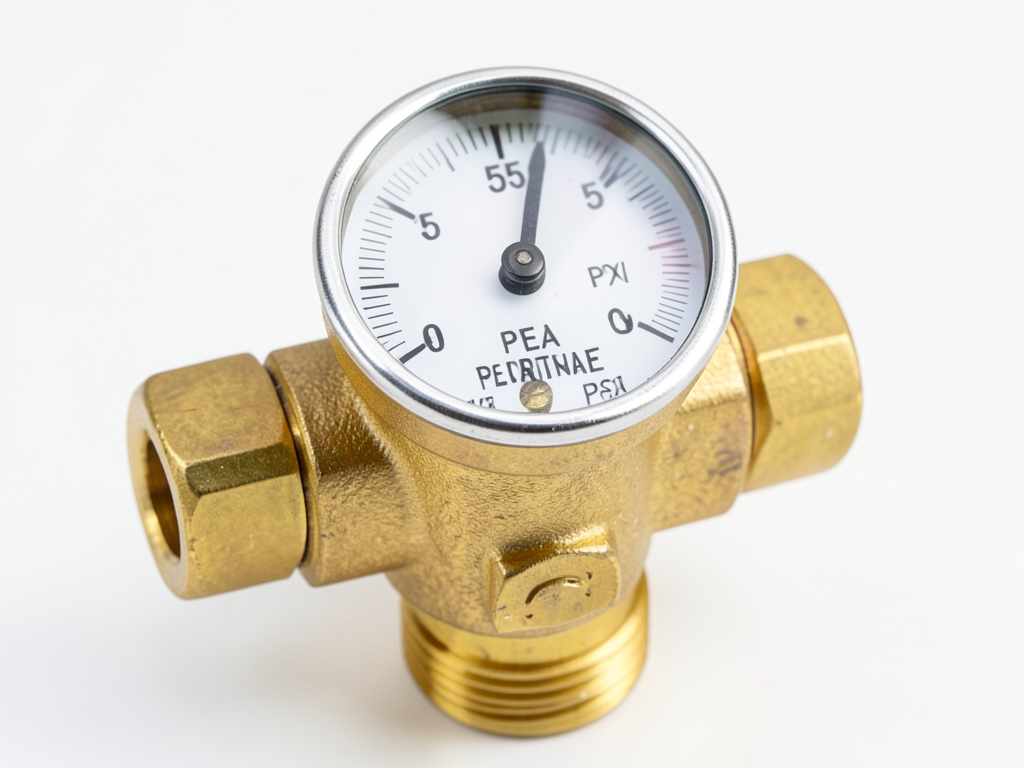





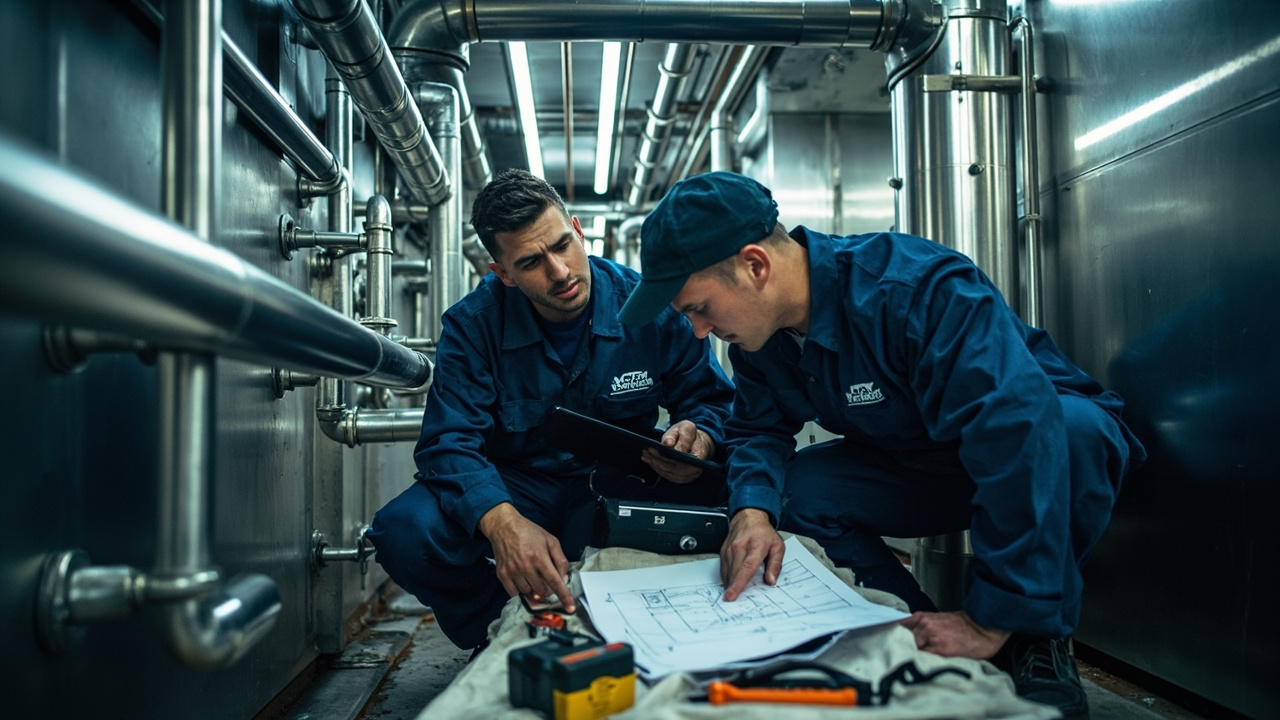
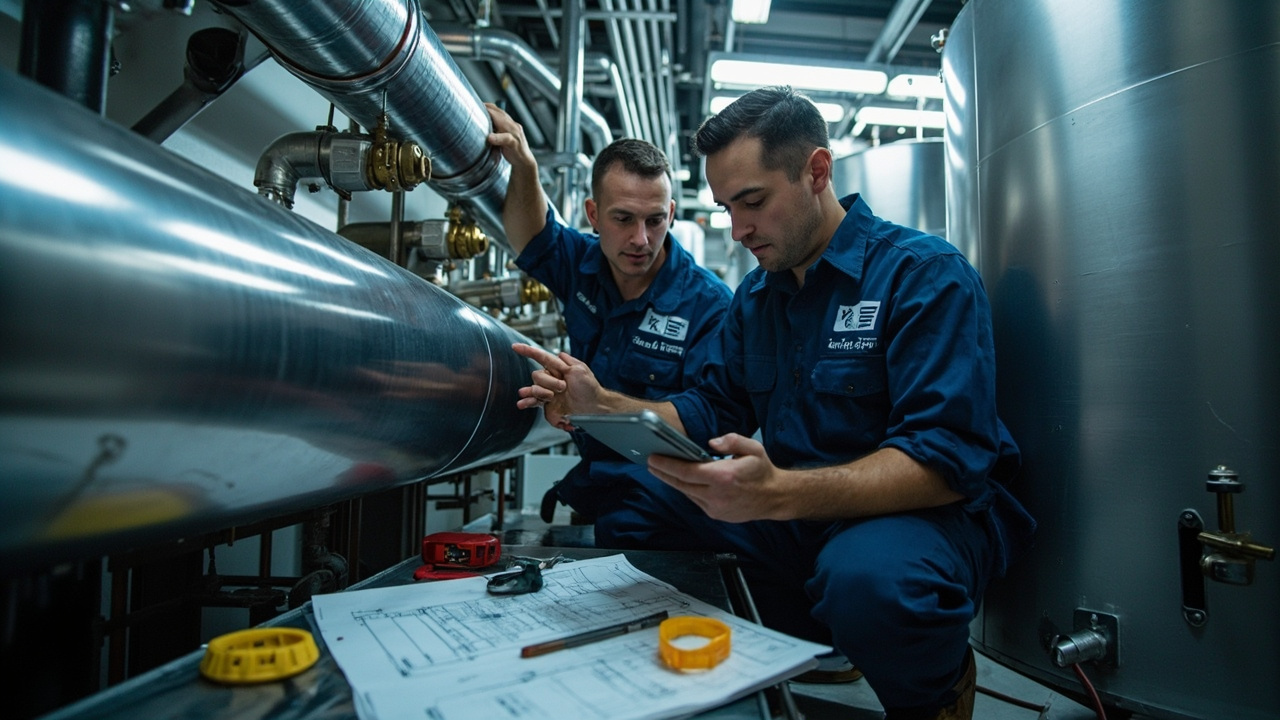
St. Louis's commercial building stock presents infrastructure challenges absent in newer construction markets. Over 60 percent of commercial properties in the Central Business District were constructed before 1960, featuring cast iron waste stacks and galvanized supply piping that has exceeded its 50-year design life. Combined with the region's expansive clay soil that shifts during wet-dry cycles, underground sewer laterals develop misalignment and joint separation. Properties near the Mississippi River floodplain face additional challenges from high water tables that infiltrate aging pipe joints, overloading sanitary systems during heavy rain events. Industrial plumbing contractors working in St. Louis must account for these legacy infrastructure limitations when designing system upgrades.
Local code knowledge prevents costly mistakes. St. Louis Building Division enforces specific requirements for commercial backflow prevention, grease trap sizing, and water heater installations that differ from surrounding counties. Properties in historic districts face additional restrictions on exterior modifications and facade penetrations. Peak Plumbing St. Louis maintains active relationships with Building Division inspectors and understands interpretation of code sections affecting complex commercial projects. Our familiarity with Metropolitan St. Louis Sewer District discharge standards ensures compliance for facilities with industrial processes. When you hire local commercial plumbing companies with established regional presence, you avoid permit rejections and reinspection fees that plague contractors unfamiliar with municipal requirements.