




Menu

Low Water Pressure Issues in St. Louis – Expert Diagnosis and Permanent Fixes for Weak Water Flow

Peak Plumbing St. Louis identifies the root cause of decreased water pressure, poor water flow, and weak water pressure throughout your home, then delivers targeted repairs that restore full system performance.

Slider Image 1
Slider Image 2
Slider Image 3
Slider Image 4
Slider Image 5
Slider Image 7
Slider Image 8
Slider Image 9
Slider Image 10
Slider Image 11

Why St. Louis Homes Experience Chronic Low Water Pressure

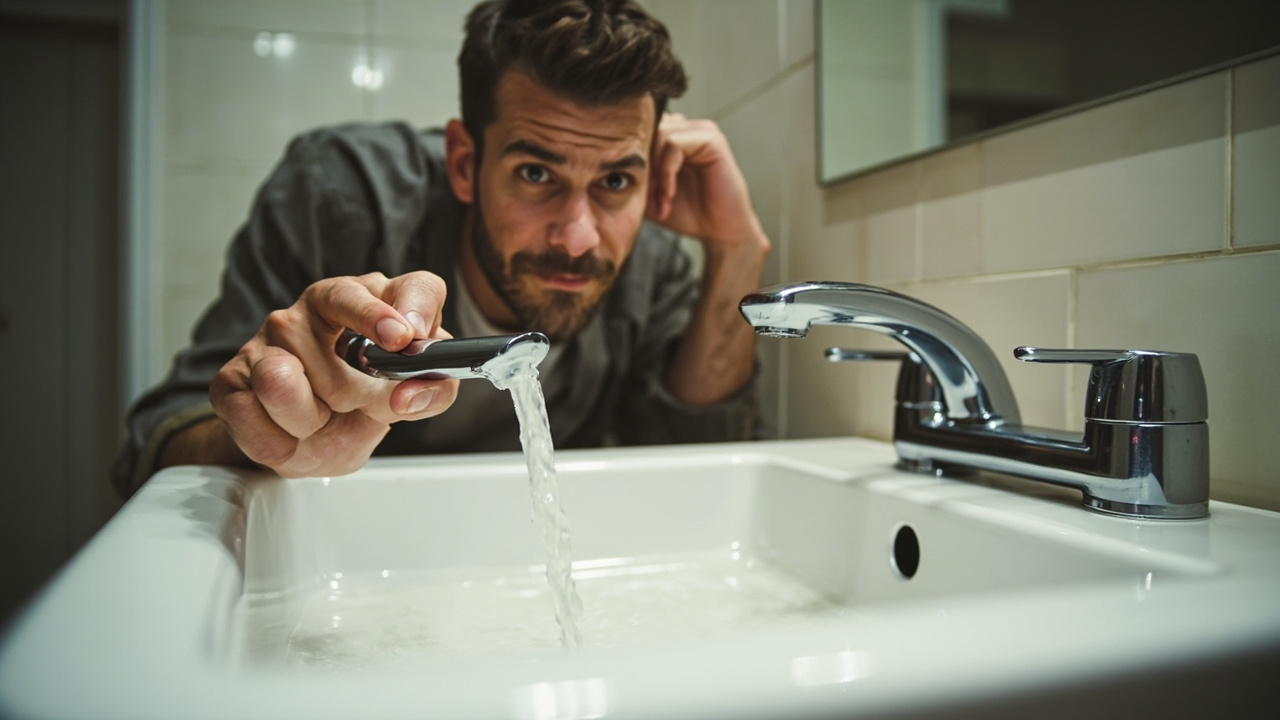
You turn on the shower, and the water barely trickles out. The washing machine takes twice as long to fill. Your kitchen faucet sputters when someone flushes the toilet. This is not normal, and it is not something you should ignore.

Low water pressure issues plague St. Louis homes for reasons that go beyond simple mineral buildup. The city's aging water infrastructure, combined with corrosive municipal water chemistry, accelerates pipe degradation throughout the metro. Many neighborhoods built before 1960 still rely on galvanized steel supply lines that have narrowed to a fraction of their original diameter. The result is weak water pressure that worsens over time.

St. Louis water hardness levels, particularly in areas served by the Mississippi River treatment plants, contribute to rapid sediment accumulation inside fixtures, aerators, and pressure regulators. When you add the freeze-thaw cycles that stress pipe joints every winter, you create multiple failure points where decreased water pressure originates.

Some homeowners in Clayton, Webster Groves, and Tower Grove South experience loss of water pressure only on upper floors because of inadequate vertical lift from corroded booster pumps. Others notice poor water pressure only during peak usage hours when neighborhood demand overwhelms undersized service lines. Each situation requires different diagnostic approaches.

The frustration is real. You deserve consistent water flow for daily tasks. Understanding why low water flow happens in your specific property is the first step toward a permanent solution.

Why St. Louis Homes Experience Chronic Low Water Pressure
How We Diagnose and Resolve Weak Water Pressure

How We Diagnose and Resolve Weak Water Pressure

Guessing at low water pressure causes wastes your money. We use systematic diagnostic protocols to identify the exact source of decreased water pressure before recommending any repair.

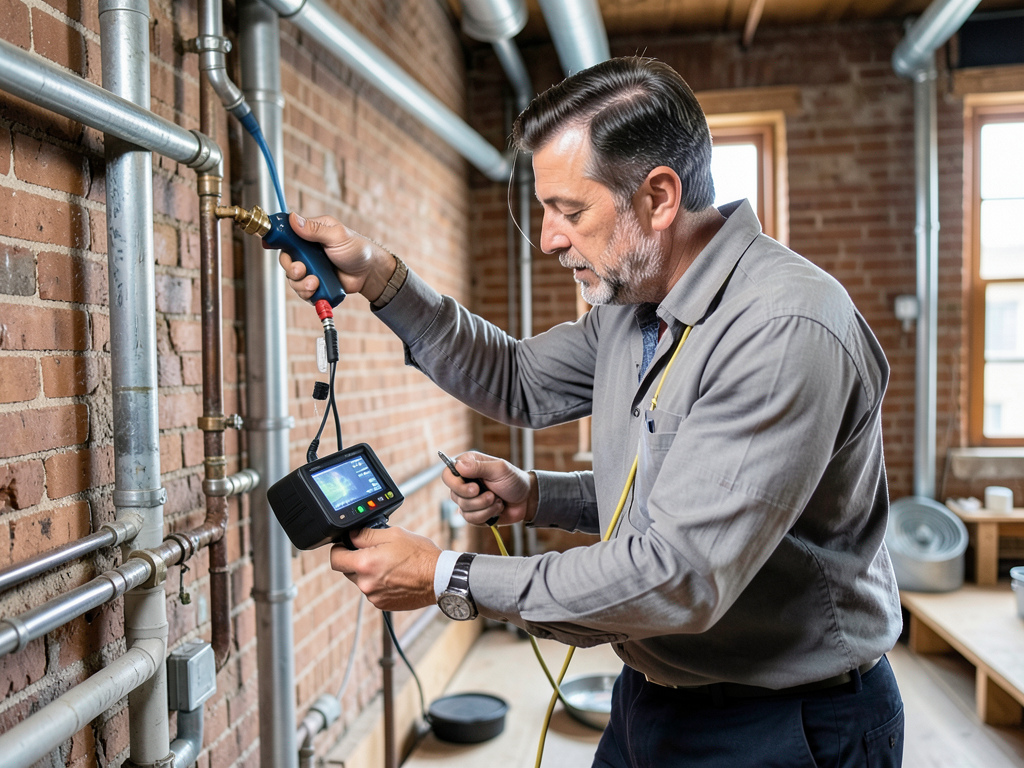
First, we measure static and dynamic pressure at multiple points throughout your plumbing system. A baseline reading at the main shutoff valve tells us if the problem originates from the municipal supply or somewhere inside your property. We then test individual fixture branches to isolate whether poor water pressure affects the entire home or specific zones.

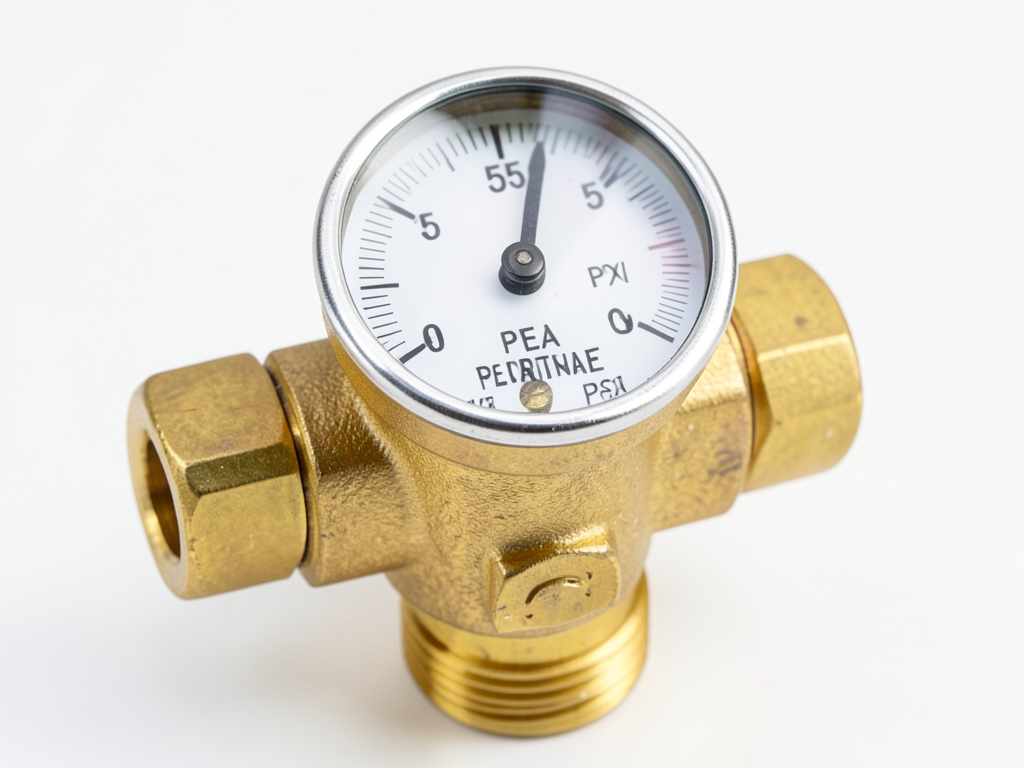
Next, we inspect your pressure regulator, if present. These devices fail gradually, and a malfunctioning regulator can choke supply to the entire building. We verify that inlet pressure matches outlet delivery and check for internal diaphragm failures that create erratic flow patterns.

For homes with galvanized piping, we perform a flow-rate test that compares actual gallons per minute against design specifications. Significant variance indicates internal pipe restriction from corrosion and scale. In these cases, we map out which sections have degraded most severely so you can prioritize replacement based on budget and impact.

We also examine your water heater and softener systems. A failing dip tube or clogged sediment screen can create the illusion of whole-house weak water pressure when the issue is actually isolated to hot water delivery. A water softener stuck in regeneration mode or with a fouled resin bed restricts flow similarly.

Peak Plumbing St. Louis does not upsell unnecessary replacements. If your loss of water pressure can be resolved by cleaning aerators, replacing a single valve, or adjusting a regulator, we tell you that. If you need comprehensive repiping, we explain why and show you the evidence.

What Happens During Your Water Pressure Assessment

Low Water Pressure Issues in St. Louis – Expert Diagnosis and Permanent Fixes for Weak Water Flow
01

System Pressure Testing

We connect calibrated pressure gauges at your main water shutoff, hose bibs, and key fixtures to measure actual PSI under static and flow conditions. This reveals whether decreased water pressure stems from municipal supply issues, internal plumbing restrictions, or faulty pressure regulation. You get hard data, not guesses.
02

Isolation and Flow Mapping

We test each plumbing branch individually to pinpoint where weak water pressure originates. By isolating kitchen lines from bathroom supply, hot from cold, and upper from lower floors, we determine if the problem is localized or systemic. This step prevents unnecessary work on unaffected sections of your plumbing system.
03

Solution and Restoration

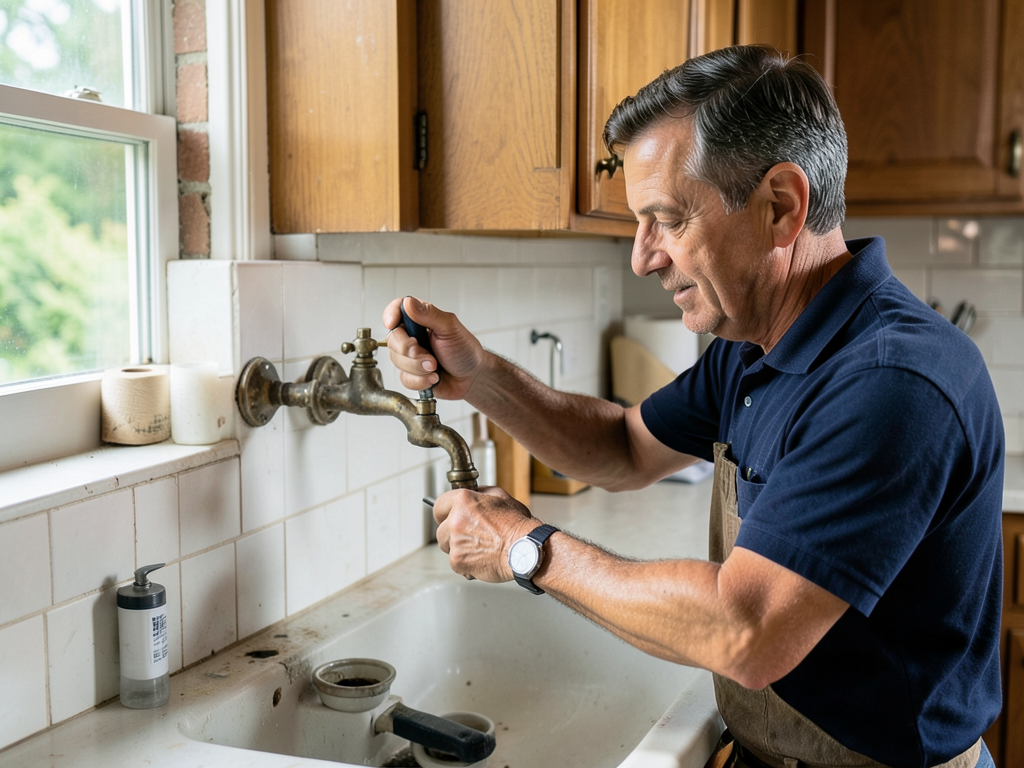
Once we identify the cause, we execute the appropriate fix: regulator replacement, pipe descaling, valve rebuilding, or targeted repiping. You receive clear explanations of what we found, what we fixed, and how to maintain optimal pressure going forward. Your water flow returns to normal, and you understand why it happened.

Why St. Louis Homeowners Trust Peak Plumbing for Pressure Problems

Low water pressure diagnosis requires familiarity with the specific plumbing materials and water conditions common to St. Louis. We work in these neighborhoods daily. We know which streets still have galvanized mains, where the city's pressure zones change, and how local water chemistry affects different pipe materials.

Many homes in Soulard, Lafayette Square, and the Central West End feature original cast iron and galvanized steel supply lines installed between 1920 and 1950. These systems degrade in predictable patterns. We have seen hundreds of them. We know when partial replacement makes sense and when full repiping is the only viable solution.

We also understand St. Louis building codes and the permit requirements for pressure booster installation, backflow preventer upgrades, and main line replacement. If your loss of water pressure requires work that touches the municipal connection or affects fire suppression systems, we handle the inspections and compliance documentation.

Peak Plumbing St. Louis does not subcontract diagnostic work or send undertrained apprentices to complex pressure cases. The technician who tests your system is the same person who explains the findings and performs the repair. You get continuity and accountability.

We also recognize that weak water pressure often coexists with other issues like water hammer, inconsistent temperature control, or high utility bills. Our diagnostic process identifies these related problems so you can address everything during a single service window instead of dealing with repeated failures.

You are not hiring a national franchise with rotating staff. You are working with a local team that lives in this city, knows its infrastructure, and stands behind the work long after the invoice is paid.

What You Can Expect From Start to Finish

Response Time and Scheduling

We schedule diagnostic appointments within 24 to 48 hours for most low water pressure cases. If your decreased water pressure is affecting critical daily functions like cooking, bathing, or laundry, we prioritize your call and find an earlier opening. Our technicians arrive within the scheduled window, equipped with calibrated testing instruments and common replacement parts to resolve straightforward issues on the first visit. You are not waiting a week for someone to show up with a guess.

Diagnostic Process and Transparency

You receive a clear explanation of every test we perform and what the results mean. We show you pressure gauge readings, explain variance between fixtures, and walk you through the evidence we found. If the problem requires accessing concealed piping, we explain where we need to open walls or ceilings and how we will restore those surfaces. You approve all work before we proceed. No surprises, no upselling, no vague recommendations.

Repair Quality and Performance

When we replace a pressure regulator, rebuild a valve, or repipe a supply line, we use components rated for your specific water conditions. This means selecting brass over plastic where corrosion is a factor, sizing pipes correctly for actual demand, and installing shutoffs that give you control over future repairs. Your poor water pressure is resolved properly, and the fix lasts. We test final pressure at multiple fixtures before we leave to confirm restoration.

Follow-Up and Long-Term Support

After resolving your weak water pressure, we provide guidance on monitoring your system for early signs of future degradation. For homes with older galvanized piping that we partially replaced, we document which sections remain original so you can plan future upgrades. If we installed a new pressure regulator or booster pump, we explain the expected service life and what maintenance, if any, those components require. You can call us with questions anytime.

Frequently Asked Questions

You Have Questions,
We Have Answers

What is the most common cause of low water pressure? +

The most common cause is sediment buildup in your water heater or supply lines. St. Louis water contains minerals that accumulate over time, especially in older homes near the Mississippi River corridor. Corroded galvanized pipes are another culprit in pre-1970s construction common throughout neighborhoods like Soulard and Tower Grove. A clogged aerator on your faucet can also restrict flow. Other causes include a partially closed main shutoff valve, failing pressure regulator, or municipal supply issues. If multiple fixtures show weak flow, the problem likely exists at your main line or water heater, not individual fixtures.

How do I fix my low water pressure? +

Start by checking your main shutoff valve to confirm it sits fully open. Clean aerators on affected faucets by unscrewing them and rinsing away sediment. Check your water heater for buildup by draining a few gallons from the bottom valve. If you have a pressure regulator near your meter, it may need adjustment or replacement. For older St. Louis homes with galvanized pipes, corrosion creates blockages that require professional repiping. Test pressure at multiple fixtures to isolate the problem. If simple fixes do not work, a licensed plumber can diagnose valve failures, hidden leaks, or municipal supply problems.

Who is responsible for low water pressure? +

Responsibility splits at your property line. The municipal water department handles pressure issues on their side of the meter, including main line breaks or supply problems. You own everything past the meter, including your pressure regulator, shutoff valve, interior pipes, and fixtures. In St. Louis County versus City properties, jurisdiction varies slightly, but the meter remains the dividing line. If neighbors experience similar pressure drops, contact your local water department. If only your home suffers low pressure, you are responsible for repairs. Apartment tenants should notify landlords, who must maintain adequate water pressure per housing codes.

Do I need a plumber for low pressure? +

Yes, if basic troubleshooting fails. Cleaning aerators or checking your shutoff valve requires no expertise, but diagnosing pressure regulators, corroded pipes, or hidden leaks demands professional tools and knowledge. St. Louis homes built before 1970 often have deteriorating galvanized pipes that only a licensed plumber can properly assess. A plumber uses pressure gauges to measure flow at different points, identifying exactly where restriction occurs. They can spot failing pressure reducing valves, detect slab leaks in basement floors common to the area, and determine if your water heater needs flushing or replacement. Professional diagnosis saves money over guesswork.

Can I increase water pressure myself? +

You can try limited fixes. Clean faucet aerators by unscrewing and rinsing them. Confirm your main shutoff valve sits fully open. Drain sediment from your water heater using the bottom spigot. Beyond these steps, adjusting a pressure regulator or replacing corroded pipes requires expertise and permits. Boosting pressure beyond safe limits can burst pipes or damage fixtures. St. Louis homes already face stress from clay soil shifts and freeze-thaw cycles, making proper pressure balance critical. If your municipal supply delivers adequate pressure but your home still suffers low flow, call a plumber to diagnose valve, pipe, or regulator issues safely.

Does low water pressure mean busted pipe? +

Not always, but it is possible. A sudden pressure drop throughout your home can signal a hidden leak in your main line or slab. Gradual pressure loss over weeks points more toward sediment buildup or corroded pipes. Check your water meter when no fixtures run. If the dial moves, you have a leak somewhere. Look for wet spots in your yard, basement dampness, or unexplained water bills. St. Louis clay soil can hide underground leaks until they become severe. A busted pipe typically shows other signs like water stains, mold, or foundation cracks. Immediate professional inspection prevents costly water damage.

How much does it cost for a plumber to fix low water pressure? +

Costs depend on the root cause. Simple fixes like aerator cleaning or valve adjustment may cost nothing if you do it yourself, or one service call fee. Replacing a pressure regulator runs a few hundred dollars. Flushing a water heater costs less than replacing corroded galvanized pipes, which can require extensive repiping. St. Louis homes with outdated plumbing face higher costs due to accessibility challenges in older construction. A diagnostic visit identifies the exact issue before you commit to repairs. Most plumbers provide upfront estimates after inspection. Avoiding the problem worsens damage over time, increasing eventual repair costs and potential water waste on your utility bill.

How to unclog a p-trap? +

The p-trap sits under your sink in a U-shape. Place a bucket underneath to catch water. Loosen the slip nuts on both ends using pliers or by hand if plastic. Slide the trap down and away. Dump contents into the bucket and remove any hair, soap buildup, or debris. Rinse the trap thoroughly with hot water. Check the tailpiece and drain arm for additional clogs. Reassemble by hand-tightening slip nuts, then snug with pliers. Run water to test for leaks. If clogs persist deeper in your drain line, you need a plumber with an auger or hydro-jetting equipment to clear blockages.

Why is barely any water coming out of my faucet? +

This signals a severe blockage or supply restriction. Check if other fixtures work normally. If only one faucet dribbles, the aerator likely clogs with sediment common in St. Louis water. Unscrew and clean it. If multiple fixtures barely flow, your main shutoff valve may sit partially closed, your pressure regulator failed, or sediment blocks your water heater inlet. Corroded galvanized pipes in older neighborhoods like Lafayette Square restrict flow dramatically. A sudden change could mean a hidden leak dropping your pressure. Test other faucets immediately and call a plumber if the problem spans multiple fixtures or appeared suddenly.

Is low water pressure a plumbing emergency? +

Only if it appears suddenly and completely. Gradual pressure loss over days indicates sediment, corrosion, or a failing regulator. An abrupt drop to almost nothing suggests a burst pipe, main line break, or major valve failure requiring immediate attention. If you see wet spots, hear running water in walls, or your water meter spins when fixtures are off, shut your main valve and call emergency plumbing service. For St. Louis homes during winter, frozen pipes can cause sudden pressure loss before bursting. Slow, persistent low pressure frustrates you but rarely constitutes an emergency. Schedule a diagnostic appointment to prevent future damage.

How St. Louis Water Chemistry Accelerates Pipe Corrosion and Pressure Loss

St. Louis municipal water, sourced primarily from the Mississippi and Missouri rivers, contains elevated levels of dissolved minerals and chlorides that aggressively corrode galvanized steel and copper piping. The combination of hard water and chlorine-based disinfection accelerates internal scale buildup and pitting, particularly in homes with original pre-1970 plumbing. This is why decreased water pressure problems appear more frequently in older St. Louis neighborhoods compared to newly developed subdivisions with PEX or CPVC supply lines. The water itself is safe, but its chemistry is hard on aging infrastructure.

Choosing a plumber familiar with St. Louis water conditions matters because the solutions that work in other regions fail here. A technician trained in softer water markets might recommend a simple descaling treatment when your galvanized piping actually needs replacement. Peak Plumbing St. Louis has diagnosed weak water pressure in thousands of local homes. We recognize the failure patterns specific to this area and recommend solutions that account for the water you actually receive, not generic fixes that fail within months.
Plumbing Services in The St. Louis Area

Peak Plumbing St. Louis is proud to serve the entire St. Louis metropolitan area and surrounding communities. Our dedicated team is strategically located to respond quickly to your residential and commercial plumbing needs. You can view our primary service area on the map below, but if you're located nearby and have a plumbing issue, don't hesitate to give us a call to see how we can assist you.

Address:
Peak Plumbing St. Louis, 4565 McRee Ave, St. Louis, MO, 63110

Additional Services We Offer

Our news updates

Latest Articles & News from The Blogs

How to Stop Your Kirkwood Basement Bar Ejector Pump From Failing \n\n Your basement bar is the heart of your…

How to Stop Your Kirkwood Basement Bar Ejector Pump From Failing

How to Stop Your Kirkwood Basement Bar Ejector Pump From Failing \n\n Your basement bar is the heart of your…

Why a Pre-Listing Plumbing Inspection is Essential for Selling Your Huntleigh Home

Why a Pre-Listing Plumbing Inspection is Essential for Selling Your Huntleigh Home Selling a home in Huntleigh requires more than…

Why Your Spanish Lake Shower Has Terrible Water Pressure

Why Your Spanish Lake Shower Has Terrible Water Pressure Nothing ruins a morning like stepping into a shower that barely…

Contact Us

You should not live with weak showers and slow-filling appliances. Call Peak Plumbing St. Louis at (314) 417-7677 to schedule a diagnostic appointment. We will identify the cause, explain your options, and restore proper water flow throughout your home.