





St. Louis water averages 12 to 16 grains per gallon of hardness, depending on whether you receive supply from the Missouri River or Meramec River basin. This mineral concentration causes calcium and lime buildup inside the toilet tank, coating the fill valve diaphragm and flapper seat. Over time, the flapper cannot seal against the flush valve, creating a constant trickle that wastes water and raises your bill. The fill valve also clogs, causing slow refills or incomplete shutoff. The region's expansive clay soil shifts with moisture changes, cracking wax ring seals and misaligning closet flanges. Homes in older neighborhoods like Shaw and Dogtown see these issues more frequently due to cast iron waste pipes and corroded flange connections.
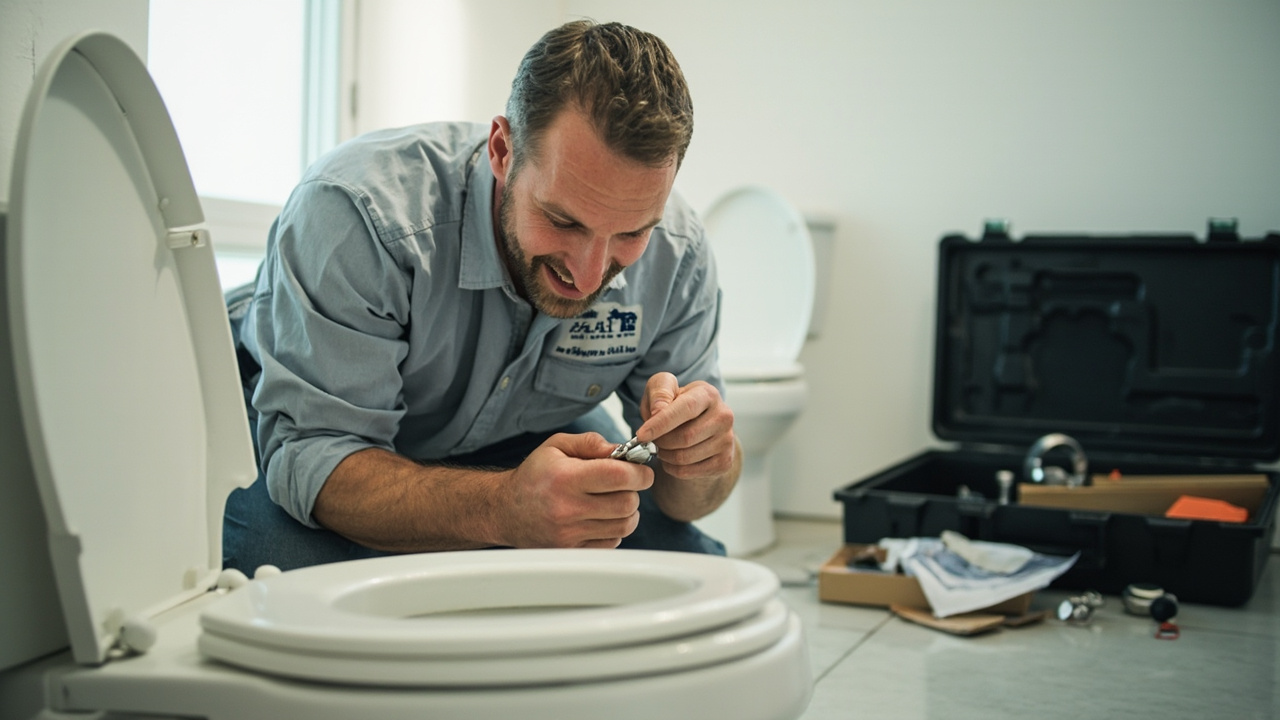
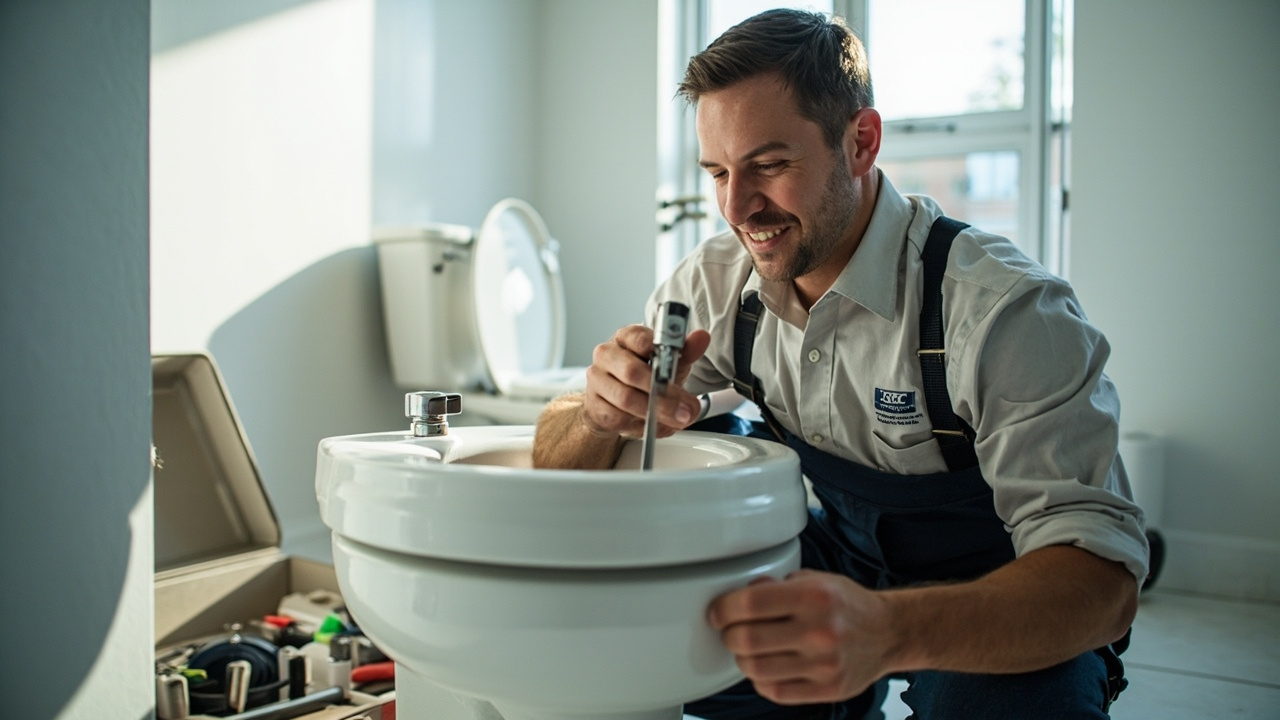
Peak Plumbing St. Louis understands the interplay between local water chemistry, soil movement, and aging plumbing infrastructure. We have serviced thousands of toilets across the city and county, from early 1900s bungalows with floor-mounted lead bends to modern subdivisions with PVC drain systems. Our familiarity with St. Louis building practices means we anticipate flange height issues, supply line configurations, and rough-in distance variations before we arrive. We also stay current with St. Louis County plumbing codes and EPA water efficiency mandates, ensuring your toilet replacement or repair meets compliance standards while delivering reliable performance.