






Menu

DIY vs. Professional Drain Cleaning in St. Louis – Save Time and Avoid Costly Pipe Damage

Before you dump another bottle of chemical cleaner down your drain or rent a snake, understand the real cost difference between DIY drain cleaning and hiring a professional plumber in the St. Louis metro area.

Slider Image 1
Slider Image 2
Slider Image 3
Slider Image 4
Slider Image 5
Slider Image 7
Slider Image 8
Slider Image 9
Slider Image 10
Slider Image 11

Why St. Louis Homeowners Struggle With Recurring Drain Clogs

You notice the water draining slower. You buy a bottle of drain cleaner from the hardware store. It works for a week, maybe two. Then the clog comes back, worse than before.

This cycle frustrates thousands of St. Louis homeowners every year, and the problem runs deeper than you think. The clay soil throughout the St. Louis region shifts with freeze-thaw cycles, putting pressure on underground drain lines. Tree roots from mature oaks and maples common in neighborhoods like Tower Grove and Soulard invade cracked sewer laterals, creating blockages that surface treatments cannot fix.

When you are comparing hiring a plumber vs DIY drain cleaning, you need to understand what you are actually dealing with. Most homeowners see standing water in a sink or tub and assume it is a simple clog. They reach for a plunger or pour chemical drain cleaner down the pipe. Sometimes this works for minor buildup. Often it does not.

The difference between professional drain service vs home remedies comes down to diagnosis. A bottle of sulfuric acid cannot tell you whether you have a grease blockage, a collapsed pipe, or root infiltration. It just burns through whatever it touches, including your pipes if used repeatedly.

Snaking a drain yourself vs hiring a pro might seem like a cost-saving measure. You can rent a drain auger for about forty dollars a day. But without camera inspection equipment, you are working blind. You might punch through a clog without removing it, or worse, you might puncture a corroded cast iron drain line that is common in older St. Louis homes built before 1970.

The question is not whether you can clear a drain yourself. The question is whether you can diagnose the root cause and fix it permanently without causing additional damage.

Why St. Louis Homeowners Struggle With Recurring Drain Clogs
What Professional Drain Cleaning Actually Involves

What Professional Drain Cleaning Actually Involves

Professional drain cleaning starts with diagnosis, not chemicals. When you call Peak Plumbing St. Louis for a drain issue, the first step involves camera inspection. A waterproof camera on a flexible cable travels through your drain line, transmitting real-time video that shows exactly what is causing the blockage.

This matters because different clogs require different tools. Hair and soap buildup respond to cable augering. Grease accumulation often needs hydro-jetting, which uses high-pressure water to scour pipe walls clean. Root infiltration may require mechanical cutting heads designed specifically to slice through fibrous material without damaging the pipe.

Calling a plumber vs using drain cleaner gives you access to this diagnostic capability. Chemical drain cleaners work by generating heat through an exothermic reaction. This heat can soften PVC joints, corrode metal pipes, and create toxic fumes that linger in your home. The chemicals rarely reach clogs located more than a few feet from the drain opening, which is why the problem returns quickly.

Professional equipment reaches clogs that home remedies cannot touch. Cable augers extend up to 100 feet, reaching from your bathroom all the way to the main sewer line. Hydro-jetting equipment delivers water at pressures up to 4000 PSI, removing decades of buildup from pipe walls.

The methodology also protects your plumbing system. Professionals know the difference between ABS and PVC, understand the limitations of older Orangeburg pipe common in mid-century St. Louis homes, and recognize when a drain line has deteriorated beyond cleaning and needs replacement.

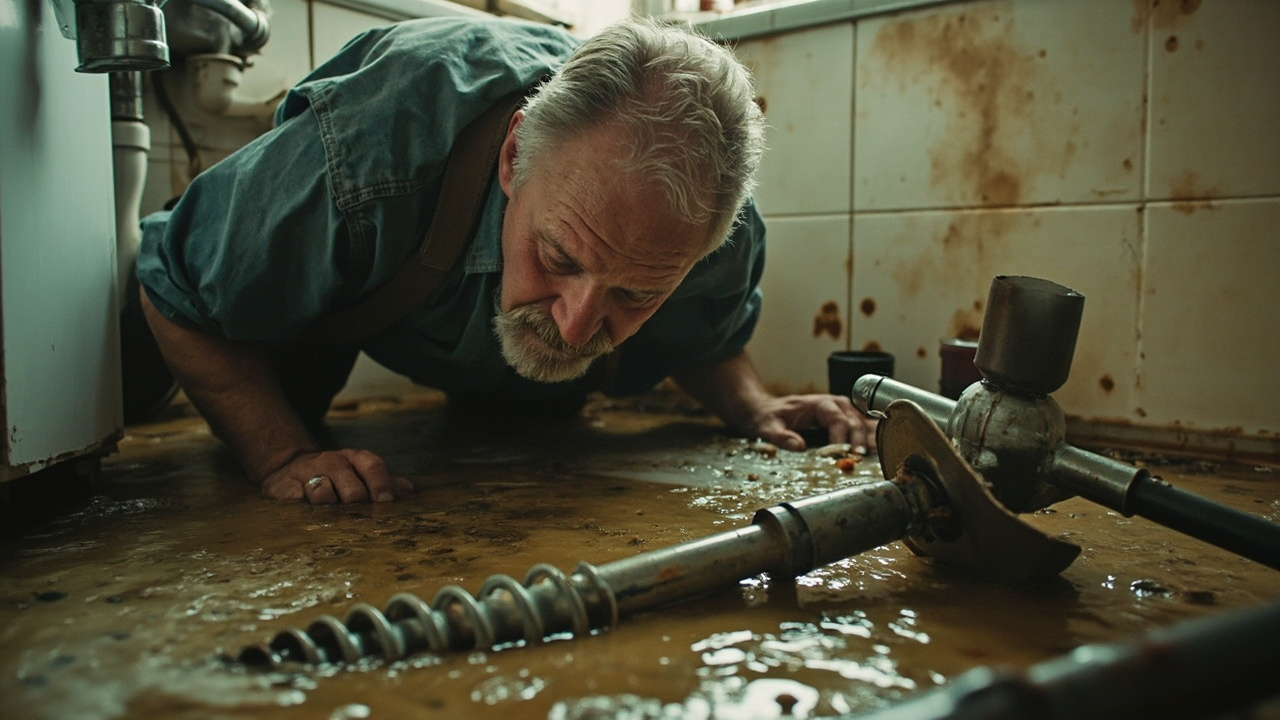
Expertise matters when you are working inside your walls. A mishandled cable auger can puncture a drain line, turning a 200-dollar cleaning into a 3000-dollar repipe. Professional plumbers understand proper cable tension, rotation speed, and how to navigate bends without causing damage.

How We Diagnose and Clear Your Drain Issue

DIY vs. Professional Drain Cleaning in St. Louis – Save Time and Avoid Costly Pipe Damage
01

Camera Inspection First

Before we touch your drain, we run a camera line to identify the exact location and type of blockage. This video inspection shows us whether you have grease buildup, root intrusion, or a collapsed section of pipe. We record the footage so you can see exactly what we found. This diagnostic step prevents guesswork and ensures we use the right clearing method for your specific situation.
02

Targeted Clearing Method

Based on what the camera reveals, we select the appropriate tool. For most residential clogs, we use a motorized cable auger with interchangeable cutting heads. For severe grease or scale buildup, we deploy hydro-jetting equipment that scours pipes clean without chemicals. Root blockages get specialized cutting heads that slice through fibrous material while preserving the pipe. Each method targets your specific problem.
03

Post-Cleaning Verification

After clearing the blockage, we run the camera through your line again to confirm complete removal and check for any underlying pipe damage. This verification step catches problems before they become emergencies. You get a clear explanation of what we found, what we fixed, and whether any sections of your drain system need attention. We also provide maintenance recommendations to prevent recurrence.

Why St. Louis Homeowners Choose Peak Plumbing for Drain Issues

Peak Plumbing St. Louis understands the specific challenges that affect drain systems in this region. We work on homes built everywhere from the 1890s brick two-families in The Hill to new construction in Wildwood. Each era of construction presents different plumbing materials and different failure points.

Homes built before 1950 often have cast iron drain lines that corrode from the inside out. You cannot see this deterioration until a cable auger punches through a weakened section. We recognize the warning signs during camera inspection and alert you before a cleaning turns into an emergency.

The clay soil throughout St. Louis County expands when wet and contracts when dry. This movement cracks rigid sewer laterals, creating entry points for tree roots. Neighborhoods with mature tree canopies like Webster Groves and Clayton see higher rates of root infiltration. We know which trees cause the most problems and where roots typically enter the system.

Local building codes matter when drain work extends beyond simple cleaning. St. Louis County and St. Louis City have different requirements for cleanout placement, backflow prevention, and sewer lateral responsibility. We pull permits when required and ensure all work meets current code, which protects you during home sales and insurance claims.

Our familiarity with local supply chains means we can source parts quickly. When we identify a problem that needs immediate repair, we do not wait three days for specialty fittings to arrive. This speed matters when you have a backed-up sewer line affecting multiple fixtures.

Experience with St. Louis water also informs our work. The municipal water supply has moderate hardness, which contributes to mineral buildup in drain lines over time. We account for this when recommending maintenance intervals and cleaning methods.

Trust comes from understanding your home and your neighborhood, not just plumbing in general.

What to Expect When You Schedule Professional Drain Cleaning

Response Time and Availability

We schedule most non-emergency drain cleanings within 24 to 48 hours of your call. Emergency backups affecting multiple fixtures or raw sewage get same-day response. Our trucks carry camera equipment and cable augers up to 100 feet, so we can diagnose and clear most residential clogs in a single visit. You get a confirmed arrival window, and we call 30 minutes before we arrive. Evening and weekend appointments are available for customers who cannot take time off work. Scheduling flexibility should not force you to live with a clogged drain for a week.

How the Initial Assessment Works

The assessment starts with questions about your symptoms. When did the slow drainage start? Which fixtures are affected? Have you used any chemical drain cleaners? This history guides our inspection strategy. We then locate the nearest cleanout access point and insert the camera line. You watch the monitor with us as we travel through your drain system. We pause at any blockages or damage points and explain what you are seeing. This transparency eliminates surprise charges and helps you understand whether you need cleaning, repair, or replacement. The assessment typically takes 15 to 30 minutes.

The Quality of the Final Result

Professional drain cleaning restores your system to full flow capacity. After we clear the blockage, water drains immediately with no gurgling or slow drainage. We verify this by running water at multiple fixtures and watching the camera feed to confirm unrestricted flow. You should notice the difference the moment we finish. If the problem returns within 30 days, we come back at no additional charge to investigate why. Proper cleaning eliminates the clog completely rather than just punching a hole through it. Your drains should function normally for months or years depending on usage patterns and pipe condition.

Maintenance Recommendations and Follow-Up

After cleaning your drain, we provide specific maintenance recommendations based on what we found. Homes with grease buildup benefit from enzyme treatments between professional cleanings. Properties with root infiltration need annual or bi-annual maintenance to prevent complete blockages. We explain which drain habits contribute to clogs and which products to avoid. If the camera inspection revealed pipe damage, we provide a written assessment with photos and discuss repair options. You get clear next steps with no pressure. Many customers schedule annual preventive cleanings to avoid emergency backups, especially if they have older drain systems or large trees near their sewer lateral.

Frequently Asked Questions

You Have Questions,
We Have Answers

Is professional drain cleaning worth it? +

Professional drain cleaning is worth it when you face recurring clogs, slow drainage, or suspect deep blockages. A plumber uses camera inspection and mechanical tools like hydro-jetting to clear roots, grease buildup, and debris that store-bought chemicals cannot reach. In St. Louis, clay soil shifts and aging sewer lines create unique challenges that DIY methods miss. Professional service prevents pipe damage, identifies underlying issues early, and saves you from emergency repairs. For simple hair clogs in bathroom sinks, DIY may work. For anything beyond surface blockages, professional cleaning protects your investment.

Why do plumbers say not to use drain cleaner? +

Plumbers avoid chemical drain cleaners because they corrode pipes, damage fixtures, and create dangerous fumes. These products generate heat that can crack older cast iron or PVC joints common in St. Louis homes. The chemicals sit in the pipe, eating away at metal and rubber seals. They also create hazardous conditions if you later call a plumber. When chemicals mix with standing water, they splash during snaking or hydro-jetting. Most chemical cleaners only burn through soft clogs, leaving grease and roots untouched. You risk permanent pipe damage for temporary relief.

What do plumbers recommend to clean drains? +

Plumbers recommend mechanical removal over chemicals. For minor clogs, use a drain snake or auger to physically break up blockages. Regular maintenance includes hot water flushes, enzyme-based cleaners that digest organic matter without corroding pipes, and preventive measures like drain screens. For kitchen sinks, avoid pouring grease down drains. For bathroom drains, remove hair regularly. In St. Louis, where tree roots infiltrate older sewer lines, plumbers recommend annual camera inspections and hydro-jetting to remove buildup before it becomes a complete blockage. Prevention beats reaction.

How much is professional drain cleaning? +

Professional drain cleaning costs vary based on severity and location of the clog. Simple drain snaking for accessible clogs costs less than hydro-jetting main sewer lines or camera inspections for deep blockages. In St. Louis, older homes with cast iron pipes or root intrusion require more intensive service. Emergency calls after hours cost more than scheduled maintenance. Factors include the type of equipment needed, accessibility of the drain line, and whether excavation is required. Get a diagnostic inspection first to understand the scope before committing to extensive work.

Why do plumbers say don't use drano? +

Plumbers warn against Drano because it causes chemical burns to pipes and creates toxic conditions. The product generates extreme heat that weakens PVC joints and corrodes metal pipes. In St. Louis homes with older plumbing systems, this heat accelerates deterioration of already aging materials. Drano sits in the pipe when it fails to clear the clog, creating a caustic soup that splashes during mechanical cleaning. It also fails against grease, roots, and mineral buildup. The temporary fix you attempt becomes a larger repair bill when pipes crack or seals fail.

How often should drains be professionally cleaned? +

Drains should be professionally cleaned every 18 to 24 months for preventive maintenance. Homes with older sewer lines, large trees nearby, or frequent clogs need annual service. In St. Louis, clay soil movement and mature tree roots infiltrate aging sewer systems, making annual inspections worthwhile. Commercial kitchens require quarterly cleaning due to grease accumulation. If you notice slow drainage, gurgling sounds, or recurring backups, schedule service immediately rather than waiting for the maintenance cycle. Regular cleaning prevents emergency failures and extends the life of your drain system.

What do plumbers recommend instead of Drano? +

Plumbers recommend enzymatic drain cleaners, manual snakes, or hot water flushes instead of Drano. Enzyme-based products use natural bacteria to digest organic matter without damaging pipes. They work slowly but safely. For immediate clogs, a manual drain snake physically removes hair and debris without chemicals. Preventive measures include installing drain screens, avoiding grease disposal in sinks, and flushing drains weekly with hot water. For stubborn clogs or main line issues common in St. Louis, call a plumber for camera inspection and hydro-jetting rather than risking pipe damage with harsh chemicals.

How can I tell if the clog is deep? +

Deep clogs show specific warning signs. Multiple drains backing up simultaneously indicates a main sewer line blockage rather than a localized issue. Gurgling sounds from toilets or drains when you run water elsewhere signals air trapped by a deep clog. Sewage odors or water backing up in floor drains point to main line problems. In St. Louis, slow drainage across the entire house often means root intrusion in the main sewer line. If plunging or snaking a single drain fails to improve flow, the blockage sits beyond your reach and requires professional equipment.

What are two things you should never flush down a toilet? +

Never flush wipes or feminine hygiene products down a toilet. Flushable wipes do not break down like toilet paper and create massive clogs in sewer lines. They tangle with grease and debris, forming blockages that require hydro-jetting to remove. Feminine hygiene products expand when wet and immediately clog pipes. In St. Louis, where older sewer systems have rough interior surfaces and offset joints, these items catch easily and accumulate quickly. Flush only human waste and toilet paper. Everything else belongs in the trash, regardless of packaging claims about flushability.

Why pour salt down the drain every night? +

Pouring salt down drains is a folk remedy with limited scientific backing. Salt can help dissolve minor grease buildup when combined with hot water, creating a mild scouring action. Some claim it prevents odors by killing bacteria. However, salt does not prevent clogs, remove hair, or address root intrusion. In St. Louis, where hard water and mineral deposits create buildup, salt offers minimal benefit. Better practices include hot water flushes, enzyme cleaners, and keeping grease out of drains. For persistent issues, schedule professional cleaning rather than relying on home remedies.

How St. Louis Clay Soil and Freeze-Thaw Cycles Affect Your Drain Lines

The clay soil throughout St. Louis County and the metro area creates unique challenges for underground drain systems. Clay expands significantly when saturated and shrinks when dry. This constant movement shifts drain pipes, creating bellies where water pools and sediment accumulates. The freeze-thaw cycles from November through March exacerbate this movement, cracking rigid sewer laterals and creating entry points for tree roots. Homes in older neighborhoods like Compton Heights and Lafayette Square have clay sewer laterals that shift over time, causing recurring backup issues that DIY methods cannot address. Professional drain service accounts for these soil conditions when diagnosing persistent clogs.

Peak Plumbing St. Louis has worked on drain systems throughout the metro area for years. We understand the differences between the clay soil in South County, the loam in West County, and the alluvial soil near the Mississippi River. This local knowledge helps us predict where pipe failures occur and which cleaning methods work best for your specific location. We also stay current on St. Louis Metropolitan Sewer District requirements for lateral maintenance, which affects homeowner responsibility for blockages. Choosing a plumber who understands regional soil conditions, local plumbing codes, and the specific challenges of St. Louis housing stock gives you solutions that last.
Plumbing Services in The St. Louis Area

Peak Plumbing St. Louis is proud to serve the entire St. Louis metropolitan area and surrounding communities. Our dedicated team is strategically located to respond quickly to your residential and commercial plumbing needs. You can view our primary service area on the map below, but if you're located nearby and have a plumbing issue, don't hesitate to give us a call to see how we can assist you.

Address:
Peak Plumbing St. Louis, 4565 McRee Ave, St. Louis, MO, 63110

Additional Services We Offer

Our news updates

Latest Articles & News from The Blogs

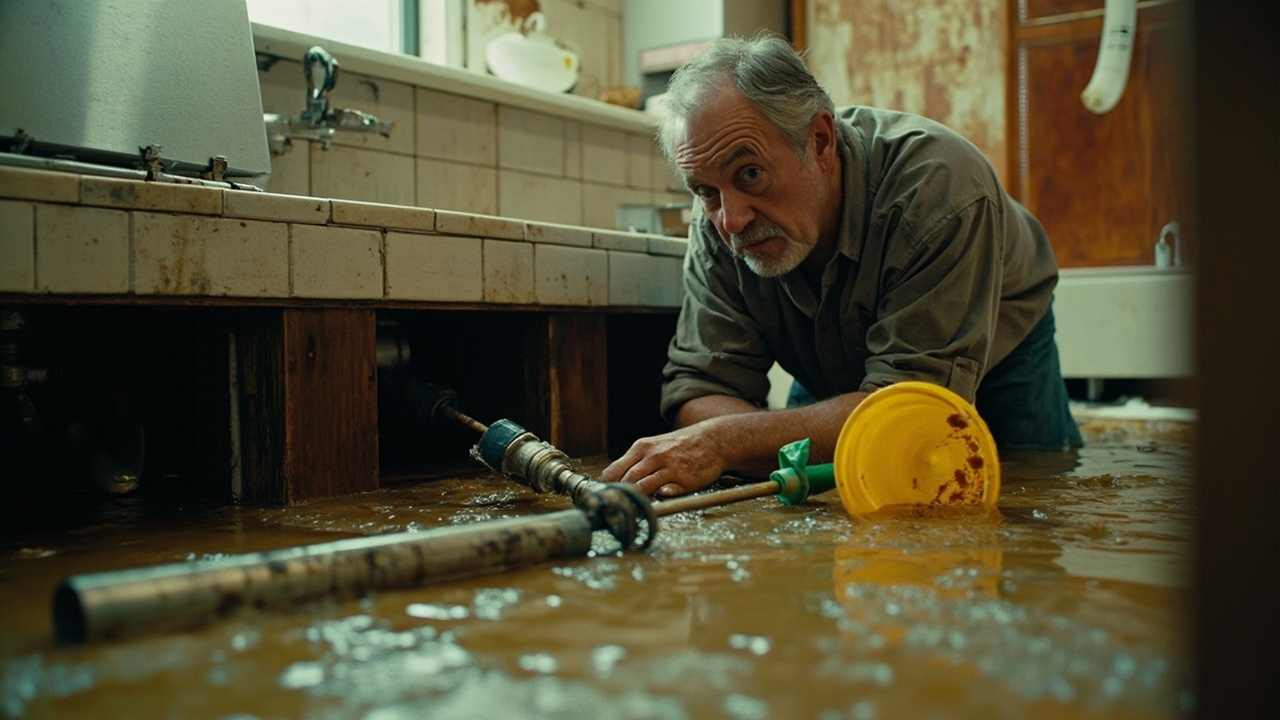
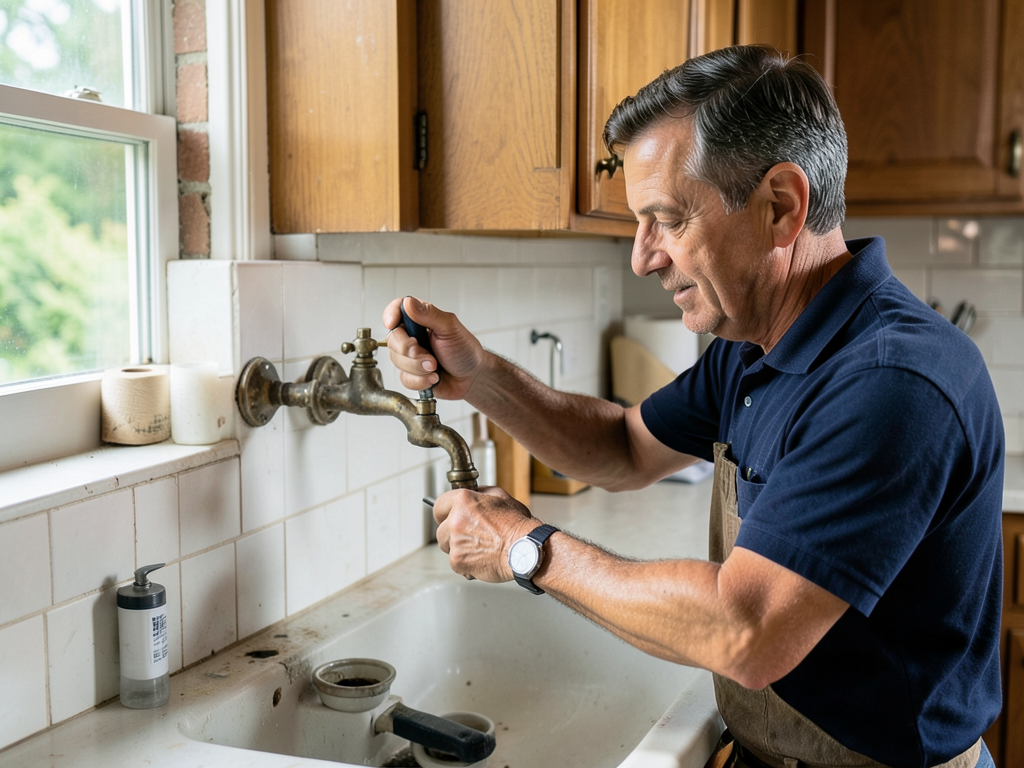
Modernizing the Plumbing in a 100 Year Old Hyde Park Kitchen Hyde Park's historic charm comes with a unique plumbing…

Modernizing the Plumbing in a 100 Year Old Hyde Park Kitchen

Modernizing the Plumbing in a 100 Year Old Hyde Park Kitchen Hyde Park's historic charm comes with a unique plumbing…

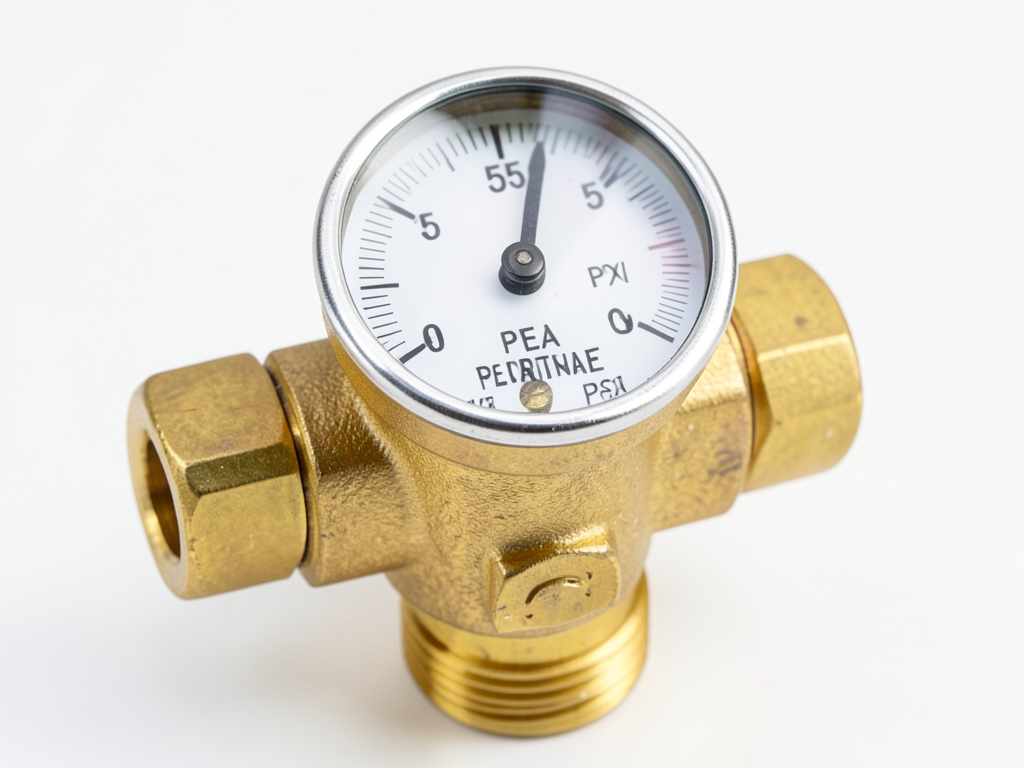
Why Your Forest Park Southeast Condo Needs a Water Pressure Regulator

Why Your Forest Park Southeast Condo Needs a Water Pressure Regulator Living in a Forest Park Southeast condo means enjoying…

The Best Way to Hide Exposed Plumbing in Your Soulard Loft

The Best Way to Hide Exposed Plumbing in Your Soulard Loft Exposed pipes in your Soulard loft can clash with…

Contact Us

Stop throwing money at temporary fixes. Call Peak Plumbing St. Louis at (314) 417-7677 for camera inspection and professional drain cleaning. We diagnose the real problem and fix it right the first time.