




Menu

Dripping Faucets & Leaks in St. Louis – Expert Diagnosis and Permanent Repair

Peak Plumbing St. Louis stops water waste and water damage with precision leak detection and professional faucet repair that addresses the root cause, not just the symptom.

Slider Image 1
Slider Image 2
Slider Image 3
Slider Image 4
Slider Image 5
Slider Image 7
Slider Image 8
Slider Image 9
Slider Image 10
Slider Image 11

Why That Constant Dripping Gets Worse in St. Louis Homes

You hear it at night. That rhythmic drip from the kitchen sink or bathroom faucet. You tighten the handle, but nothing changes. The leaking spigot keeps wasting water, and your frustration grows.

St. Louis water conditions accelerate faucet deterioration. The Mississippi River Basin feeds municipal water systems with moderate to high mineral content. Hard water deposits calcium and lime on internal valve seats, washers, and cartridges. Over time, these mineral buildups prevent proper sealing. A dripping tap that starts as an annoyance becomes a constant stream that ruins cabinet finishes and drives up water bills.

Winter freeze-thaw cycles compound the problem. When temperatures drop below freezing, even minor leaks allow water to expand inside valve bodies. The expansion cracks internal components. By spring, that occasional drip becomes a faucet water leak that requires immediate attention.

Older homes in neighborhoods like Tower Grove South, Soulard, and Lafayette Square feature original plumbing fixtures. These vintage faucets use compression valve technology prone to washer degradation. The rubber components dry out in St. Louis humidity swings. Each temperature shift accelerates material breakdown. What starts as a slow leak becomes a costly water waste problem that adds 10 to 15 gallons per day to your usage.

Ignoring a leaky faucet invites secondary damage. Persistent moisture creates mold growth under sinks. Cabinet wood swells and warps. Laminate countertops delaminate. The longer you wait, the more expensive the repair becomes. A simple washer replacement becomes a full fixture overhaul with cabinet restoration.

Why That Constant Dripping Gets Worse in St. Louis Homes
How We Diagnose and Repair Faucet Leaks the Right Way

How We Diagnose and Repair Faucet Leaks the Right Way

Most homeowners try to fix a dripping faucet with basic tools and YouTube videos. They replace a washer or tighten a packing nut. The leak stops temporarily, then returns within weeks. Why? Because they treat the symptom without diagnosing the underlying cause.

Peak Plumbing St. Louis uses a systematic diagnostic approach. We first identify the faucet type: compression, cartridge, ball, or ceramic disk. Each design requires different repair techniques. We disassemble the valve assembly to inspect every component for mineral buildup, corrosion, worn seals, and damaged valve seats.

Hard water damage requires more than washer replacement. We resurface pitted valve seats using precision seat dressing tools. This process creates a smooth, flat surface that allows rubber washers to seal properly. If the seat damage is too severe, we replace the entire valve body.

Cartridge faucets need proper cartridge orientation. Many DIY repairs fail because the replacement cartridge sits rotated 180 degrees. We verify hot and cold alignment before reassembly. We also check supply line shutoff valves for corrosion. A seized shutoff valve forces you to shut down water to the entire home for future repairs.

Ball-type faucets require cam, seat, and spring replacement as a matched set. Replacing one component without the others guarantees failure. We use OEM parts specific to your faucet manufacturer. Aftermarket kits use inferior materials that fail within months.

Ceramic disk faucets rarely leak from the cartridge itself. The leak usually comes from deteriorated inlet seals or sediment trapped under the disk plates. We flush the valve body, replace all seals, and verify proper cartridge seating. This approach delivers a permanent fix, not a temporary patch.

What Happens When You Call Us About Your Leaking Faucet

Dripping Faucets & Leaks in St. Louis – Expert Diagnosis and Permanent Repair
01

Initial Phone Assessment

When you call, we ask specific questions to understand the leak severity and fixture type. We need to know if the leak occurs during use, when the faucet is off, or both. This information tells us whether you need a simple washer replacement or a full cartridge swap. We also ask about your home's age and water pressure, which helps us arrive prepared with the correct tools and common replacement parts for St. Louis plumbing systems.
02

On-Site Diagnosis

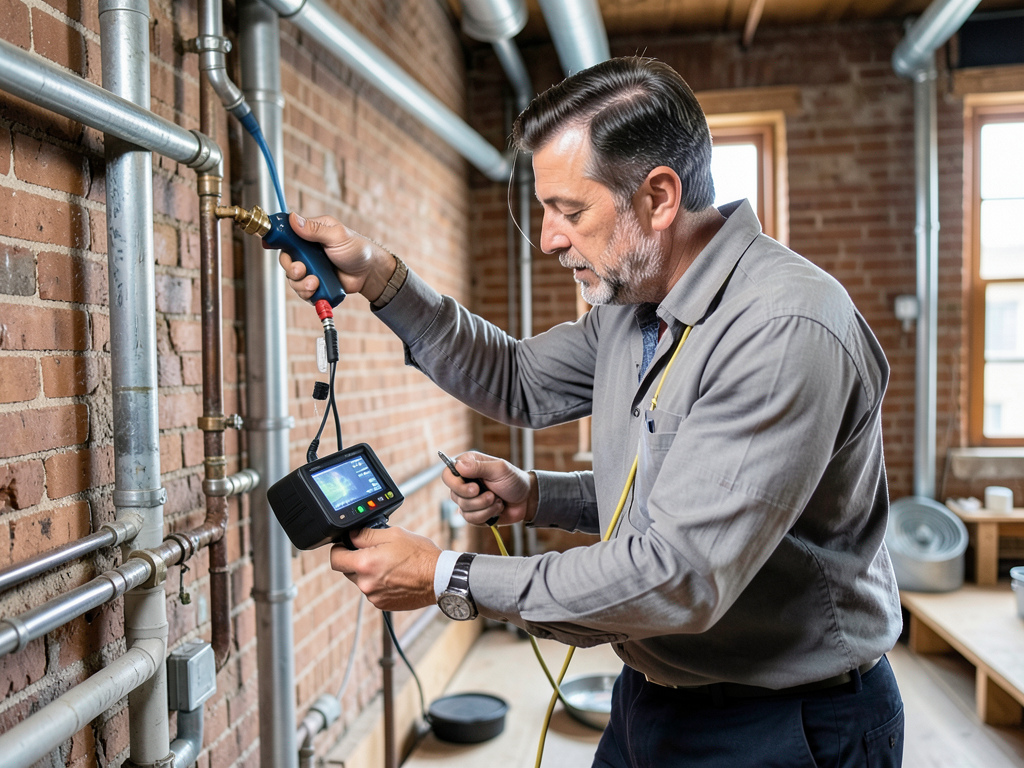
Our technician inspects the entire faucet assembly, including supply lines, shutoff valves, and mounting hardware. We test water pressure at the fixture to rule out pressure-related causes. We disassemble the valve to examine internal components for mineral deposits, worn washers, damaged O-rings, and corroded valve seats. We verify that the leak originates from the faucet and not from a loose supply line connection or deteriorated tailpiece gasket underneath the sink.
03

Repair and Testing

We complete the repair using manufacturer-specific parts or precision-machined universal components designed for long-term durability. After reassembly, we test the faucet through multiple cycles, verify hot and cold alignment, and check for leaks at all connection points. We clean the work area, dispose of old components, and walk you through what we fixed and why. You get a faucet that works correctly and stays leak-free for years.

Why St. Louis Homeowners Trust Peak Plumbing for Faucet Repairs

St. Louis plumbing presents unique challenges that out-of-town companies do not understand. Our technicians work daily with the mineral-heavy water from the Mississippi River Basin. We know which faucet components fail first under these conditions. We stock parts for the specific faucet brands common in St. Louis homes built from the 1920s through today.

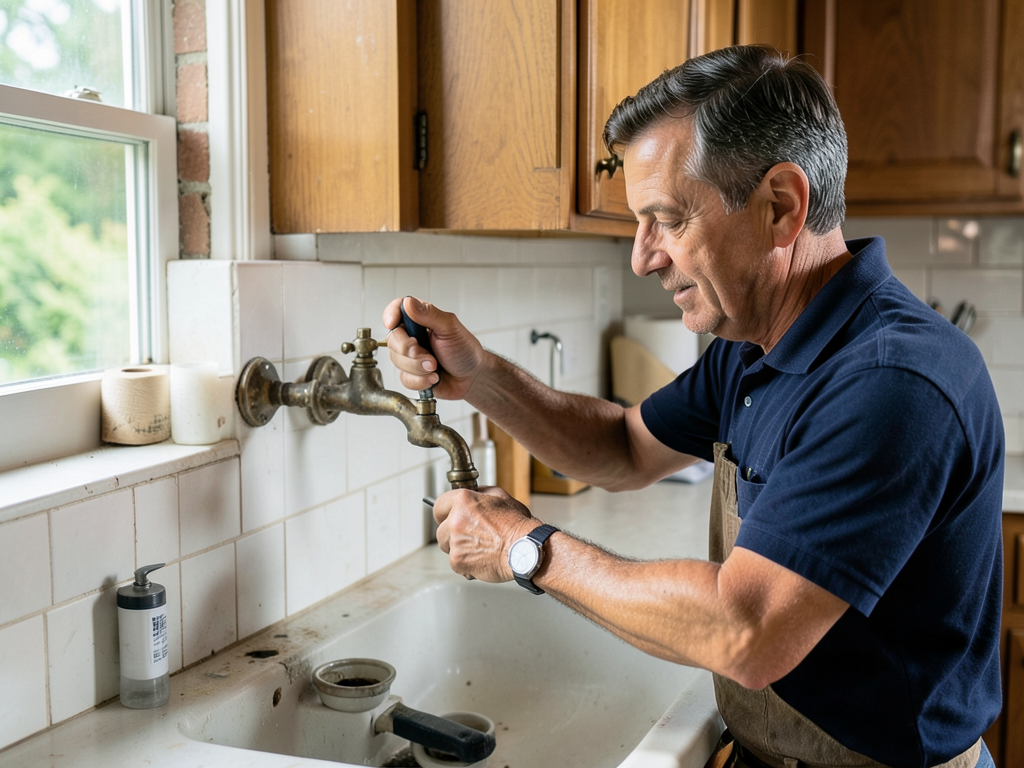
Homes in the Central West End, Dogtown, and The Hill feature vintage fixtures that require specialized knowledge. We repair original chrome compression faucets, bridge-style kitchen faucets, and separate hot-cold handle configurations that modern plumbers often recommend replacing. We preserve your home's character while restoring full functionality.

St. Louis building codes require specific backflow prevention on certain fixture types. We ensure every repair meets current code requirements, even on older installations. This compliance protects your water quality and prevents costly violations during home sales or rental inspections.

Our familiarity with local water pressure variations matters. Homes near the base of water towers in South City experience higher pressure that accelerates washer wear. Homes at the end of distribution lines in County areas deal with lower pressure that masks slow leaks. We adjust our diagnostic approach based on your neighborhood's water delivery infrastructure.

We also understand seasonal patterns. Spring thaw reveals leaks that developed during winter freezes. Summer heat expands valve bodies and changes seal tolerances. Fall brings mineral buildup from increased water treatment. We factor these seasonal variables into every repair recommendation.

Peak Plumbing St. Louis operates with full licensing and liability coverage specific to Missouri plumbing requirements. We pull permits when code requires them. We document repairs for your home maintenance records. You get professional service that protects your investment.

What You Can Expect from Start to Finish

Fast Response Times

Most faucet leak repairs happen within 24 hours of your call. We maintain service routes throughout St. Louis City and County, which allows us to reach you quickly without the delays common with dispatch-based companies. Emergency leaks that threaten property damage get same-day priority. We arrive in a clearly marked vehicle with a fully stocked parts inventory, so we complete most repairs in a single visit. You spend less time waiting and more time enjoying a properly functioning faucet.

Thorough Leak Diagnosis

We do not guess. Our diagnostic process identifies the exact failure point through systematic disassembly and inspection. We check valve seats for pitting, measure stem wear, inspect cartridge alignment, and test supply line integrity. If your faucet leak stems from a cracked valve body or corroded mounting shank, we identify that before attempting a repair. This approach prevents wasted money on parts that will not solve the problem. You get an accurate assessment and a repair plan that addresses the actual cause.

Permanent Repair Results

Our repairs eliminate leaks for years, not months. We use OEM parts when available or precision aftermarket components with proven durability in hard water conditions. We resurface valve seats to factory specifications, ensuring proper seal contact. We test the repair under full operating pressure before we leave. You receive a detailed explanation of what we fixed and why the leak occurred. Your faucet operates smoothly, shuts off completely, and delivers consistent water flow without drips, seeps, or spray leaks at the base.

Ongoing Maintenance Support

After we repair your faucet, we provide guidance on extending its lifespan. We explain how to clean aerators, when to service cartridges, and how to recognize early warning signs of future problems. If you prefer professional maintenance, we offer scheduled service visits to inspect all plumbing fixtures and address minor issues before they become expensive repairs. We also maintain service records for your home, which helps us track patterns and recommend proactive upgrades when your fixtures reach end-of-life.

Frequently Asked Questions

You Have Questions,
We Have Answers

How do I get my faucet to stop dripping? +

Turn off the water supply under the sink. Remove the faucet handle by unscrewing the cap and screw beneath it. Pull out the cartridge or stem assembly and inspect the rubber washer or O-ring at the bottom. Replace worn parts with exact matches from a hardware store. Reassemble the faucet and turn the water back on. If the drip persists, the valve seat may be corroded or the cartridge damaged. St. Louis homes with older fixtures often face mineral buildup from hard water, which accelerates wear on internal components.

What is the most common cause of a dripping faucet? +

A worn-out washer or O-ring causes most dripping faucets. These rubber seals sit against the valve seat to stop water flow. Constant friction wears them down over time. Compression faucets rely heavily on washers, while cartridge and ceramic disk faucets use O-rings. St. Louis water contains moderate mineral content that speeds up deterioration. You may also see corrosion on the valve seat itself, which prevents a tight seal even with new washers. Sediment buildup from aging pipes in historic St. Louis neighborhoods compounds the problem.

Is a dripping faucet considered a leak? +

Yes. A dripping faucet is a leak. It wastes water continuously, even if the volume seems small. One faucet dripping once per second wastes over 3,000 gallons annually. That directly impacts your water bill. In St. Louis, where water and sewer rates have increased steadily, even minor leaks add up. Beyond cost, persistent drips signal worn internal parts that will worsen. Ignoring the problem leads to more expensive repairs later. Treat any drip as a legitimate plumbing issue that requires attention, whether through DIY repair or professional service.

Will dripping faucets keep pipes from bursting? +

Dripping faucets can help prevent frozen pipes during extreme cold, but this method wastes significant water and money. A slow trickle keeps water moving through the line, reducing freeze risk. St. Louis experiences occasional hard freezes in January and February, particularly in older homes without proper insulation. However, leaving faucets dripping all winter costs more than insulating exposed pipes correctly. Use pipe insulation and heat tape on vulnerable lines instead. Reserve the dripping method only for emergency situations during severe cold snaps when temperatures drop below 20 degrees.

Why does a faucet still drip when the water is turned off? +

When a faucet drips after you turn it off, the internal seal has failed. The washer, O-ring, or cartridge no longer creates a watertight barrier against the valve seat. Water pressure forces liquid past the damaged seal. In St. Louis homes, thermal expansion from hot water lines can worsen this issue. Hard water minerals corrode valve seats over time, creating grooves that prevent proper sealing. Sometimes the problem is simply overtightening, which deforms washers prematurely. The drip will continue until you replace the faulty component or resurface the valve seat.

What does spraying WD-40 in a faucet do? +

Spraying WD-40 in a faucet temporarily lubricates moving parts and may quiet squeaks, but it does not fix leaks. WD-40 is a solvent and light lubricant, not a plumbing repair solution. It can actually attract dirt and grime, creating more problems. For persistent drips, you need to replace worn washers, O-rings, or cartridges. St. Louis plumbers see DIY attempts with household products regularly. These shortcuts delay proper repair and sometimes damage internal components further. Use plumber's grease on reassembly after replacing parts, never penetrating oil as a fix.

Should I call a plumber for a dripping faucet? +

Call a plumber if you lack the tools, time, or confidence to diagnose the problem yourself. Complex faucets with ceramic disk valves or single-handle cartridges require specific replacement parts and expertise. If you attempted a repair and the drip persists, a corroded valve seat or deeper issue exists. St. Louis homes built before 1970 often have unique fixture configurations that complicate DIY work. A professional diagnoses the root cause quickly and carries the correct parts. For multiple leaking faucets, a systemic problem like high water pressure may need professional assessment and correction.

What is the dripping faucet theory? +

The dripping faucet theory in psychology describes how small, persistent irritations accumulate into significant stress over time. In plumbing terms, it illustrates how minor leaks compound into major problems. One drip seems harmless, but it wastes thousands of gallons annually and signals component failure. In St. Louis homes, especially older properties in neighborhoods like Soulard or Lafayette Square, ignoring small leaks leads to water damage, mold growth, and corroded fixtures. The theory reminds homeowners that addressing small issues promptly prevents larger, costlier failures down the line.

Can I fix a dripping tap myself? +

You can fix a dripping tap yourself if you have basic tools and patience. Compression faucets are the simplest, requiring only a wrench and replacement washers. Cartridge and ceramic disk faucets need specific replacement parts matched to your faucet model. Turn off the water supply first. Disassemble carefully, noting the order of parts. Replace worn components and reassemble. St. Louis homeowners with older fixtures may face corroded screws or mineral buildup that complicates removal. If parts are stuck or you cannot identify the faucet type, calling a plumber saves frustration and prevents accidental damage.

What is the average cost to fix a dripping faucet? +

Repairing a dripping faucet typically costs between the price of replacement parts for DIY work and a service call plus labor for professional help. Washers and O-rings cost just a few dollars at hardware stores. Cartridge replacements range higher depending on the faucet brand. Professional repair includes diagnostic time, parts, and labor. Costs vary based on faucet type, accessibility, and whether complications like corroded valve seats exist. St. Louis homes with vintage fixtures may need specialized parts or complete faucet replacement if discontinued models cannot be repaired effectively.

How St. Louis Water Quality Accelerates Faucet Wear and Leak Development

St. Louis water originates from the Missouri and Mississippi Rivers, then passes through extensive treatment and distribution systems before reaching your faucet. This process adds chlorine, fluoride, and pH-balancing chemicals that affect internal faucet components. The moderate hardness level deposits calcium and magnesium on valve seats and cartridge surfaces. Over time, these mineral layers prevent complete sealing. Even high-quality faucets develop leaks faster in St. Louis than in soft water regions. Regular maintenance extends faucet life, but water chemistry remains the primary factor in leak development across the metro area.

Peak Plumbing St. Louis technicians train specifically on local water conditions and their impact on residential plumbing systems. We understand which faucet brands and models perform best under St. Louis water chemistry. We stock repair parts for the fixtures most common in your neighborhood, whether you live in a historic brick home in Shaw or a 1990s ranch in West County. Our local focus means faster repairs, better parts availability, and service tailored to the specific challenges your plumbing faces every day.
Plumbing Services in The St. Louis Area

Peak Plumbing St. Louis is proud to serve the entire St. Louis metropolitan area and surrounding communities. Our dedicated team is strategically located to respond quickly to your residential and commercial plumbing needs. You can view our primary service area on the map below, but if you're located nearby and have a plumbing issue, don't hesitate to give us a call to see how we can assist you.

Address:
Peak Plumbing St. Louis, 4565 McRee Ave, St. Louis, MO, 63110

Additional Services We Offer

Our news updates

Latest Articles & News from The Blogs

Modernizing the Plumbing in a 100 Year Old Hyde Park Kitchen Hyde Park's historic charm comes with a unique plumbing…

Modernizing the Plumbing in a 100 Year Old Hyde Park Kitchen

Modernizing the Plumbing in a 100 Year Old Hyde Park Kitchen Hyde Park's historic charm comes with a unique plumbing…

Why Your Forest Park Southeast Condo Needs a Water Pressure Regulator

Why Your Forest Park Southeast Condo Needs a Water Pressure Regulator Living in a Forest Park Southeast condo means enjoying…

The Best Way to Hide Exposed Plumbing in Your Soulard Loft

The Best Way to Hide Exposed Plumbing in Your Soulard Loft Exposed pipes in your Soulard loft can clash with…

Contact Us

Call Peak Plumbing St. Louis at (314) 417-7677 right now to schedule your faucet leak repair. We arrive fast, diagnose accurately, and fix it permanently the first time.