Menu

Backflow Prevention & Testing in St. Louis | Certified Compliance Testing That Protects Your Water Supply

Peak Plumbing St. Louis delivers comprehensive backflow prevention testing and certification services that keep your drinking water safe and your property compliant with St. Louis County health regulations.

Slider Image 1
Slider Image 2
Slider Image 3
Slider Image 4
Slider Image 5
Slider Image 7
Slider Image 8
Slider Image 9
Slider Image 10
Slider Image 11

Why St. Louis Properties Face Unique Backflow Risks

St. Louis's aging infrastructure and variable water pressure create the perfect conditions for backflow contamination. When the city opens hydrants for street cleaning or when water mains break during freeze-thaw cycles, the sudden pressure drop can pull contaminated water backward into your clean supply.

This is not a theoretical risk. St. Louis sits at the confluence of the Mississippi and Missouri Rivers, meaning our municipal water system serves properties at varying elevations. Gravity and pressure fluctuations make backflow assembly testing essential protection for your drinking water.

The consequences of backflow go beyond bad taste. Contaminated water can carry fertilizers from lawn irrigation systems, chemicals from industrial processes, or sewage from malfunctioning plumbing. Once contamination enters your lines, it spreads throughout your building.

St. Louis County requires annual backflow certification for commercial properties and any residence with irrigation systems, fire sprinklers, or commercial-grade plumbing fixtures. The health department does not grant extensions. Miss your compliance deadline, and you face fines or service disconnection.

Most property owners discover they need backflow device testing when they receive a violation notice. You should not wait until then. Backflow preventer inspection catches valve wear, spring failure, and seal degradation before they create health hazards or compliance problems.

The Mississippi River Valley's high humidity accelerates corrosion on backflow assemblies. Components that last 10 years in dry climates fail in five here. Regular testing identifies these failures early.

Why St. Louis Properties Face Unique Backflow Risks
How Professional Backflow Testing Protects Your Water Quality

How Professional Backflow Testing Protects Your Water Quality

Backflow prevention compliance requires more than checking a valve once a year. Proper testing involves pressure measurements, valve function verification, and documentation that meets St. Louis County health code standards.

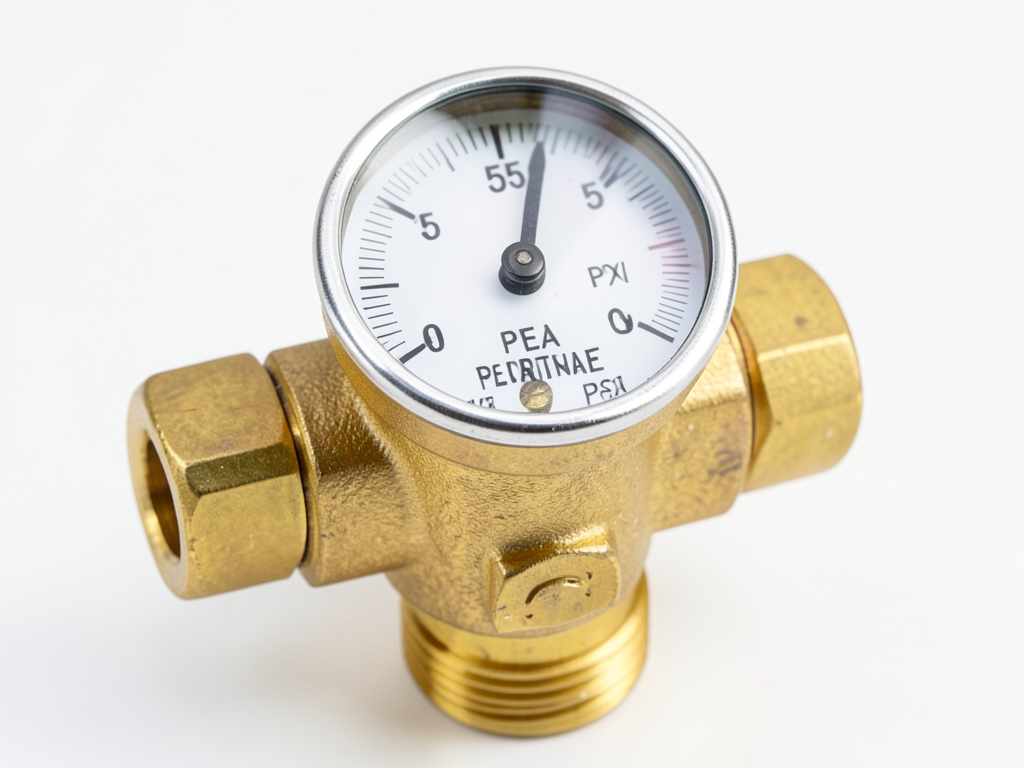
We test each check valve independently using calibrated gauge assemblies. The first check valve must hold against 2 PSI of downstream pressure. The second check valve serves as redundant protection. Both must seal completely, or the entire assembly fails certification.

The relief valve gets tested separately. This component protects your backflow preventer from overpressure damage. If it opens at the wrong pressure point, it compromises the entire assembly's protection capacity.

Peak Plumbing St. Louis uses digital test equipment calibrated to state standards. Analog gauges drift over time and produce unreliable readings. Digital equipment gives you accurate measurements and creates documentation the health department accepts without question.

After testing, we file your backflow prevention compliance paperwork directly with St. Louis County. You receive a dated certificate proving your assembly passed inspection. This certificate must stay on file for health department audits.

When an assembly fails testing, we explain exactly which component caused the failure. Sometimes a simple valve rebuild restores function. Other times, mineral buildup from St. Louis's hard water requires complete assembly replacement.

We carry replacement parts for all major backflow preventer models. Watts, Wilkins, Ames, and Febco assemblies get same-day repairs when parts are available. You do not lose compliance time waiting for components to ship.

Testing takes 30 to 45 minutes per assembly. We schedule appointments during your normal business hours and coordinate with property managers to minimize disruption.


What Happens During Your Backflow Assembly Testing

Backflow Prevention & Testing in St. Louis | Certified Compliance Testing That Protects Your Water Supply
01

Assembly Location and Inspection

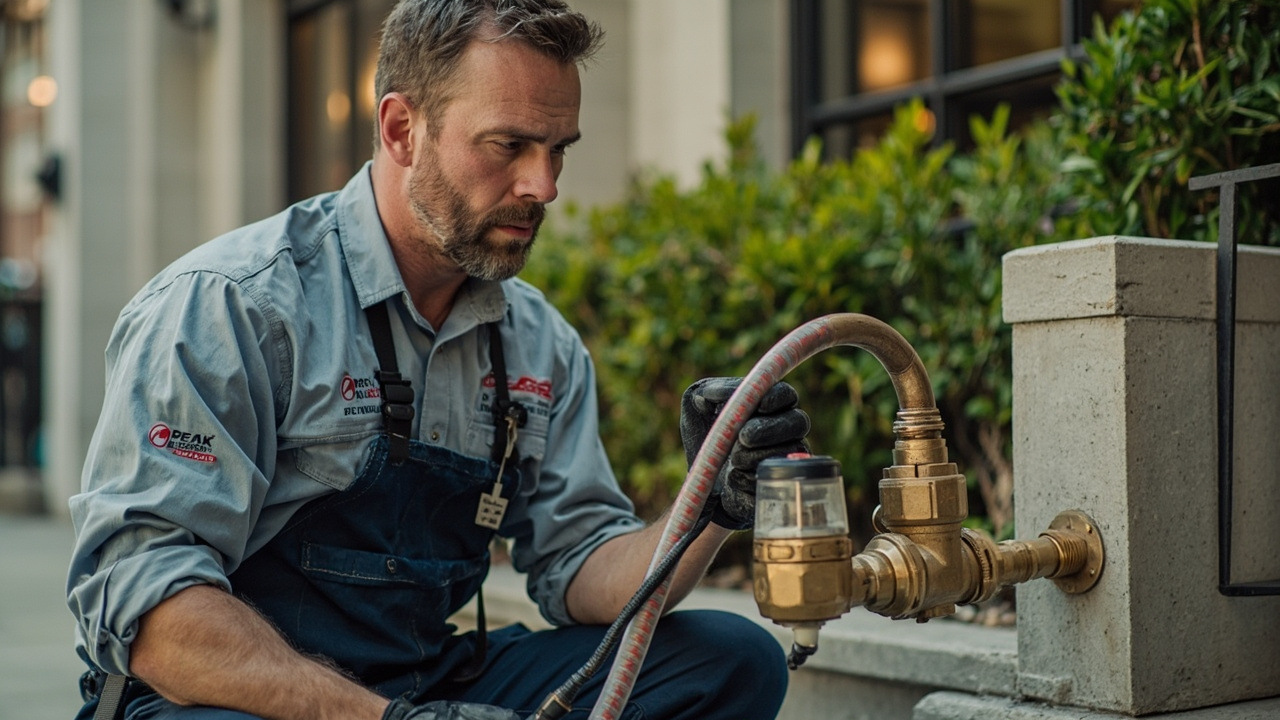
We locate your backflow preventer and verify it matches county records. Many properties have multiple assemblies serving different systems. We inspect the installation for proper clearance, drainage, and accessibility. Assemblies installed too close to walls or buried underground cannot be tested properly. We document the serial number, manufacturer, and model for compliance records.
02

Pressure Testing and Valve Function

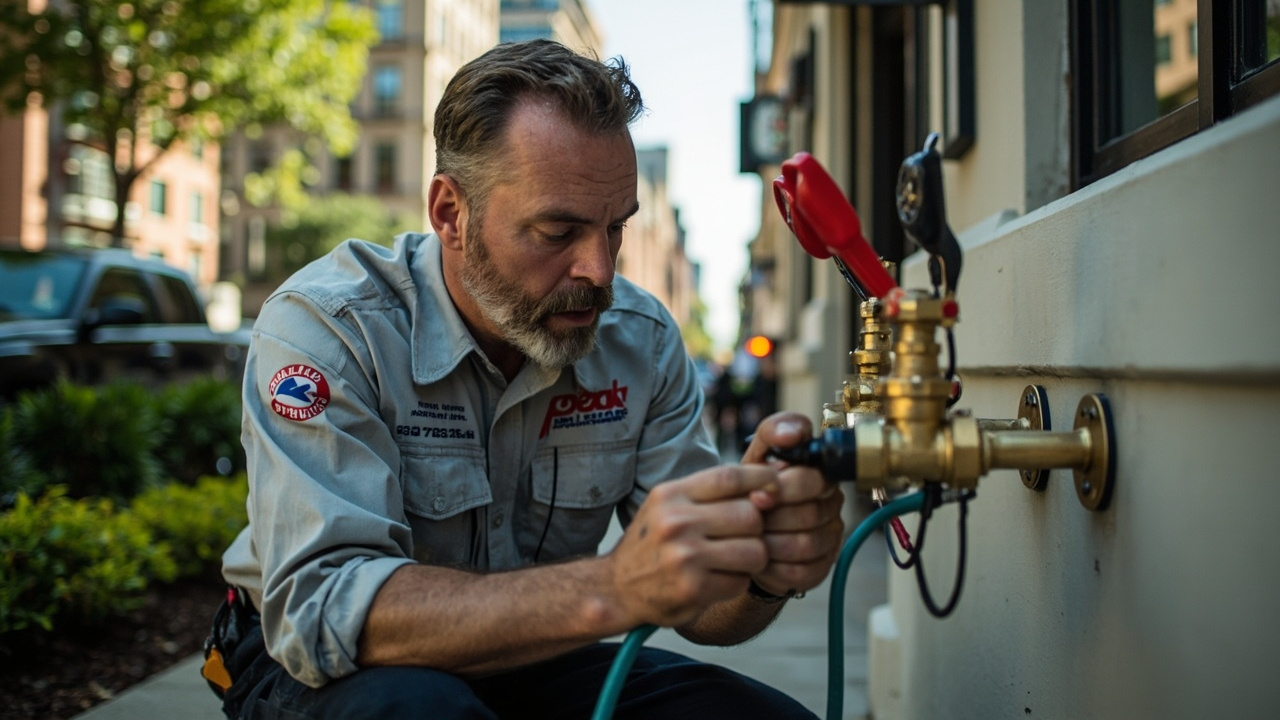
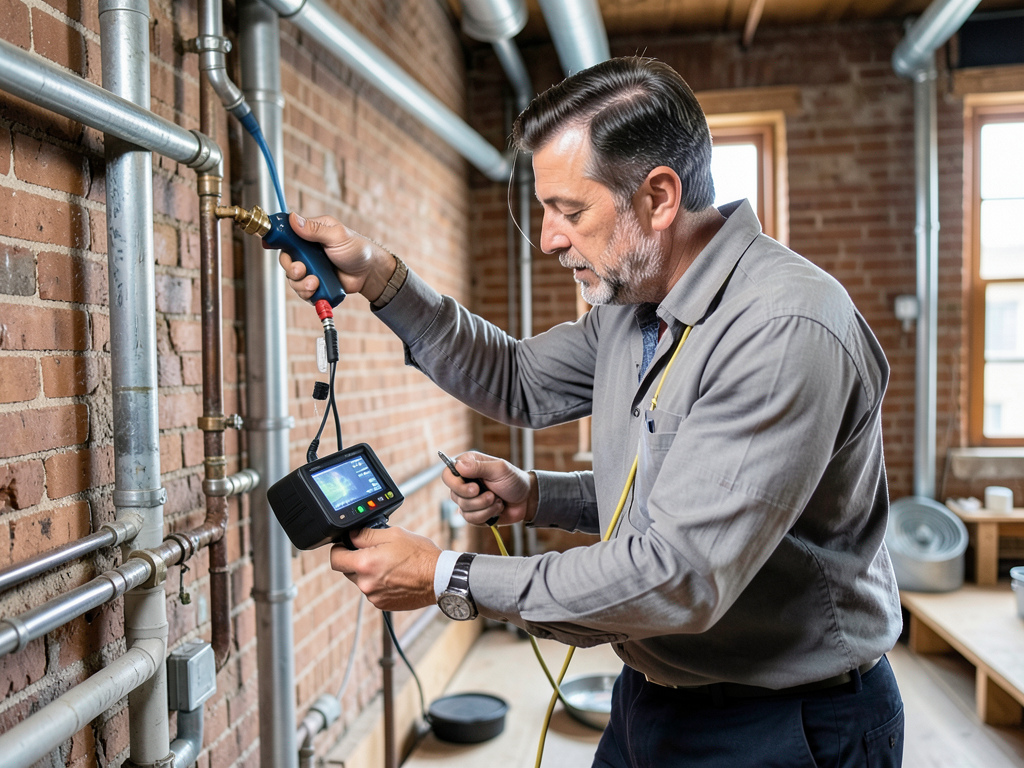
We attach calibrated test equipment to the assembly's test cocks and measure pressure differentials across each check valve. The relief valve gets tested under controlled pressure to verify it opens and closes at the correct thresholds. Each component must meet specific performance standards. We record all measurements on your certification form. Any valve that fails to hold pressure or opens at the wrong point triggers a failure notation.
03

Certification and County Filing

After testing, we complete your official certification form and submit it to the St. Louis County health department. You receive a copy for your records within 24 hours. If your assembly failed testing, we provide a detailed repair estimate and explain your options. Failed assemblies must be repaired and retested before the county grants compliance status. We handle the entire documentation process so you never risk missing deadlines.

Why St. Louis Property Owners Choose Peak Plumbing for Backflow Certification

St. Louis County maintains strict standards for backflow testing certification. Only licensed testers with current credentials can submit valid compliance paperwork. Our technicians hold active certifications through the American Backflow Prevention Association and renew them annually.

We understand St. Louis's specific compliance requirements because we work with the county health department regularly. Different municipalities within the metro area have different filing procedures. St. Louis County uses one system, St. Louis City uses another, and St. Charles County has its own requirements. We know which forms go where and how to prevent processing delays.

Peak Plumbing St. Louis maintains digital records of every test we perform. When you need proof of compliance for a building sale, insurance audit, or health department inquiry, we retrieve your documentation immediately. Paper records get lost. Digital archives do not.

Many property owners discover their backflow preventer needs testing when they receive a violation notice. These notices include deadlines. Miss the deadline, and the county can disconnect your water service. We offer priority scheduling for properties facing compliance deadlines. In most cases, we can test and file your paperwork within 48 hours.

Our service vehicles carry the most common backflow preventer repair parts. When testing reveals a failed valve, we can often complete repairs the same day. You do not lose weeks waiting for parts to arrive or for a second appointment to get scheduled.

We serve both residential and commercial properties throughout the St. Louis metro area. Residential irrigation systems, commercial kitchens, medical facilities, and industrial plants all require backflow prevention. We have the equipment and expertise to test assemblies from half-inch residential units to six-inch commercial installations.

What to Expect from Your Backflow Testing Appointment

Same-Week Scheduling for Most Properties

We schedule backflow assembly testing appointments within three to five business days for routine compliance testing. Properties with urgent deadlines or health department violations get priority placement, often within 24 hours. Testing appointments take 30 to 45 minutes per assembly. We work around your business hours and coordinate with property managers to minimize disruption. You do not need to close your business or evacuate tenants. Our technicians work efficiently and clean up completely before leaving.

Thorough Testing with Calibrated Equipment

We use digital pressure gauges calibrated to state standards and verified annually by certified testing labs. Each test follows the exact sequence required by St. Louis County health codes. We measure pressure differentials across both check valves, verify relief valve operation, and inspect all test cocks for leaks or damage. You receive detailed documentation showing every measurement we recorded. This transparency protects you during audits and proves your assembly received legitimate testing, not just a visual inspection and rubber stamp.

Certified Compliance or Clear Repair Guidance

Assemblies that pass testing receive immediate certification. We file your paperwork with the county within 24 hours and provide you a dated certificate for your records. Assemblies that fail testing get a detailed explanation of which component caused the failure and what repair will restore compliance. We provide upfront pricing for all repairs and complete most repairs the same day using parts we stock on our service vehicles. You never wonder what went wrong or what comes next.

Annual Reminders and Compliance Tracking

St. Louis County requires annual backflow device testing. We track your compliance dates and send reminders 30 days before your next test comes due. You never risk missing a deadline or receiving a violation notice. Our digital records system maintains your complete testing history, including past certifications, repair records, and assembly specifications. When you sell your property or face an insurance audit, we provide documentation immediately. This service costs you nothing and eliminates the stress of tracking compliance deadlines yourself.

Frequently Asked Questions

You Have Questions,
We Have Answers

What is backflow prevention testing? +

Backflow prevention testing checks whether your backflow preventer is stopping contaminated water from reversing direction and entering St. Louis's clean water supply. A certified tester uses gauges to measure pressure differentials across check valves and relief valves inside the device. The test confirms each component seals properly under varying pressure conditions. Missouri American Water and local municipalities require annual testing to protect public health. Backflow can introduce fertilizers, pesticides, or sewage into drinking water. The test takes 15 to 30 minutes and generates a compliance report filed with your water supplier.

How often does a backflow preventer need to be tested? +

St. Louis requires backflow preventer testing once per year. Missouri American Water and the Metropolitan St. Louis Sewer District mandate annual certification for most commercial properties and any residential system with irrigation, fire suppression, or auxiliary water sources. You receive a testing notice approximately 30 days before your due date. Testing must be completed by a state-certified backflow tester. Missing your deadline can result in water service interruption or fines. High-risk facilities like hospitals or food processing plants may require more frequent testing based on local health department rules.

Is backflow testing really necessary? +

Yes. Backflow testing is legally required and protects St. Louis's drinking water from contamination. A malfunctioning backflow preventer allows dirty water to reverse into the municipal supply during pressure drops caused by water main breaks, firefighting operations, or pump failures. These events happen regularly across the metro area. Without testing, you cannot verify your device works. St. Louis water authorities enforce compliance through service shutoffs and penalties. The test confirms your system protects both your property and your neighbors. It is not optional for any property with a backflow assembly.

Can I test my own backflow preventer? +

No. Missouri requires backflow preventer testing by a state-certified tester. Certification demands specialized training, annual renewal, and calibrated test equipment inspected yearly. DIY testing is illegal and creates liability if contamination occurs. The tester must file official results with your water supplier through the Missouri Department of Natural Resources database. Improper testing voids your compliance and can shut off your water service. Even licensed plumbers cannot test backflow devices without separate certification. Hire a certified professional to protect your property and stay compliant with St. Louis water regulations.

Do all plumbers do backflow testing? +

No. Backflow testing requires separate state certification beyond a standard plumbing license. Many plumbers do not pursue this credential. A certified backflow tester completes Missouri-approved training and maintains calibrated gauge kits inspected annually. The certification process is rigorous and distinct from general plumbing work. Some plumbing companies employ certified testers on staff, but many do not. Always verify certification before hiring. In St. Louis, you need a tester registered with the Missouri Department of Natural Resources who can file your compliance report directly with your water provider.

What happens if I don't do backflow testing? +

Skipping backflow testing triggers water service shutoff in St. Louis. Missouri American Water and local municipalities send violation notices after your deadline passes. Continued noncompliance results in disconnection until you provide a passing test report. You may face reconnection fees and fines. More critically, an untested backflow preventer can fail without warning. A failed device allows contaminated water to pollute the public supply during pressure fluctuations. You become liable for contamination incidents. St. Louis tracks compliance through a state database. Missing annual testing creates legal and financial risk you cannot afford.

How much does it cost to test a backflow preventer? +

Backflow testing in St. Louis typically costs between modest and moderate amounts depending on device complexity and property type. Simple residential assemblies cost less than commercial installations with multiple zones. Travel distance, device accessibility, and repairs needed after testing affect final pricing. Testing fees cover certified labor, calibrated equipment, and compliance reporting to your water supplier. Repair costs are separate if components fail during testing. Request quotes from certified testers before scheduling. Most companies offer competitive rates for straightforward tests. The investment is small compared to water shutoff fees or contamination liability.

Do all houses have backflow preventers? +

Not all houses have backflow preventers, but many in St. Louis do. You need one if you have underground irrigation, a fire sprinkler system, a swimming pool fill line, or any auxiliary water source. Homes built after certain code updates often have them installed at the water meter. Older properties without cross-connections may not require a device. Missouri American Water determines requirements based on your plumbing configuration. Commercial properties almost always need backflow prevention. Check your water meter area or irrigation system for a brass assembly with test cocks. Your water bill may indicate testing requirements.

What is the life expectancy of a backflow preventer? +

A properly maintained backflow preventer lasts 15 to 25 years in St. Louis. Lifespan depends on water quality, installation environment, and maintenance frequency. Hard water and sediment common in the metro area accelerate wear on check valves and seals. Annual testing catches component failures early, extending device life. Outdoor installations exposed to freeze-thaw cycles wear faster than indoor assemblies. Replace check valves and rubber components during routine service. Complete replacement becomes necessary when the body corrodes or repair costs exceed replacement value. Regular testing and minor repairs maximize your investment.

How long does a water backflow test take? +

A backflow test takes 15 to 30 minutes for a standard device. Simple residential assemblies with one zone test quickly. Large commercial systems with multiple backflow preventers or difficult access require longer. The tester connects gauges to test cocks, opens and closes valves in sequence, and records pressure readings at each checkpoint. If components fail, diagnosis and minor repairs add time. Severely corroded test cocks may need replacement before testing. Accessible devices in clear areas test fastest. Schedule sufficient time if your assembly is buried, in a cramped vault, or surrounded by landscaping.

How St. Louis Water Pressure Fluctuations Make Backflow Testing Critical

St. Louis's municipal water system serves properties across significant elevation changes from the riverfront to the western suburbs. When water mains break during winter freeze-thaw cycles or when the city opens hydrants for street cleaning, pressure drops create suction that pulls contaminated water backward into clean supply lines. The Mississippi River Valley's aging infrastructure makes pressure fluctuations more common here than in newer cities. Properties with irrigation systems face the highest risk because fertilizer and pesticide residue concentrate in sprinkler lines. Without functional backflow prevention, one pressure event can contaminate your entire building's water supply.

Plumbing Services in The St. Louis Area

Peak Plumbing St. Louis is proud to serve the entire St. Louis metropolitan area and surrounding communities. Our dedicated team is strategically located to respond quickly to your residential and commercial plumbing needs. You can view our primary service area on the map below, but if you're located nearby and have a plumbing issue, don't hesitate to give us a call to see how we can assist you.

Address:
Peak Plumbing St. Louis, 4565 McRee Ave, St. Louis, MO, 63110

Additional Services We Offer

Our news updates

Latest Articles & News from The Blogs

How to Stop Your Kirkwood Basement Bar Ejector Pump From Failing \n\n Your basement bar is the heart of your…

How to Stop Your Kirkwood Basement Bar Ejector Pump From Failing

How to Stop Your Kirkwood Basement Bar Ejector Pump From Failing \n\n Your basement bar is the heart of your…

Why a Pre-Listing Plumbing Inspection is Essential for Selling Your Huntleigh Home

Why a Pre-Listing Plumbing Inspection is Essential for Selling Your Huntleigh Home Selling a home in Huntleigh requires more than…

Why Your Spanish Lake Shower Has Terrible Water Pressure

Why Your Spanish Lake Shower Has Terrible Water Pressure Nothing ruins a morning like stepping into a shower that barely…

Contact Us

Do not wait for a violation notice. Call Peak Plumbing St. Louis at (314) 417-7677 to schedule your annual backflow certification. We file your compliance paperwork directly with the county and keep you protected year after year.