




Menu

Commercial Repiping Services in St. Louis – Industrial-Grade Solutions That Keep Your Business Running

Peak Plumbing St. Louis delivers complete commercial repiping services designed to minimize downtime, maintain water pressure across multi-story buildings, and ensure your plumbing infrastructure meets Missouri code requirements without disrupting daily operations.

Slider Image 1
Slider Image 2
Slider Image 3
Slider Image 4
Slider Image 5
Slider Image 7
Slider Image 8
Slider Image 9
Slider Image 10
Slider Image 11

Why St. Louis Commercial Buildings Face Unique Pipe Failure Risks

St. Louis's fluctuating freeze-thaw cycles destroy commercial plumbing systems faster than most business owners realize. When winter temperatures drop below freezing and spring brings rapid warming, the expansion and contraction of aging galvanized steel or copper pipes creates micro-fractures that compound each season. Add the Mississippi River Valley's naturally corrosive water chemistry, and you have a perfect storm for catastrophic pipe failure.

Your commercial building's plumbing system operates under completely different demands than residential properties. Multiple fixtures running simultaneously, higher static pressure requirements, and the liability exposure from tenant complaints or water damage create business risks you cannot afford to ignore. When pipes corrode from the inside out, you first notice discolored water at fixtures. Then pressure drops. Finally, you face burst pipes that flood tenant spaces, damage inventory, or shut down production lines.

The clay soil composition throughout St. Louis shifts during wet seasons, placing uneven stress on underground supply lines and waste pipes. Commercial pipe replacement becomes necessary when these environmental factors intersect with the building age common across Clayton, the Central West End, and downtown St. Louis. Buildings constructed before 1980 typically have galvanized steel that has reached end-of-life. Industrial repiping services become urgent when you discover pinhole leaks in multiple locations, signaling systemic corrosion.

Commercial building repiping protects your investment and prevents the cascading costs of emergency repairs during business hours. One failed pipe can force tenant evacuations, trigger insurance claims, and create code compliance issues that delay occupancy permits.

Why St. Louis Commercial Buildings Face Unique Pipe Failure Risks
How Commercial Plumbing Repipe Projects Actually Work

How Commercial Plumbing Repipe Projects Actually Work

Business pipe replacement starts with hydraulic load calculations. Peak Plumbing St. Louis engineers assess your building's fixture unit demand, identifies peak usage patterns, and sizes new distribution piping to handle simultaneous flow without pressure loss. We do not guess. We calculate friction loss through risers, account for elevation changes across floors, and design manifold systems that deliver consistent pressure to every tenant space.

Material selection matters for commercial applications. Type L copper offers durability for high-pressure mains, while cross-linked polyethylene provides flexibility for branch lines in retrofit applications. For buildings with aggressive water chemistry, we specify corrosion-resistant materials that extend service life beyond standard copper installations. Every joint gets brazed or compression-fitted to commercial standards that exceed residential-grade connections.

Our phased approach keeps your building operational. We isolate sections by floor or tenant suite, complete rough-in work during off-hours, and restore service before business opens. This sequencing requires precise coordination with property managers to maintain occupancy and revenue flow. We install temporary bypass lines when necessary to keep critical systems like fire suppression or HVAC operational during the transition.

Commercial repiping services include pressure testing every zone at 150 PSI for four hours before we close walls. This hydrostatic test identifies weak joints before they become your problem. We also conduct flow tests at fixtures to verify delivery rates meet design specifications. The engineering rigor separates professional industrial repiping services from shortcuts that cause callbacks and tenant complaints.

Documentation matters for building compliance. You receive as-built drawings showing exact pipe routing, valve locations, and shutoff points. This record becomes essential for future maintenance and satisfies commercial property disclosure requirements when you sell or refinance.

The Commercial Repipe Implementation Timeline

Commercial Repiping Services in St. Louis – Industrial-Grade Solutions That Keep Your Business Running
01

Infrastructure Assessment and Engineering

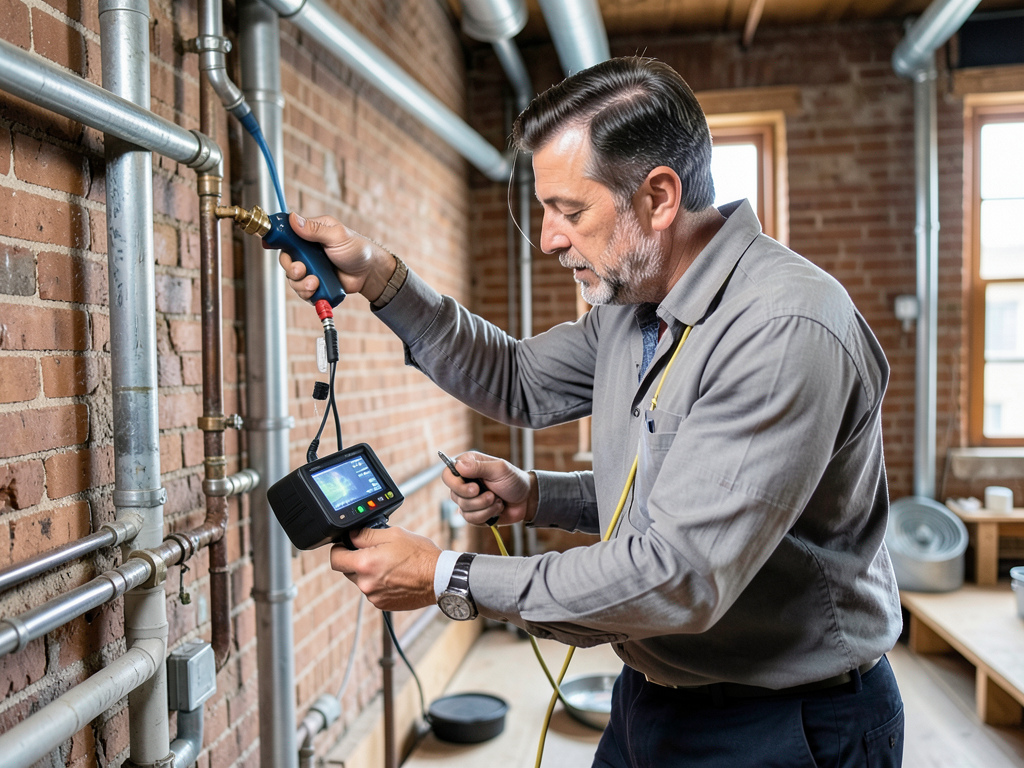
Our team conducts building walkthroughs to document existing pipe materials, trace distribution paths, and identify concealed risers. We pull permits through the City of St. Louis Building Division and coordinate inspections with your project timeline. Video camera inspections reveal interior pipe conditions without destructive investigation. You receive a detailed scope document with phasing options that align to your operational constraints and budget cycles.
02

Phased Installation and Testing

Crews begin rough-in work after business hours to minimize tenant disruption. We install new distribution mains, branch lines, and fixture risers according to engineered drawings. Each phase receives pressure testing before wall closure. Temporary water service maintains operations in unaffected zones. Our project manager coordinates with building security and provides daily progress updates. The installation progresses floor by floor or wing by wing based on your occupancy priorities.
03

Final Commissioning and Documentation

After installation, we flush the entire system to remove debris and conduct water quality testing at fixtures. The final inspection verifies code compliance for pressure-reducing valves, backflow prevention, and thermal expansion control. You receive operation manuals, valve schedules, and as-built drawings in both hard copy and digital formats. We train your maintenance staff on shutoff procedures and provide a system orientation that documents warranty coverage and maintenance recommendations.

Why St. Louis Property Managers Choose Peak Plumbing for Multi-Tenant Buildings

Commercial building repiping demands capacity that most residential plumbing contractors cannot deliver. Peak Plumbing St. Louis maintains the crew depth and specialized equipment to complete projects on compressed schedules without sacrificing quality. When you have tenants depending on water service and lease obligations to fulfill, you need a contractor who understands business continuity planning.

Our familiarity with St. Louis commercial building stock gives us insight into the construction methods used across different eras. Buildings in the Central Business District often have cast iron waste stacks and galvanized supply lines installed in shared chases. Historic structures along Washington Avenue require careful coordination with preservation guidelines. We have navigated the permitting requirements for buildings listed on the National Register and understand the approval process through the Cultural Resources Office.

The Missouri Plumbing Code requires specific backflow prevention devices for commercial properties based on hazard classification. We size and install reduced pressure zone assemblies that comply with Metropolitan St. Louis Sewer District cross-connection control standards. This attention to regulatory compliance protects your building from contamination liability and ensures you pass annual inspections without corrective notices.

Property managers value our transparent communication throughout the project cycle. You receive daily updates on work completion, upcoming shutdowns, and any field conditions that affect scope or schedule. We coordinate with your vendors when mechanical, electrical, or fire protection trades need access to the same areas. This integrated approach prevents conflicts that delay completion and frustrate tenants.

Our commercial clients include office buildings, retail centers, healthcare facilities, and industrial properties throughout the St. Louis metro. The repeat business comes from delivering projects that meet budget, stay on schedule, and provide reliable infrastructure for the next 50 years.

What You Get with Professional Commercial Repiping

Project Timeline and Scheduling Flexibility

Most commercial building repiping projects take three to eight weeks depending on square footage, tenant occupancy, and pipe accessibility. We create phased schedules that align to lease renewals or planned vacancies when possible. Night and weekend work options minimize business disruption for properties that cannot shut down during regular hours. You receive a detailed Gantt chart showing critical path activities and coordination points with other trades. Our project managers update timelines weekly as field conditions evolve and maintain buffer time for inspection approvals through the City of St. Louis.

Pre-Construction Engineering and Permit Coordination

The assessment phase includes hydraulic modeling to size piping for your actual demand loads, not outdated rule-of-thumb methods. We generate stamped engineering drawings when required by the building department for projects exceeding certain fixture counts or riser heights. Our permit runners handle submissions to the City of St. Louis Building Division and schedule required inspections at rough-in and final stages. You also receive coordination drawings showing pipe routing conflicts with HVAC ducts, electrical conduit, and structural elements before crews mobilize.

Long-Term Infrastructure Performance

Properly engineered commercial pipe replacement eliminates the pressure fluctuations and water quality complaints that plague buildings with deteriorated infrastructure. You gain consistent water delivery across all floors without the booster pumps that increase operating costs and maintenance requirements. The new distribution system handles thermal expansion through properly sized air chambers and expansion tanks that protect fixtures from water hammer. Tenants experience reliable service, and your maintenance team spends less time responding to plumbing complaints and emergency calls.

As-Built Documentation and Maintenance Support

After project completion, you receive comprehensive documentation including as-built drawings, material specifications, pressure test reports, and valve schedules. These records prove essential for future renovations and satisfy due diligence requirements during property sales. We provide maintenance recommendations specific to your installed materials and water chemistry conditions in St. Louis. The documentation package includes warranty information for materials and workmanship, giving you recourse if issues arise during the coverage period. Digital file delivery integrates with your property management systems for easy reference.

Frequently Asked Questions

You Have Questions,
We Have Answers

How much does it cost to repipe a 4000 square foot house? +

Commercial repiping costs for a 4,000-square-foot building depend on pipe material, building height, accessibility, and local code requirements. Copper typically costs more than PEX or CPVC. Multi-story structures increase labor complexity and expense. St. Louis buildings often require trench work through clay soil, which adds cost. Older buildings in historic districts may need specialized permits. You must factor in business downtime during installation. A full assessment includes water testing, pressure evaluation, and fixture count. Request detailed quotes from licensed contractors familiar with St. Louis commercial codes to understand true project scope and budget impact.

What does commercial plumbing mean? +

Commercial plumbing handles water supply, drainage, and gas systems for businesses, offices, retail spaces, restaurants, hospitals, and multi-tenant buildings. It differs from residential work in scale, complexity, and code requirements. Commercial systems manage higher water volume, require backflow prevention devices, and meet stricter health department standards. St. Louis commercial projects must comply with the International Plumbing Code and local amendments. Commercial plumbers handle grease traps, commercial water heaters, pressure-reducing valves, and fire suppression systems. The work demands knowledge of business continuity, liability management, and minimizing operational disruption during repairs or installations.

Does repiping lower insurance? +

Repiping can reduce insurance premiums by eliminating risks tied to aging pipes. Insurers often increase rates or deny coverage for buildings with galvanized steel or polybutylene pipes due to leak and water damage liability. Replacing old pipes with copper or PEX demonstrates proactive risk management. Submit documentation of your repipe to your carrier after completion. St. Louis commercial property owners may see premium reductions, but savings depend on your insurer, building age, and claim history. The reduction in liability exposure and potential claims often justifies the upfront investment beyond just premium savings.

What does repiping include? +

Repiping replaces your building's water distribution system from the main line to fixtures. The scope includes removing old pipes, installing new supply lines, pressure testing, reconnecting fixtures, and restoring walls or ceilings. Commercial projects often include upgrading shutoff valves, pressure regulators, and backflow preventers to meet current code. You may need temporary water service during installation to maintain operations. St. Louis projects require permits and inspections. The work does not typically include fixture replacement unless damaged during removal. A complete repipe addresses corrosion, low pressure, and contamination risks throughout your distribution system.

What is the most expensive plumbing job? +

Complete commercial repiping ranks among the most expensive plumbing work due to material costs, labor intensity, and business disruption. Large-scale sewer line replacement under buildings or parking lots also carries high costs. Water main replacement, especially in older St. Louis neighborhoods with deep clay trenching, demands specialized equipment and restoration. Elevator hydraulic system repairs in high-rises require technical expertise and downtime management. Hospital or lab plumbing with medical gas systems and specialty fixtures costs significantly more than standard commercial work. Project scale, accessibility, and operational continuity requirements drive final expense more than any single task.

Does insurance cover copper pipe replacement? +

Insurance coverage for copper pipe replacement depends on the cause of failure and your policy terms. Sudden pipe bursts from freezing or mechanical failure typically qualify for coverage. Gradual deterioration from corrosion or age usually does not. St. Louis freeze-thaw cycles can cause acute failures that meet coverage criteria. Review your policy's water damage exclusions and maintenance clauses. Commercial policies often require documented maintenance records to validate claims. Submit claims immediately after discovering leaks. Preventive replacement to avoid future damage rarely qualifies. Consult your agent about coverage specifics before filing claims or planning replacements.

Can a plumber make $100,000 a year? +

This question about plumber income does not apply to commercial repiping services for St. Louis businesses. Property managers and facility directors need information about contractor qualifications, project timelines, and system reliability. Commercial repiping focuses on minimizing operational downtime, meeting code compliance, and managing liability exposure. Your concern should center on contractor licensing, insurance coverage, and experience with commercial systems in St. Louis. A qualified commercial plumbing contractor provides detailed project plans, clear timelines, and coordination with your operations team to maintain business continuity during repiping work.

What's the highest level of plumber? +

This question about plumber rankings does not directly relate to commercial repiping decisions for St. Louis properties. Commercial facility managers should focus on contractor credentials specific to large-scale projects. Look for licensed master plumbers with commercial experience, proper insurance, and bonding. Verify familiarity with St. Louis building codes and the International Plumbing Code. Commercial repiping requires project management skills, coordination with operations teams, and understanding of business continuity needs. Check references from similar commercial projects. Contractor expertise with your building type matters more than individual certification levels when selecting a repiping partner.

Can you use PEX in commercial plumbing? +

PEX use in commercial plumbing depends on local code adoption and building type. The International Plumbing Code allows PEX for water distribution in many commercial applications. St. Louis inspectors permit PEX in office buildings, retail spaces, and some multi-family properties. Restrictions apply to exposed locations, recirculation lines, and buildings over certain heights. Hospitals and food service facilities may require copper due to health codes. PEX offers cost savings and faster installation than copper. Your project requires code review with your contractor and local inspectors before material selection. Commercial applications demand proper expansion fittings and pressure testing protocols.

What is the 80/20 rule in insurance? +

The 80/20 rule in property insurance requires the carrier to pay 80 percent and the policyholder 20 percent of covered losses, but this interpretation is incorrect. The actual 80 percent rule requires you to insure your building for at least 80 percent of its replacement value to avoid coinsurance penalties. If you underinsure, the carrier reduces claim payments proportionally. This affects commercial repiping claims after water damage. St. Louis property owners must maintain adequate coverage limits. Review your policy's coinsurance clause annually. Proper valuation ensures full claim payment when pipe failures cause damage requiring emergency repiping.

How St. Louis Water Chemistry Accelerates Commercial Pipe Corrosion

The Mississippi River Valley water supply in St. Louis contains elevated levels of dissolved minerals that create galvanic corrosion in mixed-metal plumbing systems. When older buildings combine galvanized steel risers with copper branch lines, the electrochemical reaction accelerates deterioration at connection points. The moderately hard water chemistry also promotes scale buildup inside pipes, reducing effective diameter and creating pressure loss across floors. Commercial buildings drawing from municipal supply see these effects amplified by higher flow volumes and longer run times compared to residential properties. Industrial repiping services become necessary when water testing reveals iron concentrations above acceptable levels or when pressure differentials between floors exceed design tolerances.

Peak Plumbing St. Louis maintains established relationships with commercial property managers throughout Clayton, the Central West End, and downtown. Our crews understand the unique challenges of working in occupied buildings where tenant satisfaction directly affects your occupancy rates and lease renewals. We carry commercial general liability coverage appropriate for multi-tenant properties and maintain the bonding capacity required for projects exceeding $500,000. The local expertise includes familiarity with St. Louis building inspectors and their interpretation of code requirements for fire-rated penetrations, seismic restraints, and backflow prevention in commercial applications.
Plumbing Services in The St. Louis Area

Peak Plumbing St. Louis is proud to serve the entire St. Louis metropolitan area and surrounding communities. Our dedicated team is strategically located to respond quickly to your residential and commercial plumbing needs. You can view our primary service area on the map below, but if you're located nearby and have a plumbing issue, don't hesitate to give us a call to see how we can assist you.

Address:
Peak Plumbing St. Louis, 4565 McRee Ave, St. Louis, MO, 63110

Additional Services We Offer

Our news updates

Latest Articles & News from The Blogs

How to Stop Your Kirkwood Basement Bar Ejector Pump From Failing \n\n Your basement bar is the heart of your…

How to Stop Your Kirkwood Basement Bar Ejector Pump From Failing

How to Stop Your Kirkwood Basement Bar Ejector Pump From Failing \n\n Your basement bar is the heart of your…

Why a Pre-Listing Plumbing Inspection is Essential for Selling Your Huntleigh Home

Why a Pre-Listing Plumbing Inspection is Essential for Selling Your Huntleigh Home Selling a home in Huntleigh requires more than…

Why Your Spanish Lake Shower Has Terrible Water Pressure

Why Your Spanish Lake Shower Has Terrible Water Pressure Nothing ruins a morning like stepping into a shower that barely…

Contact Us

Do not wait for catastrophic pipe failure to force emergency repiping at three times the planned cost. Call Peak Plumbing St. Louis at (314) 417-7677 for a comprehensive building assessment and engineered proposal that keeps your property operational throughout the project.