





Menu

Wet Spots in Yard in St. Louis – Get Expert Underground Leak Detection and Permanent Repair

Soggy patches in your lawn signal hidden water line damage beneath the surface. Peak Plumbing St. Louis uses advanced diagnostic equipment to pinpoint underground leaks and restore your yard without destructive excavation guesswork.

Slider Image 1
Slider Image 2
Slider Image 3
Slider Image 4
Slider Image 5
Slider Image 7
Slider Image 8
Slider Image 9
Slider Image 10
Slider Image 11

Why Your St. Louis Yard Stays Wet When It Hasn't Rained

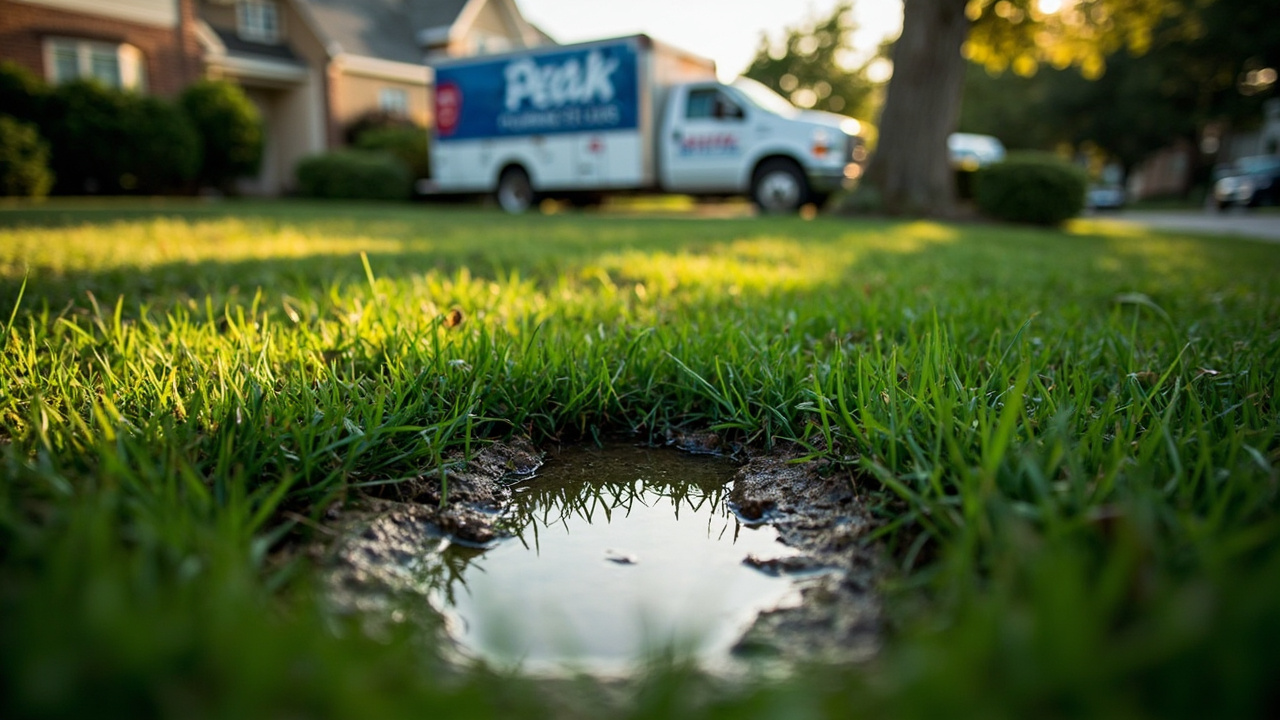
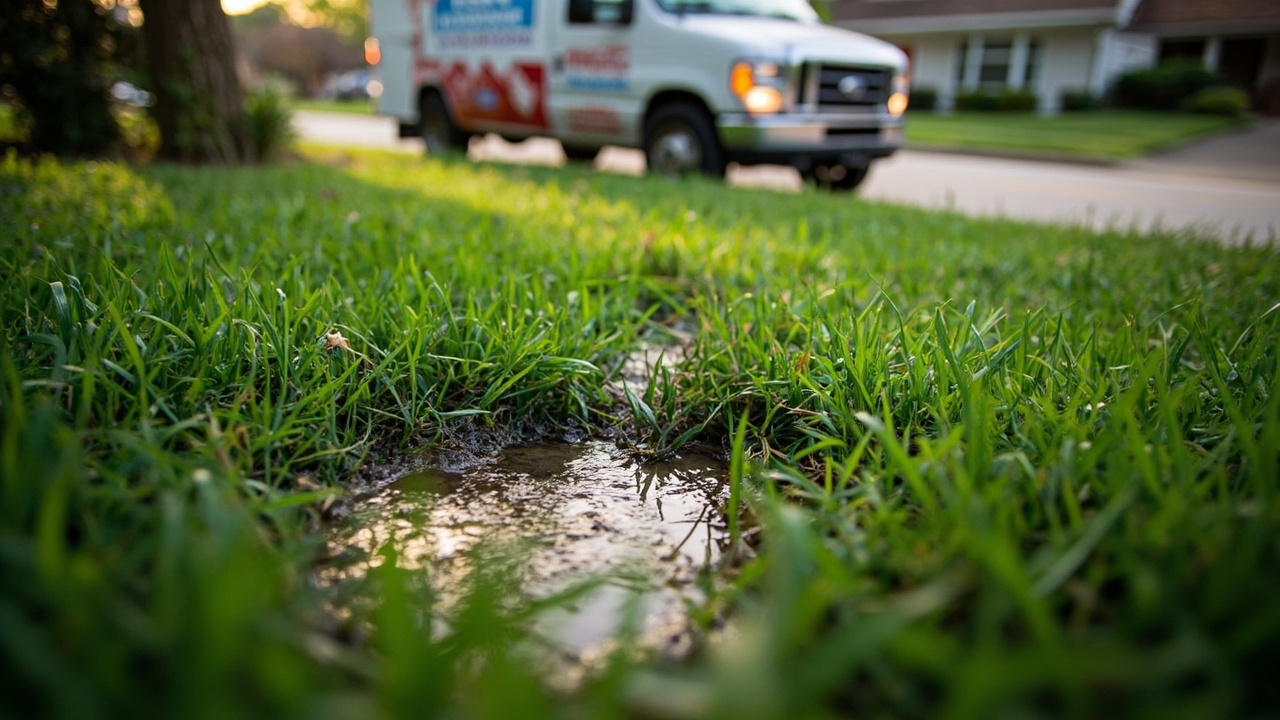
You walk across your lawn and your shoes sink into saturated areas in grass that never seem to dry out. The rest of your yard looks fine, but these damp spots in lawn stay mushy even during dry weeks. This is not a drainage problem. This is not overwatering. This is a hidden water line leak feeding water into your soil 24 hours a day.

St. Louis sits on clay-heavy soil that shifts with seasonal freeze-thaw cycles. When temperatures drop below freezing in winter and climb back up in spring, the ground expands and contracts. This movement puts stress on buried water lines, especially older galvanized steel or copper pipes installed before 1990. Over time, joints separate or pipe walls corrode through, releasing pressurized water into the soil above.

The result is unexplained standing water that appears in the same spot repeatedly. You might notice pooling water in yard areas near your foundation, along the path of your main water line, or around outdoor hose bibs. The grass stays greener in that spot because it gets constant irrigation. Meanwhile, your water bill climbs because hundreds of gallons escape underground every day.

Ignoring soggy patches in lawn leads to foundation settlement, sinkhole formation, and structural damage to your home. The longer water saturates the soil beneath your foundation, the more the clay softens and loses its load-bearing capacity. What starts as a wet patch becomes a costly foundation repair project if you wait too long.

Why Your St. Louis Yard Stays Wet When It Hasn't Rained
How We Find and Fix Underground Water Line Leaks

How We Find and Fix Underground Water Line Leaks

Most plumbing companies dig trenches across your yard hoping to find the leak. We use acoustic leak detection equipment and infrared thermal imaging to pinpoint the exact location before we break ground. This saves your landscaping and cuts repair time in half.

We start by isolating your main water line and pressurizing it with compressed air. Our acoustic sensors listen for the distinct hissing sound of air escaping through a compromised pipe section. This works even when the leak is six feet underground. We mark the spot with spray paint, then use thermal imaging to confirm by identifying temperature differentials in the soil where water flows.

Once we confirm the location, we excavate a small access pit directly above the damaged section. We expose the pipe, cut out the corroded or separated segment, and replace it with PEX tubing or copper pipe depending on your system configuration. PEX is flexible and resistant to freeze damage, which makes it ideal for St. Louis soil conditions.

After we install the new section, we pressure test the repair to 150 PSI to verify there are no weak points or additional leaks downstream. We backfill the pit with compacted soil in layers to prevent settling, then restore your grass with sod or seed depending on the season.

The entire process typically takes four to six hours for a single leak location. If we discover multiple compromised sections during testing, we recommend full water line replacement to prevent repeated failures and additional yard damage.

What Happens During Your Underground Leak Inspection

Wet Spots in Yard in St. Louis – Get Expert Underground Leak Detection and Permanent Repair
01

Initial Diagnostic Testing

We shut off your main water supply and attach acoustic sensors to exposed pipe sections in your basement or crawlspace. We pressurize the line with air and listen for leak signatures while walking your property with handheld detection equipment. This reveals whether you have one isolated failure or multiple weak points along your water line.
02

Precision Location Mapping

Once we identify a leak signature, we use ground-penetrating radar and thermal imaging to confirm depth and exact position. We mark the location with flags and explain what we found before excavation begins. You see the evidence on our equipment screens, so there is no guesswork about what caused your wet spots.
03

Surgical Repair and Restoration

We dig a compact access trench, replace the damaged pipe section, and backfill with engineered soil to prevent future settling. We test water pressure, check for additional leaks, and restore your grass before we leave. Most repairs heal completely within two weeks, and your yard returns to normal drainage patterns within 30 days once the soil stabilizes.

Why St. Louis Homeowners Trust Peak Plumbing for Underground Leak Repair

Most plumbers quote you for a full water line replacement because they lack the equipment to isolate individual leaks. We invest in technology that saves you money by repairing only the damaged section when possible.

Our technicians understand how St. Louis clay soil behaves during wet and dry seasons. We know that improperly compacted backfill creates voids that collapse under weight, leaving depressions in your lawn. We compact soil in eight-inch lifts using mechanical tampers, not shovels. This prevents settling and ensures your yard looks the same three months after repair.

We also recognize that older homes in neighborhoods like Shaw, Tower Grove South, and Benton Park often have galvanized steel water lines installed in the 1940s and 1950s. These pipes corrode from the inside out, and you will see multiple failures over time. When we find advanced corrosion during leak repair, we recommend full replacement before you waste money on repeated patch jobs.

Peak Plumbing St. Louis operates under the same plumbing code requirements as the City of St. Louis and St. Louis County building departments. We pull permits for main water line replacements, which means your repair meets inspection standards. This protects your home value and prevents issues during future real estate transactions.

We also coordinate with MSD (Metropolitan St. Louis Sewer District) regulations when repairs occur near lateral sewer lines or public easements. If your wet spot sits above a shared utility corridor, we notify the appropriate agencies and follow excavation protocols to avoid damaging adjacent infrastructure.

You get accurate diagnostics, surgical repairs, and realistic advice about whether you need a patch or a full replacement. No upselling. No unnecessary excavation. Just honest service from plumbers who live and work in the same neighborhoods you do.

What to Expect During Underground Leak Detection and Repair

Response Time and Scheduling

We schedule leak detection inspections within 24 to 48 hours of your call. If your wet spot is causing foundation damage or creating a sinkhole hazard, we prioritize emergency response and arrive the same day. Diagnostic testing takes one to two hours. Simple repairs finish the same day. Complex jobs requiring extensive excavation or full line replacement may take two to three days depending on pipe depth and yard access.

Diagnostic Process and Equipment

We use acoustic leak detection, thermal imaging, and pressure testing to locate leaks without digging exploratory trenches. You see the results in real time on our equipment screens. We explain what we found, why it failed, and what repair options make sense for your situation. If we recommend full water line replacement, we show you the evidence of widespread corrosion or multiple failure points before you commit to the larger project.

Repair Quality and Materials

We use PEX tubing or Type L copper pipe for underground water line repairs. PEX resists freeze damage and lasts 50 years in St. Louis soil conditions. Copper lasts even longer but costs more and requires skilled soldering at each joint. We install brass compression fittings and stainless steel clamps rated for buried applications. All repairs meet or exceed local plumbing code standards. Your wet spots dry out within 48 hours once the leak stops feeding water into the soil.

Post-Repair Monitoring and Guarantees

We pressure test every repair to 150 PSI before backfilling the trench. We leave the site clean with compacted soil and temporary grass seed or sod depending on the season. We ask you to monitor the area for two weeks and call us immediately if the wet spot returns. If the same section fails again due to workmanship issues, we return and repair it at no charge. We do not offer warranties on pipe sections we did not replace.

Frequently Asked Questions

You Have Questions,
We Have Answers

How do I fix a wet spot in my yard? +

Start by identifying the source. Check for broken sprinkler lines, leaking outdoor faucets, or underground pipe breaks. In St. Louis, heavy clay soil holds water and worsens drainage issues. If the wet spot persists after dry weather, you likely have a plumbing leak. Turn off all water inside and check your meter. If it still moves, you have a leak. For surface water problems, regrade the area to slope away from the spot or install a French drain. For underground leaks, call a licensed plumber to locate and repair the broken pipe before foundation damage occurs.

What causes wet spots in the yard? +

Wet spots develop from poor drainage, broken water lines, sewer leaks, or natural springs. St. Louis homes built on clay soil face drainage challenges because clay prevents water absorption. Broken irrigation lines create constant moisture. Main water line leaks produce soggy patches that never dry. Sewer line breaks create foul-smelling wet areas with unusually green grass. Downspouts dumping too close to your foundation create pooling. French drain failures allow groundwater to surface. If the wet spot appears suddenly or grows larger, suspect a plumbing leak. Persistent wetness after rainfall points to grading or soil compaction issues.

How to fix a muddy spot in yard? +

Fix muddy spots by addressing drainage first. In St. Louis, you face compacted clay soil that prevents water movement. Aerate the area to break up compacted soil. Add coarse sand or compost to improve drainage. Regrade to create slope away from the problem zone. Install a dry creek bed with river rock to channel water. For serious mud issues, dig down 12 inches, add gravel base, then topsoil. If a broken pipe causes the mud, repair the leak before any landscaping work. Check downspouts and extend them at least six feet from the muddy area.

How to fix water runoff in yard? +

Control water runoff by redirecting flow away from problem areas. Install a swale or shallow ditch along the high side to intercept runoff. Create a French drain with perforated pipe and gravel to move water underground. Build a dry creek bed with decorative rock for visible drainage. In neighborhoods with clay soil common to St. Louis, you need aggressive solutions. Extend downspouts into underground pipes that daylight away from your home. Add a rain garden with native plants to absorb runoff. Regrade slopes to direct water toward storm drains or low areas away from structures.

How do I fix a swampy area in my yard? +

Swampy areas need drainage solutions matched to the cause. Check for broken pipes first, especially if the area never dries. St. Louis clay soil creates natural swamps where water cannot percolate. Install a French drain system with proper slope to move groundwater away. Dig down 18 to 24 inches, install perforated pipe in gravel, and daylight it to a lower area. Add a sump pump if the water table sits high. Plant moisture-loving species while you fix the drainage. For large swampy zones, hire a professional to design a comprehensive drainage system.

Who is responsible for water leaks outside the house? +

Homeowners own the water service line from the meter to the house. The city owns the main line and meter in St. Louis. If a leak occurs between your meter and foundation, you pay for repairs. Leaks inside your property boundary are your responsibility, even if they occur underground. Sewer lateral lines from your house to the city main are also your responsibility. If you suspect a city main break in the street or near the meter, call St. Louis water department. For leaks on your property, contact a licensed plumber immediately to prevent water waste and foundation damage.

What to put on the ground to absorb water? +

Use materials that drain water, not absorb it. Soil amendments like compost improve drainage over time but do not soak up standing water. Spread coarse sand or fine gravel to fill low spots temporarily. For permanent fixes, install crushed rock or river stone in problem areas. St. Louis clay soil prevents absorption, so you need drainage solutions instead. Do not use mulch in standing water because it becomes soggy and breeds mosquitoes. Install a French drain with gravel to move water underground. For quick absorption, rent a pump to remove standing water while you fix the underlying drainage problem.

Should you still water your lawn in October? +

Yes, but reduce frequency as grass growth slows. St. Louis lawns need about one inch of water weekly through October if rainfall falls short. Cool-season grasses like fescue and bluegrass remain active in fall and need moisture for root development before winter. Water early morning to reduce disease risk. Stop watering once the ground freezes or grass goes dormant. October temperatures still reach the 70s in St. Louis, so your lawn uses water. Check soil moisture before watering. If you have irrigation system leaks creating wet spots, shut down the system and repair leaks before winter.

Does dew on the grass mean no rain? +

No. Dew forms from temperature and humidity, not rain prediction. Morning dew occurs when ground temperatures drop below the dew point overnight, condensing moisture from air. Clear nights with calm winds create heavy dew. In St. Louis, you see heavy dew during humid summer and fall mornings regardless of rain forecasts. Rain depends on weather systems, not dew formation. Heavy dew can reduce watering needs slightly, but it does not replace rainfall. If you notice excessive moisture or wet spots that persist beyond morning dew, check for irrigation leaks or broken water lines creating the wetness.

How to dry up a wet yard fast without drainage? +

Rent a trash pump to remove standing water quickly. Spread sand or gravel over wet areas to create temporary drainage. Till or aerate compacted clay soil to let water move downward. Create temporary channels with a shovel to direct water toward storm drains or street gutters. For St. Louis clay soil, you cannot dry saturated ground without removing water first. Run a lawn roller over wet turf to squeeze water to the surface where sun can evaporate it. Fix the root cause while drying. If a broken pipe created the wet yard, shut off water and call a plumber immediately.

How St. Louis Clay Soil and Freeze-Thaw Cycles Cause Underground Water Line Failures

St. Louis sits on expansive clay soil that swells when wet and shrinks when dry. Winter freeze-thaw cycles amplify this movement. Water in the soil freezes, expands, and pushes underground pipes out of alignment. When temperatures rise in spring, the soil contracts and leaves voids around the pipe. This repeated stress cracks rigid pipe materials like cast iron and galvanized steel. Older neighborhoods south of Highway 44 and west of Kingshighway see the highest failure rates because most homes were built before flexible PEX tubing became standard.

Peak Plumbing St. Louis works under the same plumbing codes enforced by the City of St. Louis and St. Louis County building departments. We pull permits for water line replacements and schedule inspections to verify compliance. This protects your home value and prevents insurance complications if you ever file a foundation damage claim. We also understand local soil conditions and adjust excavation techniques to prevent trench collapse in clay-heavy ground. Choosing a plumber who knows St. Louis soil behavior saves you money and prevents repeat failures.
Plumbing Services in The St. Louis Area

Peak Plumbing St. Louis is proud to serve the entire St. Louis metropolitan area and surrounding communities. Our dedicated team is strategically located to respond quickly to your residential and commercial plumbing needs. You can view our primary service area on the map below, but if you're located nearby and have a plumbing issue, don't hesitate to give us a call to see how we can assist you.

Address:
Peak Plumbing St. Louis, 4565 McRee Ave, St. Louis, MO, 63110

Additional Services We Offer

Our news updates

Latest Articles & News from The Blogs

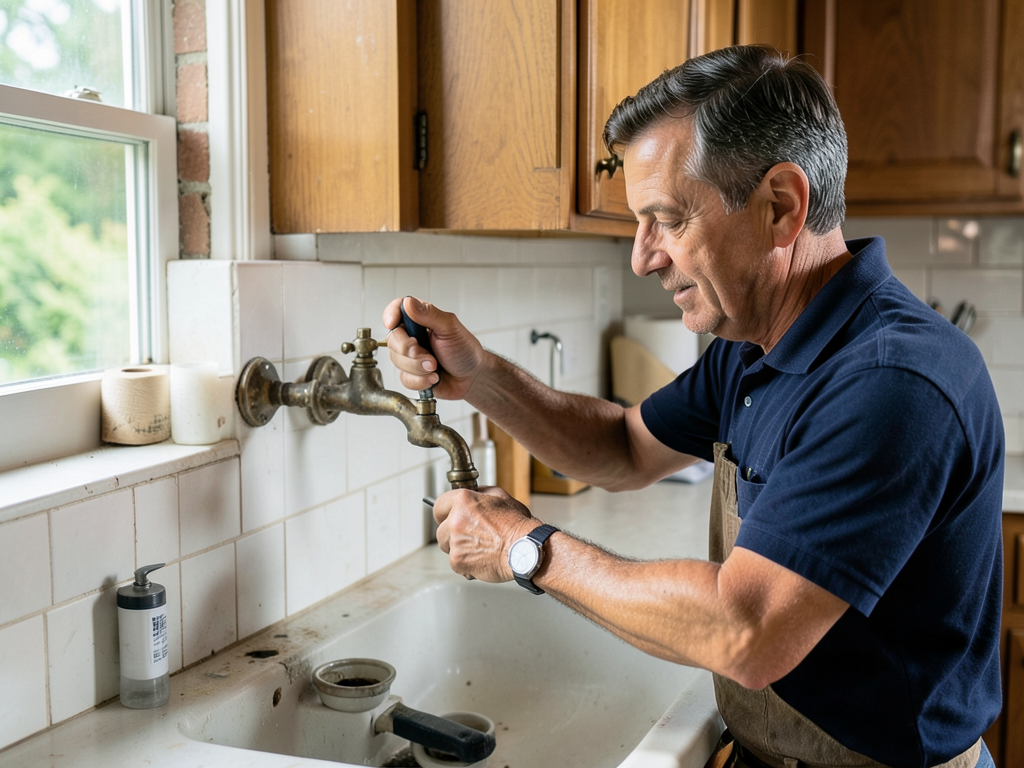
Modernizing the Plumbing in a 100 Year Old Hyde Park Kitchen Hyde Park's historic charm comes with a unique plumbing…

Modernizing the Plumbing in a 100 Year Old Hyde Park Kitchen

Modernizing the Plumbing in a 100 Year Old Hyde Park Kitchen Hyde Park's historic charm comes with a unique plumbing…

Why Your Forest Park Southeast Condo Needs a Water Pressure Regulator

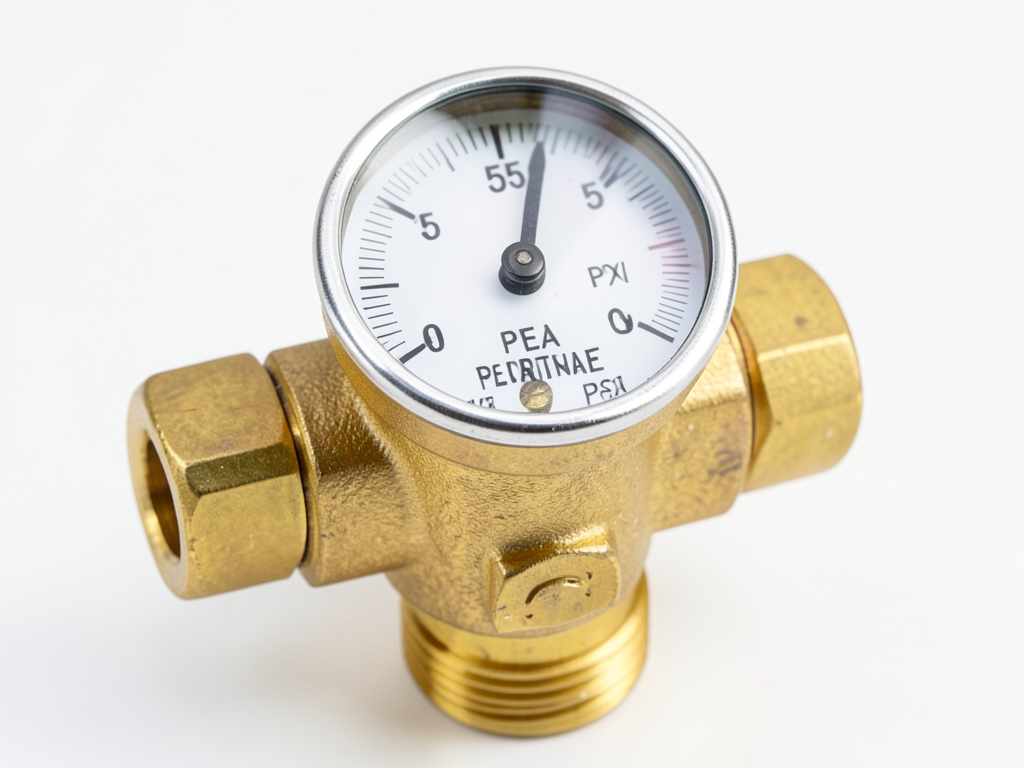
Why Your Forest Park Southeast Condo Needs a Water Pressure Regulator Living in a Forest Park Southeast condo means enjoying…

The Best Way to Hide Exposed Plumbing in Your Soulard Loft

The Best Way to Hide Exposed Plumbing in Your Soulard Loft Exposed pipes in your Soulard loft can clash with…

Contact Us

Call Peak Plumbing St. Louis at (314) 417-7677 right now to schedule underground leak detection. We find the exact location, explain your repair options, and restore your yard the same day in most cases. Stop wasting water and risking foundation damage.