




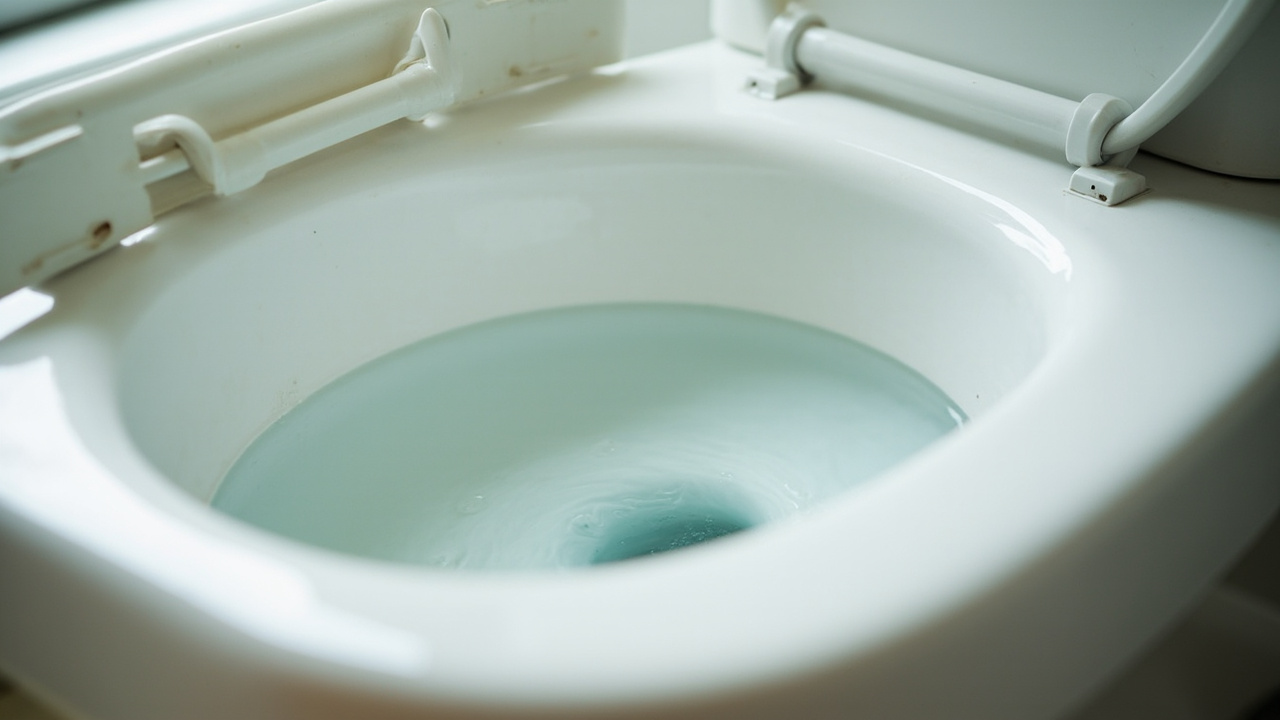

St. Louis sits on expansive clay soil that swells when wet and shrinks when dry. This seasonal movement shifts sewer lateral lines, creating misalignment at joints and low spots where waste collects. These belly sections restrict flow and trap air, causing negative pressure that forces bubbles up through your toilet bowl. Homes built before 1980, common throughout the city and older suburbs, often have clay tile or cast iron sewer laterals that crack under this shifting pressure. The result is recurring toilet glugging that gets worse during wet springs and dry summers when soil movement is most extreme.
Peak Plumbing St. Louis understands the regional factors that contribute to drainage problems. We know that St. Louis building codes require proper venting for all plumbing fixtures, but older homes were often built before these standards existed. We're familiar with the Metropolitan Sewer District's lateral inspection requirements and can provide the documentation you need if MSD requests proof of repair. Our experience with both historic and modern St. Louis homes means we recognize patterns other plumbers miss and recommend solutions that account for local soil, climate, and infrastructure challenges.