




Menu

Water Conservation Tips in St. Louis – Cut Your Water Bill by Up to 30% with Expert Plumbing Strategies

Peak Plumbing St. Louis delivers proven water efficiency strategies tailored to the Gateway City's aging infrastructure and high summer demand, helping you reduce water consumption without sacrificing comfort or convenience.

Slider Image 1
Slider Image 2
Slider Image 3
Slider Image 4
Slider Image 5
Slider Image 7
Slider Image 8
Slider Image 9
Slider Image 10
Slider Image 11

Why St. Louis Residents Waste More Water Than They Realize

You think you are being careful. Short showers. Full dishwasher loads. But your water bill keeps climbing.

St. Louis homeowners face a hidden challenge. The city's aging cast iron and galvanized steel pipe infrastructure, much of it installed before 1970, creates pressure imbalances that cause fixtures to run inefficiently. Add in the region's hard water, which carries 120-180 milligrams of calcium carbonate per liter from the limestone aquifers beneath the metro area, and you have a recipe for mineral buildup that makes every faucet, showerhead, and toilet work harder than necessary.

The Mississippi River humidity intensifies the problem. High moisture levels accelerate corrosion inside supply lines, leading to pinhole leaks in walls and slab foundations. Most homeowners in neighborhoods like Tower Grove and Soulard do not discover these leaks until thousands of gallons have already escaped.

During St. Louis summers, when temperatures push past 90 degrees and lawns demand irrigation, residential water usage can spike by 40%. But outdoor watering is just one piece. The real culprits are inside your home. A running toilet wastes up to 200 gallons per day. A leaking faucet drips away 3,000 gallons annually. A showerhead flowing at 2.5 gallons per minute instead of the efficient 2.0 adds up fast across a family of four.

Ways to save water start with understanding where the waste occurs. Water saving techniques are not about deprivation. They are about efficiency. Reduce water consumption by fixing what is broken and upgrading what is outdated. The strategy works because it targets the root cause, not just the symptom.

Why St. Louis Residents Waste More Water Than They Realize
How Professional Plumbing Upgrades Deliver Real Water Efficiency

How Professional Plumbing Upgrades Deliver Real Water Efficiency

Generic tips tell you to turn off the tap while brushing your teeth. That saves a gallon. A whole-system approach saves hundreds.

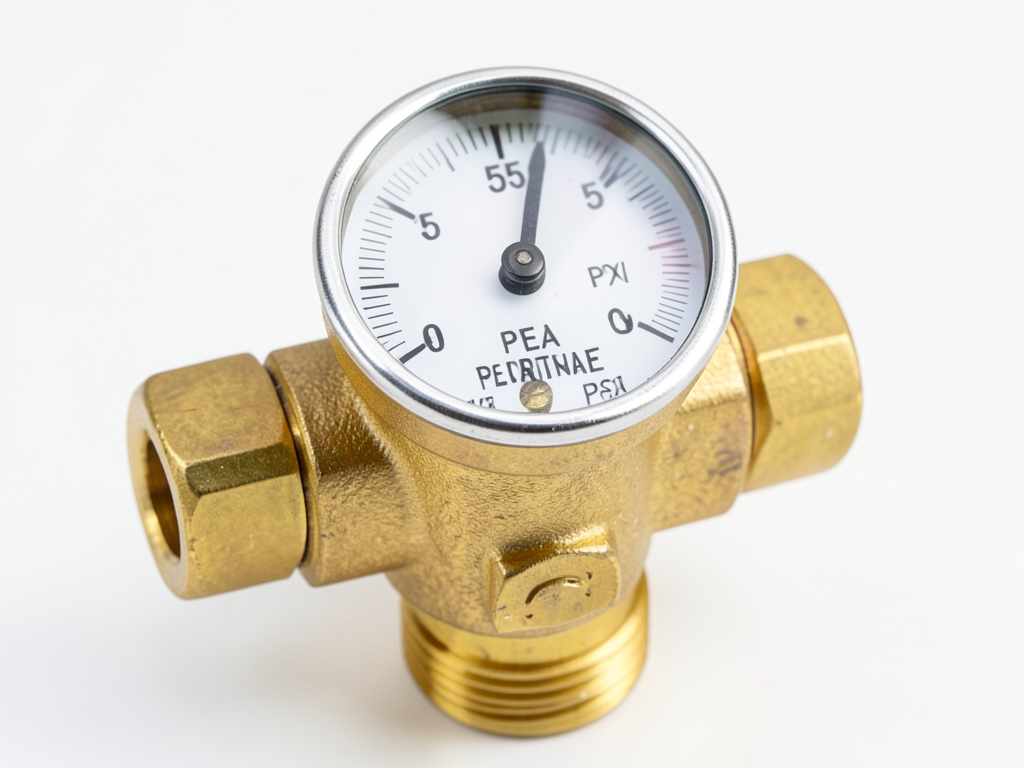
Water efficiency strategies begin with a pressure test. St. Louis municipal water pressure typically runs between 50-70 psi. Anything above 60 psi forces more water through fixtures than necessary and accelerates wear on supply valves and hose bibs. Installing a pressure-reducing valve at the main line regulates flow across the entire system, cutting consumption by 15-20% without changing your habits.

Next comes fixture optimization. Older toilets installed before 1994 use 3.5 to 7 gallons per flush. WaterSense-certified models use 1.28 gallons. That is a 70% reduction. For a household flushing 15 times daily, the math is simple: 15 flushes times 5.72 gallons saved equals 85 gallons per day, or 31,000 gallons per year.

Aerators screw onto faucet spouts and mix air into the water stream, reducing flow from 2.2 gallons per minute to 1.5 without sacrificing pressure feel. In the shower, low-flow heads with flow restrictors maintain spray intensity while cutting usage from 2.5 to 2.0 gallons per minute. Across a 10-minute shower, that is 5 gallons saved per use.

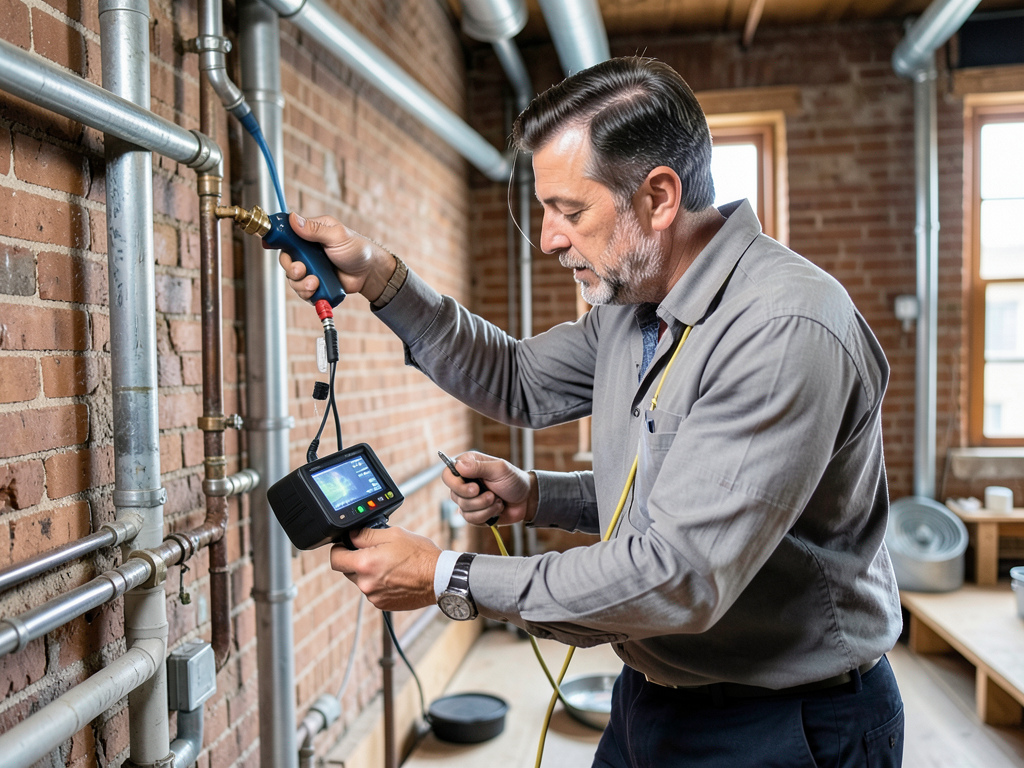
Leak detection goes beyond the obvious drip. We use acoustic listening devices to identify slab leaks, thermal imaging to spot hidden moisture behind drywall, and dye tests to confirm toilet flapper integrity. These tools catch problems before they escalate into four-figure water bills.

How to save water at home is not a DIY guessing game. It requires diagnostic precision and code-compliant installation to ensure every upgrade delivers measurable results.

What Happens During Your Water Conservation Assessment

Water Conservation Tips in St. Louis – Cut Your Water Bill by Up to 30% with Expert Plumbing Strategies
01

System Pressure Analysis

We measure static and dynamic water pressure at multiple points in your home using calibrated gauges. High pressure accelerates fixture wear and increases flow rates. Low pressure indicates supply line restriction or corrosion. This baseline data determines whether you need a pressure-reducing valve, pipe replacement, or fixture upgrades to optimize efficiency across the system.
02

Fixture Flow Testing

Each toilet, faucet, and showerhead is tested for flow rate and leak presence. We use bucket tests to measure gallons per minute, inspect flapper valves for silent leaks, and check aerator screens for mineral buildup that forces higher flow. This identifies which fixtures waste the most water and prioritizes replacement or repair based on your budget and conservation goals.
03

Custom Conservation Plan

You receive a written report detailing current consumption patterns, projected savings from each recommended upgrade, and a phased implementation timeline. We explain which changes deliver immediate impact and which provide long-term value. The plan includes product specifications, installation timelines, and maintenance intervals to keep your system running efficiently for years without unnecessary water waste.

Why St. Louis Homeowners Trust Peak Plumbing for Water Conservation

You cannot fix what you do not understand. That is where most conservation efforts fail.

Peak Plumbing St. Louis knows the quirks of local housing stock. We work daily in the brick bungalows of South City, the mid-century ranches of Webster Groves, and the renovated lofts downtown. Each building type has unique plumbing configurations that affect water efficiency. Cast iron stacks in pre-war homes develop scale buildup that restricts drainage and forces toilets to double-flush. Polybutylene supply lines installed during the 1980s are prone to failure and leak silently inside walls.

Our technicians understand St. Louis water chemistry. The city treats water with chloramine for disinfection, which is less corrosive than chlorine but requires specific fixture materials to prevent degradation. We recommend brass and stainless steel components that resist chemical breakdown and maintain flow integrity over decades.

Local building codes under the St. Louis Department of Public Safety require backflow prevention on irrigation systems and commercial properties. We ensure every installation meets these standards while maximizing water reuse opportunities. Greywater diversion, rainwater harvesting, and drip irrigation integration all fall under strict permitting rules that we navigate daily.

We also know when conservation crosses into code violation. Some DIY water-saving modifications reduce flow below minimum fixture unit requirements or create cross-connection hazards. Our recommendations balance efficiency with safety and compliance.

You get straight answers about what works and what does not. Low-flow toilets perform poorly in homes with old cast iron drains that need strong flush velocity to clear the line. We tell you when a drain cleaning or partial pipe replacement must happen before fixture upgrades make sense.

Trust comes from consistency. We show up on time, explain the problem in plain terms, and stand behind our work because we live and work in this city.

What to Expect When You Schedule a Water Conservation Consultation

Same-Day Scheduling Available

We offer flexible appointment windows, including evenings and weekends, to fit your schedule. Most consultations take 60-90 minutes depending on home size and system complexity. If you are dealing with an active leak or sudden bill spike, we prioritize emergency assessments and can often dispatch a technician within four hours. Non-urgent conservation evaluations typically schedule within 48 hours of your call. No waiting weeks for someone to show up and tell you what you already suspect.

Comprehensive System Evaluation

Our technician inspects every water-using fixture and appliance, tests pressure at the main line and at endpoints, checks for visible and hidden leaks using acoustic and thermal tools, and reviews your recent utility bills to establish consumption patterns. You receive a detailed assessment that identifies waste sources, quantifies potential savings, and ranks upgrades by cost-effectiveness. We explain the why behind each recommendation so you understand the return on investment, not just the price tag.

Measurable Results You Can Track

After installation, we document baseline and post-upgrade flow rates so you can track real-world savings on your next water bill. Fixture replacements deliver immediate reductions. Pressure regulation and leak repairs show measurable impact within the first billing cycle. We provide a conservation checklist that helps you maintain efficiency through seasonal changes and usage fluctuations. You know exactly how much water you are saving because the numbers are right there in black and white.

Ongoing Support and Maintenance

Water conservation is not a one-time fix. We offer annual plumbing inspections that catch small leaks before they become expensive problems. Seasonal maintenance includes checking flapper valves, cleaning aerator screens, inspecting hose bibs for freeze damage, and testing pressure-reducing valves for accuracy. If something fails or efficiency drops, we come back and make it right. Our goal is long-term performance, not just a quick sale. You get a partner who keeps your system running lean year after year.

Frequently Asked Questions

You Have Questions,
We Have Answers

What are the 10 ways to conserve water? +

Start with leak detection. Check faucets, toilets, and outdoor spigots. Install low-flow showerheads and faucet aerators. Run dishwashers and washing machines only with full loads. Shorten showers by two minutes. Turn off taps while brushing teeth or washing dishes. Water lawns early morning to reduce evaporation in St. Louis humidity. Mulch garden beds to retain soil moisture. Collect rainwater in barrels for landscaping. Upgrade to WaterSense-labeled fixtures. These steps cut usage without sacrificing comfort and reduce strain on the municipal water system serving the greater St. Louis metro.

What are 7 ways to conserve water? +

Fix dripping faucets and running toilets immediately. Install low-flow showerheads that use less than 2.0 gallons per minute. Run full loads in dishwashers and washers. Water outdoor plants early morning before St. Louis heat peaks. Turn off water while scrubbing dishes or brushing teeth. Use a broom instead of a hose to clean driveways and sidewalks. Collect rainwater for gardens and flower beds. These methods lower water bills and conserve Missouri River basin resources without requiring major renovations or lifestyle changes.

What are 20 ways to conserve water? +

Twenty practical ways include fixing leaks, installing low-flow fixtures, shortening showers, running full appliance loads, turning off taps when not in use, watering lawns before 8 AM, using rain barrels, mulching gardens, sweeping instead of hosing, upgrading toilets to 1.28 gallons per flush, washing vehicles with buckets, insulating pipes, composting food waste, using drought-tolerant plants, checking irrigation systems for breaks, installing smart controllers, covering pools to prevent evaporation in St. Louis summers, thawing food in the fridge, reusing pasta water for plants, and educating household members about conservation habits.

What are the 5 R's of water conservation? +

The 5 R's are Reduce, Reuse, Recycle, Repair, and Rethink. Reduce consumption by shortening showers and running full loads. Reuse greywater from washing for outdoor plants. Recycle water where safe, like collecting shower warm-up water. Repair leaks in pipes, faucets, and toilets promptly to prevent waste. Rethink habits like leaving taps running or watering during midday heat in St. Louis. This framework helps residents develop sustainable water practices that lower bills and protect local aquifer supplies without complicated planning or expensive overhauls.

What are 100 ways to save water? +

A comprehensive list includes fixing leaks, installing efficient fixtures, shortening showers, running full loads, turning off taps, watering wisely, using rain barrels, mulching beds, sweeping driveways, upgrading toilets, insulating pipes, using dishwashers efficiently, composting, choosing native plants, checking sprinkler systems, installing smart controllers, covering pools, thawing food properly, reusing cooking water, educating family, checking meter readings, using brooms not hoses, washing cars with buckets, collecting AC condensate, installing dual-flush toilets, and dozens more behavioral and mechanical changes. Focus on high-impact actions first for St. Louis homes.

What are 8 ways to conserve water? +

Fix leaks in faucets and toilets. Install WaterSense-labeled showerheads and aerators. Run dishwashers and washing machines with full loads only. Turn off water while brushing teeth or washing hands. Water lawns before 8 AM to minimize evaporation in St. Louis heat and humidity. Upgrade to high-efficiency toilets using 1.28 gallons per flush or less. Collect rainwater in barrels for watering gardens and flower beds. Use mulch around plants to retain moisture. These eight methods deliver measurable savings and reduce stress on local water infrastructure.

How can we save water 50 ways? +

Start with fixture upgrades, leak repairs, and behavioral changes. Install low-flow devices, fix drips, run full appliance loads, shorten showers, turn off taps, water early morning, use rain barrels, mulch gardens, sweep driveways, upgrade toilets, insulate pipes, wash vehicles with buckets, cover pools, install smart irrigation, choose native plants, check meters monthly, reuse greywater, compost food waste, educate household members, and audit outdoor systems. St. Louis residents can combine indoor efficiency with outdoor water-smart landscaping to achieve significant reductions without sacrificing quality of life or property aesthetics.

How to save water 30 ways? +

Thirty ways include fixing leaks, installing low-flow showerheads and aerators, upgrading toilets, running full appliance loads, shortening showers, turning off taps, watering before 8 AM, using rain barrels, mulching gardens, sweeping driveways, washing cars with buckets, insulating hot water pipes, covering pools, installing smart irrigation controllers, choosing drought-tolerant plants, checking for hidden leaks, using dishwashers over hand washing, composting waste, reusing pasta water, thawing food in refrigerators, and educating family members. St. Louis homeowners benefit from combining multiple small changes for maximum impact on usage and bills.

How to save water 🌊 💦? +

Conserve water by fixing leaks promptly, installing low-flow fixtures, shortening showers, running full loads, turning off taps while brushing teeth, watering lawns early morning, collecting rainwater, mulching gardens, sweeping instead of hosing, and upgrading to efficient toilets. St. Louis residents face hot, humid summers that increase outdoor water demand. Focus on leak detection, efficient irrigation timing, and behavioral changes like shorter showers. These steps reduce consumption, lower utility bills, and protect local water resources without requiring expensive renovations or lifestyle sacrifices. Small daily habits create meaningful long-term savings.

What are 5 methods of water conservation? +

Five key methods include leak detection and repair, fixture upgrades to low-flow models, behavioral changes like shorter showers and turning off taps, smart outdoor watering practices before 8 AM, and rainwater harvesting with barrels. St. Louis homeowners should prioritize fixing toilet flapper leaks, which waste gallons daily. Install WaterSense-labeled showerheads and faucet aerators. Water lawns early to reduce evaporation in Missouri humidity. Collect roof runoff for gardens. These methods combine immediate behavioral shifts with cost-effective mechanical improvements for measurable conservation results.

How St. Louis Water Rates and Aging Infrastructure Make Conservation Essential

St. Louis water and sewer rates increased 12% in 2023, with additional hikes planned through 2026 to fund infrastructure repairs across the metro system. The city relies on the Mississippi River and Missouri River for municipal supply, but treatment and distribution costs continue rising as pipes installed in the 1950s and 1960s reach the end of their service life. Homeowners in older neighborhoods like The Hill and Dutchtown face higher bills not just from usage, but from the system-wide costs of maintaining decaying water mains. Reducing water consumption directly lowers your monthly expense and insulates you from future rate increases.

Peak Plumbing St. Louis has worked on thousands of homes across the metro area, from Kirkwood to Ferguson. We understand the permit requirements of St. Louis County and St. Louis City building departments, the backflow testing mandates of Missouri American Water, and the fixture efficiency standards that apply to both new construction and retrofit projects. Our technicians stay current on local code updates and attend continuing education through the Plumbing-Heating-Cooling Contractors Association. When you hire local expertise, you get someone who knows the inspectors, understands the regulations, and installs systems that pass on the first attempt.
Plumbing Services in The St. Louis Area

Peak Plumbing St. Louis is proud to serve the entire St. Louis metropolitan area and surrounding communities. Our dedicated team is strategically located to respond quickly to your residential and commercial plumbing needs. You can view our primary service area on the map below, but if you're located nearby and have a plumbing issue, don't hesitate to give us a call to see how we can assist you.

Address:
Peak Plumbing St. Louis, 4565 McRee Ave, St. Louis, MO, 63110

Additional Services We Offer

Our news updates

Latest Articles & News from The Blogs

How to Stop Your Kirkwood Basement Bar Ejector Pump From Failing \n\n Your basement bar is the heart of your…

How to Stop Your Kirkwood Basement Bar Ejector Pump From Failing

How to Stop Your Kirkwood Basement Bar Ejector Pump From Failing \n\n Your basement bar is the heart of your…

Why a Pre-Listing Plumbing Inspection is Essential for Selling Your Huntleigh Home

Why a Pre-Listing Plumbing Inspection is Essential for Selling Your Huntleigh Home Selling a home in Huntleigh requires more than…

Why Your Spanish Lake Shower Has Terrible Water Pressure

Why Your Spanish Lake Shower Has Terrible Water Pressure Nothing ruins a morning like stepping into a shower that barely…

Contact Us

Call Peak Plumbing St. Louis at (314) 417-7677 to schedule your water conservation assessment. We identify waste, quantify savings, and install upgrades that cut your bill without changing how you live. Stop guessing. Start saving.