
Dealing With Low Water Pressure in Your Downtown St. Louis Loft
Living in a converted loft in Downtown St. Louis offers character and charm, but it also comes with unique plumbing challenges. Low water pressure is one of the most common complaints among loft residents, often caused by the building’s age, shared water systems, and the transition from industrial to residential use. If you’ve ever stood under a trickle instead of a stream, you know how frustrating it can be. The good news is that understanding the root causes and knowing when to call a specialist can restore your water pressure and your peace of mind. St. Louis City Plumbing Permits.
Downtown St. Louis lofts, particularly those in the Washington Avenue Garment District and Downtown West, were built during the early 1900s as factories and warehouses. These buildings were never designed for the high-density residential use they now support. As a result, the original plumbing systems—often made of galvanized steel or cast iron—have degraded over decades, leading to sediment buildup, corrosion, and restricted water flow. Add in shared risers and high-rise water pressure challenges, and it’s no wonder many loft owners experience inconsistent or low water pressure. How to Get a Same-Day Water Heater Repair in Sunset Hills.
The first step in addressing low water pressure is identifying whether the issue is building-wide or isolated to your unit. If your neighbors are also experiencing weak flow, the problem likely lies in the main supply lines or the building’s pressure regulation system. In many Downtown St. Louis lofts, the pressure reducing valve (PRV) may be outdated or improperly calibrated for the building’s current use. In some cases, the building’s vertical stacks—pipes that carry water up through multiple floors—are undersized or clogged with mineral deposits from decades of use. Replacing Old Iron Pipes in Historic Webster Groves Homes.
If the problem is isolated to your unit, the issue could be with your individual plumbing lines. Galvanized pipes, common in historic buildings, corrode from the inside out. Over time, this corrosion narrows the pipe’s diameter, reducing water flow. A professional plumber can use a camera inspection to diagnose the condition of your pipes and recommend whether repair or replacement is necessary. In some cases, replacing just a section of pipe can dramatically improve pressure without the need for a full repipe. EPA WaterSense Program.
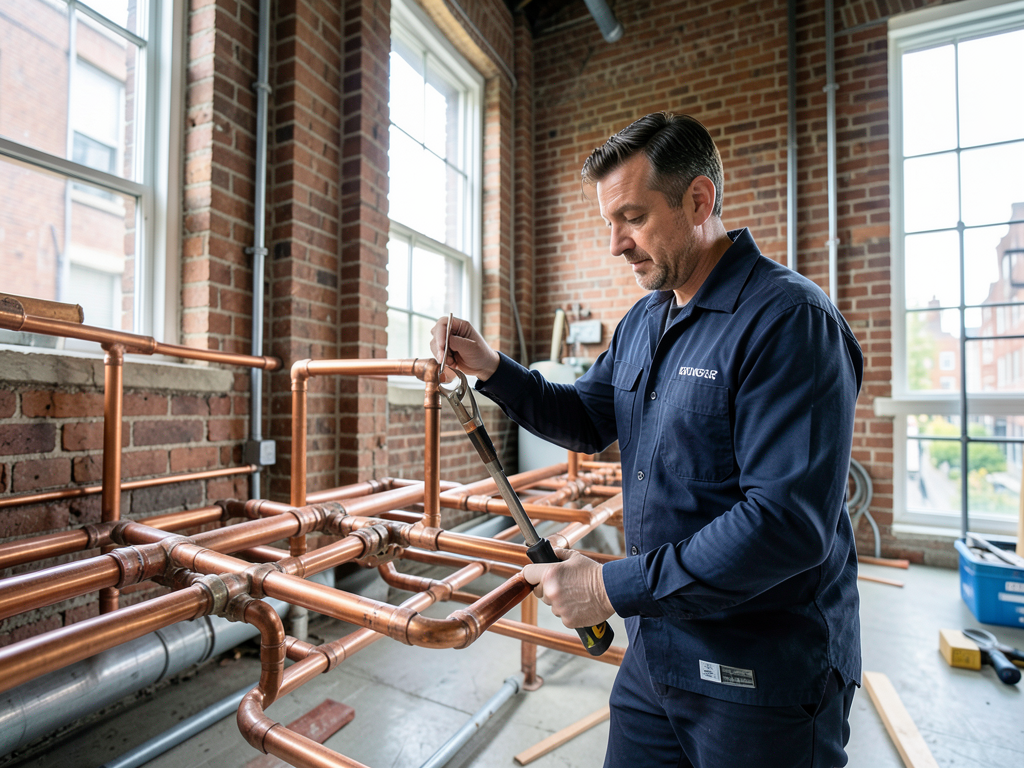
Another factor unique to loft living is the presence of exposed plumbing. While aesthetically appealing, exposed copper or steel pipes are more vulnerable to temperature fluctuations and condensation. In St. Louis, where humidity levels can be high, condensation can lead to corrosion and even mold growth if not properly managed. Installing insulation or using protective coatings on exposed pipes can help maintain consistent water pressure and prevent long-term damage. Plumbing Florissant.
For loft owners in the Soulard or Lafayette Square areas, where many buildings date back to the late 1800s, the plumbing challenges can be even more complex. These neighborhoods often have combined sewer systems, which can affect water pressure during heavy rainfall. Additionally, the clay soil common in St. Louis can shift over time, putting stress on underground pipes and causing leaks or pressure drops. A licensed plumber familiar with St. Louis’s unique infrastructure can assess these factors and recommend solutions tailored to your building’s needs. Plumbing Clayton.
Navigating the responsibilities of plumbing repairs in a condo or loft association can also be confusing. In many cases, the building’s HOA is responsible for maintaining the main supply lines and vertical stacks, while individual owners are responsible for the plumbing within their unit. However, the exact boundaries can vary. Reviewing your association’s bylaws or consulting with a plumbing professional can clarify who is responsible for repairs and associated costs. Professional Gas Line Installation for Your New Outdoor Kitchen in Wildwood.
When it comes to restoring water pressure, there are several solutions available. For buildings with outdated systems, installing a new pressure booster pump can significantly improve flow. These pumps are designed to increase water pressure in high-rise buildings where gravity and distance reduce pressure. Another option is to replace old pipes with modern PEX or copper piping, which resists corrosion and maintains better water flow. In some cases, a simple cleaning of the aerators on your faucets can remove sediment buildup and improve pressure without major work.
If you’re dealing with low water pressure in your Downtown St. Louis loft, don’t wait for the problem to worsen. Call (314) 417-7677 today to schedule a professional inspection. Our team specializes in the unique plumbing challenges of St. Louis loft conversions and can provide solutions that restore your water pressure and protect your investment.. Read more about Why Your Old North St. Louis Rehab Needs a Complete Water Main Replacement.
Common Causes of Low Water Pressure in Downtown St. Louis Lofts
Understanding the root causes of low water pressure is the first step toward finding a solution. In Downtown St. Louis lofts, several factors can contribute to weak water flow. Here are the most common issues:. Read more about How to Know if Your St. Louis Hills Home Still Has Galvanized Pipes.
- Aging Galvanized Pipes: Many historic lofts still have galvanized steel pipes that corrode from the inside, reducing water flow over time.
- Shared Water Systems: In multi-unit buildings, high demand during peak hours can lead to reduced pressure for individual units.
- Pressure Reducing Valve (PRV) Issues: Outdated or malfunctioning PRVs can fail to maintain adequate pressure throughout the building.
- Mineral Buildup: Hard water in St. Louis can cause sediment and mineral deposits to accumulate in pipes, restricting flow.
- Vertical Stack Problems: Clogged or undersized vertical risers can limit water delivery to upper floors.
Each of these issues requires a different approach to repair. A professional inspection can help pinpoint the exact cause and recommend the most effective solution.
Comparing Pipe Materials: Galvanized vs. PEX vs. Copper
When considering pipe replacement in your loft, it’s important to understand the pros and cons of different materials. Here’s a comparison of the most common options:
| Material | Lifespan | Corrosion Resistance | Cost | Best Use |
|---|---|---|---|---|
| Galvanized Steel | 20-50 years | Low (rusts over time) | Low | Historical preservation only |
| PEX (Cross-linked Polyethylene) | 40-50 years | High | Medium | Modern replacements, retrofits |
| Copper | 50+ years | High | High | Durable, long-term installations |
Choosing the right material depends on your building’s age, your budget, and your long-term plans. A licensed plumber can help you weigh these factors and make the best choice for your loft.
Step-by-Step Guide to Diagnosing Low Water Pressure
If you’re experiencing low water pressure, follow these steps to identify the problem before calling a professional:
- Check All Fixtures:
Test water pressure at multiple faucets and showerheads to determine if the issue is isolated or building-wide.
- Inspect the Pressure Reducing Valve:
Locate your PRV (usually near the main water line) and check if it’s set correctly or showing signs of wear.
- Look for Leaks:
Check under sinks, around toilets, and in utility areas for visible leaks that could be reducing pressure.
- Test Water Flow:
Turn on multiple fixtures at once to see if pressure drops significantly, indicating a supply issue.
- Review HOA Guidelines:
If you’re in a condo, check with your association to see if they’re aware of building-wide pressure issues.. Read more about Why Your Forest Park Southeast Condo Needs a Water Pressure Regulator.
If these steps don’t resolve the issue, it’s time to call a professional plumber with experience in loft-specific plumbing systems.. Read more about The Best Way to Hide Exposed Plumbing in Your Soulard Loft.
Why Choose a Loft Plumbing Specialist in St. Louis?
Not all plumbers are equipped to handle the unique challenges of loft living. St. Louis’s historic buildings require specialized knowledge of industrial conversions, shared risers, and aging infrastructure. A loft plumbing specialist understands the nuances of working in high-ceilinged spaces, navigating HOA regulations, and preserving the aesthetic integrity of exposed piping.
At Peak Plumbing St. Louis, we’ve worked on numerous loft projects in the Washington Avenue Garment District, Downtown West, and Soulard. We know how to diagnose and repair the specific issues that affect these buildings, from corroded cast iron stacks to improperly sized pressure regulators. Our team is licensed, insured, and familiar with St. Louis City plumbing codes, ensuring that all work is compliant and built to last.
Don’t let low water pressure disrupt your loft lifestyle. Call (314) 417-7677 today to schedule a professional inspection. We’ll diagnose the problem, explain your options, and restore your water pressure quickly and efficiently.
Frequently Asked Questions
Why is my water pressure suddenly low in my loft?
Sudden drops in water pressure can be caused by a burst pipe, a malfunctioning pressure reducing valve, or issues with the building’s main supply lines. It’s best to check with your neighbors and your HOA to determine if the problem is building-wide.
Can I improve water pressure without replacing pipes?
Yes. Sometimes cleaning aerators, adjusting the pressure reducing valve, or installing a booster pump can improve pressure without the need for repiping. A professional inspection can help identify the most cost-effective solution.
How much does it cost to replace galvanized pipes in a loft?
The cost varies depending on the size of your unit and the extent of the work. On average, repiping a loft can range from $2,000 to $8,000. A detailed estimate from a licensed plumber will give you a more accurate cost based on your specific situation.
Is low water pressure covered by my HOA?
It depends on your association’s bylaws. In many cases, the HOA is responsible for the main supply lines and vertical stacks, while individual owners are responsible for the plumbing within their unit. Check your HOA documents or consult with a professional to clarify responsibilities.
How long does it take to fix low water pressure in a loft?
The timeline depends on the cause. Simple fixes like cleaning aerators or adjusting a PRV can be done in under an hour. More complex repairs, such as repiping or installing a booster pump, may take one to three days. Your plumber can provide a timeline after diagnosing the issue.
Still have questions? Call (314) 417-7677 to speak with a loft plumbing specialist today.
You may also find this helpful. Why Your Forest Park Southeast Kitchen Sink Whistles When You Run the Water.
{
“@context”: “https://schema.org”,
“@type”: “BlogPosting”,
“headline”: “Dealing With Low Water Pressure in Your Downtown St. Louis Loft”,
“description”: “Struggling with weak water pressure in your Downtown St. Louis loft? Learn the unique causes of low pressure in converted industrial buildings and how to fix them.”,
“wordCount”: 1637,
“datePublished”: “2026-06-01T12:10:00.000Z”,
“dateModified”: “2026-06-01T12:10:00.000Z”,
“inLanguage”: “en-US”,
“mainEntityOfPage”: {
“@type”: “WebPage”,
“@id”: “https://peakplumbingstlouis.com”
},
“publisher”: {
“@type”: “LocalBusiness”,
“name”: “Peak Plumbing St. Louis”,
“url”: “https://peakplumbingstlouis.com”
},
“author”: {
“@type”: “Organization”,
“name”: “Peak Plumbing St. Louis”,
“url”: “https://peakplumbingstlouis.com”
},
“image”: {
“@type”: “ImageObject”,
“url”: “https://peakplumbingstlouis.com/wp-content/uploads/2026/03/dealing-with-low-water-pressure-in-your-downtown-s-1.png”
}
}
{
“@context”: “https://schema.org”,
“@type”: “Plumber”,
“name”: “Peak Plumbing St. Louis”,
“url”: “https://peakplumbingstlouis.com”,
“address”: {
“@type”: “PostalAddress”,
“addressLocality”: “St. Louis”
},
“areaServed”: {
“@type”: “City”,
“name”: “St. Louis”
}
}
{
“@context”: “https://schema.org”,
“@type”: “FAQPage”,
“mainEntity”: [
{
“@type”: “Question”,
“name”: “Why Choose a Loft Plumbing Specialist in St. Louis?”,
“acceptedAnswer”: {
“@type”: “Answer”,
“text”: “Not all plumbers are equipped to handle the unique challenges of loft living. St. Louis’s historic buildings require specialized knowledge of industrial conversions, shared risers, and aging infrastructure. A loft plumbing specialist understands the nuances of working in high-ceilinged spaces, navigating HOA regulations, and preserving the aesthetic integrity of exposed piping.”
}
},
{
“@type”: “Question”,
“name”: “Why is my water pressure suddenly low in my loft?”,
“acceptedAnswer”: {
“@type”: “Answer”,
“text”: “Sudden drops in water pressure can be caused by a burst pipe, a malfunctioning pressure reducing valve, or issues with the building’s main supply lines. It’s best to check with your neighbors and your HOA to determine if the problem is building-wide.”
}
},
{
“@type”: “Question”,
“name”: “Can I improve water pressure without replacing pipes?”,
“acceptedAnswer”: {
“@type”: “Answer”,
“text”: “Yes. Sometimes cleaning aerators, adjusting the pressure reducing valve, or installing a booster pump can improve pressure without the need for repiping. A professional inspection can help identify the most cost-effective solution.”
}
},
{
“@type”: “Question”,
“name”: “How much does it cost to replace galvanized pipes in a loft?”,
“acceptedAnswer”: {
“@type”: “Answer”,
“text”: “The cost varies depending on the size of your unit and the extent of the work. On average, repiping a loft can range from $2,000 to $8,000. A detailed estimate from a licensed plumber will give you a more accurate cost based on your specific situation.”
}
},
{
“@type”: “Question”,
“name”: “Is low water pressure covered by my HOA?”,
“acceptedAnswer”: {
“@type”: “Answer”,
“text”: “It depends on your association’s bylaws. In many cases, the HOA is responsible for the main supply lines and vertical stacks, while individual owners are responsible for the plumbing within their unit. Check your HOA documents or consult with a professional to clarify responsibilities.”
}
},
{
“@type”: “Question”,
“name”: “How long does it take to fix low water pressure in a loft?”,
“acceptedAnswer”: {
“@type”: “Answer”,
“text”: “The timeline depends on the cause. Simple fixes like cleaning aerators or adjusting a PRV can be done in under an hour. More complex repairs, such as repiping or installing a booster pump, may take one to three days. Your plumber can provide a timeline after diagnosing the issue.”
}
}
]
}
{
“@context”: “https://schema.org”,
“@type”: “HowTo”,
“name”: “How to Diagnose Low Water Pressure”,
“step”: [
{
“@type”: “HowToStep”,
“position”: 1,
“name”: “Check All Fixtures:”,
“text”: “Test water pressure at multiple faucets and showerheads to determine if the issue is isolated or building-wide.”
},
{
“@type”: “HowToStep”,
“position”: 2,
“name”: “Inspect the Pressure Reducing Valve:”,
“text”: “Locate your PRV (usually near the main water line) and check if it’s set correctly or showing signs of wear.”
},
{
“@type”: “HowToStep”,
“position”: 3,
“name”: “Look for Leaks:”,
“text”: “Check under sinks, around toilets, and in utility areas for visible leaks that could be reducing pressure.”
},
{
“@type”: “HowToStep”,
“position”: 4,
“name”: “Test Water Flow:”,
“text”: “Turn on multiple fixtures at once to see if pressure drops significantly, indicating a supply issue.”
},
{
“@type”: “HowToStep”,
“position”: 5,
“name”: “Review HOA Guidelines:”,
“text”: “If you’re in a condo, check with your association to see if they’re aware of building-wide pressure issues.”
}
],
“image”: “https://peakplumbingstlouis.com/wp-content/uploads/2026/03/dealing-with-low-water-pressure-in-your-downtown-s-1.png”
}
{
“@context”: “https://schema.org”,
“@type”: “BreadcrumbList”,
“itemListElement”: [
{
“@type”: “ListItem”,
“position”: 1,
“name”: “Home”,
“item”: “https://peakplumbingstlouis.com”
},
{
“@type”: “ListItem”,
“position”: 2,
“name”: “Blog”,
“item”: “https://peakplumbingstlouis.com/blog”
},
{
“@type”: “ListItem”,
“position”: 3,
“name”: “Dealing With Low Water Pressure in Your Downtown St. Louis Loft”
}
]
}
{
“@context”: “https://schema.org”,
“@type”: “Service”,
“serviceType”: “Plumbing”,
“provider”: {
“@type”: “LocalBusiness”,
“name”: “Peak Plumbing St. Louis”,
“url”: “https://peakplumbingstlouis.com”
},
“areaServed”: {
“@type”: “City”,
“name”: “St. Louis”
},
“description”: “Struggling with weak water pressure in your Downtown St. Louis loft? Learn the unique causes of low pressure in converted industrial buildings and how to fix them.”
}