



Menu

Commercial Hydro Jetting Services in St. Louis – Minimize Downtime with Industrial-Grade Line Clearing

Peak Plumbing St. Louis delivers high pressure water jetting that eliminates grease buildup, root intrusion, and mineral scaling in commercial drainage systems without excavation or extended closures.

Slider Image 1
Slider Image 2
Slider Image 3
Slider Image 4
Slider Image 5
Slider Image 7
Slider Image 8
Slider Image 9
Slider Image 10
Slider Image 11

Why St. Louis Commercial Properties Face Chronic Drain Failures

St. Louis sits at the confluence of the Missouri and Mississippi Rivers, which means high water tables and aggressive clay soil throughout the metro. That clay shifts with seasonal moisture changes, putting constant pressure on underground sewer lines. Add in the region's older commercial infrastructure, particularly in neighborhoods like The Hill, Soulard, and the Central West End, and you get cast iron and clay pipes already compromised by decades of root penetration and mineral buildup.

Commercial properties face a compounding problem. Restaurant kitchens discharge fats, oils, and grease that solidify in pipes. Manufacturing facilities deal with chemical residue and sediment. Retail centers with high traffic generate heavy solid waste loads. When these combine with St. Louis's legacy pipe materials, you get slow drains, recurring backups, and eventual system failure.

Conventional snaking only punches a hole through blockages. It does not remove the grease layer coating your pipes or the root mat choking your main line. That is where commercial hydro jetting becomes critical. High pressure water jetting uses streams up to 4,000 PSI to scour pipe interiors clean, restoring full diameter flow and eliminating the conditions that cause repeat blockages. For facilities that cannot afford unplanned closures or health code violations, hydro jet pipe cleaning is not optional. It is operational insurance.

Why St. Louis Commercial Properties Face Chronic Drain Failures
How Commercial Hydro Jetting Restores Full System Capacity

How Commercial Hydro Jetting Restores Full System Capacity

Peak Plumbing St. Louis uses truck-mounted jetting systems capable of delivering variable pressure streams through specialized nozzles. We do not use fixed-pressure consumer units. Our equipment adjusts from 1,500 to 4,000 PSI depending on pipe material, blockage type, and line condition. Before we jet, we camera inspect the entire system to identify fractures, offsets, or collapses that would make jetting unsafe.

The jetting nozzle pulls itself through the line using rear-facing jets while forward-facing streams obliterate obstructions. Rotating nozzles handle grease and biofilm. Penetrating nozzles cut through root masses. Chain flail nozzles address mineral scale in hard water regions like St. Louis. The pressurized water does not just clear blockages. It hydraulically cleans the pipe wall, removing years of accumulated sludge and restoring the line to near-original diameter.

For commercial facilities, we schedule sewer jetting services during off-peak hours to avoid disrupting operations. We isolate sections of your drainage system so you maintain partial functionality during service. After jetting, we run a post-service camera inspection to document results and identify any structural issues requiring repair. You receive video evidence of before-and-after conditions, which satisfies insurance requirements and provides documentation for your facility maintenance records.

This is not reactive plumbing. This is predictive maintenance that extends asset life and prevents catastrophic failures during peak business periods.

How We Execute Commercial Line Jetting Projects

Commercial Hydro Jetting Services in St. Louis – Minimize Downtime with Industrial-Grade Line Clearing
01

System Assessment and Access

We begin with camera inspection to map your drainage system, locate blockages, and identify pipe material and condition. This tells us which nozzle configurations and pressure settings to use. We establish access points through existing cleanouts or, if necessary, pull toilets or floor drains. Our goal is to minimize facility disruption while ensuring complete system access for effective jetting.
02

Controlled Pressure Jetting

We feed the jetting hose through your system, adjusting pressure based on real-time feedback. Grease requires sustained heat and pressure. Roots require cutting action. Scale requires abrasive force. We do not use maximum pressure on compromised pipes. We modulate delivery to clear obstructions without causing pipe damage. Our operators monitor pressure gauges and hose feed rate continuously throughout the process.
03

Verification and Documentation

After jetting, we run a final camera pass to verify complete clearing and document any structural concerns. You receive a digital report with timestamped video, pressure logs, and maintenance recommendations. If we identify cracks, offsets, or root intrusion points, we provide repair options and priority rankings. This documentation supports your facility management protocols and demonstrates due diligence for regulatory compliance.

Why St. Louis Facility Managers Choose Peak Plumbing for Line Jetting Services

Peak Plumbing St. Louis operates in a city where plumbing infrastructure varies wildly by district. The Delmar Loop has newer PVC systems. Downtown has century-old cast iron. South City has clay tile that is collapsing. We know which pipe materials exist in which neighborhoods and how to jet them without causing damage.

We also understand St. Louis commercial codes. The Metropolitan Sewer District has strict regulations about grease trap maintenance and discharge limits. Restaurants must demonstrate regular line maintenance to maintain health permits. Industrial facilities face EPA compliance requirements. Our documentation packages satisfy these regulatory demands. We provide the proof you need when inspectors ask questions.

Our equipment is commercial grade, not residential. We run Spartan and Ridgid jetters with sufficient hose length and pressure capacity to handle large-diameter mains and long lateral runs. We carry multiple nozzle types on every truck, so we do not need to leave your site to get the right tool. Our technicians hold backflow certification and confined space training, which matters when we are working in mechanical rooms or accessing lines through basement cleanouts.

We also operate on your schedule. Late-night jetting for restaurants. Weekend service for retail. Planned outages coordinated with your production calendar for manufacturing sites. We do not force you to shut down during business hours. We adapt to your operational needs because unplanned downtime costs you more than our service fee.

What to Expect from Commercial Hydro Jetting in St. Louis

Rapid Response and Scheduling Flexibility

We dispatch within two hours for emergency drain failures that threaten business operations. For planned maintenance, we schedule during your low-traffic periods. Most single-line jetting jobs complete in two to four hours depending on line length and blockage severity. Multi-line commercial buildings may require a full shift. We provide time estimates after initial assessment so you can plan staffing and customer communication. If we discover complications during jetting, we halt work and present options before proceeding. You maintain control of the timeline and budget.

Comprehensive Pre-Service Camera Inspection

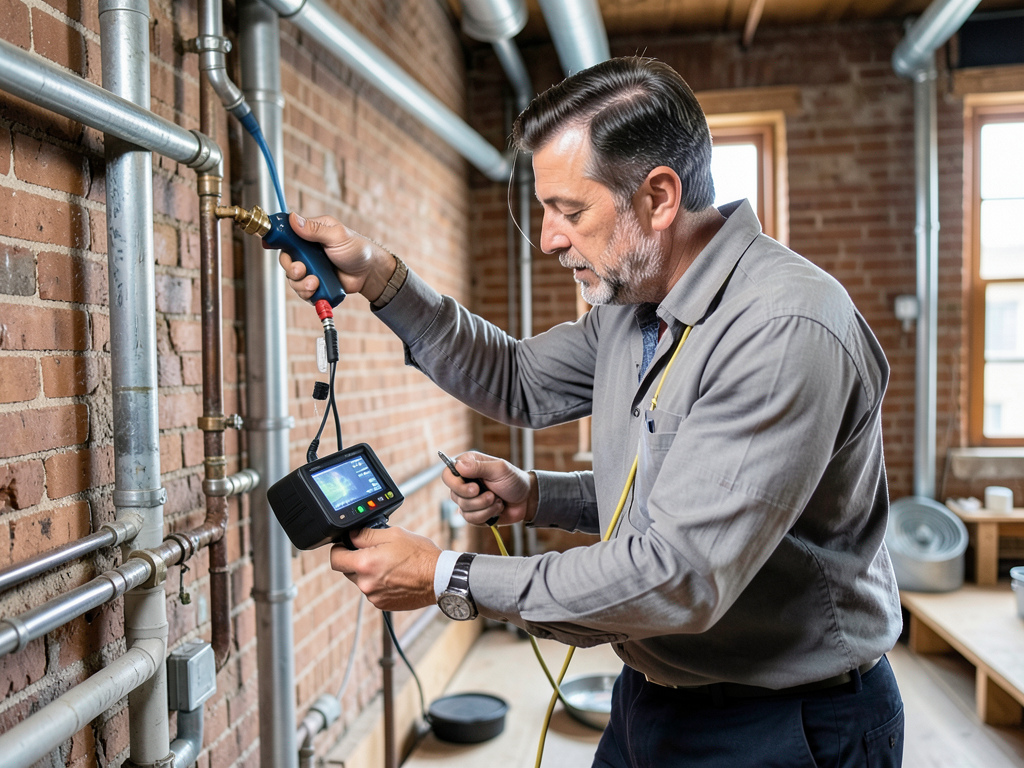
Every commercial jetting project starts with video inspection. We need to see what we are dealing with before we introduce 4,000 PSI into your pipes. The camera identifies root intrusion points, grease accumulation zones, and any structural defects like cracks or offsets. This prevents us from damaging already-compromised pipes and allows us to select the correct nozzle and pressure settings. You watch the inspection in real time on our monitor. We explain what we are seeing and recommend whether jetting alone will solve the problem or if you need additional repairs.

Complete Obstruction Removal and Flow Restoration

Commercial hydro jetting restores pipes to full diameter, not just functional flow. You get maximum capacity back, which matters during peak usage periods. Grease that took years to accumulate gets stripped away in one session. Root masses that snaking could not remove get cut and flushed. Mineral scale that restricted flow gets blasted off pipe walls. We do not leave residual buildup that will cause problems in six months. The line gets returned to as-new condition. Post-jetting camera inspection proves the work. You see the difference between the clogged pipe and the cleaned result.

Preventive Maintenance Scheduling and Documentation

We recommend jetting frequency based on your facility type and usage patterns. Restaurants typically need quarterly service. Hotels benefit from annual main line jetting. Manufacturing facilities require customized schedules based on discharge characteristics. We track your service history and send reminders when you are due for maintenance. This prevents emergency situations and keeps you compliant with local regulations. Every service includes a digital report with video documentation, which you can provide to inspectors, insurance carriers, or property management. Scheduled maintenance costs less than emergency service and prevents revenue loss from unexpected closures.

Frequently Asked Questions

You Have Questions,
We Have Answers

Is hydro jetting worth it? +

Yes. Hydro jetting delivers measurable ROI for commercial properties by eliminating root intrusion, grease buildup, and mineral deposits that mechanical snaking cannot reach. In St. Louis, where older cast iron and clay sewer lines are common in commercial districts, hydro jetting restores full pipe capacity and prevents recurring backups that disrupt operations. The process extends the interval between service calls and reduces liability from wastewater exposure. For restaurants, hospitals, and multi-tenant buildings, the upfront cost is offset by fewer emergency calls and minimized downtime.

How much do plumbers charge to hydrojet? +

Commercial hydro jetting costs vary based on pipe diameter, blockage severity, and accessibility. Expect rates from $350 to $900 for standard commercial lines, with complex root infiltration or main sewer work running higher. St. Louis properties with aging infrastructure or grease-heavy operations may require additional camera inspection beforehand. Most commercial plumbers price by the job, not hourly, after assessing the scope. Request a detailed estimate that includes pre-inspection, jetting, and post-service camera verification to confirm full clearance and document pipe condition.

What is the purpose of hydro jetting service? +

Hydro jetting uses high-pressure water streams to scour pipe interiors clean, removing grease, scale, root masses, and biofilm that cause chronic backups. The process restores pipes to near-original diameter and flow capacity. For commercial facilities in St. Louis dealing with high-volume waste, frequent grease accumulation, or older sewer lines prone to root invasion, hydro jetting provides complete cleaning that mechanical augers cannot achieve. It also prepares pipes for relining procedures and verifies structural integrity during camera inspections.

Does Roto Rooter do hydro jetting? +

Yes, Roto-Rooter offers hydro jetting as part of their commercial services. However, many St. Louis commercial property managers prefer working with local contractors who specialize in commercial plumbing systems and understand local soil conditions, building codes, and infrastructure challenges unique to the region. Local providers often respond faster, offer more flexible scheduling for businesses, and maintain established relationships with commercial clients. Compare credentials, equipment specifications, and response times before selecting a contractor.

Can hydro jetting damage old pipes? +

Hydro jetting can damage severely deteriorated pipes, which is why pre-inspection with a sewer camera is critical. In St. Louis, where many commercial buildings have 50-plus-year-old cast iron or clay lines affected by soil shifting and corrosion, a professional assessment identifies weak spots before jetting begins. Responsible contractors adjust pressure based on pipe material, age, and condition. If pipes show significant cracking or collapse, trenchless relining or targeted repair should occur before jetting. The process itself does not damage sound pipes.

Why do plumbers say not to use drain cleaner? +

Chemical drain cleaners create liability issues for commercial properties. They generate heat that can crack older pipes common in St. Louis buildings, produce toxic fumes that violate workplace safety regulations, and corrode metal fittings over time. Chemicals also fail to remove the root cause of blockages like grease deposits or root masses. They simply bore a small hole through debris, allowing rapid re-clogging. For commercial operations, chemical cleaners represent a temporary fix that accelerates pipe deterioration and increases long-term maintenance costs.

Can I do hydro jetting myself? +

No. Commercial hydro jetting requires specialized equipment that delivers 3,000 to 4,000 PSI through reinforced hoses with ceramic nozzles. Improper pressure or technique damages pipes, floods buildings, or causes personal injury. Operators need training to identify pipe materials, adjust pressure settings, and interpret camera inspection results. St. Louis commercial properties face added complexity from older infrastructure and root-prone soil conditions. The equipment investment, licensing requirements, and liability exposure make professional service the only viable option for commercial facilities.

Does homeowners insurance cover sewer line repair? +

Most commercial property insurance policies exclude gradual damage from poor maintenance, including sewer line deterioration. Coverage applies only to sudden, accidental damage like vehicle impact or tree fall. If your St. Louis property experiences a backup, document the incident immediately and review your policy's water damage and business interruption provisions. Some policies cover cleanup costs but not the underlying pipe repair. Establish preventive maintenance records to demonstrate due diligence, which can support claims and reduce premium increases.

What are the signs I need hydro jetting? +

Watch for multiple slow drains across your facility, frequent backups in floor drains, sewage odors near cleanouts, or gurgling sounds when fixtures drain. In St. Louis commercial kitchens, grease buildup causes these symptoms. For properties near mature trees, root intrusion creates recurring blockages that mechanical snaking temporarily clears. If you schedule drain service more than twice yearly for the same lines, hydro jetting eliminates the underlying accumulation. Camera inspection confirms whether buildup or structural damage causes your drainage issues.

What is the alternative to hydro jetting? +

Mechanical snaking removes spot blockages but leaves pipe walls coated with residue that accelerates re-clogging. For commercial properties, snaking becomes a recurring expense without addressing root causes. Chemical treatments create environmental and liability concerns. Trenchless pipe lining rehabilitates deteriorated lines but requires clean pipes first. Excavation and replacement suit collapsed lines but involves significant disruption and cost. For maintenance and prevention in St. Louis commercial buildings, hydro jetting offers the most thorough cleaning without the drawbacks of other methods.

How St. Louis's Clay Soil and Aging Infrastructure Drive Commercial Jetting Demand

St. Louis sits on expansive clay soil that swells when wet and contracts when dry. This seasonal movement creates constant pressure on underground sewer lines, opening joints and creating entry points for tree roots. The city's mature tree canopy, particularly in older commercial districts, means root systems actively seek moisture inside your pipes. Once roots penetrate, they create a scaffold that traps grease, paper, and solid waste. High pressure water jetting cuts through these root masses and removes the debris they trap, but it also cleans the pipe wall so thoroughly that regrowth takes longer to reestablish. For commercial properties managing multiple drain lines, this extended service interval reduces maintenance costs and eliminates surprise backups during critical business periods.

Peak Plumbing St. Louis works throughout the metro, from Clayton office complexes to South Grand restaurant rows. We know which neighborhoods have clay tile systems prone to offset joints and which areas have cast iron mains suffering from galvanic corrosion. This local knowledge matters when we are selecting jetting pressure and nozzle types. We also understand Metropolitan Sewer District regulations and can help you document compliance for health inspections or facility audits. When you choose a local operator for sewer jetting services, you get someone who understands the specific challenges your building faces, not a generic approach that works everywhere and nowhere.
Plumbing Services in The St. Louis Area

Peak Plumbing St. Louis is proud to serve the entire St. Louis metropolitan area and surrounding communities. Our dedicated team is strategically located to respond quickly to your residential and commercial plumbing needs. You can view our primary service area on the map below, but if you're located nearby and have a plumbing issue, don't hesitate to give us a call to see how we can assist you.

Address:
Peak Plumbing St. Louis, 4565 McRee Ave, St. Louis, MO, 63110

Additional Services We Offer

Our news updates

Latest Articles & News from The Blogs

How to Stop Your Kirkwood Basement Bar Ejector Pump From Failing \n\n Your basement bar is the heart of your…

How to Stop Your Kirkwood Basement Bar Ejector Pump From Failing

How to Stop Your Kirkwood Basement Bar Ejector Pump From Failing \n\n Your basement bar is the heart of your…

Why a Pre-Listing Plumbing Inspection is Essential for Selling Your Huntleigh Home

Why a Pre-Listing Plumbing Inspection is Essential for Selling Your Huntleigh Home Selling a home in Huntleigh requires more than…

Why Your Spanish Lake Shower Has Terrible Water Pressure

Why Your Spanish Lake Shower Has Terrible Water Pressure Nothing ruins a morning like stepping into a shower that barely…

Contact Us

Do not wait for a backup during peak hours. Call Peak Plumbing St. Louis at (314) 417-7677 to schedule camera inspection and line jetting. We provide transparent pricing and work on your timeline, not ours.