




Menu

Understanding Backflow Testing in St. Louis – Complete Guide to Compliance, Safety, and Water Quality Protection

Learn how backflow prevention assembly testing protects your drinking water, meets St. Louis municipal requirements, and keeps your property compliant with Missouri water safety regulations.

Slider Image 1
Slider Image 2
Slider Image 3
Slider Image 4
Slider Image 5
Slider Image 7
Slider Image 8
Slider Image 9
Slider Image 10
Slider Image 11

Why St. Louis Property Owners Need to Understand Backflow Testing

Backflow is the unwanted reversal of water flow in your plumbing system. When pressure drops in the main water line, contaminated water can flow backward into the clean water supply. This means lawn chemicals, sewage, or industrial waste can enter the drinking water that feeds your home or business.

St. Louis properties face specific risks due to the city's aging infrastructure and fluctuating water pressure. The Missouri Department of Natural Resources requires annual backflow certification for commercial properties and many residential installations. If you have an irrigation system, fire suppression system, or chemical injection equipment, you likely have a backflow prevention assembly that needs testing.

The St. Louis Metropolitan Sewer District enforces strict water backflow testing requirements. Property owners in neighborhoods like the Central West End, Clayton, and Brentwood must comply with backflow device testing procedures to avoid fines and water shutoffs. The city experienced multiple water main breaks last year, creating pressure fluctuations that increase backflow risk.

Most property owners do not realize they need backflow preventer inspection until they receive a notice from the city. Understanding the process helps you stay compliant, protect water quality, and avoid emergency shutdowns. Testing is not optional. It is a legal requirement that protects public health. The test itself is quick, but scheduling and documentation matter. Missing your annual deadline can result in water service disconnection within 10 days of notification.

Why St. Louis Property Owners Need to Understand Backflow Testing
How Backflow Prevention Assembly Testing Actually Works

How Backflow Prevention Assembly Testing Actually Works

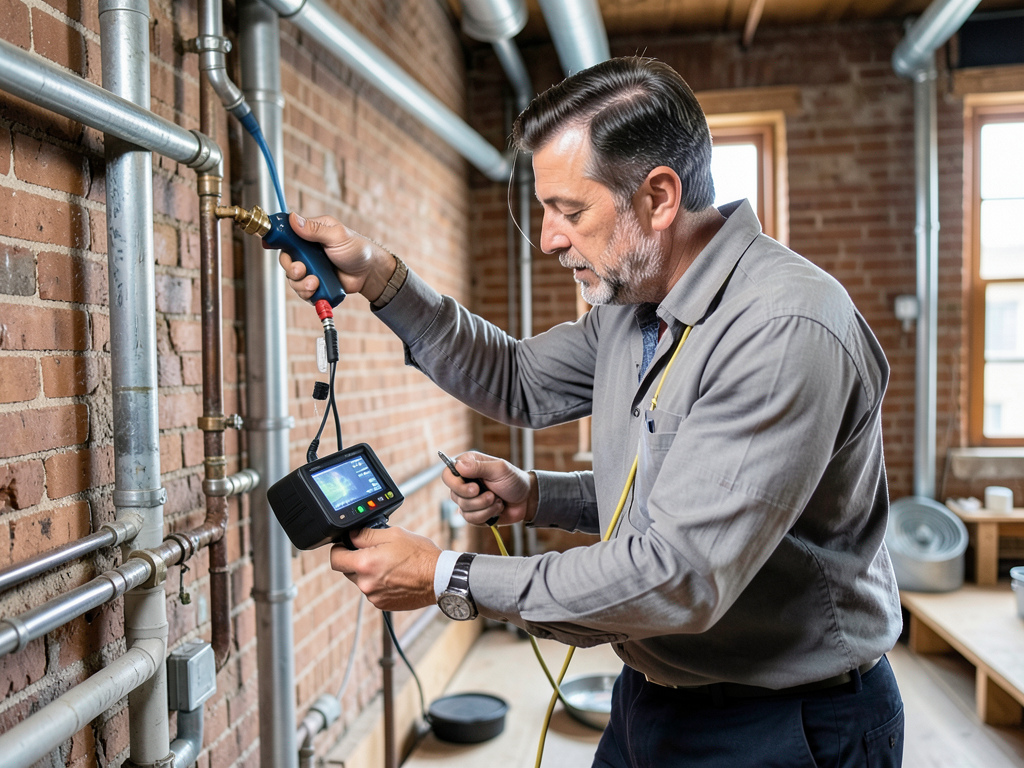
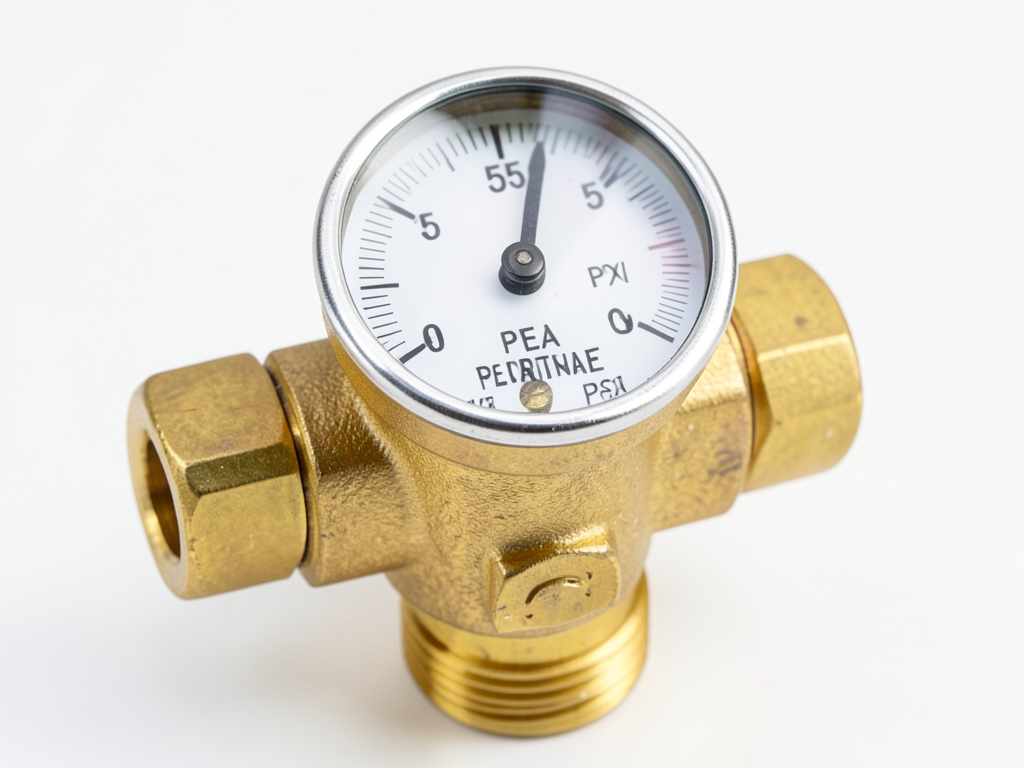
Backflow prevention assembly testing uses precise pressure measurements to verify your device functions correctly. A certified backflow tester connects specialized gauges to test ports on your assembly. The test measures differential pressure across check valves and relief valves to confirm they open and close at the correct thresholds.

There are several types of backflow preventers. Reduced pressure zone devices (RPZ valves) protect against high-hazard contamination. They use two independent check valves with a relief valve between them. Double check valve assemblies offer lower-level protection for non-health hazards. The test procedure differs for each device type, but all require calibrated test equipment and documentation.

During the test, the technician isolates the assembly and attaches test cocks to the device. They measure the pressure drop across each check valve, verify the relief valve opens at the correct differential, and ensure proper closure under backpressure. If any component fails, the assembly must be repaired or replaced before it can pass certification.

Peak Plumbing St. Louis uses digital test kits calibrated to Missouri standards. We complete the field test, submit results to the city within 48 hours, and provide you with a compliance certificate. The entire process takes 20 to 30 minutes for a standard assembly. We test hundreds of devices across St. Louis County each year, so we understand local reporting requirements and municipal deadlines.

Proper testing requires understanding hydraulic principles, not just turning valves. A failed test does not always mean replacement. Sometimes debris causes temporary failures that can be cleared during maintenance.

What Happens During Your Backflow Test Appointment

Understanding Backflow Testing in St. Louis – Complete Guide to Compliance, Safety, and Water Quality Protection
01

Device Identification and Inspection

The technician locates your backflow prevention assembly, verifies the make and model, and inspects for visible damage or leaks. They check that test cocks are accessible and not corroded. This step includes photographing the device serial number and recording the installation location for city records. Any obvious mechanical issues are documented before testing begins.
02

Pressure Testing and Measurements

Calibrated test gauges are attached to the assembly's test ports. The technician opens and closes specific valves in sequence while monitoring pressure readings. Each check valve is tested for proper sealing. The relief valve is tested for correct opening pressure. All measurements are recorded digitally and compared against manufacturer specifications and Missouri regulatory standards.
03

Certification and Reporting

After completing the test, the technician submits results to St. Louis water authorities through the online portal. You receive a signed certification form showing pass or fail status. If the device passes, you are compliant for another year. If it fails, you receive a detailed explanation of which components need repair or replacement, with no surprise charges.

Why St. Louis Property Owners Choose Peak Plumbing for Backflow Certification

Backflow testing is regulated by the city, but not all testers understand St. Louis reporting requirements. The Metropolitan Sewer District uses a specific online submission system. Test results must be uploaded within five business days of testing, or the certification is invalid. We handle all documentation and submission, so you do not have to navigate the city portal.

Our technicians hold Missouri backflow tester certifications and renew them annually. We understand the specific codes that apply to St. Louis properties, including the city's cross-connection control ordinance. Commercial properties in Clayton and Ladue have stricter requirements than residential homes. We know which devices need testing, which exemptions apply, and how to handle multi-building campuses.

St. Louis has hard water with high mineral content. This causes calcium buildup inside backflow assemblies, leading to premature wear on seals and check valves. We clean test ports during every visit and alert you to early signs of wear before they cause test failures. This proactive approach saves money on emergency repairs and prevents water service interruptions.

We test backflow devices year-round, but spring and fall are peak seasons. Many property managers in University City and Webster Groves schedule annual testing in March or September to avoid weather extremes. We offer reminder services so you never miss your compliance deadline. The city does not send courtesy reminders. You are responsible for tracking your test date, and penalties start immediately after expiration.

Peak Plumbing St. Louis works with commercial clients across the metro, from restaurants in Soulard to industrial facilities in Hazelwood. We understand the difference between testing a residential RPZ valve and certifying a fire suppression system in a high-rise.

What to Expect When You Schedule Backflow Testing

Scheduling and Response Time

Most backflow tests are scheduled appointments, not emergencies. We typically book tests within one week of your call. If you receive a city notice requiring immediate compliance, we offer expedited scheduling within 48 hours. The test itself takes 20 to 30 minutes for a single assembly. Multi-device properties require longer appointments, which we estimate during scheduling. We confirm your appointment 24 hours in advance and provide a two-hour arrival window. Our technicians call when they are 15 minutes away.

On-Site Evaluation Process

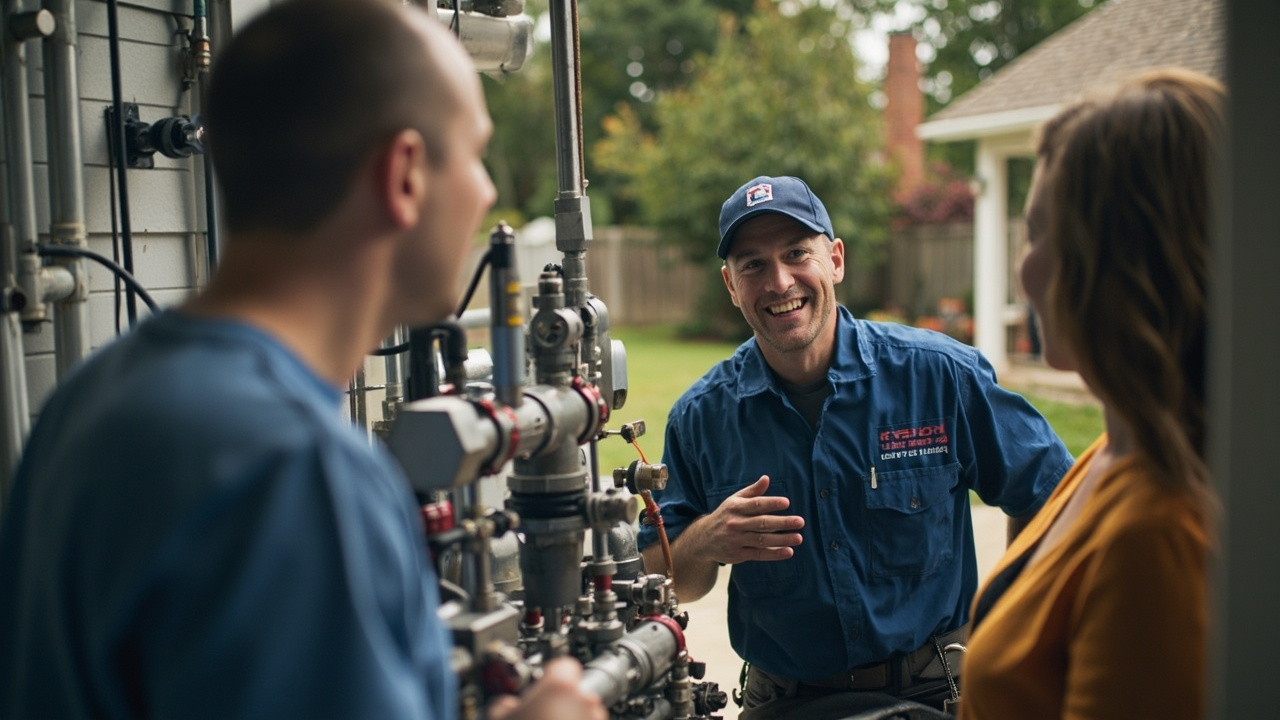
The technician arrives with calibrated test equipment and city reporting forms. They locate your backflow assembly, verify the serial number matches city records, and inspect for damage. The test involves opening and closing valves in a specific sequence while measuring pressure at multiple points. You do not need to be present during testing unless the device is inside a locked mechanical room. After testing, the technician explains the results in plain language and answers questions about maintenance or replacement timelines.

Pass or Fail Results

If your device passes, you receive a signed certification form and digital copy for your records. We submit results to the city within 48 hours. If the device fails, we provide a written explanation of which components are defective and what repair or replacement costs to expect. You are not required to use us for repairs, but many clients choose to handle everything in one visit. Failed devices must be retested within 30 days to avoid city penalties.

Annual Compliance Tracking

Backflow testing is annual, but tracking your due date is your responsibility. We offer automatic reminder services for clients who want to avoid missed deadlines. You receive an email or text 60 days before your test expires, with an option to schedule online. For commercial properties with multiple assemblies, we maintain a testing calendar and handle all city correspondence. This service is free for clients who use us for annual testing. It eliminates the risk of service shutoffs due to forgotten compliance dates.

Frequently Asked Questions

You Have Questions,
We Have Answers

How does backflow testing work? +

A certified plumber attaches test gauges to your backflow preventer to measure pressure differentials across the device. The technician opens and closes valves in a specific sequence to check if internal check valves and relief valves function correctly. Each component must hold pressure and prevent reverse flow. The process takes 15 to 30 minutes depending on the type of device. In St. Louis, you need annual testing to comply with Missouri American Water requirements. The technician documents results and submits a test report to your water supplier. If components fail, the plumber repairs or replaces defective parts before retesting.

What are the basics of backflow preventer? +

A backflow preventer is a mechanical valve that stops contaminated water from reversing direction into your clean water supply. It uses spring-loaded check valves and relief valves to create barriers against pressure changes. When your system pressure drops suddenly, the device prevents dirty water from irrigation systems, boilers, or other sources from siphoning backward. St. Louis properties with irrigation systems, fire suppression lines, or commercial operations typically require these devices. Your water supplier mandates installation and annual testing to protect public health. The device sits between your water meter and potential contamination sources.

Do all plumbers do backflow testing? +

No. Only certified plumbers with backflow testing credentials can legally perform tests in St. Louis. Missouri requires specific backflow prevention assembly tester certification through approved training programs. General plumbers can install pipes and fixtures but cannot certify backflow devices without this additional qualification. The certification process includes classroom instruction, hands-on training, and passing a state exam. Testers must recertify periodically to maintain credentials. When scheduling backflow testing for your property, verify the plumber holds current Missouri backflow tester certification. Using uncertified technicians voids your compliance and risks water supply contamination.

What does it mean to fail a backflow test? +

A failed backflow test means one or more components inside your preventer cannot maintain proper pressure or prevent reverse flow. Common failures include worn check valves that leak, relief valves that do not open at correct pressure points, or springs that have lost tension. Your plumber identifies which components failed during testing. You cannot use the device until repairs restore proper function. In St. Louis, you must fix failures immediately and retest before the water supplier accepts your compliance. Continued use of failed devices risks contaminating the public water supply and potential fines.

Is backflow testing hard? +

Testing itself requires technical knowledge and specialized equipment but is not physically difficult. Certified technicians follow a standardized procedure using pressure gauges and test cocks. The challenge lies in understanding hydraulic principles and interpreting gauge readings accurately. Becoming certified requires classroom training, practice, and passing a competency exam. For property owners in St. Louis, you simply schedule a certified tester annually. You do not perform the test yourself. The technician handles all technical aspects, documents results, and submits reports to Missouri American Water or your local water district.

How many questions are on the backflow test? +

This question refers to certification exams, not testing the device itself. Missouri backflow tester certification exams typically include 75 to 100 questions covering hydraulics, cross-connection control, testing procedures, and regulations. You must achieve a passing score, usually 70 percent or higher. The exam tests knowledge of different backflow preventer types, pressure dynamics, and proper testing protocols. Recertification exams may have fewer questions. Property owners do not take this exam. Only plumbers seeking certification to perform backflow testing complete this requirement. Once certified, technicians can legally test devices throughout St. Louis and Missouri.

What are the 4 types of backflow preventers? +

The four main types are atmospheric vacuum breakers, pressure vacuum breakers, double check valve assemblies, and reduced pressure zone devices. Atmospheric vacuum breakers protect against backsiphonage in non-continuous pressure applications like hose bibbs. Pressure vacuum breakers handle continuous pressure systems such as irrigation lines. Double check valves use two independently acting check valves for moderate hazard protection. Reduced pressure zone assemblies provide maximum protection for high-hazard applications and include a relief valve between two check valves. St. Louis commercial properties and irrigation systems typically require double check or RPZ devices based on contamination risk.

What are the signs of a bad backflow valve? +

Signs include water flowing backward through your irrigation system when shut off, discolored water at fixtures, low water pressure throughout your property, or visible leaks around the device housing. You might hear unusual gurgling sounds or notice the relief valve constantly dripping. Corrosion, mineral buildup, or physical damage to the brass body also indicate problems. In St. Louis, freeze damage from winter temperatures can crack components. If your annual test fails, the technician identified internal valve problems before they caused visible symptoms. Schedule immediate repairs when you notice any signs to prevent contamination risks.

What is the difference between PVB and RPZ? +

A pressure vacuum breaker uses an air inlet valve and single check valve to prevent backsiphonage only. It cannot protect against backpressure and must install above all downstream outlets. An RPZ device provides superior protection using two independent check valves with a relief valve between them, guarding against both backsiphonage and backpressure. RPZ devices can install below downstream outlets. St. Louis commercial properties and high-hazard applications require RPZ devices. Residential irrigation systems often use PVB assemblies. RPZ devices cost more but offer greater protection and flexibility in placement.

How much to charge to test a backflow? +

Backflow testing costs in St. Louis typically range based on device type, accessibility, and property location. Factors affecting price include the number of devices, complexity of testing, and required repairs. Many plumbers charge per device tested. Prices vary across the metro area depending on service areas and overhead costs. You should obtain quotes from certified testers before scheduling. Cost should not prevent compliance, as annual testing protects public health and avoids water supplier penalties. Schedule testing during routine maintenance to minimize service call fees. Repair costs for failed components are additional to testing fees.

How St. Louis Water Pressure Fluctuations Increase Backflow Risk

St. Louis experiences frequent water main breaks due to aging infrastructure, particularly in older neighborhoods like Tower Grove and the Hill. When a main breaks, pressure drops across the distribution system. This creates a vacuum effect that can pull contaminated water backward through unprotected connections. Properties with irrigation systems, boiler systems, or chemical injection equipment face the highest risk. Annual backflow prevention assembly testing verifies your device will activate during these pressure events, preventing contamination from entering the drinking water supply that serves your block.

The St. Louis Metropolitan Sewer District maintains a registry of all testable backflow devices in the city. Property owners receive annual notices, but enforcement has increased significantly over the past three years. Commercial properties face fines starting at $500 for non-compliance. Residential properties can have water service disconnected until testing is completed. Working with a local tester who understands city reporting systems ensures your results are filed correctly and on time, protecting you from administrative penalties that have nothing to do with device performance.
Plumbing Services in The St. Louis Area

Peak Plumbing St. Louis is proud to serve the entire St. Louis metropolitan area and surrounding communities. Our dedicated team is strategically located to respond quickly to your residential and commercial plumbing needs. You can view our primary service area on the map below, but if you're located nearby and have a plumbing issue, don't hesitate to give us a call to see how we can assist you.

Address:
Peak Plumbing St. Louis, 4565 McRee Ave, St. Louis, MO, 63110

Additional Services We Offer

Our news updates

Latest Articles & News from The Blogs

How to Stop Your Kirkwood Basement Bar Ejector Pump From Failing \n\n Your basement bar is the heart of your…

How to Stop Your Kirkwood Basement Bar Ejector Pump From Failing

How to Stop Your Kirkwood Basement Bar Ejector Pump From Failing \n\n Your basement bar is the heart of your…

Why a Pre-Listing Plumbing Inspection is Essential for Selling Your Huntleigh Home

Why a Pre-Listing Plumbing Inspection is Essential for Selling Your Huntleigh Home Selling a home in Huntleigh requires more than…

Why Your Spanish Lake Shower Has Terrible Water Pressure

Why Your Spanish Lake Shower Has Terrible Water Pressure Nothing ruins a morning like stepping into a shower that barely…

Contact Us

Do not wait until you receive a city notice. Call Peak Plumbing St. Louis at (314) 417-7677 to schedule your backflow prevention assembly testing. We handle testing, reporting, and compliance documentation for residential and commercial properties across the St. Louis metro.