


Menu

Safe Drain Cleaning Products in St. Louis – Protect Your Pipes and Septic System with Expert-Approved Solutions

Get professional guidance on eco-friendly drain cleaners and non-toxic drain openers that clear clogs without corroding your plumbing or harming St. Louis's clay soil and aging sewer infrastructure.

Slider Image 1
Slider Image 2
Slider Image 3
Slider Image 4
Slider Image 5
Slider Image 7
Slider Image 8
Slider Image 9
Slider Image 10
Slider Image 11

Why Chemical Drain Cleaners Damage St. Louis Plumbing Systems

Most commercial drain cleaners sold in St. Louis stores contain sodium hydroxide or sulfuric acid at concentrations that generate heat up to 200 degrees. This thermal shock cracks older cast iron drain lines common in neighborhoods like Soulard, Lafayette Square, and Tower Grove South. The city's clay soil already shifts foundations and stresses pipe joints. Add corrosive chemicals, and you accelerate pinhole leaks in galvanized steel and copper drain assemblies.

St. Louis homes built before 1980 often have septic systems in outer county areas like Eureka and Wildwood. Harsh chemical drain openers kill the beneficial bacteria colonies that break down waste in septic tanks. Once that biological balance collapses, you face septic failure and expensive tank pumping or replacement.

The Mississippi River basin's high water table means groundwater stays close to the surface across much of St. Louis County. Chemical runoff from drain cleaners leaches into this shallow aquifer, creating environmental contamination. Eco-friendly drain cleaners use enzymatic formulas that digest organic clogs like hair, grease, and soap scum without generating caustic fumes or heat. Natural drain unblockers rely on bacterial cultures that consume waste material over 12 to 24 hours. These septic safe clog removers protect your drain lines, your yard, and the local watershed.

Peak Plumbing St. Louis recommends non-toxic drain openers for regular maintenance and emergency clearing when mechanical methods fail.

Why Chemical Drain Cleaners Damage St. Louis Plumbing Systems
How Enzymatic and Bacterial Drain Cleaners Actually Work

How Enzymatic and Bacterial Drain Cleaners Actually Work

Enzymatic drain cleaners contain protease, lipase, and amylase enzymes that break down protein, fat, and starch molecules into smaller compounds. You pour the liquid or granular product into the drain, where it adheres to pipe walls and begins digesting organic buildup. This process takes six to eight hours for light clogs and up to 24 hours for heavy accumulation. The enzymes convert solid waste into water-soluble particles that flush away with normal water flow.

Bacterial drain cleaners use live cultures of Bacillus species that multiply inside your drain lines. These bacteria secrete enzymes as they consume organic matter, creating a self-sustaining cleaning process. You introduce the bacteria through monthly treatments, and they colonize the biofilm layer coating your pipes. Over time, they prevent clogs from forming by continuously digesting hair, soap residue, and food particles before blockages develop.

Both methods work best as preventive maintenance. If you already have a complete blockage, mechanical clearing with a cable auger or hydro-jetting becomes necessary first. After we clear the drain, enzymatic or bacterial treatments maintain flow and prevent recurrence.

St. Louis's hard water adds calcium and magnesium scale to organic clogs, creating stubborn mineral-organic hybrid blockages. Eco-friendly drain cleaners handle the organic component, but you need periodic professional descaling to remove mineral deposits. We use biodegradable citric acid solutions that dissolve scale without damaging pipes or septic systems.

Selecting the Right Product for Your Specific Drain Problem

Safe Drain Cleaning Products in St. Louis – Protect Your Pipes and Septic System with Expert-Approved Solutions
01

Identify Clog Type

Kitchen drains clog with grease, food particles, and detergent buildup. Bathroom drains collect hair, soap scum, and toothpaste residue. Floor drains in St. Louis basements accumulate sediment from clay soil infiltration and laundry lint. Each clog type responds to different enzymatic formulas. Lipase enzymes target grease clogs, while protease enzymes break down hair and skin cells. We assess your drain history and recommend the appropriate enzyme blend for your specific blockage pattern.
02

Check Pipe Compatibility

Cast iron, galvanized steel, copper, PVC, and ABS pipe materials each react differently to cleaning products. St. Louis homes built between 1920 and 1970 often have cast iron drain stacks that corrode from the inside out. Non-toxic drain openers preserve the remaining pipe wall thickness. PVC and ABS plastic pipes handle any eco-friendly product. Older lead waste lines in historic districts require gentler bacterial treatments. We identify your pipe material before recommending any chemical or biological product.
03

Establish Treatment Schedule

Preventive maintenance requires monthly applications of bacterial cultures or bi-weekly enzymatic treatments depending on household size and drain usage. Homes with garbage disposals need more frequent grease-digesting enzyme applications. Septic system owners benefit from quarterly high-concentration bacterial treatments that replenish tank cultures. We create a customized maintenance calendar based on your plumbing configuration, water usage patterns, and past clog frequency. Consistent treatment prevents emergency blockages and extends drain line service life.

Why St. Louis Homeowners Trust Our Product Recommendations

Peak Plumbing St. Louis has cleared thousands of drains across the metro area since our founding. We've seen what works and what causes more problems. Big box store drain cleaners promise five-minute fixes but deliver corroded pipes and recurring clogs. We've replaced entire drain assemblies in homes where repeated chemical use ate through 40-year-old cast iron in just three years.

Our technicians carry enzymatic and bacterial products on every service truck. When we clear your drain mechanically, we treat it with the appropriate biological product to prevent the clog from returning. This combination approach solves the immediate problem and addresses the underlying cause.

St. Louis County and City building codes require proper drain venting and trap configuration. Homes built before code updates often lack adequate venting, creating slow drains that homeowners mistake for clogs. We inspect your drain system during service calls and identify whether you need cleaning products or plumbing modifications. This diagnostic accuracy saves you money and prevents wasted effort on products that can't fix structural problems.

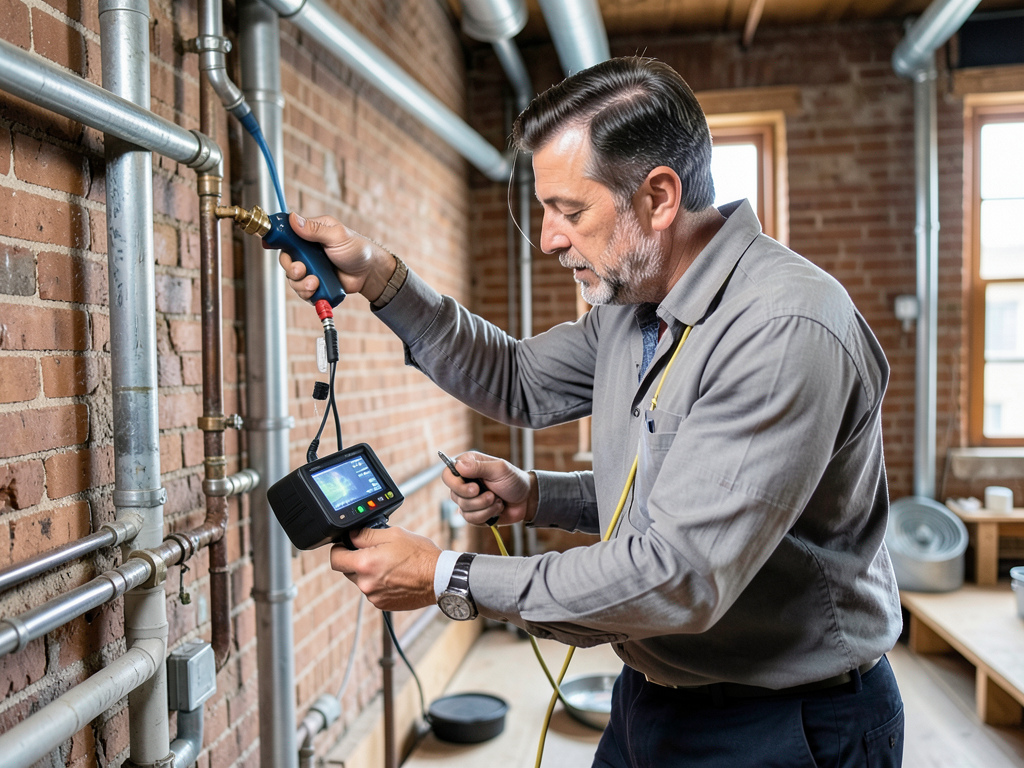
The region's clay soil and seasonal ground movement stress buried sewer lines. We use video camera inspection to check for root intrusion, pipe separation, and bellied sections before recommending drain cleaning products. Natural drain unblockers can't fix broken pipes, but they maintain clear flow in structurally sound lines.

Our product recommendations come from field experience, not sales commissions. We stock professional-grade enzymatic cleaners and bacterial cultures that outperform retail products. You get concentrated formulas at fair prices, backed by our technical knowledge of St. Louis plumbing systems.

What to Expect When Using Safe Drain Cleaning Products

Treatment Timeline and Results

Enzymatic drain cleaners require six to 24 hours of contact time to digest organic clogs. You pour the product into the drain at night and flush it with hot water the next morning. Bacterial treatments work over several days as cultures multiply and colonize pipe surfaces. You'll notice gradual improvement in drain speed rather than instant clearing. For maintenance applications, monthly treatments prevent clogs from forming. Emergency treatments handle light to moderate blockages, but complete stoppages need mechanical clearing first. Temperature affects enzyme activity, so winter applications in unheated St. Louis basements take longer to work than summer treatments.

Product Application Methods

Liquid enzymatic cleaners pour directly into drains, sinks, tubs, and floor drains. Granular bacterial products mix with warm water before application. You remove standing water before treatment so the product contacts pipe walls rather than diluting in pooled water. Some products foam on contact with organic matter, creating extended surface coverage. We measure dosage by drain diameter and estimated clog severity. Kitchen sink drains need double doses compared to bathroom sinks because grease clogs resist breakdown. Septic safe clog removers require application at all drains simultaneously to treat the entire system, not just individual fixtures.

Safety and Handling

Non-toxic drain openers pose minimal health risks compared to caustic chemical cleaners. Enzymatic formulas cause mild skin irritation in sensitive individuals, so wear gloves during application. The products generate no toxic fumes, eliminating the ventilation requirements of acid-based cleaners. You can safely use eco-friendly drain cleaners in homes with children and pets. Store products in cool, dry locations because heat and moisture degrade enzyme potency. Bacterial cultures require refrigeration to maintain viability. Expired products lose effectiveness but don't become hazardous. St. Louis's hot, humid summers reduce shelf life, so buy fresh product and use it within six months of purchase.

Long-Term Maintenance Benefits

Regular use of septic safe clog removers extends drain line service life by preventing corrosive buildup. The bacterial colonies established through monthly treatments continue working between applications, creating ongoing protection. You reduce emergency plumber calls because clogs develop slowly enough for you to intervene with treatment before complete blockage occurs. Enzymatic maintenance costs less than repeated mechanical clearing and eliminates the pipe damage risk of chemical cleaners. Septic system owners see improved tank function and longer intervals between pumping services. The environmental benefit of keeping harsh chemicals out of St. Louis's water table protects your property value and community health.

Frequently Asked Questions

You Have Questions,
We Have Answers

What do plumbers recommend to keep drains clean? +

Plumbers recommend regular hot water flushes and enzymatic drain cleaners for routine maintenance. Pour boiling water down your drains weekly to dissolve grease and soap buildup. Enzymatic cleaners use natural bacteria to break down organic matter without harming pipes. For St. Louis homes with older cast iron or galvanized pipes, avoid chemical cleaners that accelerate corrosion. A drain strainer catches hair and debris before clogs form. Monthly maintenance prevents the stubborn blockages common in St. Louis homes, where tree roots and clay soil shifts can stress aging sewer lines. Professional hydro jetting clears buildup safely when prevention fails.

Why do plumbers say not to use drain cleaner? +

Plumbers warn against chemical drain cleaners because they generate heat that can crack pipes, especially in St. Louis homes with older plumbing systems. The caustic chemicals eat through clogs but also corrode pipe walls, creating weak spots that lead to leaks. Chemical cleaners rarely dissolve the entire blockage. They create a temporary channel through the clog, allowing standing liquid to pool in your pipes. This trapped solution continues damaging pipes long after you think the problem is solved. The fumes pose health risks, and the chemicals contaminate St. Louis water systems when they eventually flush through municipal treatment facilities.

What do plumbers recommend instead of Drano? +

Plumbers recommend mechanical removal or enzymatic cleaners instead of Drano. A drain snake or auger physically breaks up clogs without chemical damage. For minor slowdowns, enzymatic cleaners use natural bacteria to digest organic matter over 6-8 hours. Hot water flushes work for grease buildup. For stubborn clogs in St. Louis homes, professional hydro jetting uses high-pressure water to scour pipes clean without corrosion risk. A plunger handles most toilet clogs safely. If you need immediate results, call a licensed plumber. The cost of professional service beats replacing corroded pipes damaged by repeated chemical use.

What is the best thing to clean drains with? +

Hot water and enzymatic cleaners are the safest, most effective drain cleaning methods. Boil water and pour it slowly down drains to melt grease and soap scum. Enzymatic cleaners contain bacteria that consume organic waste without harming pipes. They work slowly but thoroughly. For physical clogs, a drain snake removes hair and debris mechanically. Baking soda followed by hot water provides mild cleaning action for routine maintenance. St. Louis homes with PVC drain lines benefit from these gentle methods that preserve pipe integrity. Monthly hot water treatments prevent the buildup that causes clogs, especially in homes with hard water deposits common throughout the metro area.

What drain cleaner will not harm pipes? +

Enzymatic drain cleaners will not harm pipes because they use natural bacteria instead of caustic chemicals. These biological cleaners digest organic matter like hair, grease, and soap scum without generating heat or corrosive byproducts. Hot water is completely safe for all pipe materials. Mechanical methods like drain snakes physically remove clogs without chemical exposure. For St. Louis homes with mixed plumbing materials, older cast iron connecting to newer PVC, enzymatic cleaners provide peace of mind. They work in all temperatures, important during St. Louis winters when chemical reactions can become unpredictable. Professional hydro jetting uses only pressurized water, safe for pipes but devastating to clogs.

Why should you never use baking soda and vinegar to unclog a drain? +

The baking soda and vinegar reaction creates impressive fizzing but provides minimal cleaning power for drain clogs. The carbon dioxide bubbles produced lack the force to push through blockages. The reaction occurs too quickly, spending its energy at the drain opening rather than reaching the clog. Worse, the mixture can harden around existing blockages, making them more difficult to remove. In St. Louis homes with older plumbing, trapped baking soda paste can calcify inside pipes. This method wastes time when you need real solutions. Use hot water or enzymatic cleaners instead for actual cleaning action that reaches problem areas.

How to clean a drain without damaging pipes? +

Clean drains safely by using hot water flushes, enzymatic cleaners, and mechanical removal tools. Pour boiling water down drains weekly to prevent buildup. For existing clogs, use a drain snake to physically remove blockages without chemicals. Enzymatic cleaners work slowly but safely for organic matter. Remove and clean drain covers and strainers monthly. For St. Louis homes, consider the pipe material before choosing methods. PVC handles most approaches, but older cast iron requires gentler treatment. A cup plunger creates pressure that dislodges clogs without pipe stress. Professional hydro jetting provides thorough cleaning for aging drain systems common in St. Louis neighborhoods without damaging pipe walls.

What are two things you should never flush down a toilet? +

Never flush wipes or feminine hygiene products down toilets. Wipes labeled flushable do not break down like toilet paper. They snag on pipe joints and create massive blockages that require professional removal. Wipes cause problems throughout St. Louis sewer systems, costing homeowners thousands in emergency plumbing calls. Feminine hygiene products absorb water and expand, creating stubborn clogs in drain lines. They do not dissolve and often require camera inspection to locate and remove. Both items belong in trash cans. St. Louis homes with older sewer laterals face higher clog risk because smaller diameter pipes catch debris more easily than modern systems.

Why do plumbers not like Drano? +

Plumbers dislike Drano because it creates more problems than it solves. The chemical generates extreme heat that warps PVC and corrodes metal pipes. When Drano fails to clear a clog, it pools in your pipes as a caustic hazard. Plumbers must then work with dangerous chemicals while removing the blockage, increasing service costs. The product rarely dissolves entire clogs, just burning a small channel that soon reclogs. For St. Louis homes with mixed pipe materials, where old cast iron connects to newer PVC, Drano accelerates corrosion at joints. Plumbers see the aftermath: cracked pipes, emergency leaks, and expensive repairs that proper drain cleaning would have prevented.

Does Dawn dish soap unclog drains? +

Dawn dish soap can help with minor grease clogs when combined with hot water. Squirt several tablespoons down the drain, wait 15 minutes, then flush with boiling water. The soap breaks down grease surface tension, allowing hot water to wash it away. This method works for early-stage slowdowns, not established blockages. For St. Louis homes, this provides a safe first attempt before calling professional help. Dawn will not harm any pipe material. However, it cannot dissolve hair, remove physical obstructions, or clear serious clogs. Use this technique monthly as preventive maintenance for kitchen sinks where grease accumulates, not as emergency treatment for backed-up drains.

How St. Louis's Clay Soil and Aging Infrastructure Affect Drain Cleaning Product Selection

The expansive clay soil throughout St. Louis County shifts with seasonal moisture changes, stressing drain lines and creating separation at pipe joints. Tree roots infiltrate these gaps, seeking water and nutrients. Chemical drain cleaners can't remove root intrusions and may accelerate pipe corrosion at stressed joints. Enzymatic drain cleaners maintain flow around minor root intrusion while we assess whether you need pipe repair. The region's older neighborhoods have cast iron and clay tile sewer lines installed between 1900 and 1970. These materials corrode and crack over time, creating rough interior surfaces where debris catches. Bacterial treatments smooth these rough surfaces by digesting the organic film that provides purchase points for clogs.

Peak Plumbing St. Louis maintains relationships with local suppliers who stock professional-grade enzymatic and bacterial products unavailable in retail stores. We understand which formulations work in the specific conditions created by St. Louis's water chemistry, soil composition, and plumbing infrastructure age. Our technicians receive ongoing training on bio-enzymatic drain treatment technology and proper application methods. We follow Metropolitan St. Louis Sewer District guidelines for discharge into municipal systems and maintain compliance with Missouri Department of Natural Resources standards for septic system maintenance products. This local expertise ensures you get products that work in your actual plumbing system, not generic solutions marketed for national distribution.
Plumbing Services in The St. Louis Area

Peak Plumbing St. Louis is proud to serve the entire St. Louis metropolitan area and surrounding communities. Our dedicated team is strategically located to respond quickly to your residential and commercial plumbing needs. You can view our primary service area on the map below, but if you're located nearby and have a plumbing issue, don't hesitate to give us a call to see how we can assist you.

Address:
Peak Plumbing St. Louis, 4565 McRee Ave, St. Louis, MO, 63110

Additional Services We Offer

Our news updates

Latest Articles & News from The Blogs

How to Stop Your Kirkwood Basement Bar Ejector Pump From Failing \n\n Your basement bar is the heart of your…

How to Stop Your Kirkwood Basement Bar Ejector Pump From Failing

How to Stop Your Kirkwood Basement Bar Ejector Pump From Failing \n\n Your basement bar is the heart of your…

Why a Pre-Listing Plumbing Inspection is Essential for Selling Your Huntleigh Home

Why a Pre-Listing Plumbing Inspection is Essential for Selling Your Huntleigh Home Selling a home in Huntleigh requires more than…

Why Your Spanish Lake Shower Has Terrible Water Pressure

Why Your Spanish Lake Shower Has Terrible Water Pressure Nothing ruins a morning like stepping into a shower that barely…

Contact Us

Stop using chemical drain cleaners that damage your pipes and septic system. Call Peak Plumbing St. Louis at (314) 417-7677 for expert recommendations on eco-friendly products that clear clogs and protect your plumbing investment.