





Menu

Plumbing Repair Cost Guide 2026 St. Louis – Get Transparent Pricing Before You Pay

Understanding what you'll pay for plumbing repairs in St. Louis helps you budget smart and avoid surprise bills, with detailed breakdowns of service rates, diagnostic fees, and common repair costs for 2026.

Slider Image 1
Slider Image 2
Slider Image 3
Slider Image 4
Slider Image 5
Slider Image 7
Slider Image 8
Slider Image 9
Slider Image 10
Slider Image 11

What St. Louis Homeowners Actually Pay for Plumbing Repairs in 2026

You need a plumber, but the biggest question stops you cold: what will this cost?

St. Louis's aging housing stock complicates the answer. Homes in neighborhoods like The Hill and Soulard feature galvanized pipes installed in the 1940s and 1950s, cast iron drain lines prone to corrosion, and outdated fixture connections that require extra labor to access and repair. The metro's clay soil shifts with seasonal moisture changes, stressing underground sewer laterals and creating breaks that require excavation. Winter freeze-thaw cycles crack outdoor hose bibs and buried supply lines, while summer humidity accelerates fixture corrosion in crawl spaces and basements.

The 2026 plumbing repair price list reflects these local challenges. Service rates vary based on complexity, access difficulty, and parts availability. A simple faucet cartridge replacement runs differently than replacing a corroded galvanized section behind finished drywall. Average plumber costs in 2026 account for diagnostic time, parts markup, labor rates, and the reality that older St. Louis homes often reveal secondary issues once work begins.

Plumbing repair pricing in 2026 breaks into three main categories: diagnostic fees (usually applied toward repair if you proceed), labor rates (flat-rate or hourly), and parts costs. How much plumbers charge in 2026 depends on urgency (after-hours rates run higher), job complexity, and whether the repair requires permits or code upgrades. A sewer camera inspection costs more than a visual drain assessment, but it prevents unnecessary digging.

You deserve to know what you're paying for and why.

What St. Louis Homeowners Actually Pay for Plumbing Repairs in 2026
How Plumbing Service Rates Are Actually Calculated

How Plumbing Service Rates Are Actually Calculated

Most St. Louis plumbing companies use flat-rate pricing books updated annually to reflect parts costs, labor market changes, and fuel expenses. The book assigns a set price to each repair based on industry time standards, not how long your specific job takes. This protects you from hourly billing that penalizes you if a technician works slowly or encounters learning-curve delays.

Diagnostic fees typically range from $89 to $150 and cover the service call, problem identification, and a written estimate. If you approve the repair, this fee gets credited toward the total. If you decline, you've paid only for the professional assessment. Some companies waive diagnostic fees for major repairs but charge full price for small fixes, creating an incentive structure that doesn't always serve your wallet.

Parts get marked up 20% to 40% above wholesale to cover inventory costs, warranty administration, and the risk of defective components. A Moen cartridge that costs the plumber $18 appears on your invoice at $25 to $32. This markup is standard across industries and funds the ability to stock common parts for same-day repair rather than waiting three days for special orders.

Labor rates incorporate technician wages, payroll taxes, vehicle maintenance, tool replacement, training costs, and liability coverage. A plumber earning $28 per hour costs the company $45 to $52 per hour when you add these expenses. Flat-rate pricing builds in efficiency gains, the plumber finishes in 45 minutes but you pay the book rate for a one-hour job, creating mutual benefit when work goes smoothly.

Code compliance adds cost when repairs require bringing old work up to current standards. Replacing a water heater often triggers expansion tank installation and earthquake strapping requirements that weren't mandatory when your old unit went in.

What Happens When You Request a Repair Quote

Plumbing Repair Cost Guide 2026 St. Louis – Get Transparent Pricing Before You Pay
01

Initial Phone Assessment

You describe the problem over the phone and the dispatcher asks specific questions about symptoms, water flow, visible leaks, and property age. This pre-qualification helps schedule the right technician with appropriate tools and parts. For common repairs like toilet flappers or faucet leaks, the dispatcher provides a general price range so you know whether to proceed. Emergency calls bypass this step and dispatch immediately.
02

On-Site Diagnosis

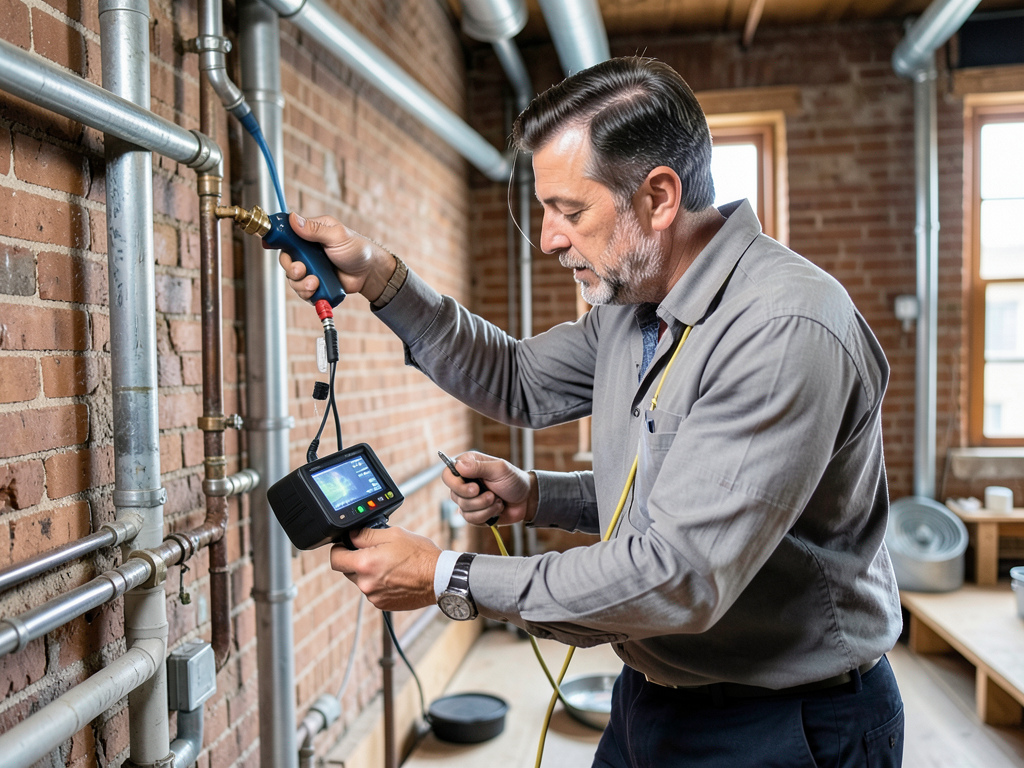
The technician inspects the problem, tests water pressure, checks shut-off valves, and may use a camera scope for drain issues. You receive a written estimate itemizing parts, labor, and any code-required upgrades before work begins. The estimate explains why certain steps are necessary, what gets replaced versus repaired, and how long the fix typically lasts. You approve or decline with full information.
03

Transparent Billing

After you approve the estimate, the final invoice matches the quoted price unless you request additional work or the technician discovers hidden damage that requires your explicit approval to address. You receive an itemized receipt showing parts by manufacturer and model number, labor breakdown, and warranty terms. Payment processes immediately upon completion, and you get both paper and email copies for your records.

Why Peak Plumbing St. Louis Publishes Real Cost Information

Most plumbing companies hide pricing until a technician stands in your home, creating pressure to approve expensive repairs on the spot. We publish cost guides because informed customers make better decisions and experience less buyer's remorse.

St. Louis's housing diversity means no two repairs cost exactly the same. A slab foundation home in South County has different access challenges than a basement home in Webster Groves. Historic properties in Lafayette Square require careful work around century-old plaster and woodwork that increases labor time. We account for these variables in our estimates rather than surprising you mid-job.

Our technicians carry pricing books updated quarterly to reflect current parts costs and labor market conditions. You see the same rates whether you call on Monday morning or Saturday night, though after-hours service does carry an emergency dispatch fee. This consistency removes the guesswork and prevents the common practice of charging whatever the market will bear based on your desperation level.

We also explain cost factors you can control. Clearing the work area before we arrive reduces labor time. Providing easy attic or crawlspace access prevents extra charges for moving storage items. Scheduling non-emergency repairs during business hours avoids premium rates. Bundling multiple small repairs into one service call spreads the diagnostic fee across several fixes.

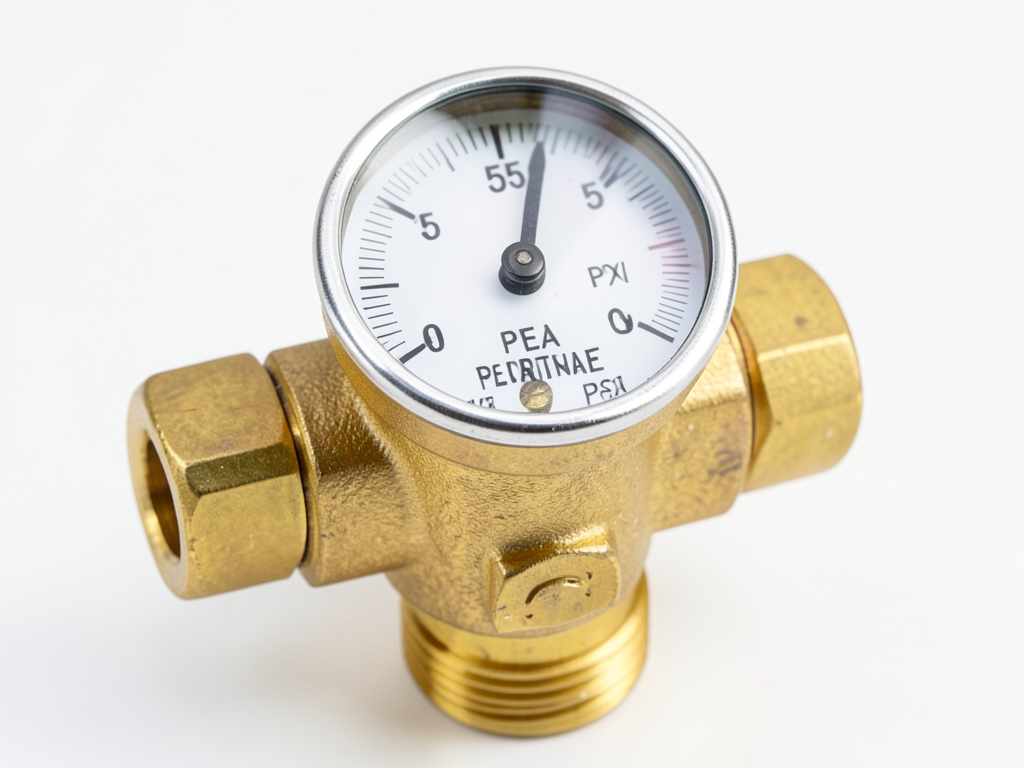
Local code knowledge prevents costly mistakes. St. Louis amended its plumbing code in 2023 to require water hammer arrestors on washing machine supply lines and pressure-reducing valves on services exceeding 80 PSI. These additions cost $120 to $280 but prevent fixture damage and extend appliance life. We include them in estimates for homes where inspection reveals the need, not as surprise add-ons.

What Your Plumbing Repair Investment Includes

Response Time and Scheduling

Standard appointments schedule within 24 to 48 hours for non-emergency repairs, with two-hour arrival windows to minimize your wait time. Emergency calls for active leaks, sewer backups, or no-water situations dispatch within 60 to 90 minutes, 24 hours a day. You receive text updates when the technician is en route and a courtesy call if delays occur. Same-day service is available for urgent but non-emergency situations like failed water heaters or clogged main drains when you call before noon.

Complete Problem Assessment

The diagnostic process goes beyond the obvious symptom to identify root causes and prevent recurring failures. A running toilet gets a full tank component inspection, fill valve pressure test, and flapper seat examination. Slow drains receive camera inspection to distinguish between simple clogs and pipe deterioration requiring replacement. Water pressure complaints trigger whole-house pressure testing and pressure-reducing valve evaluation. You get photos or video of problem areas and a written explanation of what's failing and why, helping you understand whether to repair or replace.

Quality Parts and Workmanship

Repairs use manufacturer-grade components, not box-store economy parts that fail within months. Delta gets Delta parts, Kohler gets Kohler parts, and proprietary assemblies get OEM replacements. PEX supply line repairs use expansion-style fittings rated for behind-wall installation, not crimp fittings that require future access. Drain repairs use schedule 40 PVC with properly deburred joints and correct slope, not the thin-wall DWV pipe that splits under stress. All work meets or exceeds current St. Louis building code, even when repairing older systems grandfathered under previous standards.

Repair Warranties and Callbacks

Labor warranties typically run one year from completion, covering workmanship defects and installation failures. Parts carry manufacturer warranties ranging from one year for trim components to lifetime coverage for certain valve bodies and cartridges. If a repair fails within the warranty period, you pay nothing for the return visit or replacement parts. We also provide free phone consultations for minor issues that arise after repair, walking you through simple fixes like resetting a garbage disposal or adjusting a fill valve before dispatching a technician.

Frequently Asked Questions

You Have Questions,
We Have Answers

How St. Louis Water Quality Affects Your Repair Costs

St. Louis water averages 120 to 180 parts per million hardness, depending on whether you receive Missouri River water (harder) or Meramec River water (slightly softer). This moderate hardness accelerates mineral buildup in water heaters, reducing tank life to 8 to 11 years versus the national average of 12 to 15 years. Sediment accumulates in cartridge bodies and valve seats, causing premature wear that turns a $15 washer replacement into a $180 cartridge replacement. The 2026 plumbing service rates account for this reality, with St. Louis technicians encountering calcified components that require extra labor to remove without breaking fixture bodies or supply connections.

Choosing a plumber familiar with St. Louis infrastructure prevents misdiagnosis and unnecessary work. Local techs recognize the galvanized-to-copper transitions common in 1960s ranch homes and know these joints corrode faster than straight runs, requiring proactive replacement rather than temporary patching. They understand that homes north of Highway 40 often have clay sewer laterals subject to root intrusion from mature street trees, making camera inspection worthwhile before attempting augering. This knowledge base, built over thousands of local service calls, reduces your average plumber costs in 2026 by preventing diagnostic dead ends and repeat visits.
Plumbing Services in The St. Louis Area

Peak Plumbing St. Louis is proud to serve the entire St. Louis metropolitan area and surrounding communities. Our dedicated team is strategically located to respond quickly to your residential and commercial plumbing needs. You can view our primary service area on the map below, but if you're located nearby and have a plumbing issue, don't hesitate to give us a call to see how we can assist you.

Address:
Peak Plumbing St. Louis, 4565 McRee Ave, St. Louis, MO, 63110

Additional Services We Offer

Our news updates

Latest Articles & News from The Blogs

Modernizing the Plumbing in a 100 Year Old Hyde Park Kitchen Hyde Park's historic charm comes with a unique plumbing…

Modernizing the Plumbing in a 100 Year Old Hyde Park Kitchen

Modernizing the Plumbing in a 100 Year Old Hyde Park Kitchen Hyde Park's historic charm comes with a unique plumbing…

Why Your Forest Park Southeast Condo Needs a Water Pressure Regulator

Why Your Forest Park Southeast Condo Needs a Water Pressure Regulator Living in a Forest Park Southeast condo means enjoying…

The Best Way to Hide Exposed Plumbing in Your Soulard Loft

The Best Way to Hide Exposed Plumbing in Your Soulard Loft Exposed pipes in your Soulard loft can clash with…

Contact Us

You deserve transparent pricing before committing to any repair. Call Peak Plumbing St. Louis at (314) 417-7677 for a detailed estimate that explains what you're paying for and why. No surprises, no pressure, just honest answers.