
Modernizing the Plumbing in a 100 Year Old Hyde Park Kitchen
Hyde Park’s historic charm comes with a unique plumbing challenge. Many kitchens in this North St. Louis neighborhood still operate with century-old galvanized steel pipes, lead service lines, and wall-mounted fixtures that were cutting-edge in 1925. Today’s homeowners want both the authentic look and modern reliability. The good news? With the right expertise, you can keep your vintage aesthetic while meeting 2026 plumbing codes and eliminating chronic issues like low water pressure and hidden leaks. St. Louis County Lead Poisoning Prevention.
The first step is understanding what’s behind your walls. Most Hyde Park kitchens built before 1940 used galvanized steel supply lines that corrode from the inside out. You can’t see the rust building up, but you’ll feel it through reduced flow and discolored water. Lead service lines were also common in this area before the 1950s. These pipes pose serious health risks and violate current EPA Lead and Copper Rule requirements. EPA Lead and Copper Rule.
Call (314) 417-7677 today for a free inspection of your vintage kitchen plumbing.
The Unique Challenges of St. Louis Historic Plumbing
St. Louis’s aging infrastructure creates specific problems for Hyde Park homeowners. The city’s combined sewer system, managed by the Metropolitan Sewer District, means heavy rainfall can overwhelm drainage capacity. This affects how we design modern P-trap configurations for vintage sinks. Why Kirkwood Homeowners Keep Calling Us for Stubborn Drain Clogs.
Historic brick construction presents another hurdle. Opening walls to replace pipes requires matching original plaster and preserving architectural details. We use endoscopic cameras to inspect pipe conditions without unnecessary demolition—a technique that saves both time and historic character. Replacing Old Iron Pipes in Historic Webster Groves Homes.
Local building codes have evolved significantly. Current St. Louis County Plumbing Code requires all new installations to use lead-free materials and meet specific pressure requirements that old systems often can’t achieve without complete replacement of supply lines. Professional Gas Line Installation for Your New Outdoor Kitchen in Wildwood.
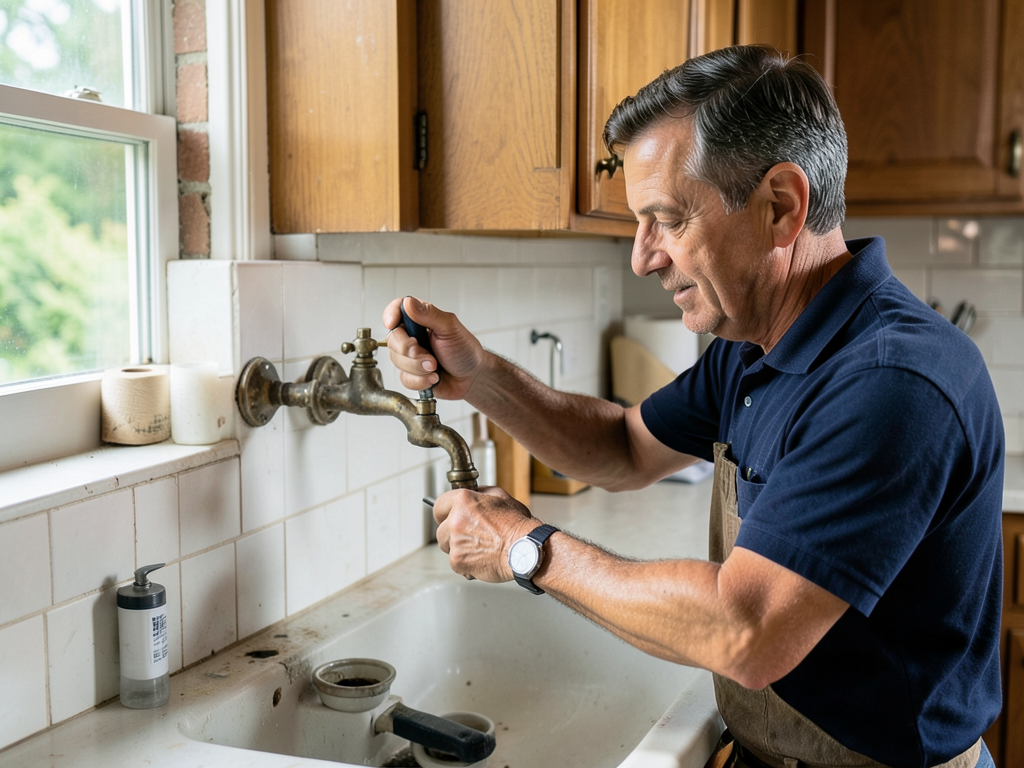
Restoring vs. Replacing Vintage Fixtures
Not every antique fixture needs replacement. Many original bridge faucets and wall-mount units can be restored with modern ceramic disc cartridges that eliminate drips while maintaining the period look. The key is identifying which components are worth saving.
Porcelain-enamel cast iron sinks from the 1920s-1940s often have superior durability compared to modern alternatives. We can re-enamel these surfaces or install them with modern mounting hardware that prevents the cracking common in older installations.
However, some vintage fixtures pose safety concerns. Pre-1940s faucets may contain lead components. We test all fixtures for lead content and recommend replacement when levels exceed safety thresholds. Modern reproductions from brands like Kingston Brass offer authentic styling with lead-free internals.
The thread compatibility issue often surprises homeowners. Many vintage faucets use British Standard Pipe (BSP) threads rather than the National Pipe Thread (NPT) standard used today. We maintain a inventory of adapters and can fabricate custom fittings when needed.
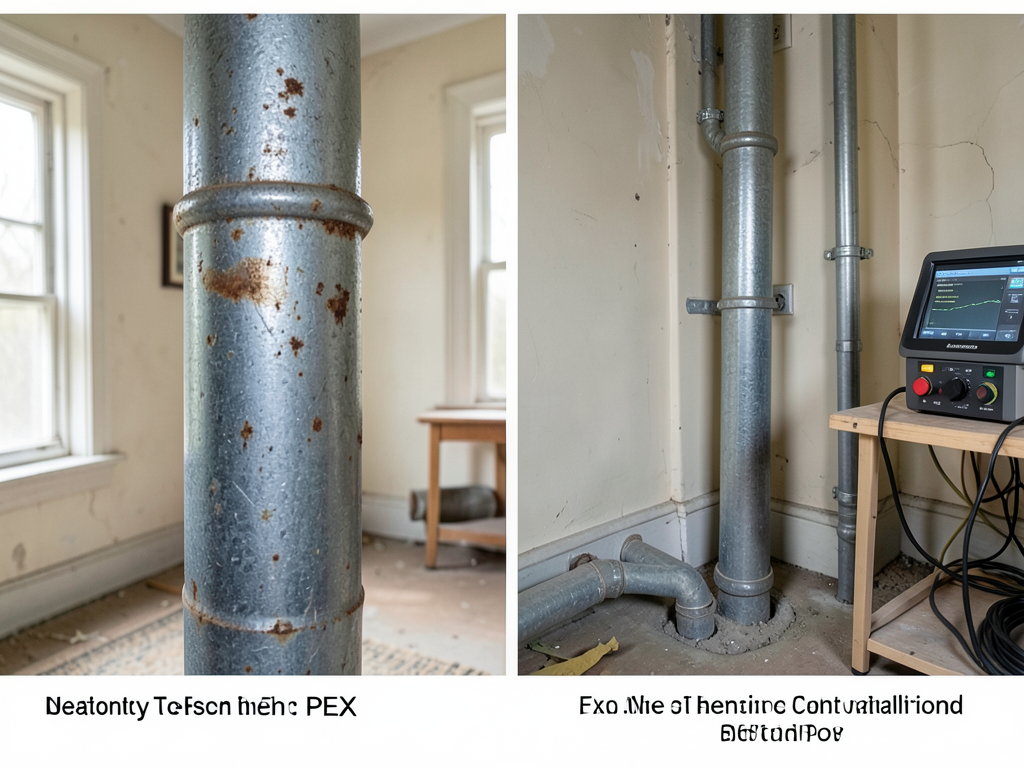
Modernizing Old Systems Without Destroying Character
The goal is invisible modernization. We typically run new PEX supply lines through existing wall cavities, connecting them to original fixture locations. PEX’s flexibility allows us to navigate around old framing and plaster without demolition.
For drainage, we often maintain the original cast iron waste pipes while adding modern cleanouts and vent connections. This preserves the kitchen’s footprint while ensuring proper drainage and meeting current code requirements for DWV (drain-waste-vent) systems.
Water pressure improvements require addressing the main supply line. If your home still has a lead service line, Missouri DNR regulations mandate replacement with copper or PEX when any work is done on the system. We coordinate with MSD for permits and inspections. How to Get a Same-Day Water Heater Repair in Sunset Hills.
Modern water heaters need proper expansion tanks and pressure-reducing valves when connected to old plumbing. Without these, thermal expansion can damage vintage fixtures and cause premature failure of restored components. Plumbing Florissant.
Don’t risk damaging your historic home. Call (314) 417-7677 for expert vintage kitchen plumbing modernization.
Common Vintage Issues We Solve in Hyde Park
Low water pressure plagues many Hyde Park kitchens. The culprit is usually internal pipe corrosion that narrows the flow path by 50-80%. We use pressure testing to locate restrictions and determine whether spot repairs or complete repiping makes more sense.
Wall-mounted faucet leaks often stem from failed compression washers or corroded valve seats. Modern cartridge systems eliminate these failure points while maintaining the original mounting configuration.
Drain clogs in vintage kitchens frequently result from inadequate venting or improper trap configurations. We redesign these systems to prevent the gurgling and slow drainage that frustrates homeowners.
Temperature fluctuations when using multiple fixtures indicate insufficient supply line capacity. This common issue in 100-year-old homes requires upgrading the main lines while preserving fixture locations.
Hidden leaks behind walls can cause extensive damage before detection. We use acoustic leak detection and thermal imaging to find problems early, preventing the mold and structural issues common in neglected vintage systems.
Before and After: Hyde Park Kitchen Transformations
Recent project: A 1925 Hyde Park kitchen with original wall-mount faucet and cast iron sink. The homeowner wanted to keep the vintage aesthetic but fix chronic low pressure and a leaking drain. We replaced the galvanized supply lines with PEX, restored the faucet with ceramic internals, and rebuilt the P-trap system with modern materials hidden from view. Result: full pressure, no leaks, and the kitchen looks exactly as it did in 1925.
Another case involved a lead service line replacement in the Baden neighborhood near Hyde Park. The home built in 1918 had never had the supply line updated. We coordinated with MSD for the permit, replaced 60 feet of lead pipe with copper, and installed a new pressure-reducing valve to protect the vintage fixtures.
These transformations typically take 3-5 days, depending on the extent of work needed. We provide detailed timelines and work to minimize disruption to your daily routine.
Cost Factors for Vintage Kitchen Plumbing Updates
Several factors influence project costs. Lead service line replacement requires MSD permits and inspection fees. Wall restoration after plumbing work adds labor costs. The condition of existing pipes determines whether spot repairs suffice or complete repiping is necessary.
Fixture restoration versus replacement presents a cost tradeoff. Simple faucet rebuilds might cost $200-400, while complete replacements with authentic reproductions run $800-1,500. We help you evaluate which approach makes sense for your specific situation.
Emergency repairs typically cost 30-50% more than planned work. If you’re experiencing leaks or pressure issues, addressing them proactively often saves money compared to emergency service calls.
St. Louis Building Codes for Historic Home Plumbing
Current St. Louis County Plumbing Code Section 415.1 requires all new installations to use materials certified as lead-free under NSF/ANSI 61 standards. This affects any work on vintage systems, even when maintaining original fixtures.
Missouri DNR regulations mandate lead service line replacement when any modification is made to the water supply system. This applies to Hyde Park homes built before 1960, when lead pipes were commonly used for service lines.
Local historic preservation guidelines may apply if your home is in a designated district. We coordinate with the St. Louis Historic Preservation Board to ensure exterior modifications meet aesthetic requirements while improving functionality.
Backflow prevention requirements under Missouri Code of State Regulations 10 CSR 60-11.010 apply to any new fixture installation. We install and test these devices as required for code compliance.
Maintaining Your Updated Vintage Kitchen
After modernization, proper maintenance prevents future problems. We recommend annual inspections of restored fixtures to catch wear before failures occur. Simple tasks like cleaning aerator screens and checking for drips can extend the life of your updated system.
Water quality affects system longevity. If your home has hard water, installing a softener protects both vintage fixtures and new plumbing components. We can test your water and recommend appropriate treatment.
Temperature settings on water heaters impact fixture life. Setting your heater to 120°F provides adequate hot water while reducing stress on older fixtures and supply lines.
Seasonal changes affect older homes differently than new construction. In winter, allowing cabinet doors to remain open helps prevent freezing in areas where insulation may be inadequate.
Why Choose Local Expertise for Your Hyde Park Kitchen
Hyde Park’s unique housing stock requires specialized knowledge. Our team has completed dozens of vintage kitchen plumbing projects throughout North St. Louis, giving us insight into common failure patterns and effective solutions.
We understand the balance between preservation and functionality. Our approach prioritizes maintaining your home’s character while eliminating the chronic issues that make vintage kitchens frustrating to use.
Local code compliance is critical. We handle all permits and inspections, ensuring your project meets current requirements without unexpected delays or costly rework.
Our diagnostic approach saves you money. We use advanced testing equipment to pinpoint problems accurately, avoiding the guesswork that leads to unnecessary demolition and replacement.
Emergency service is available when problems arise. Our team responds quickly to leaks or failures in vintage systems, with fully stocked vehicles carrying the specialized parts needed for older fixtures.
Frequently Asked Questions
Can I keep my original wall-mount faucet during a kitchen update?
Yes, in most cases. We can restore vintage faucets with modern ceramic disc cartridges that eliminate drips while maintaining the original appearance. However, we test all pre-1940s fixtures for lead content and recommend replacement if levels are unsafe.
How long does a complete vintage kitchen plumbing update take?
Most projects require 3-5 days, depending on the extent of work needed. Simple fixture restorations might take a single day, while complete repiping with lead service line replacement typically requires 4-5 days including inspections.
Will I need permits for updating my historic kitchen plumbing?
Yes, any work that modifies supply lines or drainage requires permits from St. Louis County. Lead service line replacement also requires MSD permits. We handle all permitting and coordinate required inspections as part of our service.
What’s the difference between restoring and replacing vintage fixtures?
Restoration involves rebuilding existing fixtures with modern internals while maintaining the original exterior. Replacement uses new fixtures designed to match the vintage aesthetic. Restoration is often more cost-effective for high-quality original fixtures, while replacement may be better for heavily damaged or unsafe components.
How do I know if my home has lead service lines?
Homes built before 1960 in Hyde Park likely have lead service lines. You can check by locating the water meter and inspecting the pipe entering your home. Lead pipes are dull gray and soft enough to be scratched with a key. We offer free inspections to confirm pipe materials.
Will updating my plumbing affect my home’s historic value?
When done properly, plumbing updates preserve and often enhance historic value by improving functionality while maintaining authentic appearance. Our approach focuses on invisible modernization—upgrading the guts while keeping the historic shell intact.
What should I do if I discover a leak in my vintage kitchen?
Turn off the water supply immediately and call for emergency service. Vintage systems often have multiple failure points, so a visible leak may indicate more extensive problems. We provide 24/7 emergency response for Hyde Park and surrounding North St. Louis neighborhoods.
Are modern water heaters compatible with vintage plumbing?
Modern water heaters require additional components like expansion tanks and pressure-reducing valves when connected to old plumbing systems. We ensure these installations meet current code while protecting your vintage fixtures from damage caused by thermal expansion.
How much does vintage kitchen plumbing modernization typically cost?
Costs vary widely based on the scope of work. Simple fixture restorations start around $500, while complete system updates with lead service line replacement typically range from $3,000 to $8,000. We provide detailed estimates after inspection and can often phase work to fit your budget.
Ready to modernize your historic kitchen plumbing? Call (314) 417-7677 today for your free inspection and estimate.
{
“@context”: “https://schema.org”,
“@type”: “BlogPosting”,
“headline”: “Modernizing the Plumbing in a 100 Year Old Hyde Park Kitchen”,
“description”: “Expert guide to updating plumbing in historic Hyde Park kitchens. Learn about vintage fixtures, lead pipe replacement, and St. Louis building codes for 100-year-old homes.”,
“wordCount”: 1979,
“datePublished”: “2026-06-10T07:49:00.000Z”,
“dateModified”: “2026-06-10T07:49:00.000Z”,
“inLanguage”: “en-US”,
“mainEntityOfPage”: {
“@type”: “WebPage”,
“@id”: “https://peakplumbingstlouis.com”
},
“publisher”: {
“@type”: “LocalBusiness”,
“name”: “Peak Plumbing St. Louis”,
“url”: “https://peakplumbingstlouis.com”
},
“author”: {
“@type”: “Organization”,
“name”: “Peak Plumbing St. Louis”,
“url”: “https://peakplumbingstlouis.com”
},
“image”: {
“@type”: “ImageObject”,
“url”: “https://peakplumbingstlouis.com/wp-content/uploads/2026/03/modernizing-the-plumbing-in-a-100-year-old-hyde-pa-1.png”
}
}
{
“@context”: “https://schema.org”,
“@type”: “Plumber”,
“name”: “Peak Plumbing St. Louis”,
“url”: “https://peakplumbingstlouis.com”,
“address”: {
“@type”: “PostalAddress”,
“addressLocality”: “St. Louis”
},
“areaServed”: {
“@type”: “City”,
“name”: “St. Louis”
}
}
{
“@context”: “https://schema.org”,
“@type”: “FAQPage”,
“mainEntity”: [
{
“@type”: “Question”,
“name”: “Can I keep my original wall-mount faucet during a kitchen update?”,
“acceptedAnswer”: {
“@type”: “Answer”,
“text”: “Yes, in most cases. We can restore vintage faucets with modern ceramic disc cartridges that eliminate drips while maintaining the original appearance. However, we test all pre-1940s fixtures for lead content and recommend replacement if levels are unsafe.”
}
},
{
“@type”: “Question”,
“name”: “How long does a complete vintage kitchen plumbing update take?”,
“acceptedAnswer”: {
“@type”: “Answer”,
“text”: “Most projects require 3-5 days, depending on the extent of work needed. Simple fixture restorations might take a single day, while complete repiping with lead service line replacement typically requires 4-5 days including inspections.”
}
},
{
“@type”: “Question”,
“name”: “What’s the difference between restoring and replacing vintage fixtures?”,
“acceptedAnswer”: {
“@type”: “Answer”,
“text”: “Restoration involves rebuilding existing fixtures with modern internals while maintaining the original exterior. Replacement uses new fixtures designed to match the vintage aesthetic. Restoration is often more cost-effective for high-quality original fixtures, while replacement may be better for heavily damaged or unsafe components.”
}
},
{
“@type”: “Question”,
“name”: “How do I know if my home has lead service lines?”,
“acceptedAnswer”: {
“@type”: “Answer”,
“text”: “Homes built before 1960 in Hyde Park likely have lead service lines. You can check by locating the water meter and inspecting the pipe entering your home. Lead pipes are dull gray and soft enough to be scratched with a key. We offer free inspections to confirm pipe materials.”
}
},
{
“@type”: “Question”,
“name”: “Will updating my plumbing affect my home’s historic value?”,
“acceptedAnswer”: {
“@type”: “Answer”,
“text”: “When done properly, plumbing updates preserve and often enhance historic value by improving functionality while maintaining authentic appearance. Our approach focuses on invisible modernization—upgrading the guts while keeping the historic shell intact.”
}
},
{
“@type”: “Question”,
“name”: “What should I do if I discover a leak in my vintage kitchen?”,
“acceptedAnswer”: {
“@type”: “Answer”,
“text”: “Turn off the water supply immediately and call for emergency service. Vintage systems often have multiple failure points, so a visible leak may indicate more extensive problems. We provide 24/7 emergency response for Hyde Park and surrounding North St. Louis neighborhoods.”
}
},
{
“@type”: “Question”,
“name”: “Are modern water heaters compatible with vintage plumbing?”,
“acceptedAnswer”: {
“@type”: “Answer”,
“text”: “Modern water heaters require additional components like expansion tanks and pressure-reducing valves when connected to old plumbing systems. We ensure these installations meet current code while protecting your vintage fixtures from damage caused by thermal expansion.”
}
},
{
“@type”: “Question”,
“name”: “How much does vintage kitchen plumbing modernization typically cost?”,
“acceptedAnswer”: {
“@type”: “Answer”,
“text”: “Costs vary widely based on the scope of work. Simple fixture restorations start around $500, while complete system updates with lead service line replacement typically range from $3,000 to $8,000. We provide detailed estimates after inspection and can often phase work to fit your budget.”
}
}
]
}
{
“@context”: “https://schema.org”,
“@type”: “BreadcrumbList”,
“itemListElement”: [
{
“@type”: “ListItem”,
“position”: 1,
“name”: “Home”,
“item”: “https://peakplumbingstlouis.com”
},
{
“@type”: “ListItem”,
“position”: 2,
“name”: “Blog”,
“item”: “https://peakplumbingstlouis.com/blog”
},
{
“@type”: “ListItem”,
“position”: 3,
“name”: “Modernizing the Plumbing in a 100 Year Old Hyde Park Kitchen”
}
]
}
{
“@context”: “https://schema.org”,
“@type”: “Service”,
“serviceType”: “Plumbing”,
“provider”: {
“@type”: “LocalBusiness”,
“name”: “Peak Plumbing St. Louis”,
“url”: “https://peakplumbingstlouis.com”
},
“areaServed”: {
“@type”: “City”,
“name”: “St. Louis”
},
“description”: “Expert guide to updating plumbing in historic Hyde Park kitchens. Learn about vintage fixtures, lead pipe replacement, and St. Louis building codes for 100-year-old homes.”
}