





Menu

Faucet & Sink Repair in St. Louis – Expert Diagnosis and Permanent Fixes for Every Fixture

From stubborn drips to complete drain failures, Peak Plumbing St. Louis delivers precise faucet and sink repair backed by knowledge of local water chemistry and fixture longevity challenges unique to the Gateway City.

Slider Image 1
Slider Image 2
Slider Image 3
Slider Image 4
Slider Image 5
Slider Image 7
Slider Image 8
Slider Image 9
Slider Image 10
Slider Image 11

Why St. Louis Water Takes a Toll on Your Faucets and Sinks

St. Louis pulls its municipal water from the Mississippi and Missouri Rivers. That means your home plumbing deals with higher mineral content than softer-water regions. Over time, calcium and magnesium accumulate inside faucet cartridges, around valve seats, and across aerator screens. What starts as a slow drip becomes a steady stream. What looks like a simple clog is mineral buildup strangling your drain assembly.

The freeze-thaw cycles here add another layer of stress. When temperatures swing from 15 degrees in January to 95 in July, the expansion and contraction affect supply lines, compression fittings, and basin seals. A bathroom faucet repair that looks straightforward on the surface often reveals corrosion behind the escutcheon plate or a cracked mixing valve stem.

Fixing leaky faucets is not just about stopping the drip. It is about understanding how local water chemistry accelerates wear on rubber washers, ceramic disc cartridges, and O-rings. Kitchen sink repair calls in University City or Lafayette Square often involve replacing corroded tailpieces or P-traps that have thinned from years of hard water exposure. Ignoring a small leak wastes gallons per day and invites cabinet rot, mold growth under your countertop, and subfloor damage that turns a simple fix into a four-figure problem.

Why St. Louis Water Takes a Toll on Your Faucets and Sinks
How Peak Plumbing St. Louis Diagnoses and Repairs Sink Fixtures Correctly

How Peak Plumbing St. Louis Diagnoses and Repairs Sink Fixtures Correctly

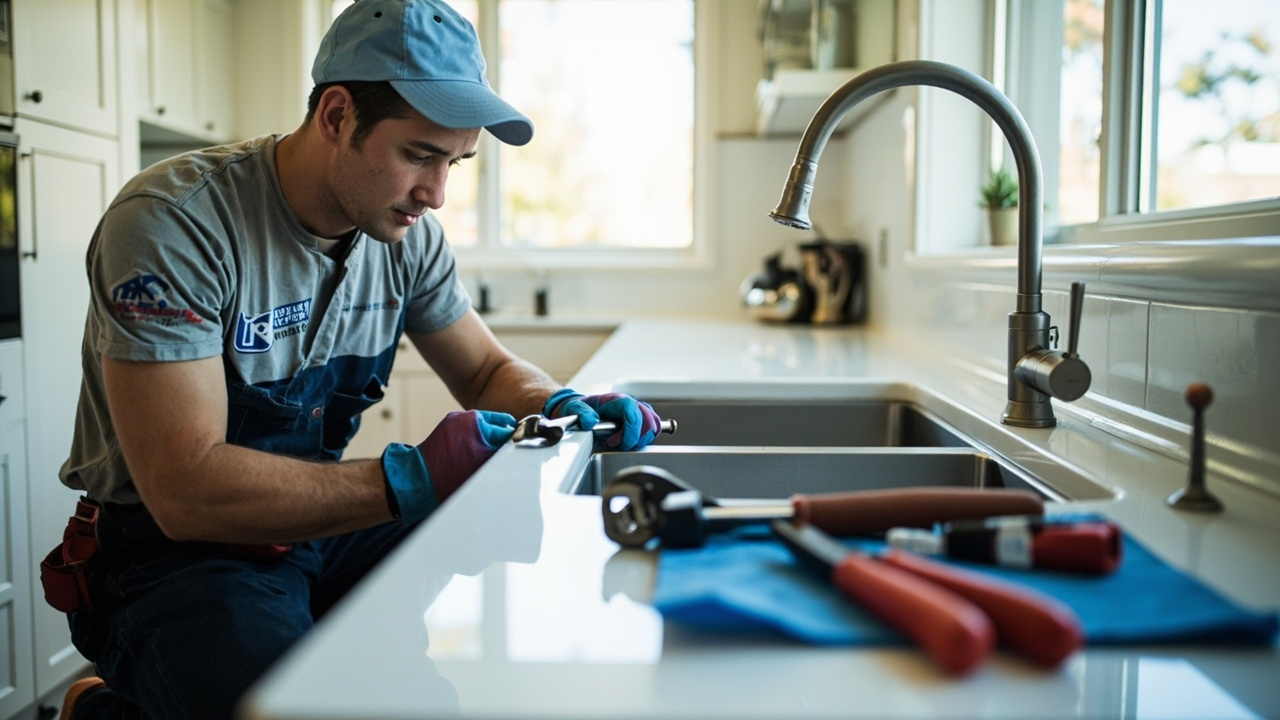
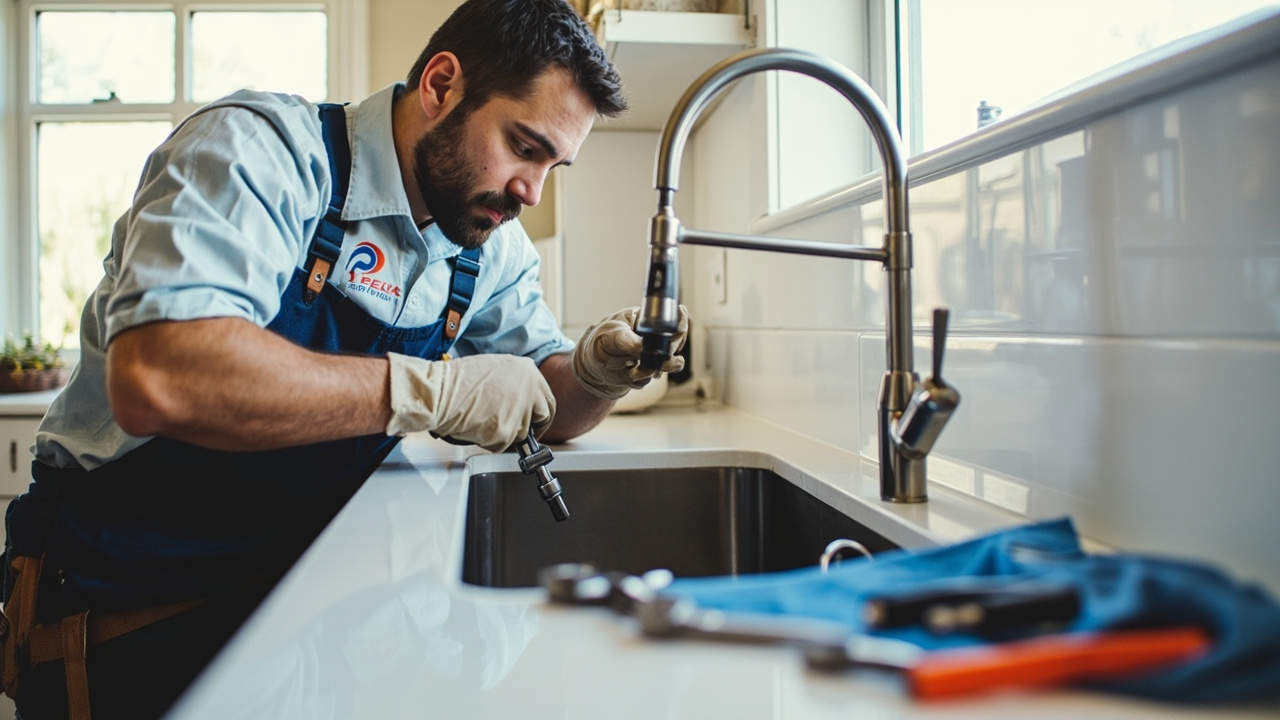
Most service calls for broken tap repair fail because the technician replaces the visible part without addressing the root cause. We start every sink fixture repair with a pressure test and a visual inspection of the supply lines, shutoff valves, and drain assembly. If your faucet drips from the spout, we pull the cartridge or stem and check for scoring, mineral deposits, or worn seals. If it leaks at the base, we inspect the mounting nuts, gaskets, and deck plate integrity.

For kitchen sink repair, we examine the basket strainer, tailpiece threads, and slip-joint connections. A loose slip nut is a ten-minute fix. A cracked strainer body or corroded drain flange requires cutting out the old assembly and resealing the sink deck with plumber's putty or silicone. We also check for improper venting, which causes slow drainage and siphoning that damages trap seals.

Bathroom faucet repair often involves single-handle cartridge replacements, two-handle stem assemblies, or widespread valve rebuilds. We carry cartridges for Delta, Moen, Kohler, American Standard, and Pfister on every truck. If your fixture is discontinued, we source OEM or compatible parts rather than forcing a universal kit that will fail in six months. We also inspect the pop-up drain assembly, pivot rod, and lift rod linkage, because a sluggish stopper or leaking drain body often accompanies the faucet issue you called about.

What Happens When You Call for Faucet or Sink Repair

Faucet & Sink Repair in St. Louis – Expert Diagnosis and Permanent Fixes for Every Fixture
01

Initial Assessment and Testing

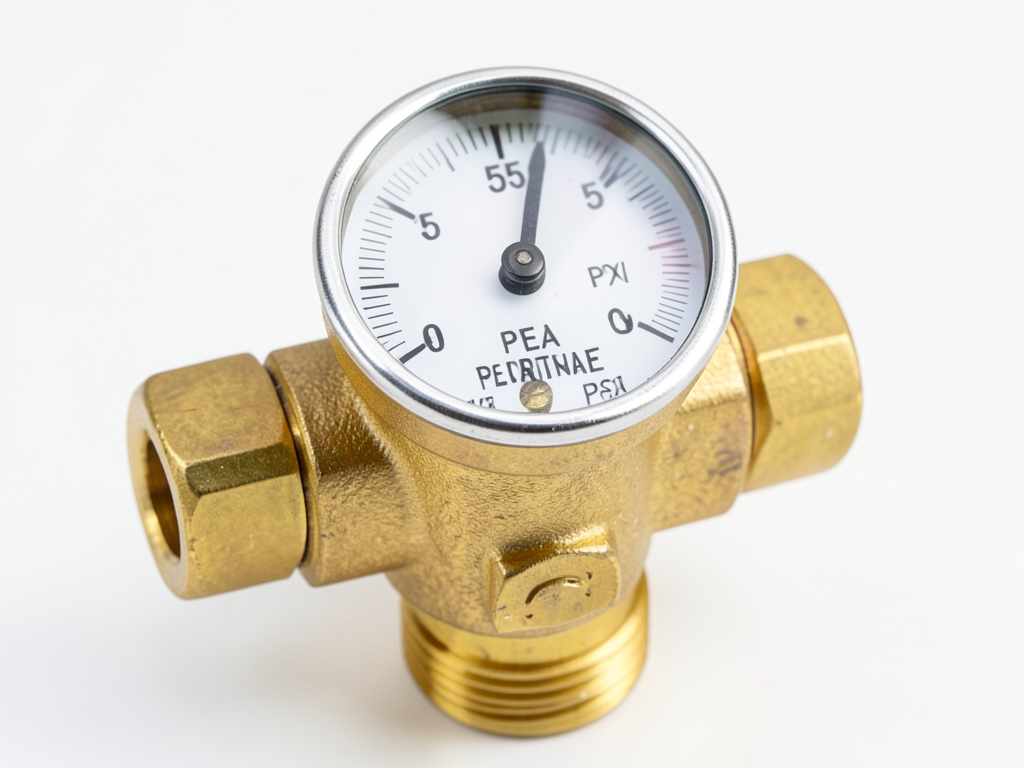
We isolate the fixture, shut off the water supply, and remove aerators or strainers to check for debris. We test water pressure at the shutoff valve and inspect visible supply lines for kinks, corrosion, or improper braided hose installation. This step identifies whether the problem is mechanical, chemical, or pressure-related before we disassemble anything.
02

Disassembly and Component Evaluation

We remove the handle, bonnet nut, and cartridge or stem assembly. Each component is inspected for wear, mineral buildup, or damage. We measure the cartridge length and spline count to match the correct replacement. For sink drains, we disconnect the P-trap and tailpiece to check for blockages, corrosion, or improper slope that causes standing water and odors.
03

Repair, Reassembly, and Function Test

We install new cartridges, O-rings, or washers, apply thread sealant or plumber's grease where needed, and reassemble the fixture. We restore water pressure slowly to check for leaks at every connection point. We test hot and cold mixing, check drain flow, and verify no drips remain under load. You see the fix work before we leave.

Why St. Louis Homeowners Trust Peak Plumbing for Sink and Faucet Work

We work in homes across Tower Grove South, Soulard, The Hill, and Clayton every week. We know the plumbing signatures of early 1900s brick two-families, mid-century ranch homes, and newer construction in Ballwin or Chesterfield. Older homes often have galvanized supply lines feeding modern fixtures, which creates pressure imbalances and premature cartridge wear. Newer builds sometimes use cheap plastic tailpieces that crack under normal use. We account for these variables during every service call.

Our technicians understand St. Louis water. We know that municipal water hardness averages 120 to 140 parts per million, which accelerates scale formation inside faucet bodies and around valve seats. That context shapes how we recommend repairs. If your faucet is five years old and the cartridge is shot, we explain whether it makes sense to rebuild it or upgrade to a better fixture that handles hard water more reliably.

We also respect your time. Most faucet and sink repairs take 45 minutes to 90 minutes, depending on access and fixture age. We stock common parts and bring specialized tools for seized mounting nuts, corroded basin wrenches, and stuck cartridges. You do not wait three days for a part to ship from a warehouse in another state. We fix it the same day, or we tell you upfront if a custom order is necessary.

Peak Plumbing St. Louis has built its reputation on honest diagnostics and clean work. We do not upsell you into a full fixture replacement when a cartridge swap will solve the problem. We do not leave water damage, stripped threads, or loose connections behind.

What You Can Expect From Our Faucet and Sink Repair Service

Fast Response and Flexible Scheduling

We offer same-day and next-day appointments for most faucet and sink repairs. If you call before noon, we can usually dispatch a technician that afternoon. For emergencies like a broken supply line or a sink drain backing up into your dishwasher, we prioritize your call and arrive as fast as traffic allows. We also offer evening and Saturday appointments for homeowners who cannot take time off work. You should not have to choose between losing a day of pay and living with a leaking faucet.

Thorough Diagnosis Before We Start Work

We explain what we find and give you a clear price before we begin repairs. If your kitchen faucet needs a new cartridge, we show you the old one and explain why it failed. If your bathroom sink drain is slow because of hair buildup versus a venting issue, we walk you through the difference. You make informed decisions, not rushed ones. We do not start tearing things apart and then surprise you with a bill that is triple the original estimate.

Clean, Permanent Repairs That Last

We use manufacturer-spec parts, proper torque on compression fittings, and correct sealants for each application. We do not wrap Teflon tape the wrong direction or overtighten plastic nuts until they crack. We test every connection under pressure and inspect for leaks at the shutoff valve, supply line, and drain assembly. When we finish, your sink and faucet work the way they should. No drips. No slow drainage. No callbacks three weeks later because a shortcut failed.

Guidance on Fixture Longevity and Maintenance

After we complete the repair, we give you practical advice on extending the life of your faucets and drains. That might mean installing an aerator with a built-in filter to reduce sediment, flushing your shutoff valves twice a year to prevent seizing, or using enzyme drain cleaners instead of caustic chemicals that corrode pipes. If your fixture is near the end of its lifespan, we tell you what to watch for so you can plan a replacement on your timeline, not during a crisis.

Frequently Asked Questions

You Have Questions,
We Have Answers

How much does it cost to repair a sink faucet? +

Sink faucet repair costs in St. Louis typically range based on the issue. Simple fixes like replacing a washer or O-ring run lower, while cartridge replacements or valve seat repairs cost more. The faucet type matters. Single-handle models differ from compression faucets common in older St. Louis homes. Parts availability affects price. Most plumbers charge a service call fee plus labor and materials. Expect higher rates for emergency calls or weekend service. Water hardness in St. Louis accelerates wear on internal components, so mineral buildup repairs are common. Get a diagnosis before committing to repairs versus full replacement.

How do I get my faucet to stop dripping? +

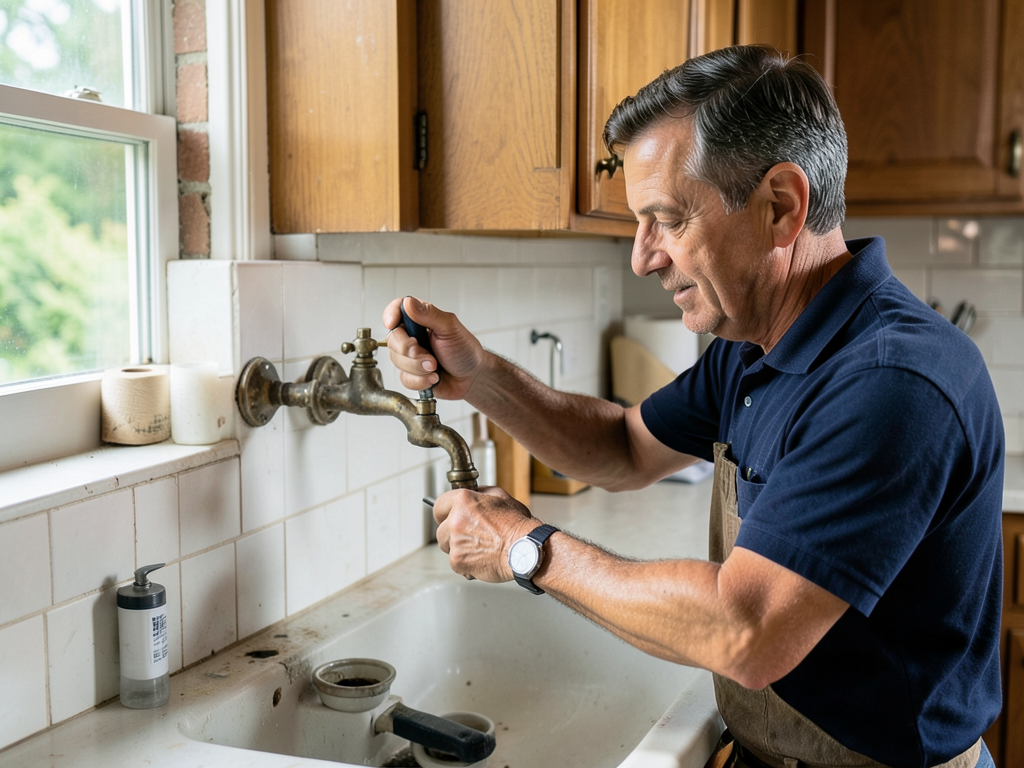
A dripping faucet usually means a worn washer, O-ring, or cartridge. For compression faucets common in older St. Louis properties, turn off the water supply under the sink, remove the handle, and replace the rubber washer inside. For cartridge faucets, you need to pull the entire cartridge and swap it. St. Louis water hardness causes mineral buildup that damages seals faster. If the valve seat is corroded or pitted, the drip continues even with new parts. Tighten loose connections first. If you lack the tools or the drip persists after replacing parts, call a plumber to prevent water waste and higher bills.

How do I know if my faucet cartridge needs replacing? +

Your faucet cartridge needs replacing if water drips constantly from the spout, handles feel stiff or loose, temperature control fails, or water flow weakens. In St. Louis homes, hard water accelerates cartridge wear by depositing minerals inside the valve. If you cannot achieve full hot or cold water, the cartridge is likely damaged. Single-handle faucets use cartridges that control both flow and temperature. When these fail, you get inconsistent water temperature or a handle that spins without shutting off. Pull the cartridge and inspect for cracks, mineral deposits, or worn seals. Replacement requires matching the exact cartridge model to your faucet brand.

How much do plumbers charge to replace a sink faucet? +

Plumbers in St. Louis charge for both labor and the faucet fixture when replacing a sink faucet. Labor costs depend on installation complexity. A straightforward swap on existing supply lines takes less time than retrofitting new shutoff valves or modifying plumbing for different faucet configurations. You supply the faucet or pay the plumber's markup. Older homes in neighborhoods like Soulard or Tower Grove South may need supply line updates due to corrosion or outdated fittings. Emergency or after-hours service costs more. Get quotes that include removal, installation, testing for leaks, and cleanup. Verify the plumber pulls permits if required by St. Louis building codes.

How St. Louis Water Quality Shapes Faucet and Sink Repair Decisions

The Mississippi and Missouri Rivers supply most of the drinking water for St. Louis and surrounding counties. That water carries dissolved minerals, sediment, and chlorine treatment chemicals that affect plumbing fixtures differently than in soft-water cities. Calcium carbonate deposits inside cartridge housings and around valve seats. Chlorine degrades rubber gaskets and O-rings faster than in untreated well water. If you live in an older neighborhood like Shaw or Dutchtown, your home may also have original galvanized pipes feeding newer fixtures, which introduces iron oxide and zinc particulate into the water stream. Those particles score cartridge surfaces and clog aerators, turning a simple drip into a recurring maintenance issue.

Peak Plumbing St. Louis understands the local plumbing code requirements and water chemistry challenges specific to the Gateway City. We know that kitchen sink repair in a 1920s brick home in Benton Park requires different techniques than fixing a bathroom faucet in a 2010 subdivision home in O'Fallon. We carry parts that perform well in hard water environments, and we recommend fixture upgrades that reduce maintenance cycles. Our technicians live and work in the same neighborhoods we serve, which means we have seen the recurring problems and know how to fix them right the first time.
Plumbing Services in The St. Louis Area

Peak Plumbing St. Louis is proud to serve the entire St. Louis metropolitan area and surrounding communities. Our dedicated team is strategically located to respond quickly to your residential and commercial plumbing needs. You can view our primary service area on the map below, but if you're located nearby and have a plumbing issue, don't hesitate to give us a call to see how we can assist you.

Address:
Peak Plumbing St. Louis, 4565 McRee Ave, St. Louis, MO, 63110

Additional Services We Offer

Our news updates

Latest Articles & News from The Blogs

Modernizing the Plumbing in a 100 Year Old Hyde Park Kitchen Hyde Park's historic charm comes with a unique plumbing…

Modernizing the Plumbing in a 100 Year Old Hyde Park Kitchen

Modernizing the Plumbing in a 100 Year Old Hyde Park Kitchen Hyde Park's historic charm comes with a unique plumbing…

Why Your Forest Park Southeast Condo Needs a Water Pressure Regulator

Why Your Forest Park Southeast Condo Needs a Water Pressure Regulator Living in a Forest Park Southeast condo means enjoying…

The Best Way to Hide Exposed Plumbing in Your Soulard Loft

The Best Way to Hide Exposed Plumbing in Your Soulard Loft Exposed pipes in your Soulard loft can clash with…

Contact Us

Call Peak Plumbing St. Louis at (314) 417-7677 to schedule your faucet or sink repair. We offer same-day service, transparent pricing, and repairs that last. No drips. No surprises. No callbacks.