




Menu

Professional Plumbing Services in St. Louis – Residential and Commercial Solutions You Can Trust

From routine maintenance to complex system repairs, Peak Plumbing St. Louis delivers comprehensive plumbing services backed by local expertise, transparent pricing, and same-day availability throughout the greater St. Louis metro.

Slider Image 1
Slider Image 2
Slider Image 3
Slider Image 4
Slider Image 5
Slider Image 7
Slider Image 8
Slider Image 9
Slider Image 10
Slider Image 11

Why St. Louis Plumbing Systems Face Unique Challenges

Your plumbing system works harder in St. Louis than you might realize. The Mississippi River basin sits on expansive clay soil that shifts dramatically with seasonal moisture changes. When the ground swells during spring rains and contracts in summer heat, underground pipes bend, crack, and separate at joints. This constant pressure creates slow leaks that turn into basement floods without warning.

St. Louis's hard water compounds these problems. Mineral deposits build up inside pipes, water heaters, and fixtures faster than in most cities. You notice it on your showerheads and faucets, but the real damage happens where you cannot see it. Scale narrows pipe diameter, reduces water pressure, and forces your water heater to work twice as hard just to maintain temperature.

The freeze-thaw cycles here create another layer of risk. Temperatures drop below freezing an average of 100 nights per year. Any water trapped in exterior pipes or poorly insulated interior lines expands when it freezes, cracking pipes from the inside out. Local plumbers in this region understand these patterns and know which homes face the highest risk based on age, construction type, and neighborhood.

When you search for plumbing contractors near you, you need someone who understands these local factors. Professional plumbers who work exclusively in St. Louis recognize the warning signs before minor issues become major expenses. They know which pipe materials hold up best in our soil conditions and which water heater brands resist scale buildup most effectively. Generic plumbing repair services miss these details. Local knowledge makes the difference between a quick fix and a lasting solution.

Why St. Louis Plumbing Systems Face Unique Challenges
Our Systematic Approach to Plumbing Repairs and Installations

Our Systematic Approach to Plumbing Repairs and Installations

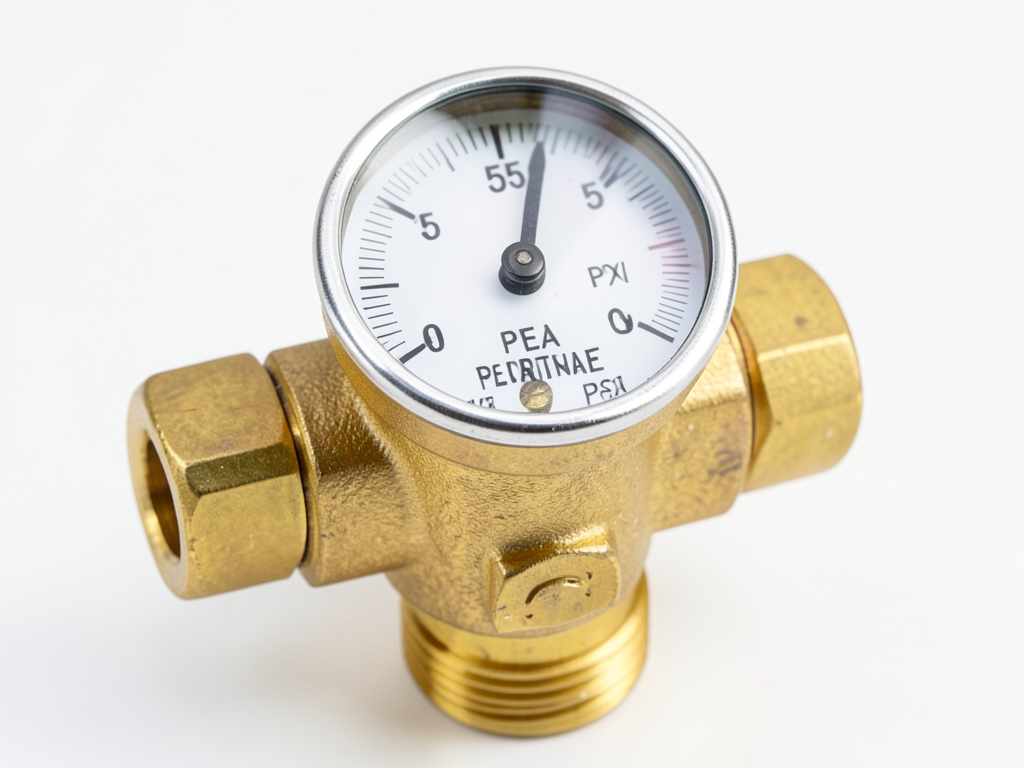
Peak Plumbing St. Louis follows a diagnostic process that identifies root causes instead of just treating symptoms. When you call about low water pressure, we do not just replace your showerhead and leave. We measure static pressure at your main line, inspect your pressure regulator, check for hidden leaks, and examine your supply lines for mineral buildup. This comprehensive evaluation tells us whether you need a simple aerator cleaning or a complete repiping job.

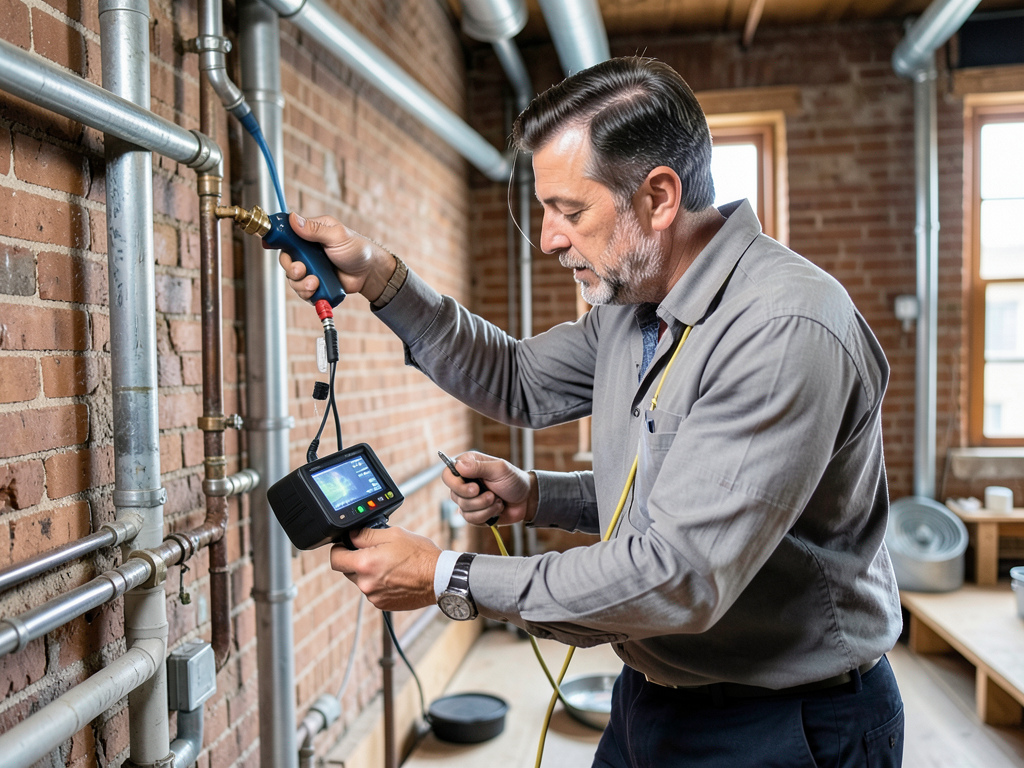
Our technicians carry diagnostic cameras that inspect your sewer lines from the inside. We feed a flexible camera through your cleanout and record what we find. You watch the footage with us in real time. When we spot root intrusion, pipe corrosion, or bellied sections where waste accumulates, you see exactly what we see. This transparency eliminates guesswork and prevents unnecessary excavation.

For water heater installations, we calculate your actual hot water demand based on household size, fixture count, and usage patterns. A family of four with two full bathrooms has different needs than a retired couple in a ranch home. We size your tank or tankless unit accordingly. Oversized heaters waste energy heating water you never use. Undersized units leave you with cold showers during peak demand times.

We also test your water chemistry before recommending solutions. Hard water above 10 grains per gallon requires different treatment than moderately hard water at 5 grains. Iron content, pH levels, and total dissolved solids all factor into equipment selection. Plumbing companies that skip this step install systems that fail prematurely or never solve your original problem. Our approach matches the solution to your specific water conditions and usage requirements, which is why our installations last longer and perform better than quick-fix alternatives.

What Happens When You Call Peak Plumbing

Professional Plumbing Services in St. Louis – Residential and Commercial Solutions You Can Trust
01

Initial Contact and Scheduling

You reach a live person, not an answering service. We gather details about your plumbing issue, ask specific questions to assess urgency, and schedule a service window that fits your availability. For emergencies like burst pipes or sewer backups, we dispatch a technician immediately. Standard service calls typically happen within 24 hours. You receive a confirmation text with your technician's name, photo, and estimated arrival time.
02

On-Site Diagnosis and Options

Our technician arrives in a fully stocked truck with diagnostic equipment and common repair parts. After inspecting your system and identifying the problem, we explain your options in plain language. You get a written quote before any work begins. We outline repair versus replacement costs, expected lifespan of each option, and potential consequences of delaying the fix. You make the final decision based on complete information.
03

Completion and System Testing

After completing the repair or installation, we test your system thoroughly. For drain work, we run water through every connected fixture. For water heaters, we verify temperature settings and check for leaks at connections. You walk through the completed work with us. We clean up our work area, haul away old equipment, and explain any maintenance requirements. You receive documentation of all work performed and parts installed.

Why St. Louis Homeowners and Businesses Choose Peak Plumbing

We operate exclusively in the St. Louis metro area. That focus gives us knowledge other plumbing companies cannot match. We know which neighborhoods have galvanized pipes from the 1950s that need replacement. We understand how the homes in historic districts like Soulard and Lafayette Square require specialized approaches that preserve original fixtures while upgrading functionality. We work with the same plumbing inspectors at the city's Department of Public Safety every week, so we know exactly what passes inspection on the first try.

Our service area covers St. Louis City, St. Louis County, and parts of St. Charles County. We respond to calls in Clayton, University City, Webster Groves, Kirkwood, and dozens of other communities throughout the region. This geographic concentration means you get faster response times than companies that spread their technicians across three states. When your basement floods at 2 a.m., our nearest truck reaches you in 30 minutes, not two hours.

Local expertise extends beyond geography. We stock parts for the plumbing brands most common in St. Louis homes. We maintain relationships with local suppliers, which gets you faster access to specialty parts when your repair needs something unusual. We understand local building codes, permit requirements, and inspection procedures. When your project requires permits, we handle the paperwork and coordinate inspections so you do not waste time navigating city bureaucracy.

Peak Plumbing St. Louis employs technicians who live in the communities we serve. They understand the value of reputation in a tight-knit market. Poor work does not just cost us a customer. It costs us referrals from neighbors, family members, and local businesses. That accountability drives quality more effectively than any corporate policy manual. When professional plumbers stake their local reputation on every job, you get work that holds up because cutting corners is not an option.

What You Can Expect From Our Service

Fast Response When You Need It

Standard service calls receive same-day or next-day scheduling based on availability. Emergency situations like burst pipes, gas leaks, or sewage backups trigger immediate dispatch. We keep trucks stocked and ready 24 hours a day, seven days a week. During business hours, you typically see a technician within two to four hours of calling. After-hours emergencies take slightly longer but rarely exceed 90 minutes from initial contact to technician arrival. We understand that plumbing failures do not follow a schedule. Our staffing and logistics reflect that reality. You get the help you need when you need it, not when it fits someone's calendar.

Thorough Evaluation Before Work Begins

Your technician starts with questions about what you noticed, when problems started, and whether symptoms have changed over time. This conversation provides context that visual inspection alone cannot reveal. Next comes hands-on diagnosis using pressure gauges, leak detectors, and inspection cameras as needed. You receive a clear explanation of what we found, why it happened, and what needs fixing. If multiple solutions exist, we present them with honest assessments of cost versus benefit. Some plumbing repair services push the most expensive option. We present the facts and let you decide what makes sense for your situation and budget.

Quality Work That Lasts

We use professional-grade materials designed for longevity. That means copper or PEX for supply lines, not the cheaper alternatives that fail within years. It means proper pipe support, correct solder joints, and appropriate thread sealants for different applications. Our technicians follow manufacturer specifications for equipment installation. Water heaters get proper clearances, correct venting, and appropriate pressure relief valve placement. Drain lines receive proper slope and venting to prevent slow drainage and sewer gas infiltration. You might not notice these details, but they determine whether your plumbing system works reliably for five years or 25 years. Quality installation eliminates callbacks and repeat repairs.

Ongoing Support After Service

Every repair and installation comes with documentation explaining what we did and what parts we used. If questions arise after we leave, you call the same number and speak to people familiar with your property. We maintain service records for every customer. When you call months later about an unrelated issue, we already know your plumbing history. For major installations like water heaters or whole-house repiping, we offer maintenance plans that include annual inspections and priority scheduling. Regular maintenance catches small problems before they become expensive failures. It also extends equipment life and maintains efficiency, which saves money over time.

Frequently Asked Questions

You Have Questions,
We Have Answers

What do local plumbers charge per hour? +

Plumbers in St. Louis typically charge between $80 and $150 per hour, depending on experience, the complexity of the job, and time of day. Emergency calls after hours or on weekends cost more. Factors affecting rates include travel distance across the metro, the tools required, and whether the work involves residential or commercial systems. Always ask for a flat-rate quote upfront for predictable jobs like water heater replacements or drain cleaning. Hourly rates work better for diagnostic work or unexpected repairs where scope is unclear until the plumber inspects your system.

What are the types of plumbing services? +

Plumbing services fall into several categories. Drain cleaning removes clogs from sinks, toilets, and main sewer lines. Water heater services include installation, repair, and tank or tankless replacements. Leak detection and repair address pipe bursts, slab leaks, and fixture drips. Fixture installation covers faucets, toilets, and garbage disposals. Sewer line work includes camera inspections, trenchless repairs, and root removal common in older St. Louis neighborhoods with mature trees. Gas line services handle installations for appliances. Emergency plumbing addresses urgent issues like burst pipes during freeze-thaw cycles.

How to avoid getting ripped off by a plumber? +

Request a detailed written estimate before work begins. Check online reviews and verify the plumber holds proper licensing in Missouri. Ask for an explanation of what needs repair and why. Avoid plumbers who pressure you into unnecessary upgrades or refuse to itemize costs. Get multiple quotes for large jobs like sewer line replacements. Ensure the plumber offers a warranty on labor and parts. Watch for red flags like requests for full payment upfront or lack of branded vehicles and uniforms. Reputable St. Louis plumbers will gladly answer questions about their approach and pricing structure.

How much would a plumber charge an hour? +

Most licensed plumbers in the St. Louis metro charge $80 to $150 per hour for standard service calls. This rate covers labor, expertise, and basic tools. Specialized work like gas line installation or commercial plumbing runs higher. Emergency rates after business hours, weekends, or holidays typically add a premium of 50 to 100 percent. Some plumbers offer flat-rate pricing instead of hourly billing, which provides cost certainty for common repairs like toilet replacements or faucet installations. Always clarify the billing structure and ask about trip fees or minimum service charges before scheduling.

Is it cheaper to DIY or hire a plumber? +

DIY plumbing saves money on simple tasks like replacing a faucet aerator or unclogging a drain with a plunger. Hiring a professional makes sense for anything involving gas lines, sewer work, or permits required by St. Louis building codes. Mistakes on water heater installations or pipe repairs can cause flooding, mold, or structural damage that costs far more than the original repair. Insurance may not cover DIY errors. If you lack the right tools or experience with soldering copper pipes or working with PEX, hire a plumber. The peace of mind and warranty coverage justify the expense.

What are common hidden plumbing costs? +

Hidden plumbing costs include permit fees required by St. Louis County or City ordinances for major work. Access issues like cutting through drywall or removing cabinetry to reach pipes add labor hours. Discovering corroded pipes during a simple repair can escalate the scope. Outdated plumbing materials like galvanized steel may require full section replacements rather than patches. Root intrusion in sewer lines often needs hydro jetting before repairs. Water damage restoration after a leak adds unexpected expenses. Always ask your plumber to inspect surrounding areas and provide a comprehensive assessment to avoid surprises mid-project.

What is the 135 rule for plumbing? +

The 135 rule refers to proper slope for horizontal drain pipes. For every foot of horizontal run, the pipe should drop one-quarter inch to ensure gravity moves wastewater effectively. This translates to roughly a 2 percent grade. Too flat and waste pools, causing clogs and odors. Too steep and water rushes ahead, leaving solids behind. This rule applies to residential and commercial drain lines in St. Louis homes, especially in basement bathroom installations or kitchen remodels. Proper slope prevents frequent backups and keeps your drainage system functioning efficiently for years.

What are the most common plumbing repairs? +

Dripping faucets top the list of common plumbing repairs in St. Louis homes. Worn washers or cartridges cause leaks that waste water and spike bills. Running toilets with faulty flappers or fill valves are another frequent issue. Clogged drains from hair, grease buildup, or tree root intrusion affect older neighborhoods. Water heater failures happen as sediment accumulates in tanks. Burst pipes during winter freezes damage homes when temperatures drop. Sump pump failures cause basement flooding during heavy Midwest rains. Garbage disposal jams and leaking supply lines under sinks round out the most common service calls.

What type of plumbing is no longer used? +

Polybutylene piping, installed in homes from the 1970s through mid-1990s, is no longer used and often requires replacement. This gray plastic pipe becomes brittle and prone to sudden failure. Lead pipes, common in pre-1950s St. Louis homes, pose health risks and should be replaced. Galvanized steel pipes corrode from the inside, reducing water pressure and contaminating supply lines. Cast iron sewer lines, while durable, eventually rust through and collapse. Many older St. Louis neighborhoods still have these outdated materials. Modern codes require copper, PEX, or CPVC for supply lines and PVC or ABS for drains.

How to tell if your plumber is overcharging you? +

Compare quotes from multiple licensed plumbers for the same scope of work. Research average costs for your specific repair online. Ask for an itemized breakdown showing parts and labor separately. Be wary if the estimate significantly exceeds others without clear justification. Question unnecessary add-ons or upgrades unrelated to your immediate problem. Verify the plumber explains what failed and why replacement is needed. Check if parts prices match retail availability. A trustworthy St. Louis plumber will educate you about options, respect your budget, and never pressure you into work that can wait.

How St. Louis Water Quality Affects Your Plumbing System

St. Louis draws water from the Mississippi and Missouri Rivers, which carry high mineral content through limestone and dolomite rock formations. This creates water hardness levels that average 12 to 16 grains per gallon across most of the metro area. That concentration leaves scale deposits inside pipes, water heaters, and appliances faster than softer water regions experience. Tankless water heaters require descaling every 18 to 24 months here compared to every three to five years in areas with soft water. If you notice white buildup on faucets and showerheads, the same deposits are forming inside your plumbing system where you cannot see them. Local plumbers who understand this factor can recommend appropriate water treatment systems and maintenance schedules that match your water chemistry.

Plumbing contractors operating in St. Louis must understand the city's distinct plumbing codes and permit requirements. The Department of Public Safety enforces regulations that differ from surrounding counties. Work that requires permits in the city might not need them in St. Charles County, and vice versa. Professional plumbers who work primarily in this region maintain current knowledge of these requirements and existing relationships with local inspectors. This familiarity speeds up permit approvals and reduces the chance of failed inspections that delay project completion. When you hire plumbing companies with deep local roots, you avoid the compliance headaches and delays that come from working with contractors unfamiliar with St. Louis regulations.
Plumbing Services in The St. Louis Area

Peak Plumbing St. Louis is proud to serve the entire St. Louis metropolitan area and surrounding communities. Our dedicated team is strategically located to respond quickly to your residential and commercial plumbing needs. You can view our primary service area on the map below, but if you're located nearby and have a plumbing issue, don't hesitate to give us a call to see how we can assist you.

Address:
Peak Plumbing St. Louis, 4565 McRee Ave, St. Louis, MO, 63110

Additional Services We Offer

Our news updates

Latest Articles & News from The Blogs

Dealing With Low Water Pressure in Your Downtown St. Louis Loft Living in a converted loft in Downtown St. Louis…

Dealing With Low Water Pressure in Your Downtown St. Louis Loft

Dealing With Low Water Pressure in Your Downtown St. Louis Loft Living in a converted loft in Downtown St. Louis…

Why Your Old North St. Louis Rehab Needs a Complete Water Main Replacement

Why Your Old North St. Louis Rehab Needs a Complete Water Main Replacement Old galvanized pipes in North St. Louis…

Making Your Patch Neighborhood Home Accessible With ADA Compliant Plumbing

Making Your Patch Neighborhood Home Accessible With ADA Compliant Plumbing\n\nCreating an accessible home in the Patch neighborhood means understanding both…

Contact Us

Do not wait for small plumbing problems to become expensive emergencies. Call Peak Plumbing St. Louis at (314) 417-7677 right now. We answer 24/7, provide upfront pricing, and deliver solutions that last.