




Menu

Whole Home Repiping in St. Louis | Complete Pipe Replacement From Galvanized to Modern PEX

Peak Plumbing St. Louis handles full home repiping projects that eliminate corroded galvanized lines and replace them with durable PEX or copper systems built for Missouri's shifting clay soil and freeze-thaw cycles.

Slider Image 1
Slider Image 2
Slider Image 3
Slider Image 4
Slider Image 5
Slider Image 7
Slider Image 8
Slider Image 9
Slider Image 10
Slider Image 11

Why St. Louis Homes Need Full House Repiping More Than You Think

Walk through the Soulard neighborhood or Tower Grove East and you will find beautiful brick homes built between 1900 and 1960. Many still run on original galvanized steel pipes. Missouri's clay soil expands and contracts with moisture changes, putting stress on underground water lines. Freeze-thaw cycles crack aging pipe joints. High mineral content in the municipal water supply accelerates interior corrosion.

You notice the signs first at the kitchen sink. Water pressure drops when someone flushes a toilet. Rust stains appear in the tub. Leaks pop up in the basement or behind walls. Some homeowners patch one leak only to find another three months later.

Whole house repiping solves the root problem instead of chasing symptoms. Replumbing a house means removing deteriorated galvanized pipe and replacing it with modern materials that resist corrosion and handle ground movement. Full home repiping addresses every water line from the main shutoff valve to the last fixture in the bathroom.

St. Louis homes built before 1970 often have a mix of galvanized steel, copper, and even remnants of old brass fittings. These mixed systems fail at the joints where dissimilar metals touch. A house repiping project eliminates that patchwork and gives you a single, uniform system designed to last 50 years or more.

If you see discolored water, hear banging pipes, or deal with frequent leaks, you are watching your plumbing system fail in stages. House repiping stops that cycle.

Why St. Louis Homes Need Full House Repiping More Than You Think
How We Execute a Whole House Pipe Replacement Project

How We Execute a Whole House Pipe Replacement Project

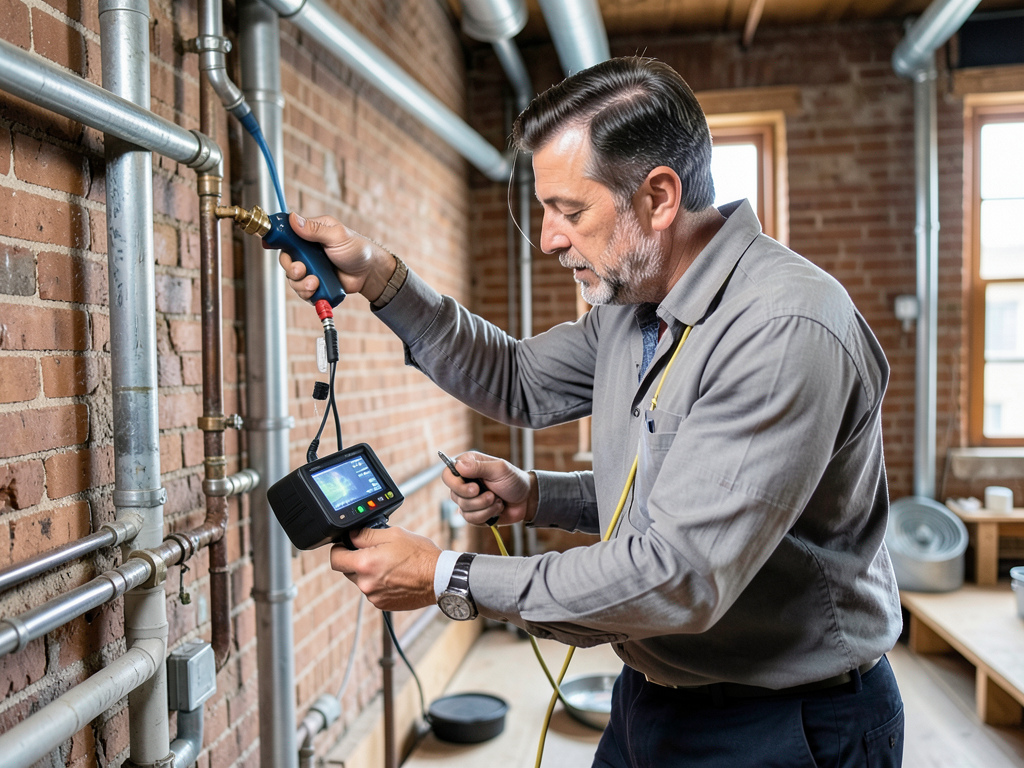
Peak Plumbing St. Louis approaches replumbing a house with surgical precision. We start with a full pressure test and camera inspection to map your existing system. We identify every shut-off valve, hose bib, and fixture connection. We measure flow rates at multiple points to document where restrictions exist.

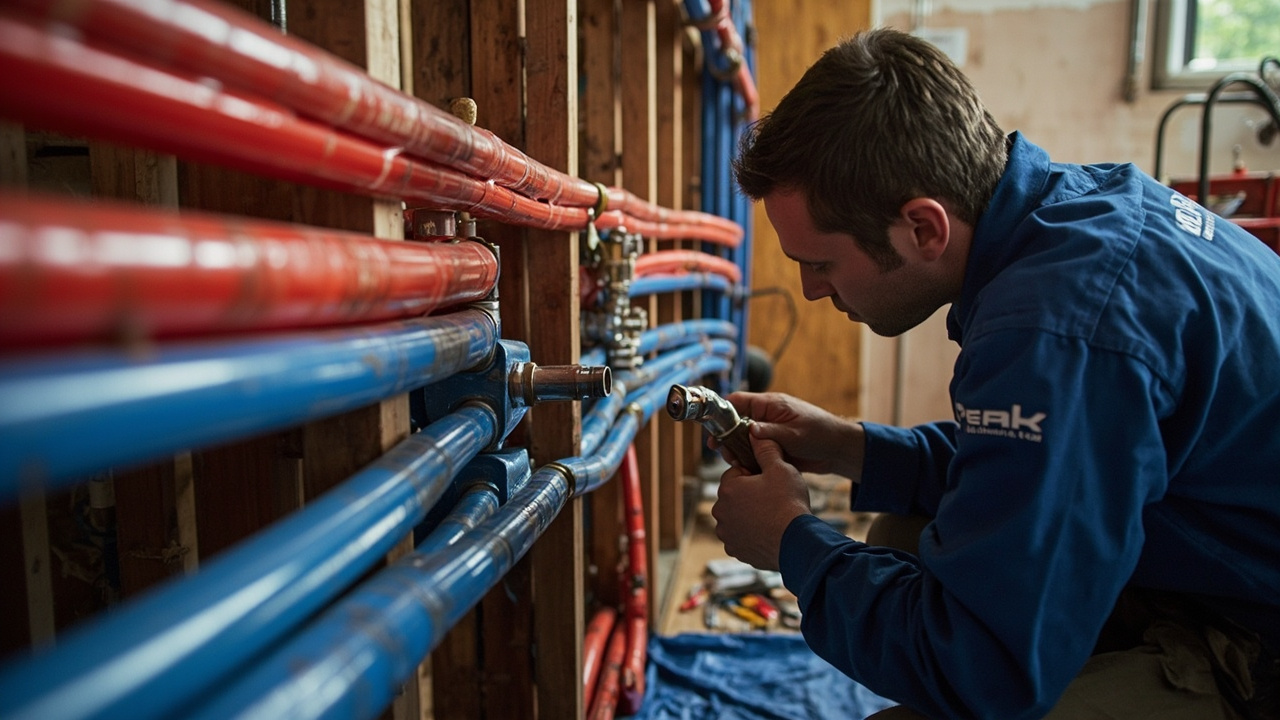
Next, we design a manifold system using PEX or copper based on your home's layout and your budget. PEX offers flexibility that works well in St. Louis homes with tight crawl spaces and tricky joist runs. It resists freeze damage better than rigid pipe. Copper delivers superior durability and handles higher temperatures if you plan to add a recirculation pump for instant hot water.

We run new supply lines through attic spaces, crawl spaces, or basement ceilings to minimize wall penetration. When we must open walls, we cut access panels in closets or utility areas to reduce visible damage. We install individual shut-off valves at each fixture so you can isolate a toilet or sink without killing water to the entire house.

During installation, we protect your floors with drop cloths and plastic sheeting. We stage materials outside to keep your living space clear. A full home repiping project in a 1,500-square-foot home typically takes three to five days depending on access and fixture count.

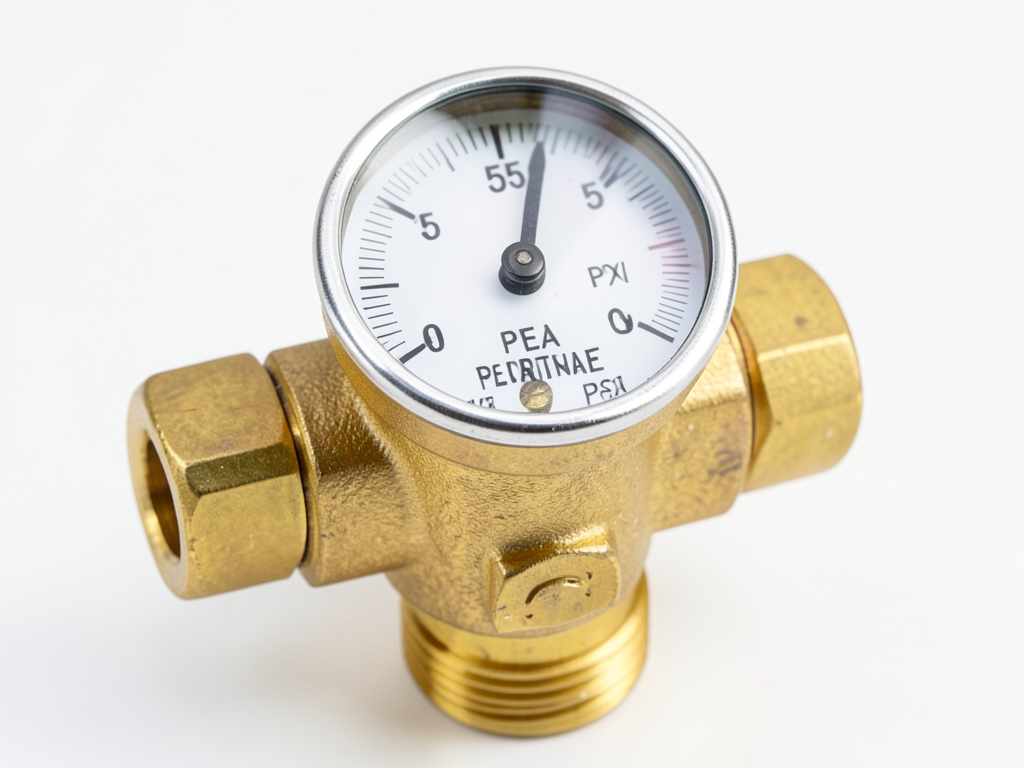
We pull permits through the City of St. Louis Building Division and schedule inspections at rough-in and final stages. The inspector verifies proper pipe sizing, adequate support brackets, and correct shut-off valve placement. Once we pass inspection, we pressure-test the system at 150 PSI for two hours to confirm zero leaks before closing walls.

The Three Stages of a Complete House Repiping Job

Whole Home Repiping in St. Louis | Complete Pipe Replacement From Galvanized to Modern PEX
01

System Mapping and Design

We document your current plumbing layout with photos and pressure readings at every fixture. We identify the main water line entry point, locate the water heater, and trace branch lines to bathrooms, kitchen, and outdoor spigots. We measure joist spacing and access points to design the most efficient route for new pipe that minimizes wall cuts and preserves structural integrity.
02

Pipe Installation and Routing

We install a central manifold near the water heater with individual lines running to each fixture. This home-run system eliminates pressure drops when multiple faucets run simultaneously. We secure pipe every 32 inches per code and install expansion loops to handle thermal movement. We test each section before concealing it in walls or ceilings to catch problems early.
03

Final Connection and Inspection

We connect fixtures, install new shut-off valves, and restore water service. We run every faucet, flush every toilet, and check every connection for leaks. The city inspector verifies code compliance before we close walls. We walk you through the new system, show you where shut-offs are located, and explain how to maintain optimal pressure and flow.

Why St. Louis Homeowners Choose Peak Plumbing for Whole House Repipes

Peak Plumbing St. Louis knows the quirks of pre-war construction common in neighborhoods like Lafayette Square and Compton Heights. We have repiped homes with rubble stone foundations, knob-and-tube wiring in the walls, and plaster ceilings that require special handling. We understand that you cannot just rip through walls without considering what else is hiding behind them.

We pull permits for every job and schedule inspections through the City of St. Louis Building Division. Many fly-by-night contractors skip this step to save time. That leaves you with an unpermitted system that fails inspection when you sell the house. We do it right the first time because we plan to be here when your grandkids need a plumber.

We stock PEX A, PEX B, and Type L copper on our trucks so we can match your budget and performance needs without ordering materials that delay the job. We use Milwaukee expansion tools for PEX A because the cold-expansion method creates stronger joints than crimp rings. We use lead-free solder and flux for copper joints that meet NSF 61 standards for drinking water safety.

Our crews average eight years of experience per technician. They know how to work in cramped St. Louis basements with six-foot ceilings and fieldstone walls. They know how to navigate balloon-frame construction where pipes run through open stud bays from basement to attic. They know how to identify cast iron drain lines that might need replacement at the same time as your water supply.

We communicate through every phase of the project. If we find something unexpected, you hear about it immediately with photos and a clear explanation of options. No surprises, no change orders that double the price.

What You Get With a Full Home Repiping Project

Project Timeline and Scheduling

Most whole house pipe replacements in St. Louis take three to five days for a single-story home and five to seven days for a two-story structure. We schedule the job in a continuous block so you are not living in a construction zone for weeks. We restore temporary water service at the end of each day so you can cook, shower, and use toilets overnight. We coordinate inspections in advance to avoid delays waiting for the city inspector to arrive.

Initial Assessment and Quote

We send a licensed plumber to your home to inspect the existing system. We test water pressure at multiple fixtures, check for corrosion at exposed pipe sections, and evaluate access points in the basement, crawl space, or attic. We measure the distance from the water main to the furthest fixture to calculate total linear footage. You receive a detailed written estimate that breaks down material costs, labor hours, permit fees, and inspection costs. No hidden charges.

Quality of the Finished System

You get consistent water pressure at every faucet even when the dishwasher and washing machine run simultaneously. You eliminate rust stains and metallic taste from corroded galvanized pipe. You reduce the risk of catastrophic leaks that flood your basement or ruin drywall. The new system meets current St. Louis building codes and passes inspection, which protects your home value and simplifies future sales. Every joint is accessible for future maintenance.

Ongoing Support and Maintenance

We provide documentation of the new system layout with photos showing pipe routes and shut-off valve locations. We offer annual pressure testing to catch small leaks before they become expensive problems. If you add a bathroom or outdoor kitchen later, we already know your system capacity and can design the addition to integrate seamlessly. We keep records of your installation so future service calls go faster because we know exactly what you have.

Frequently Asked Questions

You Have Questions,
We Have Answers

How much does it cost to repipe a whole house? +

Whole home repiping costs vary based on home size, number of bathrooms, pipe material, and access to existing lines. In St. Louis, older homes with plaster walls or multi-story layouts often require more labor due to limited crawl space access and wall penetration needs. Material choice matters. Copper costs more than PEX but lasts longer. A typical 1,500 to 2,000 square foot home ranges significantly in price. Request a detailed estimate that includes permits, wall patching, and material specifications. Avoid quotes that seem unusually low. They often hide costs or use substandard materials.

How much does plumbing cost for a 2000 sq ft house? +

Plumbing costs for a 2,000 square foot house depend on scope. New construction rough-in plumbing differs from repiping an existing home. In St. Louis, older neighborhoods like Tower Grove or The Hill feature homes with galvanized or cast iron pipes that need replacement. Repiping this size home involves replacing water supply lines and possibly drain lines. Expect costs to increase if you have multiple bathrooms, a basement, or limited access to walls and ceilings. Always get itemized bids that separate labor, materials, permits, and restoration work. Cheaper bids often mean corner-cutting.

What is the 135 rule for plumbing? +

The 135-degree rule refers to proper vent pipe angles in drain-waste-vent systems. Vent pipes should connect to horizontal drain lines at angles greater than 135 degrees from the direction of flow. This prevents wastewater from entering vent pipes and causing blockages or sewer gas issues. In St. Louis, older homes often lack proper venting because they predate modern plumbing codes. If you smell sewer gas or hear gurgling drains, faulty venting may be the cause. A licensed plumber can assess your system and bring it up to current code during repiping or major renovations.

Is it worth it to repipe your house? +

Repiping is worth it if you face frequent leaks, low water pressure, discolored water, or own a home with galvanized or polybutylene pipes. In St. Louis, many homes built before 1960 have galvanized steel that corrodes from the inside out. This leads to rust, restricted flow, and eventual failure. Repiping eliminates these problems, improves water quality, increases home value, and prevents catastrophic leaks that cause expensive water damage. If your home is over 50 years old and still has original plumbing, repiping is a smart investment that protects your property and health.

Does repiping lower insurance? +

Repiping can lower homeowners insurance premiums in some cases. Insurers view old galvanized or polybutylene pipes as high-risk because they fail unpredictably and cause water damage. Replacing them with modern PEX or copper reduces that risk. In St. Louis, where freeze-thaw cycles stress older pipes, insurers may offer discounts after repiping. Contact your insurance agent with documentation of the work, including permits and material specifications. Some insurers require proof of licensed installation. The savings vary by provider, but eliminating a major risk factor often translates to lower premiums or better coverage terms.

What is the most expensive plumbing job? +

Whole home repiping and sewer line replacement rank among the most expensive plumbing jobs. Repiping requires accessing walls, ceilings, and floors throughout your home, then installing new supply lines. Sewer line replacement involves excavation, trenchless technology, or both. In St. Louis, clay soil shifting and tree root infiltration often damage sewer laterals in older neighborhoods. These jobs require permits, inspections, and sometimes street excavation permits. Costs escalate with home size, pipe material choice, and difficulty of access. Both jobs are investments that prevent catastrophic water damage and protect your home's structural integrity.

What are common hidden plumbing costs? +

Hidden plumbing costs include wall and ceiling repairs, permit fees, fixture replacement, and unexpected discoveries like asbestos or lead pipes. In St. Louis, older homes often hide galvanized pipes inside plaster walls that crumble during access. You may need drywall patching, painting, or full wall reconstruction. Corroded shut-off valves often break during repiping, requiring replacement. If your home has outdated fixtures, new pipes may expose leaks in old faucets or toilets. Always budget extra for these unknowns. A detailed pre-work inspection helps, but older homes always surprise you once walls open up.

What is the most expensive part of building a house? +

Foundation and framing typically represent the most expensive parts of building a house, but plumbing, electrical, and HVAC systems collectively rival them. Rough-in plumbing includes supply lines, drain-waste-vent systems, sewer connections, and fixture blocking. In St. Louis, clay soil requires deeper footings and proper drainage planning to prevent foundation movement that stresses pipes. Plumbing costs increase with bathroom count, fixtures, and material choice. While not the single most expensive line item, plumbing is critical. Cheap plumbing leads to expensive callbacks, leaks, and code violations. Invest in quality installation from the start.

How much to replumb a bathroom? +

Replumbing a bathroom depends on size, fixture count, and access to existing lines. A half bath costs less than a full bath with tub, shower, toilet, and dual sinks. In St. Louis homes, bathrooms on second floors or over finished basements require more labor due to access challenges. Costs include supply lines, drain lines, vent adjustments, fixture installation, and wall patching. Upgrading to PEX from galvanized pipes adds value and reliability. Get itemized bids that separate rough-in plumbing from fixture installation. Hidden costs often appear when old shut-offs break or drain lines need replacement.

How deep are residential sewer lines buried? +

Residential sewer lines in St. Louis are typically buried 3 to 6 feet deep, depending on frost line requirements and municipal code. St. Louis requires burial below the frost line to prevent freeze damage, usually around 30 to 36 inches. Depth also depends on the slope needed for proper drainage and the location of the main sewer connection. Older neighborhoods may have shallower lines installed before modern codes. Tree roots and clay soil shifting often damage these aging lines. If you need sewer work, a camera inspection identifies depth, material, and damage before excavation begins.

How St. Louis Clay Soil and Freeze-Thaw Cycles Destroy Underground Water Lines

St. Louis sits on expansive clay soil that swells when wet and shrinks when dry. Underground water lines shift with this movement, stressing joints and fittings. Winter freeze-thaw cycles make it worse. Water freezes in the ground, expands, and pushes against pipe. When it thaws, the pipe relaxes. This cycle repeats 20 to 30 times each winter. Galvanized steel pipes corrode from the inside while clay soil crushes them from the outside. Replumbing a house with modern PEX eliminates both problems because the material flexes with soil movement and resists freeze damage.

Peak Plumbing St. Louis works with local building inspectors who know the specific challenges of Missouri construction. We follow the International Plumbing Code as adopted by the City of St. Louis, which requires proper pipe support intervals, backflow prevention, and thermal expansion control. We understand local permit requirements and inspection schedules. When you hire a local company for house repiping, you get someone who knows the building officials by name and schedules inspections efficiently. You also get someone who will be here next year if you need adjustments or additions.
Plumbing Services in The St. Louis Area

Peak Plumbing St. Louis is proud to serve the entire St. Louis metropolitan area and surrounding communities. Our dedicated team is strategically located to respond quickly to your residential and commercial plumbing needs. You can view our primary service area on the map below, but if you're located nearby and have a plumbing issue, don't hesitate to give us a call to see how we can assist you.

Address:
Peak Plumbing St. Louis, 4565 McRee Ave, St. Louis, MO, 63110

Additional Services We Offer

Our news updates

Latest Articles & News from The Blogs

Dealing With Low Water Pressure in Your Downtown St. Louis Loft Living in a converted loft in Downtown St. Louis…

Dealing With Low Water Pressure in Your Downtown St. Louis Loft

Dealing With Low Water Pressure in Your Downtown St. Louis Loft Living in a converted loft in Downtown St. Louis…

Why Your Old North St. Louis Rehab Needs a Complete Water Main Replacement

Why Your Old North St. Louis Rehab Needs a Complete Water Main Replacement Old galvanized pipes in North St. Louis…

Making Your Patch Neighborhood Home Accessible With ADA Compliant Plumbing

Making Your Patch Neighborhood Home Accessible With ADA Compliant Plumbing\n\nCreating an accessible home in the Patch neighborhood means understanding both…

Contact Us

Stop patching leaks and dealing with rusty water. Call Peak Plumbing St. Louis at (314) 417-7677 to schedule a full system assessment. We will evaluate your current plumbing, explain your options, and provide a detailed written estimate with no obligation.