




Menu

Noisy Pipes in St. Louis – Expert Diagnosis and Permanent Fixes for Water Hammer and Rattling Plumbing

Peak Plumbing St. Louis pinpoints the exact cause of loud water pipes, banging sounds, and water hammer in your home, then implements the correct repair to restore quiet operation and prevent pipe damage.

Slider Image 1
Slider Image 2
Slider Image 3
Slider Image 4
Slider Image 5
Slider Image 7
Slider Image 8
Slider Image 9
Slider Image 10
Slider Image 11

Why St. Louis Homes Experience Persistent Pipe Noise Problems

You hear it every time someone flushes a toilet or turns off a faucet. A loud bang echoes through the walls. Sometimes it sounds like someone is hammering inside your pipes. Other times, you get a persistent rattling that makes you wonder if something is about to break.

You are not imagining it, and you are not alone. Noisy plumbing is one of the most common service calls we receive across the St. Louis metro.

The problem gets worse in older neighborhoods like Tower Grove South, Shaw, and The Hill, where homes built in the early 1900s often feature galvanized steel pipes that have corroded internally. The buildup creates turbulence as water flows through narrowed passages. You get rattling pipes and vibration noise that travels through wall cavities.

St. Louis water pressure typically runs between 60 and 80 psi. When a valve closes suddenly, that momentum creates a shockwave called water hammer. Without proper air chambers or arrestors installed at fixtures, you hear loud banging pipes every time the dishwasher cycles or the washing machine fills.

High mineral content in St. Louis water compounds the issue. Calcium and magnesium deposits accumulate inside pipes and around valve seats. This creates turbulence and increases the likelihood of water hammer. The noise is not just annoying. It indicates stress on your plumbing joints and fittings. Left unchecked, water hammer can crack pipe connections and cause leaks inside walls.

If you hear banging, rattling, or hammering sounds when water flows or stops, you need a proper diagnosis. The source matters. Different causes require different fixes.

Why St. Louis Homes Experience Persistent Pipe Noise Problems
How We Diagnose and Eliminate the Source of Loud Water Pipes

How We Diagnose and Eliminate the Source of Loud Water Pipes

Generic advice will not solve your noisy plumbing. You need someone who can differentiate between water hammer, loose pipe hangers, failing pressure regulators, and sediment buildup in the water heater.

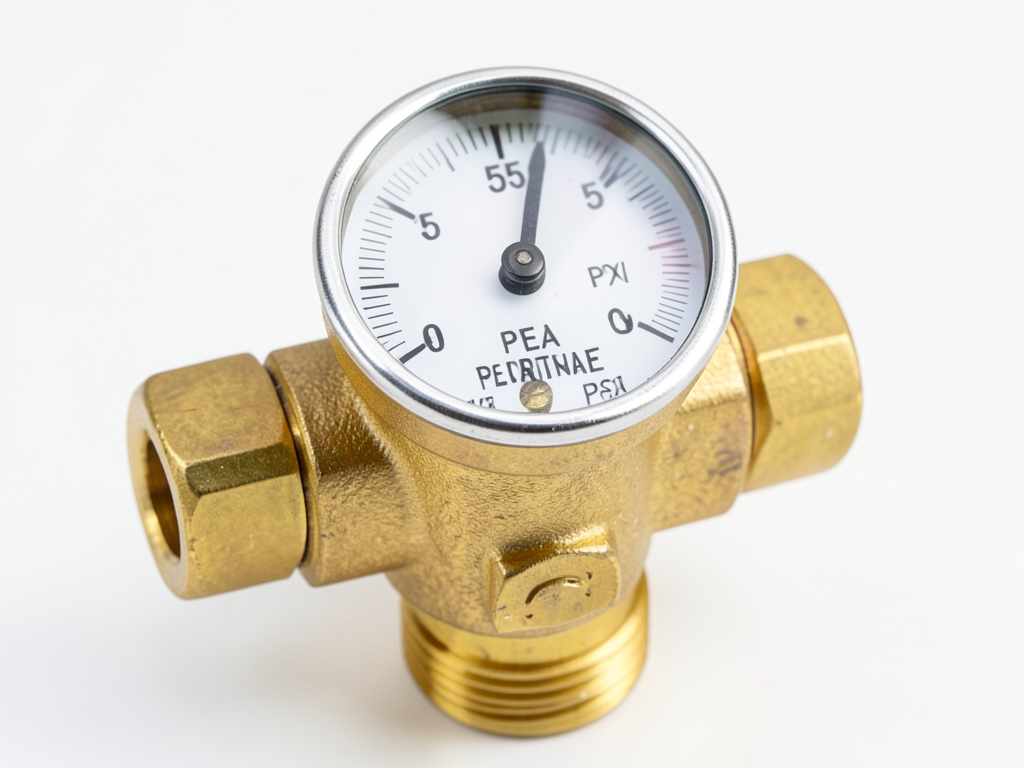
We start with a pressure test at the main shutoff valve and at multiple fixtures. If your system runs above 80 psi, you need a pressure reducing valve installed or adjusted. High pressure accelerates water hammer and puts stress on every joint in your home.

Next, we trace the noise. Water hammer typically occurs at quick-closing valves like dishwashers, washing machines, and toilets with flapper-style fill valves. We test each fixture individually to isolate the source. If the bang happens when a valve closes, we know air chambers have failed or were never installed.

Older St. Louis homes relied on vertical air-filled pipe stubs to absorb shockwaves. Over time, these fill with water and stop functioning. We install modern water hammer arrestors at problem fixtures. These contain a piston and air chamber that absorbs the pressure spike when water stops suddenly.

Rattling pipes usually indicate loose mounting brackets or hangers. We inspect accessible runs in basements and crawl spaces. Copper pipe expands when hot water flows through it. If hangers are spaced too far apart or have deteriorated, the pipe moves and vibrates against framing. We secure runs with proper spacing and use isolation bushings to prevent metal-on-metal contact.

Banging that occurs only when hot water runs often points to thermal expansion. As water heats, it expands. Without an expansion tank on the water heater, pressure builds and creates noise when valves open or close. We install thermal expansion tanks to regulate system pressure.

What Happens During a Pipe Noise Inspection

Noisy Pipes in St. Louis – Expert Diagnosis and Permanent Fixes for Water Hammer and Rattling Plumbing
01

System Pressure Testing

We measure static water pressure at your main line and at fixtures throughout the home. High pressure above 80 psi causes water hammer and accelerates wear on appliances. We test pressure regulators if installed and verify they function correctly. This baseline tells us if pressure reduction is part of the solution before we address individual fixtures.
02

Noise Source Isolation

We operate each fixture individually while listening for banging pipes or rattling sounds. We differentiate between water hammer at quick-closing valves, loose pipe hangers in accessible areas, and sediment noise from the water heater. We trace supply lines to identify whether air chambers exist and whether they still function. This diagnostic phase determines the specific repair strategy.
03

Targeted Repair Installation

We install water hammer arrestors at problem fixtures, secure loose pipe runs with proper hangers and isolation bushings, or flush water heaters to remove sediment causing rumbling. If pressure regulation is needed, we install or adjust a pressure reducing valve at the main line. You get a quiet system and protection against future stress fractures in your plumbing joints.

Why St. Louis Homeowners Trust Peak Plumbing for Pipe Noise Solutions

You can find generic plumbing advice online. You cannot find someone who knows the difference between the cast iron drain stacks in Soulard brick homes and the PEX repiping common in recently renovated Central West End properties.

We work in St. Louis homes every day. We know the plumbing signatures of different eras and neighborhoods. Homes near Forest Park built in the 1920s often have brass fittings and galvanized risers that corrode from the inside out. We recognize when rattling pipes are actually the sound of water forcing its way through buildup.

South City bungalows frequently lack proper venting. This creates negative pressure that causes drain gurgling and vibration in supply lines when fixtures discharge. We address venting deficiencies that other providers miss because they are not listening for the full picture.

Water hammer is not always a simple fix. In some cases, the issue traces back to a failing pressure regulator at the main line, a waterlogged expansion tank on the water heater, or undersized supply lines that create velocity noise. We do not guess. We test, measure, and verify before we recommend a solution.

St. Louis amended its plumbing code in recent years to require water hammer arrestors on all new construction and major renovations. Older homes were grandfathered in. If your home was built before these requirements, you likely have no protection against shockwave damage. We bring older systems into compliance with modern standards without forcing unnecessary replacements.

You also get transparency. We explain what is causing the noise, what the repair involves, and what it prevents. Loud water pipes are annoying, but the hidden damage from repeated water hammer is expensive. Cracked fittings inside walls lead to slow leaks that destroy drywall and framing before you notice water stains.

What You Can Expect When You Call Peak Plumbing St. Louis

Same-Day Diagnostic Visits Available

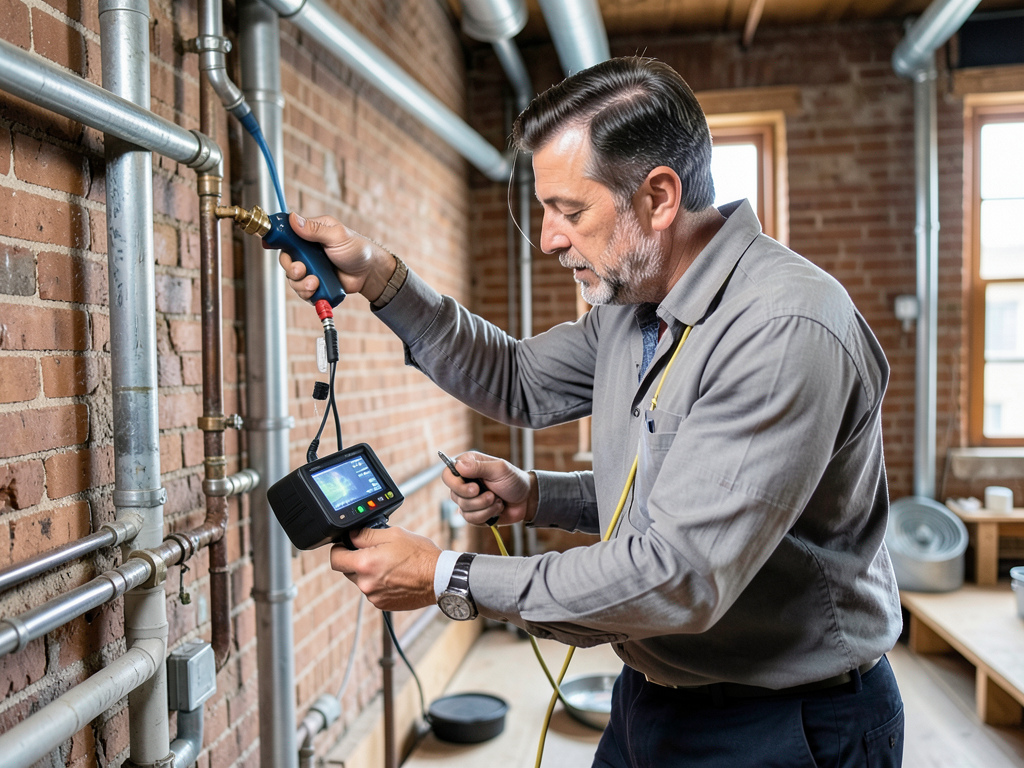
We understand that banging pipes disrupt your household and signal potential damage. We prioritize diagnostic appointments and offer same-day availability for St. Louis metro customers. You do not wait a week to find out what is wrong. We arrive with pressure gauges, inspection cameras, and the tools to test your system thoroughly. Most noise issues can be diagnosed and repaired in a single visit once we identify the source.

Comprehensive Pressure and Flow Testing

We do not assume water hammer is the problem just because you hear banging. We test static and dynamic pressure at multiple points, operate fixtures individually to isolate noise sources, and inspect accessible pipe runs for loose hangers or corrosion. We check thermal expansion tanks on water heaters and verify that pressure regulators function within spec. You get a clear diagnosis based on measurable data, not guesswork or upselling.

Quiet Operation and Long-Term Protection

The goal is not just silence. The goal is protecting your plumbing system from stress damage. We install water hammer arrestors rated for your flow conditions, secure pipe runs to prevent vibration, and adjust or install pressure regulation to keep your system within safe operating limits. You get immediate relief from the noise and long-term protection against cracked joints and failed fittings that lead to hidden water damage.

Follow-Up Support and System Optimization

After we complete the repair, we test the system under normal operating conditions to verify the noise is eliminated. We provide guidance on maintaining arrestors and expansion tanks so they continue to function properly. If additional issues surface related to pressure regulation or sediment buildup, we address them transparently. You get a partner who stands behind the work and ensures your plumbing operates quietly and safely over time.

Frequently Asked Questions

You Have Questions,
We Have Answers

How do you stop noisy water pipes? +

Stopping noisy water pipes depends on the cause. Water hammer requires installing air chambers or water hammer arrestors near shut-off valves. Loose pipes need securing with proper brackets or foam insulation to prevent vibration against framing. High water pressure above 80 psi demands a pressure-reducing valve. Aging washers in faucets cause whistling and need replacement. In St. Louis homes, especially older properties in neighborhoods like Soulard or Tower Grove, cast iron and galvanized pipes often rattle due to sediment buildup or loose mounting straps. A plumber can diagnose the exact issue and apply the right fix.

What is the average cost to fix noisy pipes? +

Repair costs vary based on the problem source. Simple fixes like securing loose pipes or replacing washers run $150 to $300. Installing water hammer arrestors typically costs $200 to $500 per fixture. Replacing a pressure-reducing valve ranges from $300 to $600. Extensive pipe replacement in older St. Louis homes with galvanized or deteriorating copper can reach $2,000 or more. The freeze-thaw cycles common in our Missouri winters accelerate pipe wear, sometimes requiring more comprehensive repairs. A proper inspection identifies whether you need a quick fix or a larger system upgrade.

Why do I hear noises in my pipes? +

Pipe noises have several causes. Water hammer creates loud banging when valves close quickly and water momentum slams into pipe walls. Loose pipes rattle against wall studs or floor joists during water flow. High water pressure forces water through pipes too fast, creating whistling or humming. Sediment buildup in older galvanized pipes restricts flow and causes gurgling. In St. Louis, our hard water accelerates mineral deposits inside pipes. Air trapped in lines creates sputtering sounds. Temperature changes cause thermal expansion, making pipes tick or creak as they shift against mounting hardware.

How to identify noisy pipe problems? +

Identify noisy pipe problems by noting when sounds occur. Banging right after shutting off faucets or appliances indicates water hammer. Rattling during water use means loose pipes or worn mounting brackets. Whistling or squealing points to worn valve washers or high pressure. Gurgling suggests drainage issues or air in lines. Check exposed pipes in basements for visible movement during water flow. In St. Louis homes with crawl spaces, inspect for inadequate pipe support. Listen near water heaters for popping sounds from sediment. Document which fixtures trigger noise to help your plumber diagnose faster.

Do pipes make noise before bursting? +

Pipes can make noises before bursting, but not always. Persistent banging from water hammer stresses joints and weak points, potentially causing failures over time. Hissing or spraying sounds indicate active pinhole leaks that will worsen. Loud creaking or popping during temperature swings, common during St. Louis winters, signals metal fatigue in older pipes. Gurgling combined with reduced water pressure suggests corrosion and blockages that precede ruptures. Not all bursts give warning. Frozen pipes often fail silently after thawing. If you hear new or worsening sounds, get a plumber to inspect before catastrophic failure occurs.

Should I be concerned about water hammering? +

Yes, water hammer deserves concern. The hydraulic shock creates pressure spikes exceeding 400 psi, far beyond normal operating pressure. Repeated hammering loosens pipe joints, damages valve seats, and stresses weak points in your plumbing system. In St. Louis homes with older galvanized or copper pipes, this accelerates failure at elbows and connections. Water hammer also strains appliances like dishwashers and washing machines, shortening their lifespan. The banging noise indicates your system lacks proper shock absorption. Installing arrestors protects your pipes and fixtures from premature failure, preventing expensive water damage down the road.

Does homeowners insurance cover water pipe repair? +

Homeowners insurance typically covers sudden, accidental pipe failures but excludes gradual damage from wear or neglect. If noisy pipes burst unexpectedly and cause water damage, your policy may cover repairs to your home and belongings. The pipe repair itself usually falls on you as maintenance. Insurance rarely covers problems that developed over time, like corrosion or sediment buildup. In St. Louis, damage from frozen pipes may be covered if you maintained heat, but neglect voids coverage. Review your specific policy and document any sudden failures. Preventive repairs to noisy pipes are always your responsibility.

Is it cheaper to replace or repair pipes? +

Repair costs less for isolated problems like one noisy section or a single worn valve. Replacement makes financial sense when multiple sections fail, you have widespread corrosion, or repairs become frequent. In older St. Louis homes with galvanized pipes, replacing problem areas with copper or PEX prevents ongoing issues and adds home value. Consider pipe age. Galvanized pipes over 50 years old and copper over 60 will need replacement soon regardless. If repairs approach 50 percent of replacement cost, upgrade instead. Factor in access difficulty. Walls already open for one repair offer opportunity for comprehensive repiping.

Is water hammer a plumbing emergency? +

Water hammer itself is not an emergency, but ignoring it can create one. The immediate banging will not flood your home, but the stress damages pipes and connections over weeks or months. Address water hammer within days to prevent joint failures and valve damage. If you hear water hammer combined with visible leaks, reduced pressure, or wet spots, that becomes urgent. In St. Louis homes where freeze-thaw cycles already stress plumbing, water hammer accelerates failure. Schedule a plumber soon to install arrestors or adjust pressure before the cumulative damage causes an actual burst pipe requiring emergency service.

Can I ignore the water hammer? +

No, you cannot safely ignore water hammer. Each bang weakens your plumbing system. The pressure spikes stress every joint, valve, and connection. Over time, this causes leaks at elbows, damages appliance inlet valves, and cracks older pipes. In St. Louis, where many homes have aging galvanized or copper systems, water hammer hastens inevitable failures. The noise also signals your plumbing lacks basic protection features. Installing water hammer arrestors is straightforward and prevents thousands in future damage. Ignoring the warning means accepting higher risk of burst pipes, flooded rooms, and emergency repairs when failure happens at the worst possible time.

How St. Louis Water Quality and Aging Infrastructure Contribute to Pipe Noise

St. Louis water comes primarily from the Missouri and Mississippi rivers. Treatment plants do an excellent job of making it safe to drink, but the water remains moderately hard with elevated calcium and magnesium content. Over years, these minerals coat the inside of pipes and accumulate around valve seats. This buildup narrows passages and creates turbulence that amplifies rattling and vibration. Homes in older neighborhoods with original galvanized steel lines experience accelerated noise problems as corrosion combines with mineral deposits to restrict flow and increase pressure fluctuations.

St. Louis has one of the oldest housing stocks in the Midwest. Many homes in The Hill, Dogtown, and South Hampton predate modern plumbing code requirements for water hammer protection and pressure regulation. We work in these neighborhoods regularly and understand the unique challenges of retrofitting arrestors and expansion tanks into systems that were never designed to accommodate them. Choosing a local plumber who knows these homes means you get solutions that work with your existing infrastructure, not generic fixes that ignore how St. Louis plumbing was built.
Plumbing Services in The St. Louis Area

Peak Plumbing St. Louis is proud to serve the entire St. Louis metropolitan area and surrounding communities. Our dedicated team is strategically located to respond quickly to your residential and commercial plumbing needs. You can view our primary service area on the map below, but if you're located nearby and have a plumbing issue, don't hesitate to give us a call to see how we can assist you.

Address:
Peak Plumbing St. Louis, 4565 McRee Ave, St. Louis, MO, 63110

Additional Services We Offer

Our news updates

Latest Articles & News from The Blogs

How to Stop Your Kirkwood Basement Bar Ejector Pump From Failing \n\n Your basement bar is the heart of your…

How to Stop Your Kirkwood Basement Bar Ejector Pump From Failing

How to Stop Your Kirkwood Basement Bar Ejector Pump From Failing \n\n Your basement bar is the heart of your…

Why a Pre-Listing Plumbing Inspection is Essential for Selling Your Huntleigh Home

Why a Pre-Listing Plumbing Inspection is Essential for Selling Your Huntleigh Home Selling a home in Huntleigh requires more than…

Why Your Spanish Lake Shower Has Terrible Water Pressure

Why Your Spanish Lake Shower Has Terrible Water Pressure Nothing ruins a morning like stepping into a shower that barely…

Contact Us

Do not wait for water hammer to crack a fitting inside your wall. Call Peak Plumbing St. Louis at (314) 417-7677 to schedule a diagnostic visit. We identify the source of your noisy pipes and implement the right fix the first time.