




Menu

Gas Line Repair & Installation in St. Louis – Complete Residential & Commercial Natural Gas Solutions

From new gas piping installation for kitchen remodels to emergency gas leak repair, Peak Plumbing St. Louis delivers safe, code-compliant gas line services across the greater metro area.

Slider Image 1
Slider Image 2
Slider Image 3
Slider Image 4
Slider Image 5
Slider Image 7
Slider Image 8
Slider Image 9
Slider Image 10
Slider Image 11

Why St. Louis Gas Lines Demand Expert Attention

St. Louis sits on expansive clay soil that shifts through freeze-thaw cycles every winter. This ground movement stresses underground gas pipes, creating micro-fractures that can escalate into dangerous leaks over time. Add the region's humid summers, which accelerate corrosion on older black iron piping, and you have a perfect recipe for gas line failure.

Many homes in Shaw, Soulard, and Tower Grove South were built before 1960, when natural gas piping standards were less stringent. These older systems used threaded fittings prone to loosening as foundations settle. Commercial properties in the Central West End and Clayton face similar challenges, particularly multi-tenant buildings where gas lines serve multiple units through a single distribution manifold.

Gas leaks present immediate danger. Natural gas displaces oxygen, creating asphyxiation risk in enclosed spaces. More critically, concentrations between five and 15 percent become explosive with a single spark. Whether you smell the sulfur additive near your meter, notice dead vegetation over your gas line route, or hear a hissing sound near appliances, you need gas line plumbers who understand both the chemistry of natural gas and the geology of St. Louis.

Gas line replacement is not optional when corrosion eats through pipe walls. Gas pipe repair requires precise threading, proper fluxing, and leak testing at operating pressure. Gas piping installation for new construction or additions must meet International Fuel Gas Code standards, which St. Louis County enforces rigorously. This is technical work with zero margin for error.

Why St. Louis Gas Lines Demand Expert Attention
How Peak Plumbing St. Louis Approaches Gas Line Work

How Peak Plumbing St. Louis Approaches Gas Line Work

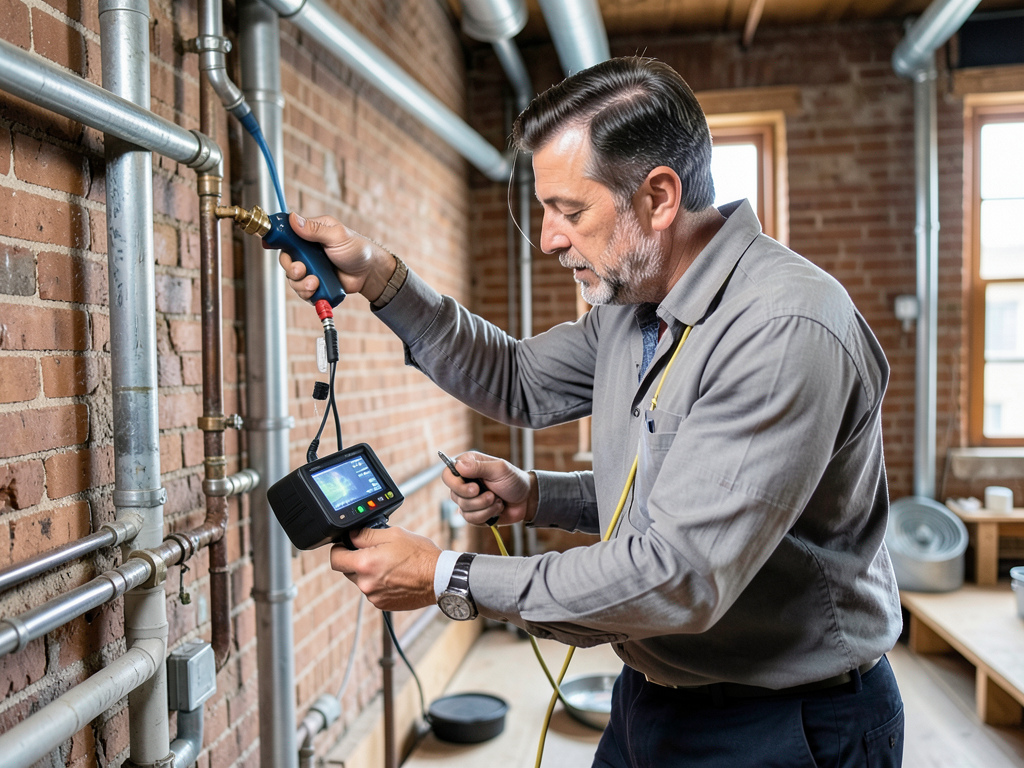
We start every gas line repair with electronic leak detection using combustible gas indicators calibrated for methane. This tool measures gas concentration in parts per million, pinpointing leaks invisible to soap bubble tests. For underground lines, we use tracer wire location to map your gas piping installation route before excavation, preventing accidental damage to water or electric lines.

Gas pipe repair requires material compatibility knowledge. You cannot mix dissimilar metals without dielectric unions, or galvanic corrosion accelerates failure. Black iron remains standard for most installations, but we specify corrugated stainless steel tubing for tight retrofits where rigid pipe cannot navigate existing framing. CSST allows continuous runs without fittings, reducing potential leak points by 70 percent compared to traditional threaded assemblies.

Gas line replacement projects in historic St. Louis neighborhoods often encounter fieldstone foundations and hand-dug basements with seven-foot ceilings. We adapt routing to existing conditions rather than forcing standard layouts. When we install new gas piping for ranges, dryers, or tankless water heaters, we calculate BTU demand across all appliances to size supply lines correctly. Undersized gas lines starve high-demand appliances, causing incomplete combustion and carbon monoxide production.

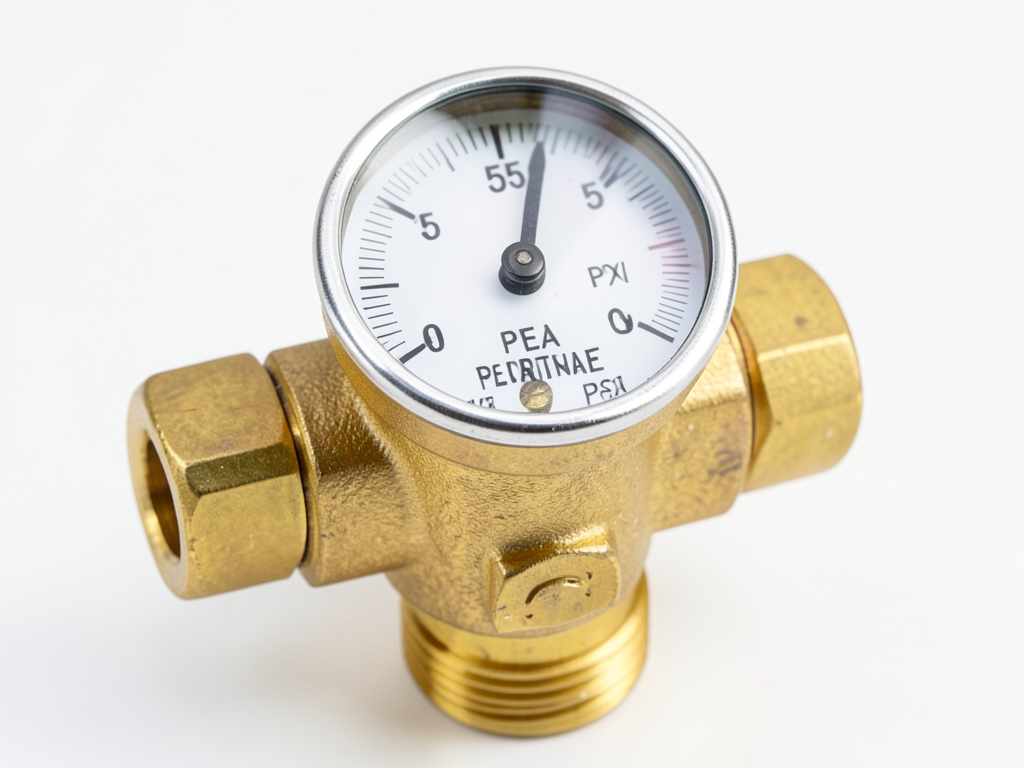
Pressure testing is non-negotiable. We pressurize new installations to 15 psi for 15 minutes minimum, monitoring with a manometer for any pressure drop. Even a half-psi loss indicates a leak requiring immediate correction. After passing pressure tests, we purge air from lines using the appliance's gas valve, then verify proper flame characteristics at each burner. Blue flames confirm complete combustion. Yellow or orange flames signal problems requiring immediate adjustment.

What Happens During Your Gas Line Service

Gas Line Repair & Installation in St. Louis – Complete Residential & Commercial Natural Gas Solutions
01

System Assessment and Leak Testing

We survey your entire gas distribution system from the meter through every branch line. Using electronic sniffers and visual inspection, we identify active leaks, corrosion points, and code violations. You receive a written assessment detailing current conditions, immediate safety concerns, and recommended repairs. This diagnostic phase takes 45 to 90 minutes depending on system complexity and building size.
02

Repair or Installation Execution

We shut off gas at the meter and verify zero pressure before beginning work. For repairs, we cut out damaged sections and install new pipe with proper thread sealant rated for natural gas. New installations follow engineered routing plans that maintain code-required clearances from electrical panels, water heaters, and combustible materials. We support horizontal runs every six feet and vertical runs every eight feet using appropriate hangers.
03

Pressure Testing and Commissioning

After completing installation or repair, we conduct mandatory pressure testing before restoring gas service. The system must hold test pressure without loss for the duration specified by code. We then purge air, restore gas flow, and test each appliance connection with leak detection solution. You watch us verify safe operation before we leave. All work includes documentation for permit inspections and future service reference.

Why St. Louis Chooses Peak Plumbing for Gas Line Work

Gas line work sits at the intersection of plumbing knowledge and life-safety responsibility. Peak Plumbing St. Louis operates under Missouri plumbing licenses that require specific natural gas training and continuing education. We pull permits for all gas piping installation projects, ensuring inspections by St. Louis County or City officials who verify code compliance.

Our technicians understand local soil conditions because we work here exclusively. The Maquoketa shale underlying much of St. Louis shifts differently than the limestone formations in West County. This geological knowledge informs how we bed and backfill underground gas lines to prevent stress from differential settlement. We have replaced gas lines damaged by foundation work in Lafayette Square, installed new gas piping for restaurant kitchens in the Loop, and repaired corroded distribution manifolds in Dogtown apartment buildings.

We stock parts that match St. Louis's existing infrastructure. Many homes still use 1940s-era black iron with right-hand threads, requiring specific dies and threading oil. When we service commercial properties with larger two-inch or three-inch gas mains, we bring the pipe threading equipment needed for field fabrication. This local inventory means same-day completion for most gas line repairs rather than waiting days for special orders.

You need gas line plumbers who treat this work with appropriate seriousness. We never rush gas connections. We never skip pressure tests. We never use improper sealants or fittings. The consequences of careless gas work are too severe. Our approach prioritizes safety over speed, compliance over convenience, and permanent solutions over temporary patches.

What to Expect From Your Gas Line Service

Response Time and Scheduling

Emergency gas leak calls receive immediate dispatch. If you smell gas, evacuate immediately and call us from outside your building. We arrive within 60 minutes for confirmed leak emergencies across the St. Louis metro area. For non-emergency gas line replacement or new gas piping installation, we schedule at your convenience, typically within three to five business days. Commercial projects requiring multiple days receive dedicated scheduling to minimize business disruption. We provide arrival windows and call 30 minutes before reaching your location.

Initial Evaluation Process

Every gas line service begins with comprehensive system evaluation. We locate your gas meter, trace distribution lines, and inspect all connections and appliances. You explain recent changes, problems, or concerns while we document current conditions. For gas line replacement projects, we measure routing distances, identify obstacles, and calculate material requirements. This evaluation produces a detailed written estimate breaking down labor, materials, permit fees, and timeline. You approve all work before we begin. Emergency repairs follow the same process, but we communicate findings verbally for faster decision-making.

Quality of Completed Work

Finished gas line installations meet or exceed International Fuel Gas Code requirements enforced by St. Louis jurisdictions. All joints are properly sealed, supported, and accessible for future service. We label gas shutoff valves and provide operation instructions for manual gas valves serving individual appliances. Exposed piping receives protective coating in corrosive environments like basements prone to condensation. Underground lines include tracer wire for future location. You receive complete documentation including material specifications, pressure test results, and permit approval certificates. The work passes inspection on the first attempt.

Ongoing Service and Support

Gas line systems require periodic inspection to catch problems before they become emergencies. We recommend annual leak testing for homes over 30 years old and commercial properties with multiple appliances. These inspections identify corrosion, loose fittings, and deteriorating thread sealant before leaks develop. If we installed or repaired your gas lines, we maintain service records documenting system layout, materials used, and test results. This history allows faster diagnosis if issues develop years later. We provide written documentation of all inspections, repairs, and modifications for insurance purposes and property transfers.

Frequently Asked Questions

You Have Questions,
We Have Answers

What is the average cost to install a gas line? +

Gas line installation costs vary based on distance, pipe material, and accessibility. A simple connection for a gas stove or dryer typically runs lower than a full-yard run for an outdoor kitchen or pool heater. In St. Louis, older homes with tight crawlspaces or clay soil conditions can increase labor time. Factors include permit fees, pressure testing, and whether you need to trench through concrete patios or established landscaping. Black iron pipe costs less than flexible corrugated stainless steel tubing (CSST), but installation complexity matters more than material. Always get a site-specific estimate from a licensed plumber who can assess your property.

How much does it cost to repair a natural gas line? +

Natural gas line repairs depend on the leak location and severity. A simple fitting replacement or valve repair costs less than replacing a corroded section of pipe. In St. Louis, freeze-thaw cycles can stress fittings, and older homes may have outdated connections that fail over time. Emergency leak repairs cost more due to immediate response requirements and safety protocols. Repairs include leak detection, excavation if needed, pipe replacement or welding, pressure testing, and final inspection. Your plumber must secure permits and notify Spire (the local gas utility) before and after work. Never delay a gas leak repair due to cost concerns.

Do plumbers or HVAC do gas lines? +

Licensed plumbers handle gas line installation and repair in St. Louis. While some HVAC technicians have gas piping endorsements, plumbers specialize in all types of gas line work, from new installations to leak repairs. St. Louis building codes require specific training and licensing for anyone working on gas systems. A qualified plumber understands pressure requirements, proper pipe sizing, venting needs, and local code compliance. They also coordinate inspections and utility notifications. If you smell gas or need a line installed for a new appliance, call a licensed plumber with gas line experience. Verify their credentials before work begins.

How much does it cost to repair a gas pipe? +

Gas pipe repair costs depend on pipe type, location, and damage extent. A leaking threaded joint may only need re-sealing or a new fitting, while a corroded section requires pipe replacement. Underground repairs in St. Louis cost more due to excavation through clay soil or around tree roots. Indoor repairs behind walls add drywall patching costs. Emergency repairs carry premium pricing but prevent dangerous gas buildup. Your plumber will perform a pressure test after repairs to ensure system integrity. Factors include materials, labor, permits, and whether Spire must shut off gas at the meter. Get a written estimate before work starts.

Are gas lines covered by home insurance? +

Homeowners insurance rarely covers gas line repairs unless damage results from a covered peril like fire, lightning, or vandalism. Gradual deterioration, corrosion, or normal wear and tear are your responsibility. However, sudden accidental damage (like a contractor hitting a line during excavation) may qualify for coverage. In St. Louis, some insurers offer optional service line coverage endorsements that protect underground utility lines, including gas pipes from the meter to your home. Review your policy details and speak with your agent. Most routine maintenance, leaks from aging, and code-required upgrades are out-of-pocket expenses.

What is the cost of a gas line installation? +

Gas line installation costs reflect distance, material choice, labor complexity, and permit requirements. Running a line 20 feet for a gas range costs less than a 100-foot run for a detached garage heater. In St. Louis, installations often require trenching through clay soil, navigating around foundation plantings, or drilling through brick or stone exterior walls common in older neighborhoods. Black iron pipe is economical but rigid. CSST offers flexibility but higher material costs. All installations need pressure testing, inspection approval, and coordination with Spire. Get multiple quotes from licensed plumbers who provide itemized estimates based on your specific project scope.

Can a plumber fix a gas line? +

Yes, licensed plumbers fix gas lines. In St. Louis, plumbers must hold proper gas piping credentials and follow local building codes. They handle everything from minor leak repairs to major pipe replacements. A qualified plumber locates leaks using electronic detection or soap testing, shuts off gas supply, replaces damaged sections, and pressure tests the system. They secure necessary permits and coordinate with Spire for inspections. Gas line work is dangerous and illegal without proper licensing. Never attempt DIY gas repairs. If you smell gas (a rotten egg odor), evacuate immediately, call 911 and Spire, then contact a licensed plumber after the area is safe.

Why is the gas line so expensive? +

Gas line work is expensive because it requires specialized training, licensing, strict code compliance, and zero tolerance for error. A gas leak can cause explosions or carbon monoxide poisoning, so plumbers follow rigorous safety protocols. Costs include permits, pressure testing equipment, liability insurance, and coordination with local utilities like Spire in St. Louis. Materials like CSST or black iron pipe add up quickly on longer runs. Labor is intensive, especially when trenching through clay soil, navigating tight crawlspaces in older St. Louis homes, or working around existing utilities. You pay for expertise, safety, and legal compliance, not just pipe and fittings.

How long does it take to repair a gas line? +

Gas line repair time depends on leak severity and accessibility. A simple above-ground fitting repair may take two to three hours, including pressure testing. Underground leaks in St. Louis require excavation, which can take a full day or more if the line runs beneath a concrete patio or through dense clay soil. Emergency repairs happen faster due to safety urgency, but complex issues like corroded pipe sections or code violations extend timelines. Your plumber must also schedule inspections with the city and coordinate with Spire for gas restoration. Plan for at least half a day for most repairs, longer for extensive pipe replacement or difficult access points.

Who do you call to work on gas lines? +

Call a licensed plumber for gas line work in St. Louis. Plumbers hold the training, licensing, and insurance required to install, repair, and inspect gas systems safely. They understand local building codes, coordinate with Spire (the gas utility), and secure necessary permits. If you smell gas, evacuate immediately and call 911 and Spire first, then contact a licensed plumber after emergency responders clear the scene. For non-emergency installations (new appliances, outdoor kitchens, fire pits), schedule a consultation with a plumber who specializes in gas line work. Verify their credentials and ask about their experience with St. Louis code requirements before hiring.

How St. Louis Clay Soil Affects Underground Gas Line Stability

St. Louis sits atop expansive clay soil that swells when wet and shrinks during dry periods. This cycle creates constant ground movement stressing underground gas pipes. During winter freeze-thaw cycles, moisture in clay soil expands, lifting foundations and pulling on gas line connections. Summer droughts cause soil consolidation that can bend or kink pipes installed without proper bedding. Gas pipe repair often addresses damage from this soil movement rather than manufacturing defects. We bed underground gas lines in sand channels that isolate piping from clay soil movement, then compact backfill in controlled layers to prevent future settling.

St. Louis County and City maintain separate permit and inspection requirements for gas piping installation. County projects require plumbing permits filed through the Department of Public Works, with inspections scheduled after rough-in and before final connection. City projects follow similar processes but operate under different fee structures and inspection protocols. Peak Plumbing St. Louis maintains current permits and inspection relationships with both jurisdictions. We know which inspectors cover which zones, what they prioritize during inspections, and how to schedule efficiently. This local knowledge eliminates delays and ensures your gas line work passes inspection without callbacks or corrections.
Plumbing Services in The St. Louis Area

Peak Plumbing St. Louis is proud to serve the entire St. Louis metropolitan area and surrounding communities. Our dedicated team is strategically located to respond quickly to your residential and commercial plumbing needs. You can view our primary service area on the map below, but if you're located nearby and have a plumbing issue, don't hesitate to give us a call to see how we can assist you.

Address:
Peak Plumbing St. Louis, 4565 McRee Ave, St. Louis, MO, 63110

Additional Services We Offer

Our news updates

Latest Articles & News from The Blogs

How to Stop Your Kirkwood Basement Bar Ejector Pump From Failing \n\n Your basement bar is the heart of your…

How to Stop Your Kirkwood Basement Bar Ejector Pump From Failing

How to Stop Your Kirkwood Basement Bar Ejector Pump From Failing \n\n Your basement bar is the heart of your…

Why a Pre-Listing Plumbing Inspection is Essential for Selling Your Huntleigh Home

Why a Pre-Listing Plumbing Inspection is Essential for Selling Your Huntleigh Home Selling a home in Huntleigh requires more than…

Why Your Spanish Lake Shower Has Terrible Water Pressure

Why Your Spanish Lake Shower Has Terrible Water Pressure Nothing ruins a morning like stepping into a shower that barely…

Contact Us

Gas line problems demand professional attention. Call Peak Plumbing St. Louis at (314) 417-7677 for same-day emergency response or scheduled gas piping installation. We provide upfront pricing, code-compliant work, and solutions that last.