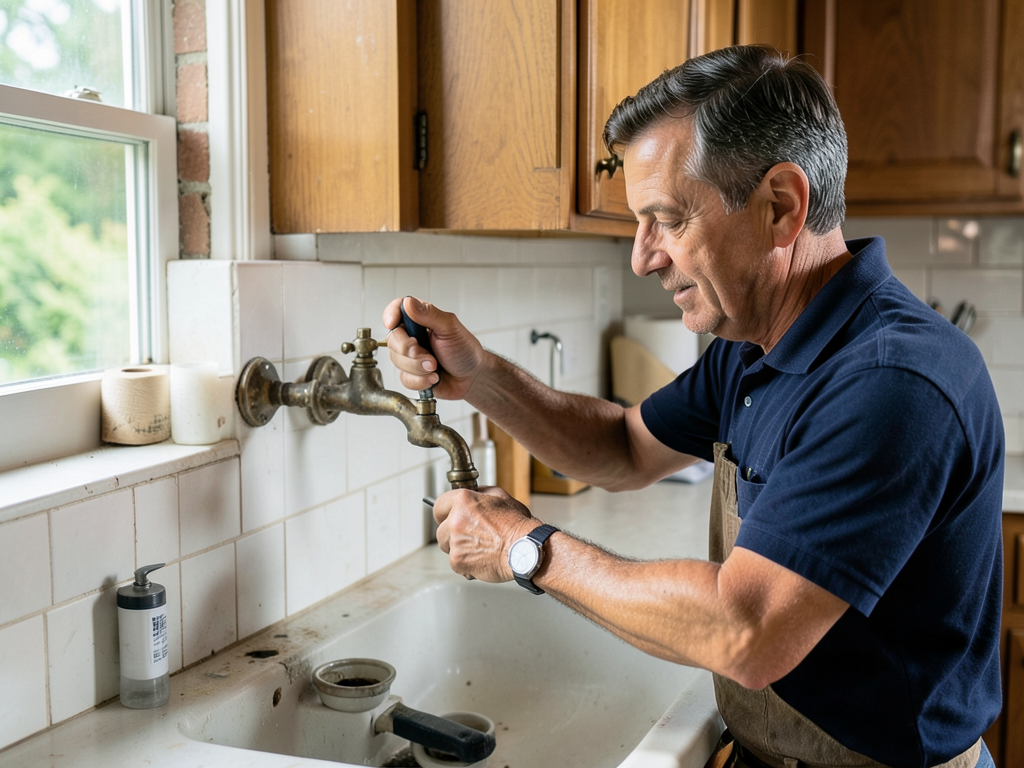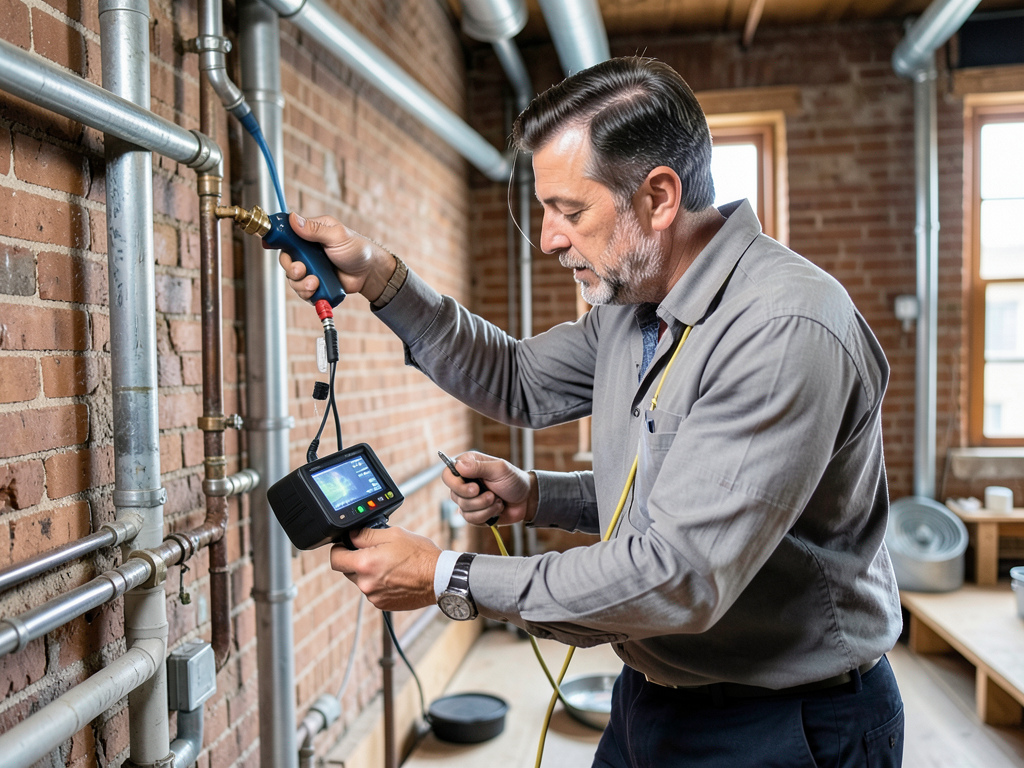







St. Louis receives water from the Mississippi River and Missouri River, treated to moderate hardness levels that accelerate scale buildup in water heaters and supply lines. Properties in West County often see white calcium deposits on aerators and showerheads within 18 months of installation. The region's expansive clay soil, particularly in South County and parts of North City, shifts with seasonal moisture changes, stressing underground piping and causing offset joints in sewer laterals. Buildings constructed before 1975 often have cast iron waste stacks that corrode from hydrogen sulfide gas produced by anaerobic bacteria in slow-draining lines. These local factors make proactive maintenance critical for apartment buildings where one failure can cascade across multiple units.
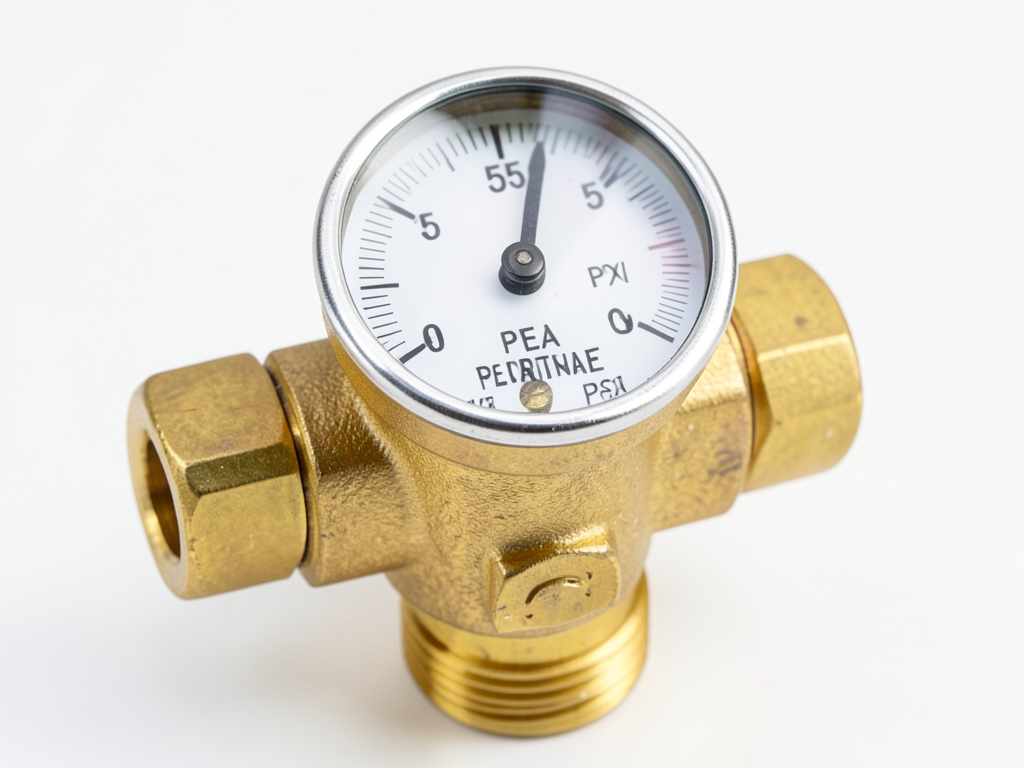
Peak Plumbing St. Louis maintains relationships with the Metropolitan St. Louis Sewer District and understands local backflow prevention requirements that vary by municipality. Clayton enforces annual testing on all commercial backflow devices. University City requires sewer lateral inspections before occupancy permit renewals. We track these jurisdictional differences so your properties remain compliant during routine inspections. Our familiarity with St. Louis building stock, from Soulard's historic brick walk-ups to Creve Coeur's modern mid-rises, means we anticipate issues before they become expensive emergencies. Choosing a local provider eliminates the learning curve that costs you money in extended downtime and repeat service calls.