






St. Louis sits on expansive clay soil that swells up to 10 percent during wet seasons and shrinks during drought. This constant movement shifts sewer laterals installed in trenches that never fully compacted. Homes built before 1975 in neighborhoods like Dogtown, The Hill, and South Hampton have cast iron or clay pipe sewer lines that crack under this pressure. A lateral that passed inspection five years ago can develop a belly or offset joint after one freeze-thaw cycle. Tree roots from the urban forest canopy exploit these cracks, growing into the pipe and creating nets that catch debris until your entire line blocks. Main sewer line clog repair in St. Louis requires understanding how soil mechanics and aging infrastructure combine to cause sudden failures.
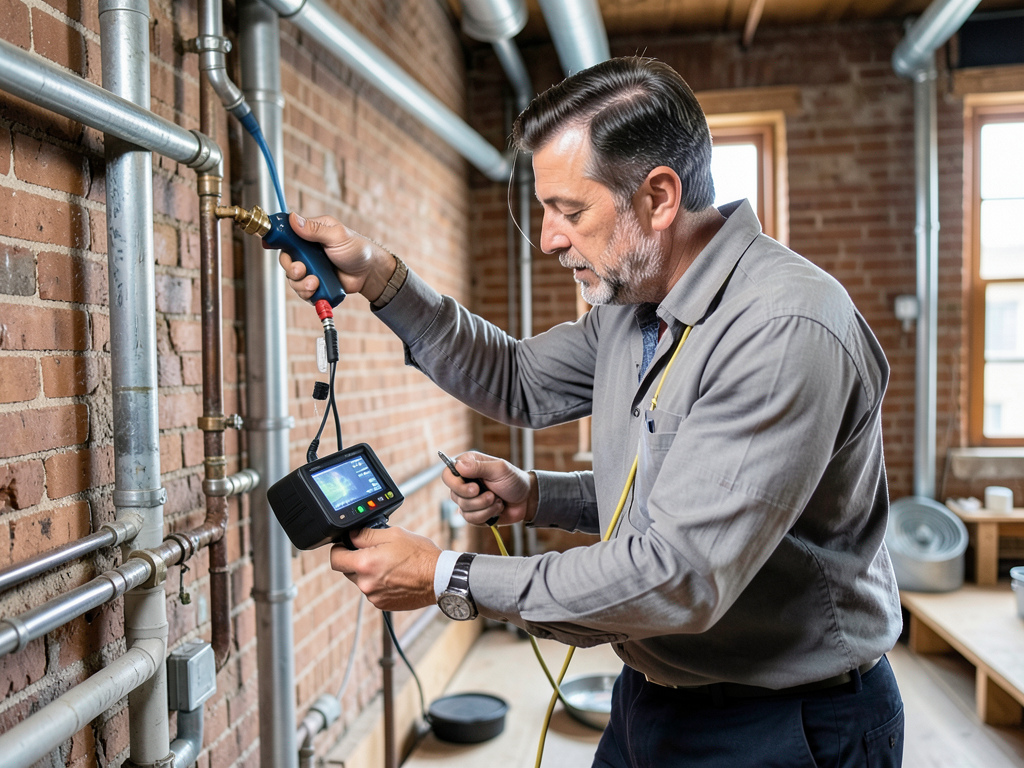
Metropolitan St. Louis Sewer District enforces strict requirements for sewer lateral repairs that cross property lines or connect to public mains. Peak Plumbing St. Louis maintains relationships with MSD inspectors and pulls permits when excavation affects sidewalks or streets. We coordinate with the district when camera inspections reveal problems in the public main that contribute to your backup. This local expertise prevents delays and ensures repairs meet code requirements the first time. National chains often miss these regional compliance details, leading to failed inspections and costly rework. Choosing a plumber who works within St. Louis regulatory frameworks protects your investment and keeps your project on schedule.