





Menu

Sediment Buildup in Pipes in St. Louis – Expert Diagnosis and Complete System Restoration

Peak Plumbing St. Louis identifies the exact source of mineral deposits in water pipes, removes calcium buildup in water lines, and restores full water pressure and quality throughout your entire plumbing system.

Slider Image 1
Slider Image 2
Slider Image 3
Slider Image 4
Slider Image 5
Slider Image 7
Slider Image 8
Slider Image 9
Slider Image 10
Slider Image 11

Why St. Louis Water Destroys Pipes Faster Than Most Cities

You turn on the faucet and the water pressure feels weak. The shower head sputters. The water heater makes popping sounds. You are dealing with sediment buildup in pipes, and St. Louis water makes this problem worse than most places.

The Mississippi River watershed feeds St. Louis municipal water systems with extremely high mineral content. The dissolved calcium, magnesium, and iron create hard water that measures 7 to 10 grains per gallon in many Metro East neighborhoods. That is classified as moderately hard to hard, which accelerates limescale accumulation in plumbing at a faster rate than softer water regions.

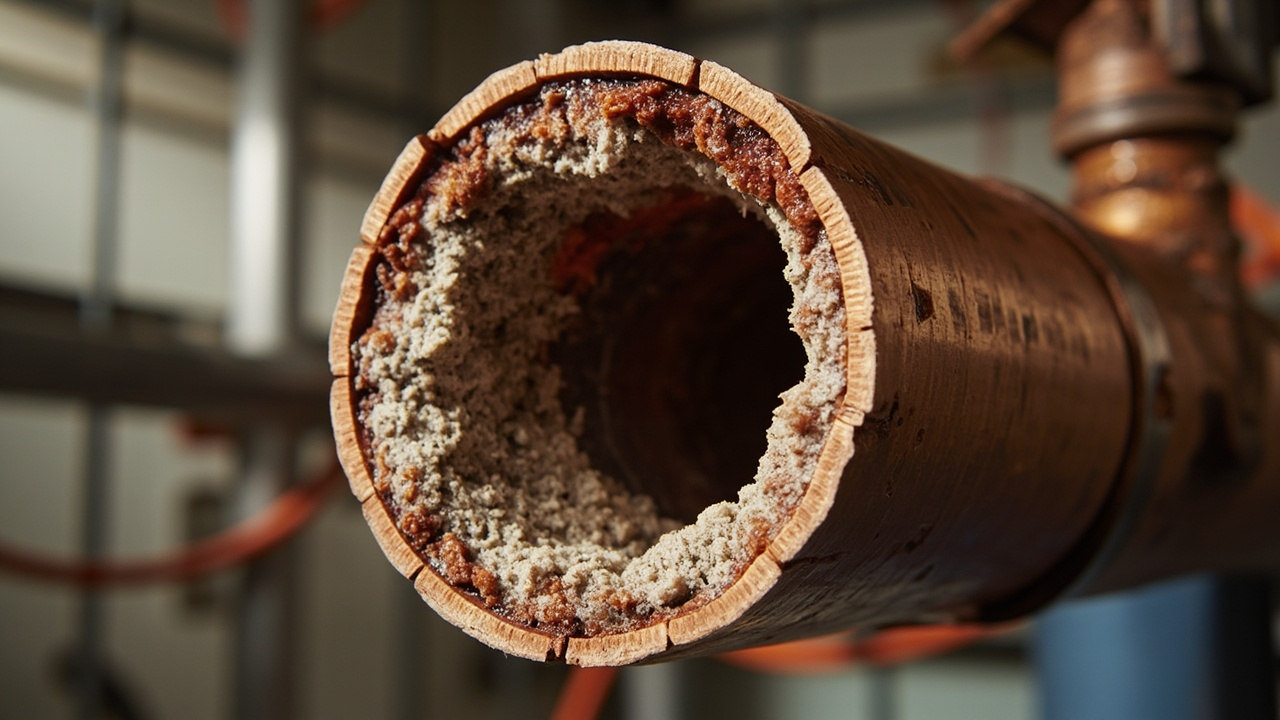
Every gallon of water flowing through your pipes deposits microscopic layers of mineral deposits in water pipes. Over months and years, those layers build into thick calcium buildup in water lines. The buildup narrows the internal diameter of pipes, reducing flow. It flakes off and clogs aerators, shutoff valves, and fixture cartridges. It creates rough surfaces where bacteria colonize and biofilm forms.

The problem gets worse in older homes with galvanized steel pipes common in neighborhoods like Tower Grove, Soulard, and The Hill. The rough interior surface of aged galvanized pipe traps sediment faster than smooth copper or PEX. You see rust-colored water, reduced pressure, and pipe calcification problems that lead to pinhole leaks.

Hard water pipe scaling does not just affect water quality. It destroys water heaters, dishwashers, and washing machines. The mineral crust on heating elements forces appliances to work harder and fail sooner. If you ignore the warning signs, you face emergency pipe replacements and flooded basements.

Why St. Louis Water Destroys Pipes Faster Than Most Cities
How We Remove Sediment Without Destroying Your Plumbing

How We Remove Sediment Without Destroying Your Plumbing

Most plumbers guess at the problem or sell you a water softener without addressing the sediment already choking your pipes. Peak Plumbing St. Louis uses diagnostic methods to locate the exact blockage points, then applies the correct descaling technique based on pipe material and sediment composition.

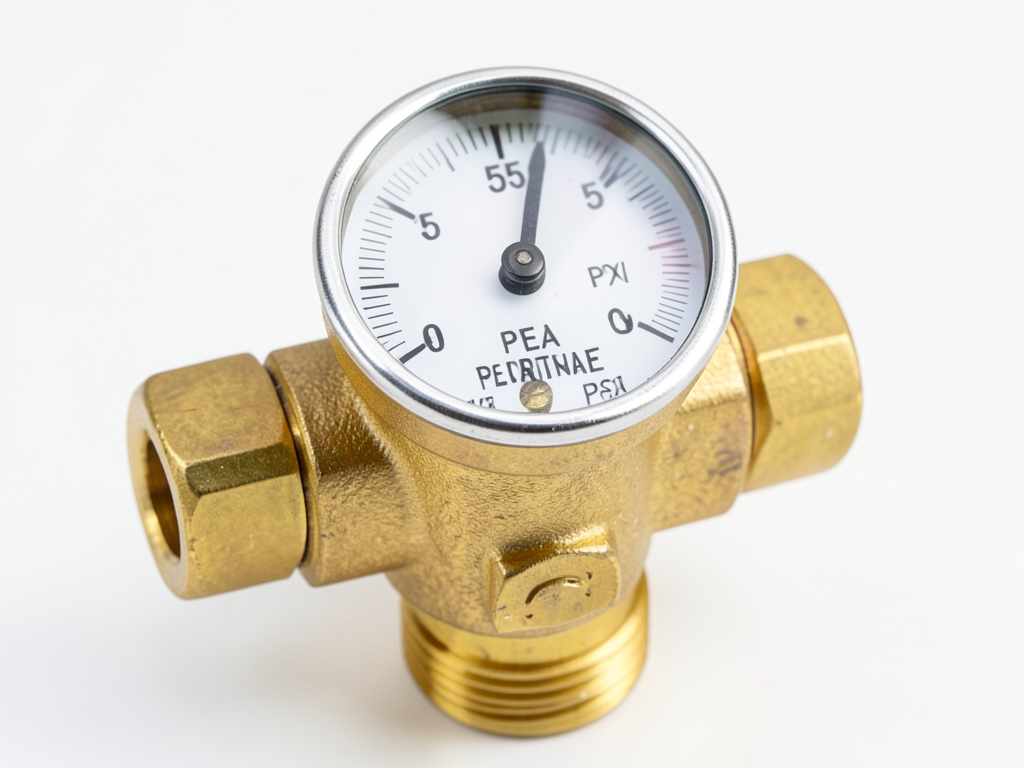
We start with a pressure test and flow rate measurement at multiple fixtures. This tells us where the restriction is worst. We use a borescope camera to inspect accessible pipe interiors and confirm whether you have mineral scaling, sediment accumulation, or both. The difference matters because the removal method changes.

For copper and PEX systems with moderate calcium buildup in water lines, we use a citric acid flush or a biodegradable descaling solution pumped through isolated sections. The solution dissolves limescale accumulation in plumbing without corroding the pipe walls. We monitor pH levels and flush thoroughly to prevent any residual acid damage.

For galvanized steel pipes with heavy rust sediment and mineral deposits in water pipes, we often recommend selective pipe replacement rather than flushing. Aggressive descaling can weaken already-corroded galvanized pipe and cause failures within weeks. We replace problem sections with PEX or copper, which resists future buildup.

For water heaters suffering from pipe calcification problems, we drain the tank, inspect the anode rod, and flush sediment from the bottom. If the buildup is severe, we remove and soak heating elements in descaling solution or replace them entirely. This restores efficiency and extends the unit's lifespan.

We also evaluate your water quality and recommend point-of-entry filtration or water softening systems if the mineral content justifies it. Prevention is cheaper than repeated descaling.

What Happens During a Sediment Removal Service

Sediment Buildup in Pipes in St. Louis – Expert Diagnosis and Complete System Restoration
01

System Inspection and Testing

We test water pressure at multiple fixtures and inspect accessible plumbing for corrosion, discoloration, and blockage symptoms. We use a borescope camera to view pipe interiors where possible and take a water sample to analyze mineral content and sediment composition. This tells us the severity and guides the treatment method.
02

Targeted Descaling or Replacement

Depending on pipe material and buildup severity, we either flush the system with a descaling solution or replace heavily corroded sections. For copper and PEX, we isolate zones and circulate the solution until scaling dissolves. For galvanized pipe with advanced calcification, we cut out damaged sections and install new pipe to prevent future failures.
03

Water Quality Verification

After descaling or replacement, we flush the entire system, test water pressure at every fixture, and verify that flow rates meet expected levels. We check for leaks and inspect water clarity. If mineral content is high, we discuss water softening or filtration options to prevent recurrence and protect your appliances long term.

Why St. Louis Homeowners Trust Us With Their Water Systems

St. Louis plumbing is not like plumbing in Denver or Phoenix. The combination of hard water, aging housing stock, and temperature swings creates unique challenges. Peak Plumbing St. Louis has worked in hundreds of homes across the city and county, from Historic Soulard rowhouses with original galvanized supply lines to newer subdivisions in West County with PEX systems.

We understand that a home built in 1920 has different plumbing vulnerabilities than a home built in 2005. We know which neighborhoods have the worst mineral content because we see the patterns. We know when to descale and when to recommend repiping. That knowledge prevents costly mistakes and repeat failures.

We also know local building codes and permitting requirements for plumbing work. If we replace sections of your supply line, we pull permits and schedule inspections to keep everything legal. You do not have to worry about compliance or resale issues.

Our technicians carry the tools and materials to handle sediment problems on the first visit. We stock descaling pumps, inspection cameras, PEX and copper fittings, and water testing kits on every truck. That means faster diagnosis, same-day solutions, and fewer return trips.

We explain what we find in plain language. You see the camera footage, the test results, and the sediment we remove. You understand the problem and the fix before we do the work. No upselling, no scare tactics, just honest recommendations based on what your system needs.

We also follow up. After a descaling service or pipe replacement, we check back to confirm water pressure has stabilized and water quality has improved. If you have questions or notice any issues, we respond fast.

What You Can Expect From Start to Finish

Same-Day Diagnosis Available

We schedule most inspections within 24 hours of your call. Our technicians arrive on time with camera equipment, pressure gauges, and water testing kits. The diagnostic process takes 45 to 90 minutes depending on your home size and plumbing layout. You receive a written assessment and cost estimate before any work begins. If you approve, we often complete descaling or minor repairs the same day. Larger repiping projects are scheduled within the week.

Thorough System Evaluation

We do not just treat the symptom. We test water pressure at the main shutoff, at the water heater, and at every fixture. We inspect exposed pipes for corrosion and check the condition of shutoff valves and supply lines. We use a camera to view pipe interiors where accessible and take water samples to measure hardness, mineral content, and sediment levels. This tells us whether the problem is localized or system-wide and guides the treatment plan.

Restored Flow and Water Quality

After descaling or pipe replacement, you will notice immediate improvement in water pressure, clarity, and appliance performance. Showers run stronger, faucets stop sputtering, and water heaters operate quietly. We verify flow rates at all fixtures and flush the system until water runs clear. You receive before-and-after test results and recommendations for preventing future buildup. Most customers see a 40 to 70 percent improvement in pressure after treatment.

Prevention and Maintenance Support

We provide a written report detailing the work completed and any remaining vulnerabilities in your plumbing system. If your water hardness is high, we recommend specific filtration or softening systems and can install them. We offer annual maintenance visits to flush water heaters, inspect supply lines, and test water quality before problems develop. Preventative care extends the life of your pipes and appliances and saves you money on emergency repairs.

Frequently Asked Questions

You Have Questions,
We Have Answers

What causes sediment in water pipes? +

Sediment in water pipes comes from mineral deposits in hard water, corroded galvanized steel or iron pipes, and external sources like municipal water system disturbances. St. Louis water has moderate hardness, meaning calcium and magnesium gradually accumulate inside pipes over time. Older homes in neighborhoods like Tower Grove and Shaw often have original galvanized pipes that shed rust and scale. When the city performs main line repairs or flushes hydrants, loose sediment gets pushed into your home's supply lines. Clay soil shifts in the region also stress aging pipes, accelerating corrosion and sediment release into your water.

How much to flush pipes in a house? +

Professional pipe flushing typically costs between a service call minimum and several hundred dollars, depending on home size and complexity. A standard residential flush takes one to two hours. The price varies based on how many fixtures you have, accessibility of shutoff valves, and whether sediment buildup requires additional cleaning methods. Older St. Louis homes with multiple stories or original galvanized plumbing may need more extensive work. A plumber will shut off your water heater, open all faucets systematically, and flush from the main line through each fixture. Severe buildup may require hydro jetting for complete removal.

How to get rid of debris in pipes? +

Removing debris from pipes starts with shutting off the water supply and draining the system. Open the lowest faucet in your home to create flow direction. Remove and clean faucet aerators, which trap most loose debris. For supply lines, a plumber can disconnect pipes at access points and flush them individually. St. Louis homes with older plumbing benefit from removing sediment traps at water heaters and boiler drains. For drain lines, mechanical snaking or hydro jetting clears debris effectively. Persistent debris problems often indicate corroded pipes that continuously shed material, requiring pipe replacement for a permanent fix.

How to remove silt from pipes? +

Removing silt from pipes requires flushing the entire plumbing system methodically. Turn off your water heater to prevent sediment from entering the tank. Open all cold water faucets starting from the highest floor, working down to create flow that pushes silt toward drain points. Let water run until it clears. For stubborn silt accumulation, professional hydro jetting uses pressurized water to scour pipe interiors clean. St. Louis homes near the Mississippi River floodplain sometimes experience silt intrusion during water main breaks. If silt returns quickly, check for compromised pipe joints or failing well components that allow external contamination.

How do you flush sediment out of pipes? +

Flush sediment by turning off your water heater and opening all faucets simultaneously, starting with those farthest from the main supply. Let cold water run for several minutes at each fixture. Open your water heater drain valve with a hose attached to flush accumulated sediment from the tank. In St. Louis homes with galvanized pipes, expect discolored water initially as rust and scale dislodge. Remove aerators from faucets and showerheads to prevent clogging. For persistent sediment issues or visible particles, hire a plumber to perform high-volume flushing or hydro jetting, which reaches deeper deposits that standard flushing misses.

What are two things you should never flush down a toilet? +

Never flush wipes or feminine hygiene products down a toilet. Wipes marketed as flushable do not break down like toilet paper and create blockages in your home's drain lines and the municipal sewer system. St. Louis has aging cast iron sewer laterals in historic districts that snag these materials easily, causing backups. Feminine products absorb water and expand, lodging in pipe bends and traps. These items cause the majority of residential drain clogs. Only human waste and toilet paper should go down your toilet. Everything else belongs in the trash, regardless of packaging claims about flushability or biodegradability.

Does homeowners insurance cover sewer line repair? +

Standard homeowners insurance typically excludes sewer line repair because it falls under maintenance, not sudden covered perils. Most policies cover damage inside your home caused by a sewer backup, but not the actual pipe repair. St. Louis homeowners should check if their policy includes a sewer backup endorsement, which adds limited coverage. Some insurers offer optional sewer line coverage for an additional premium. The city owns and maintains the main sewer line in the street, but you own the lateral line from your home to that connection point. Consider separate service line coverage or sewer insurance policies that specifically protect aging underground pipes.

What are the signs I need hydro jetting? +

You need hydro jetting when drains clog repeatedly despite snaking, water backs up from multiple fixtures simultaneously, or you notice persistent slow drainage throughout your home. Foul odors from drains indicate biofilm and grease buildup that chemical cleaners cannot remove. If you see sediment or sludge in your basement floor drain, your lines have significant accumulation. St. Louis homes with mature trees often need hydro jetting to clear root intrusion in clay sewer pipes. Gurgling sounds when flushing toilets signal restricted flow. Hydro jetting scours pipe walls clean, removing scale, grease, roots, and sediment that mechanical snaking pushes aside temporarily.

How much does a plumber charge to unclog pipes? +

Plumbers charge a service call fee plus hourly rates or flat fees based on clog complexity. Simple drain clogs typically cost less than main line stoppages. The price increases if the clog requires camera inspection, hydro jetting, or access through cleanouts versus fixtures. St. Louis homes with cast iron pipes or root intrusion face higher costs because these clogs take longer to clear. Emergency after-hours service costs more than scheduled appointments. Most plumbers provide upfront pricing after diagnosing the issue. Severe blockages requiring excavation or pipe replacement cost significantly more than standard augering. Get multiple quotes for major work.

Why pour salt down the drain every night? +

Pouring salt down drains is an internet myth with no real benefit. Salt does not prevent clogs, dissolve grease, or clean pipes effectively. This practice can corrode metal pipes over time and contributes unnecessary sodium to wastewater treatment systems. St. Louis homes with older galvanized or copper pipes risk accelerated corrosion from regular salt exposure. For drain maintenance, use hot water to flush grease weekly and install drain screens to catch hair and debris. Enzyme-based drain cleaners work better than salt for maintaining clear pipes. Skip the salt and focus on proper disposal habits and periodic professional drain cleaning instead.

Why St. Louis Hard Water Accelerates Pipe Failure

St. Louis draws water from the Missouri and Mississippi Rivers, which carry high concentrations of dissolved limestone and mineral sediment from upstream watersheds. The municipal supply averages 7 to 10 grains per gallon of hardness, which qualifies as moderately hard to hard. That means every gallon deposits calcium and magnesium onto pipe walls, creating limescale accumulation in plumbing that narrows flow paths and traps rust and biofilm. Homes in older neighborhoods with galvanized steel pipes face the worst problems because rough, corroded interiors accelerate mineral deposits in water pipes. Without descaling or pipe replacement, hard water pipe scaling leads to complete blockages and emergency failures.

Peak Plumbing St. Louis has serviced homes across the Metro area, from the historic districts south of Forest Park to newer developments in West County and St. Charles. We know which neighborhoods have the oldest plumbing infrastructure and which ZIP codes report the highest mineral content. We understand local building codes for plumbing alterations and pull permits when required. That local knowledge means accurate diagnosis, code-compliant repairs, and long-term solutions tailored to the specific challenges of St. Louis water and housing stock.
Plumbing Services in The St. Louis Area

Peak Plumbing St. Louis is proud to serve the entire St. Louis metropolitan area and surrounding communities. Our dedicated team is strategically located to respond quickly to your residential and commercial plumbing needs. You can view our primary service area on the map below, but if you're located nearby and have a plumbing issue, don't hesitate to give us a call to see how we can assist you.

Address:
Peak Plumbing St. Louis, 4565 McRee Ave, St. Louis, MO, 63110

Additional Services We Offer

Our news updates

Latest Articles & News from The Blogs

How to Stop Your Kirkwood Basement Bar Ejector Pump From Failing \n\n Your basement bar is the heart of your…

How to Stop Your Kirkwood Basement Bar Ejector Pump From Failing

How to Stop Your Kirkwood Basement Bar Ejector Pump From Failing \n\n Your basement bar is the heart of your…

Why a Pre-Listing Plumbing Inspection is Essential for Selling Your Huntleigh Home

Why a Pre-Listing Plumbing Inspection is Essential for Selling Your Huntleigh Home Selling a home in Huntleigh requires more than…

Why Your Spanish Lake Shower Has Terrible Water Pressure

Why Your Spanish Lake Shower Has Terrible Water Pressure Nothing ruins a morning like stepping into a shower that barely…

Contact Us

Call Peak Plumbing St. Louis at (314) 417-7677 to schedule a same-day diagnostic inspection. We will identify the exact cause of your sediment buildup and provide a clear, honest solution to restore your water system.