





Menu

Water Stains on Ceiling or Walls in St. Louis – Expert Leak Detection and Permanent Repair

Peak Plumbing St. Louis finds the hidden source behind every brown spot, damp patch, and yellow water mark using thermal imaging and pressure testing to stop the leak and prevent mold growth in your home.

Slider Image 1
Slider Image 2
Slider Image 3
Slider Image 4
Slider Image 5
Slider Image 7
Slider Image 8
Slider Image 9
Slider Image 10
Slider Image 11

Why St. Louis Homes Get Water Stains on Ceilings and Walls

You spot a brown spot on your ceiling or a damp patch creeping down your wall. You touch it and the drywall feels soft. The paint is bubbling. Something is leaking behind that surface, and the moisture is spreading.

In St. Louis, water stains are not just cosmetic problems. They signal active plumbing failures happening inside your walls or above your ceilings. The clay soil shifts here. Foundations settle. That movement stresses old galvanized pipes and corroded copper joints. Add the freeze-thaw cycles we get in winter, and supply lines crack. Drain lines separate at the fittings. Water finds a path and pools where you cannot see it until ceiling discoloration from a leak appears.

Yellow water marks on ceilings often start small. A quarter-sized stain near a bathroom or kitchen. Within weeks, it grows. The drywall absorbs moisture like a sponge. Mold spores colonize within 48 hours in humid conditions. St. Louis humidity accelerates this. By the time you see moisture stains on drywall, the damage behind the surface is worse than what you can see.

The stain is not the problem. It is the symptom. The real issue is the broken pipe, failed wax ring, leaking shower pan, or burst supply line hidden in the wall cavity or ceiling joist bay. You need to find that source, stop the water, and repair it correctly before the drywall turns to mush and the framing starts to rot.

Why St. Louis Homes Get Water Stains on Ceilings and Walls
How We Find and Fix the Leak Causing Your Water Stains

How We Find and Fix the Leak Causing Your Water Stains

We do not patch over stains and hope the problem goes away. We locate the leak source using diagnostic tools designed for hidden plumbing failures.

First, we use a moisture meter to map the wet area behind your walls and ceilings. This tells us where water is actively pooling. Then we use thermal imaging cameras to scan the surface. Temperature differentials reveal active leaks. Cold spots show evaporating moisture. Hot spots show where water is traveling along pipes or joists.

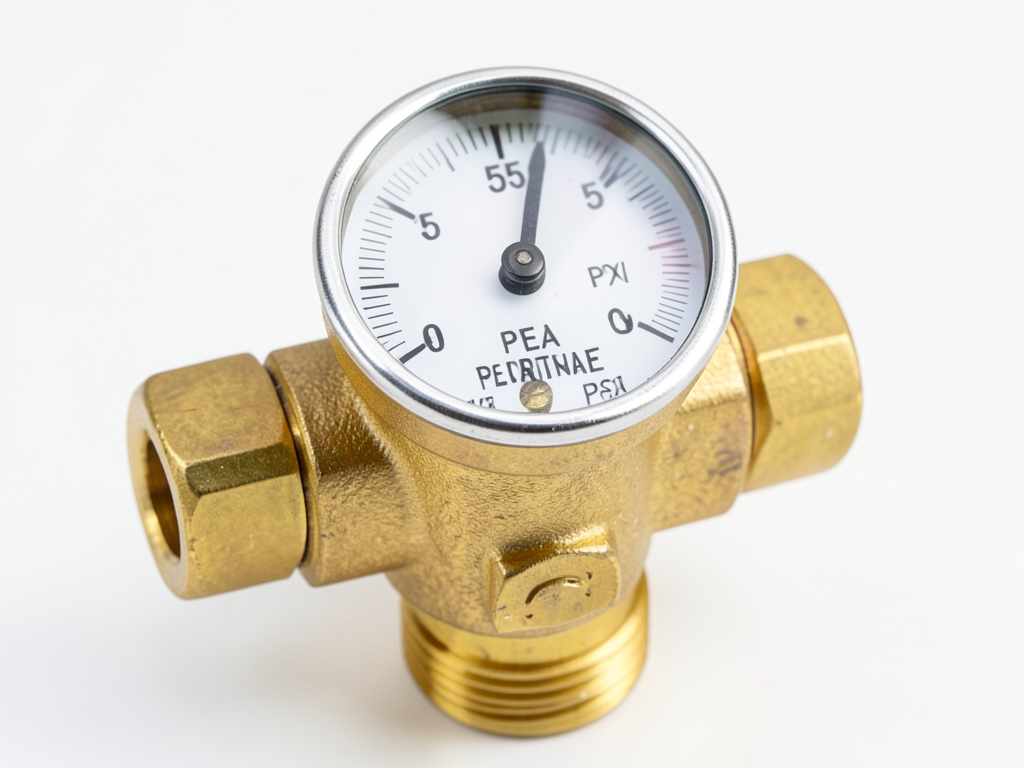
Once we narrow down the location, we perform a pressure test on your water supply system. We isolate sections of your plumbing and monitor gauge readings. A pressure drop tells us exactly which line is compromised. For drain leaks, we use a video inspection camera fed through your cleanouts to inspect pipe interiors for cracks, separations, or root intrusion.

After we confirm the source, we access the failed component. Sometimes that means cutting into drywall. We make surgical incisions to minimize repair area. We replace the damaged pipe section, reseal the joint, or reinstall the fixture with proper waterproofing. We test the repair under full pressure and verify no moisture returns.

Then we address the collateral damage. We remove wet insulation and compromised drywall. We treat the framing with antimicrobial solution if mold is present. We install new drywall, tape, mud, and texture-match your existing finish. The surface gets primed with stain-blocking sealer so the old water mark does not bleed through the new paint.

What Happens During a Water Stain Leak Investigation

Water Stains on Ceiling or Walls in St. Louis – Expert Leak Detection and Permanent Repair
01

Initial Inspection and Moisture Mapping

We start by examining the stain pattern and surrounding areas. Using moisture meters, we measure water saturation levels in walls, ceilings, and floors. Thermal imaging cameras scan for temperature anomalies that indicate active water movement. This non-invasive mapping tells us where the water is traveling and helps us pinpoint the likely leak location without unnecessary demolition.
02

Leak Source Identification

We isolate your plumbing system by zones and run pressure tests on supply lines. We monitor for pressure drops that confirm a breach. For suspected drain leaks, we deploy video inspection equipment through cleanouts to visually inspect pipe interiors. We check fixture connections, valve stems, and pipe joints in the affected area. Once we identify the exact failure point, we explain what failed and why.
03

Repair and Restoration

We access the failed component through strategic access points to minimize drywall removal. The damaged pipe, fitting, or seal gets replaced with code-compliant materials. We pressure-test the repair to verify it holds. Wet drywall and insulation are removed and replaced. Surfaces get treated for mold prevention, then finished to match your existing texture and paint. You get a dry, restored surface and confidence the leak will not return.

Why St. Louis Homeowners Trust Peak Plumbing for Water Stain Repairs

Water stains are not something you fix with a bucket of paint. You need a plumber who understands building systems and knows how St. Louis homes are constructed.

Many homes here were built between the 1940s and 1980s with galvanized steel supply lines. Those pipes corrode from the inside out. When they fail, the leak is slow and hidden until the ceiling discoloration appears. We know how to trace those old lines through wall cavities and replace them with modern PEX or copper without tearing apart your entire home.

St. Louis sits on expansive clay soil. Your foundation moves seasonally as the soil swells and contracts. That movement stresses drain lines under your slab and supply lines running through your walls. We account for that when we make repairs. We use flexible connections and proper support spacing to prevent future stress fractures.

We also understand local building codes and inspection requirements. If your water stain repair requires opening walls, we ensure all work meets St. Louis County and City code standards. That protects your home value and ensures the repair is done right.

Peak Plumbing St. Louis has the diagnostic equipment to find leaks other contractors miss. We do not guess. We do not cut exploratory holes all over your house. We use technology to locate the problem, then we fix it once. That saves you money, minimizes disruption, and gets your home back to normal faster.

You get a plumber who shows up on time, explains what is wrong, and completes the repair correctly the first time.

What You Can Expect When You Call Us About Water Stains

Fast Response and Same-Day Service

Water damage spreads fast. We prioritize water stain calls because we know the clock is ticking on mold growth and structural damage. Most appointments get scheduled within 24 hours. If your stain is actively dripping or growing, we treat it as an emergency and dispatch a technician the same day. We arrive with diagnostic equipment ready to start the investigation immediately. You get answers and a repair plan fast so you can stop worrying about hidden damage.

Thorough Leak Detection and Diagnosis

We do not just look at the stain. We inspect your entire plumbing system in the affected area. We check water heater connections, supply line routing, drain pipe slopes, and fixture seals. We use moisture meters and thermal imaging to map the full extent of water intrusion. You get a clear explanation of what failed, why it failed, and what needs to happen to fix it. We provide a detailed written estimate before any repair work begins so there are no surprises.

Complete Leak Repair and Surface Restoration

We fix the plumbing failure and restore the damaged surface. The failed pipe or fixture gets replaced with quality materials that meet or exceed code. We remove compromised drywall and insulation, treat framing for mold prevention, and install new materials. Surfaces get finished to match your existing texture. We clean up thoroughly and haul away all debris. You get a fully restored ceiling or wall that looks like the leak never happened.

Follow-Up and Prevention Guidance

After the repair, we walk you through what we did and answer any questions. We provide guidance on how to monitor for future leaks and what warning signs to watch for. If we identified other aging components during our inspection, we let you know so you can plan proactive replacements before they fail. We stand behind our work and remain available if you have concerns after the repair is complete. You get peace of mind knowing the problem is truly solved.

Frequently Asked Questions

You Have Questions,
We Have Answers

Why is there a water stain on my ceiling but no leak? +

A water stain without an active leak often means the problem already happened. In St. Louis homes, this occurs after pipe bursts during freeze-thaw cycles or roof leaks that only appear during heavy rain. The water stopped flowing, but the stain remains. Another cause is condensation from poor attic ventilation, which is common in older St. Louis homes with inadequate insulation. High humidity in summer can also create condensation on cold pipes. The stain proves water was there. You need to identify the source before it happens again and causes structural damage or mold growth.

How to tell if water is leaking behind a wall? +

Look for discoloration or bubbling paint on walls, which signals trapped moisture. Feel the wall for dampness or temperature differences. Musty odors indicate hidden water and potential mold. Watch for warping baseboards or buckling flooring near walls. In St. Louis homes with older cast iron or galvanized pipes, listen for dripping sounds inside walls during quiet hours. Check your water meter with all fixtures off. If it still moves, you have a hidden leak. Peeling wallpaper and soft drywall are clear signs. Many St. Louis basements show wall moisture from foundation cracks that let groundwater seep through.

Why am I getting wet spots on my ceiling? +

Wet spots on your ceiling signal an active water intrusion. The most common causes in St. Louis homes are roof leaks from damaged shingles after storms, second-floor plumbing failures like leaking supply lines or toilet wax rings, and HVAC condensation drain clogs. Clay soil shifts around foundations can stress pipes and create pinhole leaks. Check your attic after rain to see if water enters through the roof. Inspect the bathroom or kitchen directly above the stain. Turn off fixtures and watch if the spot grows. Immediate action prevents ceiling collapse, mold growth, and electrical hazards.

What does a water leak look like on a ceiling? +

Water leaks create brown, yellow, or copper-colored rings on ceilings. Fresh leaks appear darker and wet to the touch. The stain often has a defined outer ring with a darker center. As it dries, the color lightens but leaves a visible mark. You might see sagging drywall or bubbling paint around the stain. In St. Louis homes with plaster ceilings, water causes cracking and chunks may fall. Large leaks create bulging pockets where water collects. Mold appears as black or green spots around older stains. The stain size does not always match leak severity.

How to find source of water stain on ceiling? +

Start directly above the stain. Check bathrooms, kitchens, or HVAC units on upper floors. Inspect attic spaces for roof leaks, especially around chimneys and vents common in St. Louis homes. Look for water trails on rafters that run toward the stain. Turn on faucets and flush toilets above the area while someone watches the stain. Check for condensation on cold water pipes. Roof leaks rarely drip straight down. Water follows rafters and insulation before appearing on your ceiling. For hidden leaks, plumbers use moisture meters and thermal imaging cameras to pinpoint the exact source without demolition.

What are signs of a serious ceiling issue? +

Sagging or bulging ceiling sections mean water has saturated the drywall and structural failure is imminent. Large spreading stains indicate ongoing leaks that require emergency attention. Visible mold growth signals prolonged moisture and health risks. Cracking plaster or falling debris means the ceiling lost integrity. If you see electrical fixtures near the stain, shut off power immediately to prevent fires. In St. Louis homes with older plumbing, multiple ceiling stains suggest systemic pipe corrosion. A musty smell throughout rooms indicates hidden water damage inside wall cavities. Any dripping water requires immediate professional assessment to prevent collapse.

How do plumbers determine behind the wall leaks? +

Plumbers use electronic leak detection equipment that listens for water flow inside walls. Thermal imaging cameras show temperature differences where water flows through cold pipes or saturates insulation. Moisture meters measure hidden dampness in drywall without cutting holes. Pressure testing isolates sections of plumbing to pinpoint leak locations. In St. Louis homes with slab foundations, plumbers may use tracer gas or helium detectors. Video pipe inspection cameras snake through drain lines to find cracks. These tools locate leaks without unnecessary demolition. Experienced plumbers combine technology with knowledge of how St. Louis homes were built to find problems efficiently.

Does home insurance cover leak detection? +

Most homeowner policies cover sudden and accidental leaks, like burst pipes. They typically do not cover detection services or gradual damage from long-term neglect. Insurance pays for repairs after you find the leak, but not the investigation itself. Check your specific policy. Some St. Louis insurers offer equipment breakdown coverage that includes leak detection. If the leak caused significant damage, insurers may reimburse detection costs as part of the claim. Document everything with photos before repairs. Preventive leak detection to avoid future problems is rarely covered. Always file claims promptly after discovering water damage.

How long does it take for a water leak to cause mold? +

Mold can start growing within 24 to 48 hours after water exposure in St. Louis humidity. The combination of moisture and warm temperatures creates ideal conditions. Porous materials like drywall, insulation, and carpet grow mold fastest. Mold needs only dampness, organic material, and temperatures above 40 degrees to thrive. St. Louis summer humidity accelerates growth even after the leak stops if materials stay wet. Visible mold often appears within a week. Hidden mold inside walls may grow undetected for months. Fast water extraction and thorough drying within 48 hours prevents most mold issues.

Who to call for water spots on ceiling? +

Call a licensed plumber immediately. Water spots indicate active or recent leaks that require professional diagnosis. Plumbers have the tools and experience to find hidden sources, assess damage, and make permanent repairs. In St. Louis, ceiling stains often trace back to old galvanized pipes, failed wax rings, or roof penetrations that need expert evaluation. Do not wait. Water damage worsens rapidly and creates mold, structural problems, and higher repair costs. A qualified plumber will locate the source, explain your options, and prevent future damage. Address ceiling water stains as emergencies to protect your St. Louis home.

How St. Louis Clay Soil and Humidity Make Water Stains a Serious Problem

St. Louis sits on expansive clay soil that swells when wet and shrinks when dry. This seasonal movement shifts your foundation and stresses plumbing lines. Supply pipes crack at joints. Drain lines separate at fittings. Water escapes into wall cavities and ceiling joists. Add our summer humidity, often exceeding 70 percent, and moisture does not evaporate. It sits in your drywall and insulation. Brown spots on your ceiling and damp patches on walls are common here because the combination of soil movement and humidity creates perfect conditions for hidden plumbing failures and rapid mold colonization.

Peak Plumbing St. Louis understands how local conditions affect your plumbing system. We work in homes across the metro every day, from historic neighborhoods near Tower Grove Park to newer subdivisions in West County. We know which pipe materials fail first in St. Louis foundations and how to spot the early signs of stress fractures before they turn into major leaks. When you hire a local plumber who understands clay soil dynamics and regional construction methods, you get repairs that account for the real conditions your home faces, not generic fixes that fail again in six months.
Plumbing Services in The St. Louis Area

Peak Plumbing St. Louis is proud to serve the entire St. Louis metropolitan area and surrounding communities. Our dedicated team is strategically located to respond quickly to your residential and commercial plumbing needs. You can view our primary service area on the map below, but if you're located nearby and have a plumbing issue, don't hesitate to give us a call to see how we can assist you.

Address:
Peak Plumbing St. Louis, 4565 McRee Ave, St. Louis, MO, 63110

Additional Services We Offer

Our news updates

Latest Articles & News from The Blogs

How to Stop Your Kirkwood Basement Bar Ejector Pump From Failing \n\n Your basement bar is the heart of your…

How to Stop Your Kirkwood Basement Bar Ejector Pump From Failing

How to Stop Your Kirkwood Basement Bar Ejector Pump From Failing \n\n Your basement bar is the heart of your…

Why a Pre-Listing Plumbing Inspection is Essential for Selling Your Huntleigh Home

Why a Pre-Listing Plumbing Inspection is Essential for Selling Your Huntleigh Home Selling a home in Huntleigh requires more than…

Why Your Spanish Lake Shower Has Terrible Water Pressure

Why Your Spanish Lake Shower Has Terrible Water Pressure Nothing ruins a morning like stepping into a shower that barely…

Contact Us

Water stains get worse every day you wait. Call Peak Plumbing St. Louis now at (314) 417-7677. We will find the leak, stop the water, and restore your ceiling or wall before mold takes over your home.