



Menu

Emergency Sewer Backup Cleanup in St. Louis – 24/7 Response in Under 60 Minutes

When raw sewage floods your property, every second counts. Our emergency extraction teams arrive fast to stop contamination, protect your health, and restore your St. Louis home or business before structural damage sets in.

Slider Image 1
Slider Image 2
Slider Image 3
Slider Image 4
Slider Image 5
Slider Image 7
Slider Image 8
Slider Image 9
Slider Image 10
Slider Image 11

Raw Sewage in Your Property Is a Health Emergency

A sewer backup is not a minor leak. Raw sewage contains bacteria, viruses, and parasites that pose immediate health risks to you, your family, or your employees. In St. Louis, the problem is worse than most cities realize. Our aging sewer infrastructure, combined with clay soil that shifts during freeze-thaw cycles, creates sudden main line failures and back-pitched laterals that send waste water flooding into basements and crawl spaces.

When the Mississippi River rises or we get hit with heavy spring rains, the city's combined sewer system can overwhelm private laterals. That backup does not wait for business hours. You smell it first, then you see it pooling near floor drains, toilets, or utility sinks. The water is dark, foul, and contaminated with everything flushed from upstream properties.

Time is your enemy. Within hours, porous materials like drywall, carpet, and wood framing absorb Category 3 contaminated water. Mold spores begin colonizing damp surfaces in 24 to 48 hours. The longer sewage sits, the higher your restoration costs climb.

You need urgent sewage removal services that operate around the clock. Peak Plumbing St. Louis dispatches emergency raw sewage extraction teams 24/7 because we know St. Louis homeowners cannot afford to wait until morning. Our rapid sewer backup restoration process begins the moment you call, not when it is convenient for us. We mobilize immediate sewage spill mitigation equipment, including industrial pumps, antimicrobial treatments, and air movers designed for biohazard environments.

Raw Sewage in Your Property Is a Health Emergency
How We Extract, Disinfect, and Restore After Sewage Intrusion

How We Extract, Disinfect, and Restore After Sewage Intrusion

Emergency sewer backup cleanup is not standard water damage work. It requires biohazard protocols, EPA-registered disinfectants, and containment strategies to prevent cross-contamination. When you call Peak Plumbing St. Louis, you get a team trained in IICRC Category 3 water damage standards and familiar with the specific plumbing failures common to St. Louis properties.

We start with source isolation. Our technicians locate the failed cleanout, broken lateral, or clogged main line causing the backup. We deploy truck-mounted jetting equipment or mechanical augers to clear the obstruction and stop the inflow. Until the drain is open, extraction is futile.

Once flow is restored, we begin 24 hour sewer overflow cleaning using truck-mounted extractors that pull thousands of gallons per hour. We do not use shop vacs. We use commercial-grade pumps designed for solids-laden waste water. Every surface contacted by sewage is then treated with hospital-grade quaternary ammonium compounds that kill pathogens on contact.

We remove unsalvageable materials immediately. Carpet padding, soaked insulation, and porous baseboards are bagged and disposed of according to local waste codes. Hard surfaces are scrubbed, disinfected, and re-treated. We set up negative air machines with HEPA filtration to prevent airborne contaminants from spreading to clean areas.

Drying comes next. We deploy commercial dehumidifiers and high-velocity air movers to pull moisture from framing, subfloors, and wall cavities. Moisture meters guide our process. We do not guess when a space is dry. We measure it. This is how we prevent mold amplification and secondary damage that insurance adjusters flag during claims reviews.

What Happens When You Call for Sewage Backup Help

Emergency Sewer Backup Cleanup in St. Louis – 24/7 Response in Under 60 Minutes
01

Immediate Dispatch and Assessment

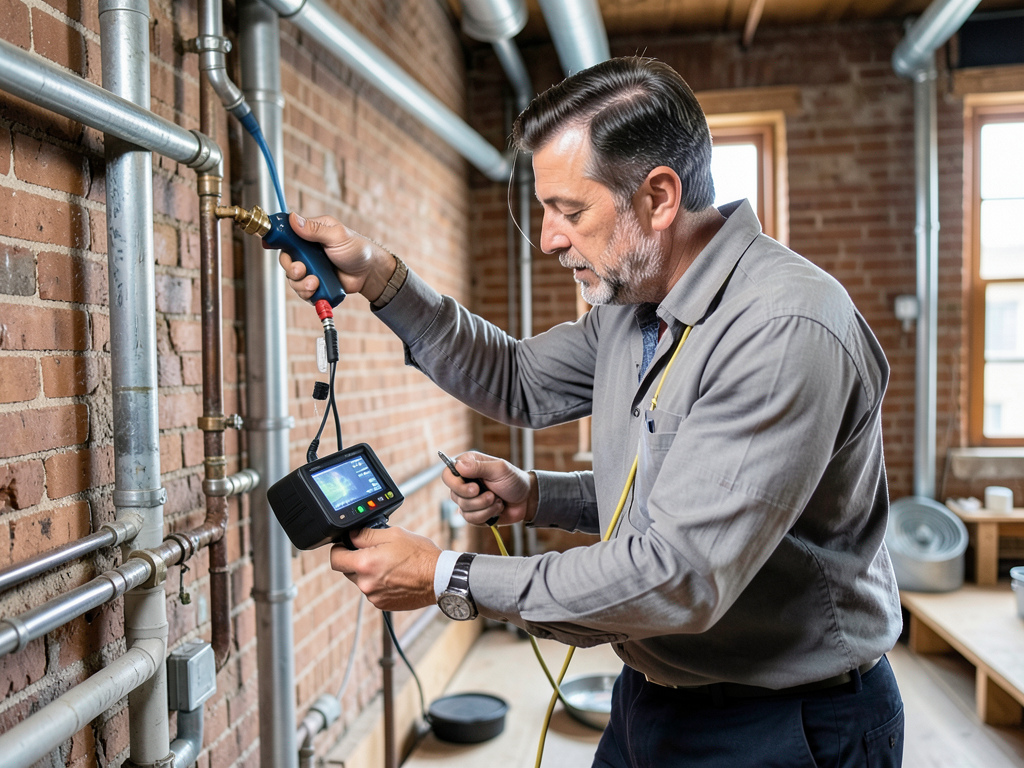
Your call triggers immediate crew mobilization. We dispatch a response team with extraction pumps, personal protective equipment, and diagnostic cameras. Our technician arrives in a fully stocked truck, ready to assess the source, scope, and contamination level. We do not schedule you for next week. We roll now because sewage damage accelerates by the hour in St. Louis's humid climate.
02

Extraction and Decontamination

Once the blockage is cleared, we extract standing sewage using truck-mounted pumps capable of handling solids and debris. All affected surfaces are treated with EPA-registered antimicrobials that neutralize bacteria, viruses, and fungi. We remove compromised materials like carpet and drywall that cannot be salvaged. Containment barriers prevent contamination from spreading to unaffected rooms during the cleaning process.
03

Drying and Verification

After disinfection, we deploy industrial dehumidifiers and air movers to dry structural components to safe moisture levels. We monitor progress with moisture meters and thermal imaging cameras to ensure no hidden pockets of dampness remain. Once readings confirm complete drying, we provide documentation for insurance claims and schedule follow-up inspections to verify no mold growth or lingering odors.

Why St. Louis Property Owners Trust Peak Plumbing for Sewage Emergencies

St. Louis has unique plumbing challenges that out-of-town contractors miss. Our combined sewer system dates back over a century in some neighborhoods. Clay tile laterals crack and collapse under soil movement. Tree roots from mature oaks and maples infiltrate aging pipes, creating chronic blockages that turn into full backups during heavy rain.

We know which streets flood first when the River Des Peres overflows. We know which basements sit below the water table in Soulard and Lafayette Square. We know the difference between a mainline backup caused by city infrastructure and a private lateral failure that is your responsibility. That knowledge saves you time, money, and frustration.

Peak Plumbing St. Louis operates 24/7 because sewage does not respect your schedule. When you call our emergency line, you reach a dispatcher, not a voicemail. Our trucks are staged across the metro area to minimize response time. We carry the equipment to handle both residential basements and commercial properties with high-volume drainage systems.

We also understand the insurance process. Our technicians document every step with photos, moisture readings, and detailed work logs. We provide itemized invoices that adjusters can process without delay. If your policy covers sudden and accidental discharge, we help you navigate the claim so you get the coverage you paid for.

Local expertise matters when you are dealing with a biohazard. We have cleaned sewage from historic brick foundations in Tower Grove, modern slab homes in South County, and multi-unit buildings in the Central West End. We adapt our approach to your property type, your plumbing system, and the severity of contamination.

What to Expect During Emergency Sewage Cleanup

Response Time and Availability

Our emergency dispatch operates 24 hours a day, 365 days a year. When you call, a live person answers and immediately assigns a crew to your location. Most St. Louis properties receive a response within 60 minutes, depending on traffic and weather. Our trucks carry extraction pumps, disinfectants, and protective gear so we can begin work the moment we arrive. You do not wait for a second trip or a parts run. We come prepared to stop the damage now.

Initial Evaluation and Source Control

Before we extract a single gallon, we identify why the backup occurred. Our technicians use video inspection cameras to locate blockages, breaks, or root intrusion in your lateral. We clear the obstruction using hydro-jetting or mechanical augers, restoring flow so sewage stops entering your property. Only then do we begin extraction. This prevents recurring backups while we clean. We also assess structural damage, contamination spread, and salvageability of materials to provide an accurate scope of work.

Restoration Quality and Final Results

When we finish, your property is disinfected, dry, and safe to occupy. We do not leave behind odors, dampness, or microbial contamination. Every surface touched by sewage is treated with hospital-grade antimicrobials and verified clean using moisture meters and visual inspection. We remove all compromised materials and dispose of them according to local codes. You receive a detailed report documenting moisture levels, treatment protocols, and materials removed. This documentation supports insurance claims and provides peace of mind that the job was done right.

Follow-Up and Prevention Planning

After cleanup, we schedule a follow-up inspection to verify no mold growth or hidden moisture. If your backup was caused by a structural defect, root infiltration, or aging pipe, we provide recommendations to prevent future failures. This might include lateral lining, backwater valve installation, or sump pump upgrades. We also offer maintenance plans that include annual camera inspections and drain cleaning to catch problems before they become emergencies. Preventing the next backup is just as important as cleaning up the current one.

Frequently Asked Questions

You Have Questions,
We Have Answers

How do you clean up after sewer backup? +

Turn off the water and electricity to the affected area immediately. Remove standing sewage water using pumps or wet vacs. Dispose of contaminated porous materials like carpets, drywall, and insulation. Scrub all hard surfaces with antimicrobial cleaners rated for sewage contamination. Disinfect everything with EPA-registered sanitizers. Do not attempt cleanup yourself if the backup exceeds small areas. St. Louis homes with older cast iron pipes face higher contamination risks due to corrosion and cracking. Professional cleanup includes air scrubbing, dehumidification, and proper waste disposal to prevent bacterial spread and long-term health hazards.

How much does sewage backup cleanup cost? +

Sewage backup cleanup costs range widely based on contamination severity, affected square footage, and structural damage. Minor cleanups affecting small bathrooms start lower, while flooded basements with Category 3 contamination cost significantly more. Additional factors include water extraction volume, material removal, antimicrobial treatment, and dehumidification duration. St. Louis homes built before 1970 often require more extensive work due to deteriorated pipes and outdated drainage systems. Emergency response timing affects pricing. Insurance coverage varies. Get multiple quotes and confirm the company handles hazardous waste disposal according to Missouri Department of Health regulations before starting work.

How long do sewage bacteria last on surfaces? +

Sewage bacteria survive on surfaces for days to months depending on conditions. E. coli persists up to several weeks on porous materials. Salmonella lasts months in dried sewage residue. High humidity and warm temperatures common in St. Louis basements during summer create ideal bacterial growth conditions. Non-porous surfaces hold bacteria shorter periods but still pose infection risks for 48 to 72 hours without proper disinfection. Porous materials like wood, drywall, and fabric absorb contaminated water deeply and cannot be adequately sanitized. These materials require complete removal. Surface cleaning alone does not eliminate embedded pathogens in contaminated building materials.

What is considered a sewer emergency? +

A sewer emergency involves raw sewage backing up into your home, multiple drain failures, complete toilet blockages, or sewage odors indicating dangerous gas buildup. Gurgling sounds from multiple drains, water pooling around floor drains, or sewage surfacing in your yard signal urgent main line problems. St. Louis experiences increased sewer emergencies during heavy rainfall when combined systems overflow or tree roots infiltrate aging clay pipes common in older neighborhoods. Sewage contains harmful bacteria, viruses, and parasites requiring immediate professional response. Any visible sewage inside living spaces constitutes an emergency. Do not wait. Exposure risks increase with every hour of delay.

Can you clear a main sewer line clog yourself? +

No. Main sewer line clogs require professional equipment and expertise. These lines sit deep underground, run 100 feet or more to the street connection, and need specialized camera inspection to diagnose blockage location and cause. St. Louis main lines often contain root intrusion from mature trees, collapsed sections of deteriorated clay pipe, or offset joints from soil settlement. Drain snakes from hardware stores cannot reach main line depths or clear substantial obstructions. Attempting DIY work risks pipe damage, incomplete clearing, and sewage exposure. Professional hydro jetting or mechanical augering removes blockages completely and identifies underlying structural issues requiring repair.

Does homeowner insurance cover sewer backup? +

Standard homeowner policies typically exclude sewer backup damage. You need a specific sewer backup endorsement added to your policy. This optional coverage costs extra but protects against losses from drain or sewer line failures. Coverage limits vary, usually between 5,000 and 25,000 dollars. St. Louis homeowners in areas with older infrastructure or combined sewer systems face higher backup risks during heavy storms. Review your policy declarations page for "water backup" or "sewer backup" coverage. If absent, contact your insurance agent immediately to add this protection. Document all damage with photos before cleanup begins to support claims.

Why is my sewer bill 200 dollars? +

Your question relates to billing issues, not emergency sewer backup cleanup. High sewer bills typically result from increased water usage, meter malfunctions, leak detection fees, or rate increases. Contact the Metropolitan St. Louis Sewer District directly at 314-768-6260 to dispute charges or request meter testing. If you suspect a sewer line leak causing high bills and potential property damage, that requires immediate plumbing inspection. Leaking sewer lines can saturate soil around your foundation and create contamination hazards. A camera inspection identifies breaks or root infiltration. Address billing disputes separately from emergency plumbing failures requiring immediate professional response.

How do I know if my main sewer line is clogged? +

Multiple slow drains throughout your home indicate main line problems. Listen for gurgling sounds when flushing toilets or running water. Water backing up in floor drains, tubs, or showers when using other fixtures signals blockage. Sewage odors from drains or wet spots in your yard above the sewer line path show serious issues. St. Louis homes with large trees near sewer lines often experience root infiltration in spring and summer. Frequent toilet backups despite successful plunging suggest downstream obstructions. Sewage surfacing during rain indicates combined system overload or collapsed pipe sections. These symptoms require immediate camera inspection and professional clearing.

Is sewer jetting worth it? +

Yes. Hydro jetting clears main sewer lines more thoroughly than mechanical snaking. High-pressure water jets scour pipe walls, removing grease buildup, mineral scale, and root masses completely. Cable snakes punch holes through blockages but leave residue that reforms clogs quickly. St. Louis sewer lines accumulate grease and soap buildup faster in hard water conditions. Jetting also flushes out loose debris and can cut small roots. The process works best on pipes in good structural condition. Severely deteriorated or collapsed lines need repair or replacement first. For recurring clogs or preventive maintenance, jetting provides longer-lasting results than traditional snaking methods.

Is it safe to live in a house after sewage backup? +

Not until professional remediation confirms complete decontamination. Raw sewage contains E. coli, hepatitis A, salmonella, and other dangerous pathogens causing severe illness through skin contact, inhalation, or ingestion. Contaminated materials continue releasing bacteria and toxic gases during drying. St. Louis humidity slows drying and promotes mold growth within 24 to 48 hours. Temporary relocation protects your family during cleanup. Professional remediation includes antimicrobial treatment, air quality testing, and clearance certification before safe reoccupation. Living in contaminated spaces risks serious respiratory infections, gastrointestinal illness, and long-term health complications. Do not return until remediation specialists provide written clearance documentation.

How St. Louis's Clay Soil and Aging Sewers Increase Backup Risk

St. Louis sits on expansive clay soil that swells when wet and shrinks when dry. This constant movement shifts sewer laterals, creating belly sags and back-pitched sections where waste water pools instead of draining. During freeze-thaw cycles common to our region, underground pipes crack and separate at joints. Add in our aging infrastructure, much of it clay tile installed before 1950, and you have a perfect storm for sewer backups. Combined with the city's combined sewer system that mixes stormwater and sanitary flow, heavy rain events overwhelm capacity and force sewage back into private homes through the path of least resistance.

Peak Plumbing St. Louis has been responding to sewage emergencies across the metro for years. We know the neighborhoods with the oldest laterals, the streets that flood during river rise, and the buildings with chronically undersized drains. Our technicians are trained in local code requirements and work directly with MSD when main line issues contribute to private backups. Choosing a local team means you get someone who understands the unique plumbing challenges of living in St. Louis, not a generic restoration company reading from a script.
Plumbing Services in The St. Louis Area

Peak Plumbing St. Louis is proud to serve the entire St. Louis metropolitan area and surrounding communities. Our dedicated team is strategically located to respond quickly to your residential and commercial plumbing needs. You can view our primary service area on the map below, but if you're located nearby and have a plumbing issue, don't hesitate to give us a call to see how we can assist you.

Address:
Peak Plumbing St. Louis, 4565 McRee Ave, St. Louis, MO, 63110

Additional Services We Offer

Our news updates

Latest Articles & News from The Blogs

How to Stop Your Kirkwood Basement Bar Ejector Pump From Failing \n\n Your basement bar is the heart of your…

How to Stop Your Kirkwood Basement Bar Ejector Pump From Failing

How to Stop Your Kirkwood Basement Bar Ejector Pump From Failing \n\n Your basement bar is the heart of your…

Why a Pre-Listing Plumbing Inspection is Essential for Selling Your Huntleigh Home

Why a Pre-Listing Plumbing Inspection is Essential for Selling Your Huntleigh Home Selling a home in Huntleigh requires more than…

Why Your Spanish Lake Shower Has Terrible Water Pressure

Why Your Spanish Lake Shower Has Terrible Water Pressure Nothing ruins a morning like stepping into a shower that barely…

Contact Us

Raw sewage will not wait. Call Peak Plumbing St. Louis at (314) 417-7677 right now. Our emergency crews are standing by 24/7 to extract, disinfect, and restore your property before contamination spreads.