





Menu

Emergency Septic Tank Pumping St. Louis – We Arrive Within 2 Hours

When your septic system backs up, you need immediate septic tank emptying before raw sewage floods your property. Peak Plumbing St. Louis provides 24 hour septic pump out service across the metro with same day septic pumping guaranteed.

Slider Image 1
Slider Image 2
Slider Image 3
Slider Image 4
Slider Image 5
Slider Image 7
Slider Image 8
Slider Image 9
Slider Image 10
Slider Image 11

Why Septic Emergencies Happen Fast in St. Louis

You smell it before you see it. Raw sewage backing up into your basement, pooling in your yard, or worse, bubbling up through your drains. Septic emergencies do not wait for business hours.

St. Louis's expansive clay soil creates unique challenges for septic systems. The clay expands when wet and contracts when dry, shifting drain fields and cracking distribution boxes. During heavy spring rains or sudden thaw cycles, the saturated clay prevents proper drainage, forcing effluent back toward your home. The result is system overload, drain field failure, or complete septic tank backup.

Most St. Louis homes in West County, South County, and Jefferson County rely on septic systems because municipal sewer lines do not reach these areas. When your tank reaches capacity, the warning signs are immediate. Toilets gurgle and drain slowly. Foul odors seep from floor drains. Standing water appears in the yard above the drain field. These are not minor inconveniences. They signal imminent system failure.

Without emergency septic pumping service, raw sewage contaminates your property, creates biohazard conditions, and poses serious health risks to your family. The longer you wait, the worse the damage becomes. Effluent seeps into your basement, saturates your lawn, and threatens your well water if you have one.

You need urgent septic tank cleaning before the situation becomes unmanageable. Every hour counts. The clay soil in St. Louis compounds the problem because it holds moisture, preventing natural absorption and forcing wastewater to the surface. Peak Plumbing St. Louis provides immediate septic tank emptying when you need it most.

Why Septic Emergencies Happen Fast in St. Louis
How We Handle Septic Tank Emergency Pumping

How We Handle Septic Tank Emergency Pumping

We do not show up with a vacuum truck and hope for the best. Emergency septic work requires precision, especially when the system has already failed.

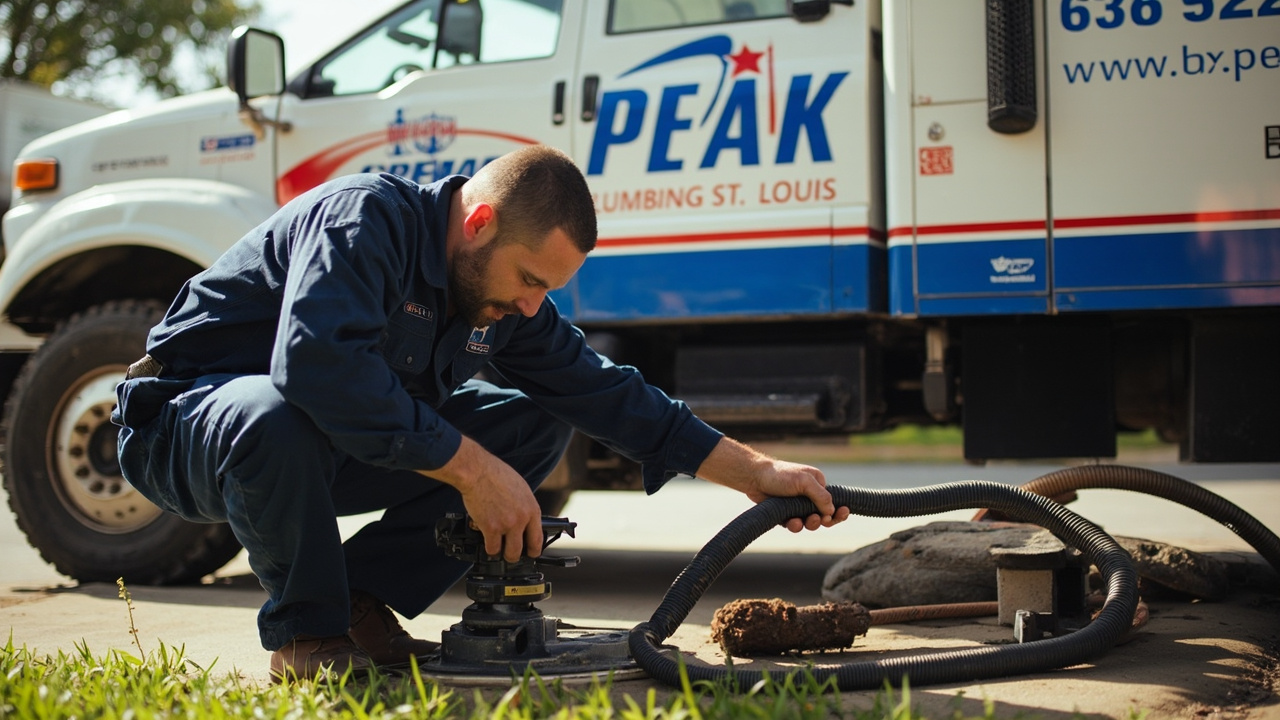
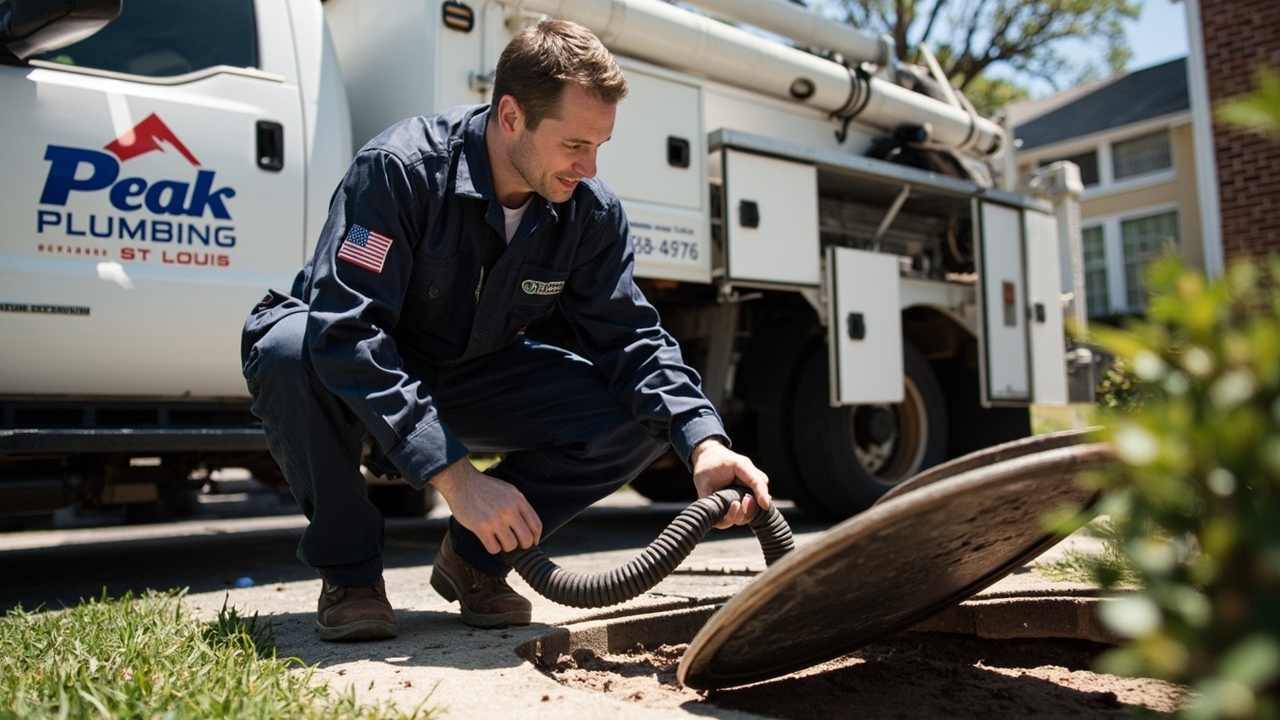
First, we locate and expose your septic tank access ports. Many St. Louis properties have tanks buried under landscaping, driveways, or decks. We use electronic locators to find the tank without excavating your entire yard. Once we access the tank, we inspect the baffle walls, inlet and outlet tees, and scum and sludge layers to determine why the system failed.

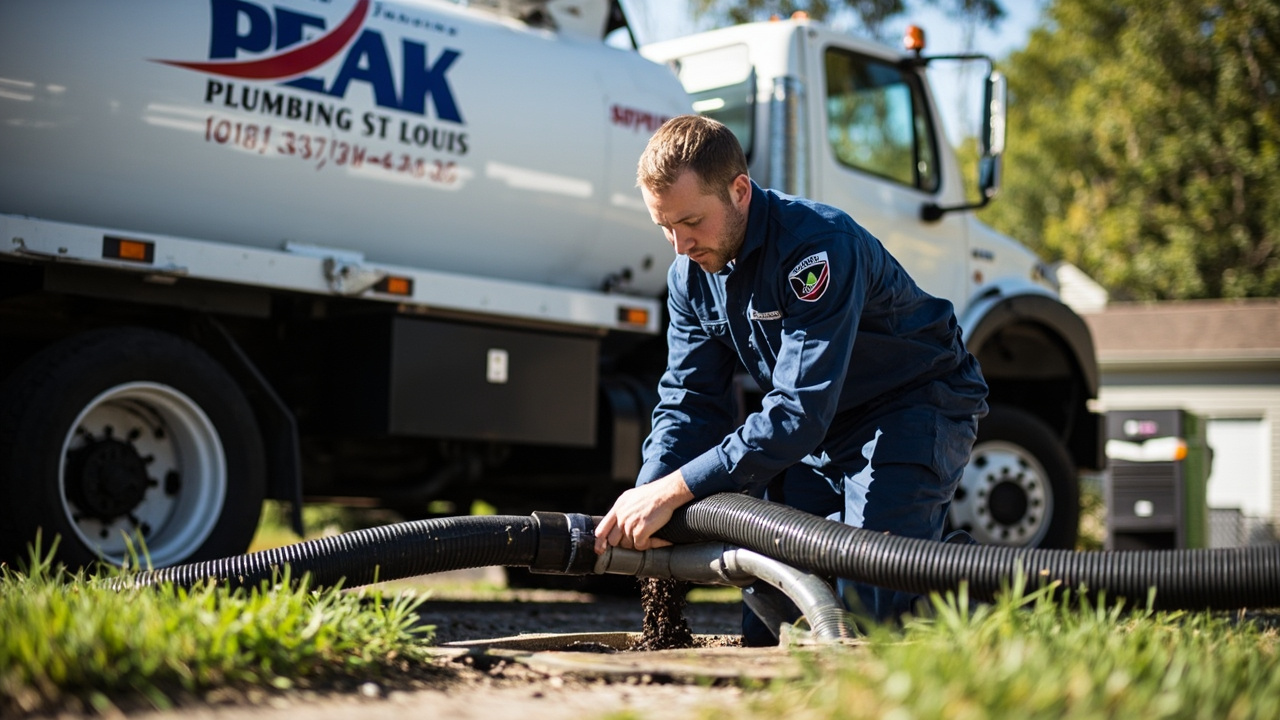
Most emergency calls stem from excessive sludge buildup. When solids accumulate beyond 30% of tank capacity, they block the outlet baffle and force sewage backward through your plumbing. We pump the entire contents, removing all liquid, sludge, and floating scum layers. This is not partial pumping. We empty the tank completely to restore full capacity.

Next, we inspect the distribution box and check for clogs in the outlet pipe. Clay soil in St. Louis causes pipes to shift and separate at the joints, allowing tree roots to infiltrate. We use a high-pressure jetter to clear blockages and verify flow to the drain field.

If your drain field shows signs of saturation or failure, we assess whether the clay soil has compacted and sealed the trenches. This is common in older systems where biomat buildup combines with clay to create an impermeable barrier. We provide honest diagnostic feedback about whether your system needs rest, repair, or replacement.

Our 24 hour septic pump out service includes complete documentation of tank condition, sludge levels, and any structural damage we find. You get a full report, not just an invoice.

What Happens During Your Emergency Septic Pump Out

Emergency Septic Tank Pumping St. Louis – We Arrive Within 2 Hours
01

Immediate Dispatch and Assessment

When you call, we dispatch a vacuum truck immediately. No waiting until tomorrow. Our technician arrives within two hours and locates your septic tank using electronic detection equipment. We assess the overflow situation, identify the access points, and prepare the site for pumping. You get a clear explanation of what failed and what we need to do to fix it right now.
02

Complete Tank Evacuation

We pump every gallon of liquid, sludge, and scum from your septic tank. Our vacuum truck removes the entire contents, then we inspect the interior baffles, tees, and sidewalls for cracks or structural damage. We check the outlet pipe for blockages and verify that effluent can flow freely to the distribution box. This is diagnostic pumping, not just waste removal.
03

System Restoration and Prevention

After pumping, we test the system to confirm proper drainage and flow. We provide a written report detailing sludge levels, tank condition, and any repairs needed. If your drain field is saturated due to clay soil compaction, we explain your options for rehabilitation or replacement. You leave with a functional system and a clear plan to prevent future emergencies.

Why St. Louis Homeowners Trust Peak Plumbing for Septic Emergencies

Septic emergencies are not the time to gamble with online reviews or the cheapest bid. You need a crew that understands how St. Louis's clay soil, seasonal weather, and rural infrastructure create septic failures.

We have worked in every corner of the metro. West County homes with aging systems installed in the 1970s. South County properties where high water tables flood drain fields every spring. Jefferson County acreage with undersized tanks serving large households. We know the soil conditions, the common failure points, and the shortcuts previous contractors took that come back to haunt you.

St. Louis County requires permits for septic system repairs and replacements. We handle the paperwork, the inspections, and the compliance documentation. You do not need to figure out which department to call or what forms to file. We manage it.

Our vacuum trucks are maintained daily and equipped with high-capacity pumps that handle the thickest sludge. We do not show up with undersized equipment that takes three trips to empty one tank. We finish the job in one visit, even if your tank is a 1,500-gallon commercial unit.

We also understand the urgency. Septic backups do not happen at convenient times. They happen at midnight, on weekends, and during holidays. Our 24 hour septic pump out service means you get a live person on the phone, not a voicemail. You get a truck dispatched, not a promise to call you back Monday.

Peak Plumbing St. Louis has spent years building relationships with local excavators, soil engineers, and health department inspectors. If your system needs more than pumping, we connect you with the right people to get it fixed correctly.

What You Can Expect from Our Emergency Septic Service

Response Time and Availability

We arrive within two hours of your call, day or night. Emergency septic pumping service means immediate dispatch, not next-day scheduling. Our trucks run around the clock because septic failures do not respect business hours. You get a confirmed arrival window when you call, and we update you if we are running early. If your yard is flooded with sewage or your basement is backing up, you cannot afford to wait. We treat every emergency call with the urgency it deserves.

On-Site Diagnosis and Inspection

Before we pump, we diagnose why your system failed. We inspect the tank interior, check baffle integrity, measure sludge and scum layers, and test the outlet flow. Many companies just pump and leave. We identify the root cause so you understand whether this was a maintenance issue, a structural failure, or a drain field problem. You receive a written report documenting tank condition, sludge levels, and any damage we found. This report helps you make informed decisions about repairs or replacement.

Complete System Restoration

We do not leave until your septic system functions properly. That means pumping every gallon, clearing blockages in the outlet line, and verifying flow to the distribution box. If the drain field is saturated, we explain why and what needs to happen next. You get a system that works, not a temporary fix that fails again next month. Our goal is full restoration, not just waste removal. We test the system before we leave your property.

Maintenance Planning and Preventive Care

After an emergency pump out, we help you avoid the next one. We calculate your household's pumping frequency based on tank size, occupancy, and usage patterns. Most St. Louis septic tanks need pumping every three to five years, but your situation may differ. We offer scheduled maintenance plans to keep your system functioning and prevent future backups. You receive reminders when your next service is due, so you never forget. Preventive pumping costs a fraction of emergency repairs.

Frequently Asked Questions

You Have Questions,
We Have Answers

How long can a septic tank go without pumping? +

Most septic tanks need pumping every 3 to 5 years, depending on household size and water usage. A family of four with a 1,000-gallon tank should pump every 3 years. Single occupants can stretch to 5 years. St. Louis homes with heavy clay soil experience slower drain field absorption, which can accelerate tank buildup. High water usage from laundry, dishwashers, or extra occupants shortens the interval. Skipping pumping leads to solids clogging your drain field, causing backups, sewage surfacing in your yard, and costly emergency repairs. Schedule regular maintenance to avoid system failure.

How much does it typically cost to pump out a septic tank? +

Septic pumping costs depend on tank size, accessibility, and solids accumulation. Emergency pumping adds urgency fees, especially for after-hours or weekend calls. Tanks buried under landscaping or difficult-to-access lids increase labor costs. St. Louis properties with older systems or unknown tank locations may require additional locate fees. Expect higher costs if your tank is severely overfilled or if roots have invaded access points. Regular maintenance pumping costs less than emergency service. Get quotes from licensed local contractors familiar with St. Louis soil conditions and county regulations. Pricing reflects the complexity of your specific situation.

What is considered a septic emergency? +

A septic emergency happens when sewage backs up into your home, toilets overflow, or raw sewage surfaces in your yard. You might smell strong sewer odors indoors or see pooling wastewater near the drain field. Gurgling drains, slow flushing toilets, or multiple fixture backups signal immediate system failure. St. Louis homes on clay-heavy soil face drain field saturation during heavy rain, worsening emergencies. If you see sewage backup, stop water use immediately. Do not run dishwashers, washing machines, or showers. Contact an emergency septic service right away to prevent health hazards and property damage.

How do I empty my septic tank without pumping? +

You cannot safely empty a septic tank without professional pumping equipment. Septic tanks contain hazardous gases like methane and hydrogen sulfide that can kill you within minutes. The tank structure can collapse if you attempt entry. DIY removal of solids is impossible without a vacuum truck capable of extracting hundreds of gallons of sludge and scum. Attempting to bail out a tank with buckets is dangerous, ineffective, and illegal in St. Louis County. You also need proper disposal at an approved treatment facility. Always hire a licensed septic pumper with proper equipment and safety protocols.

What's the worst thing for a septic tank? +

The worst things for your septic system are non-biodegradable items and harsh chemicals. Never flush feminine hygiene products, diapers, wipes (even flushables), cigarette butts, or grease. These clog your tank and drain field. Antibacterial soaps, bleach, and strong cleaners kill the beneficial bacteria that break down waste. Garbage disposals overload your system with food solids, requiring more frequent pumping. St. Louis homes with water softeners that discharge into septic tanks flood the system with excess water and salt, damaging drain fields. Avoid dumping paint, solvents, or pharmaceuticals down drains.

What are the signs that your septic tank is full? +

Full septic tanks show clear warning signs. Slow draining sinks, tubs, and toilets indicate blockage. Gurgling sounds from drains mean air displacement from backed-up pipes. Sewage odors inside or outside your home signal overflow. Pooling water or lush grass patches over your drain field show effluent surfacing. Sewage backup in lower-level drains or toilets is the final stage before total system failure. St. Louis properties with clay soil may see standing water during wet seasons, masking septic issues. If you notice multiple symptoms, stop water use and call for emergency pumping immediately to prevent contamination.

How much does it cost to empty a 1500 gallon septic tank? +

Pumping costs for a 1,500-gallon tank vary based on several factors. Tank accessibility, depth, and current fullness affect pricing. Emergency service costs more than scheduled maintenance. St. Louis properties with tanks buried under concrete patios, decks, or mature landscaping incur higher labor charges. If your tank has not been pumped in years, excessive solids require more time and disposal fees. Tanks with damaged baffles or unknown locations need inspection work. Regular pumping during business hours costs less than midnight emergency calls. Contact local licensed contractors for accurate estimates based on your property conditions.

Is septic pumping a DIY job? +

No. Septic pumping requires specialized vacuum trucks, safety equipment, and proper waste disposal licensing. Septic tanks produce deadly gases that can asphyxiate you instantly. Confined space entry without respirators and ventilation is fatal. You cannot transport hundreds of gallons of septage legally without commercial hauling permits. St. Louis County requires licensed septic contractors to pump and dispose of waste at approved treatment facilities. DIY attempts risk cave-ins, explosions, contamination, and legal penalties. Professionals carry insurance for spills and accidents. Attempting this yourself endangers your life and property. Always hire licensed septic pumpers.

How often should a residential septic tank be pumped? +

Residential septic tanks need pumping every 3 to 5 years under normal conditions. A household of four with a 1,000-gallon tank should pump every 3 years. Smaller households can extend to 5 years. Garbage disposals, water softeners, and high water usage require more frequent pumping. St. Louis homes with clay soil and poor drain field percolation may need service every 2 to 3 years. Track your pumping schedule to prevent emergencies. Older systems or those with heavy use need closer monitoring. Regular pumping extends system life and prevents expensive drain field replacement.

Does Ridex really work in septic tanks? +

Rid-X and similar additives do not replace pumping and can harm your system. Septic tanks naturally contain bacteria that digest waste. Adding commercial products does not eliminate the need for solids removal. Some additives liquify the scum layer, pushing solids into your drain field where they clog soil pores permanently. St. Louis County health departments and septic professionals discourage additives. They provide no proven benefit and may void system warranties. Your tank still accumulates inorganic solids, toilet paper, and non-digestible materials requiring physical removal. Save your money and stick to regular pumping schedules instead.

How St. Louis Clay Soil Accelerates Septic System Failures

St. Louis sits on expansive clay soil that swells when wet and shrinks when dry. This constant movement shifts septic tanks, cracks distribution boxes, and separates pipe joints. When spring rains saturate the ground, the clay becomes nearly impermeable, preventing effluent from draining through the soil. Drain fields flood, forcing sewage back toward your home. Older systems installed before modern soil testing often fail because contractors placed them in unsuitable clay without proper gravel bedding. Emergency septic pumping service becomes necessary when the ground simply cannot absorb any more wastewater.

Peak Plumbing St. Louis has pumped septic systems across West County, South County, and Jefferson County for years. We understand how local soil conditions affect system performance and lifespan. We work with St. Louis County Health Department regulations and know the permitting requirements for repairs and replacements. Our technicians recognize the warning signs of clay-induced drain field failure and provide honest assessments about whether your system can be rehabilitated or needs replacement. Choosing a local provider means working with people who understand your specific challenges, not a national franchise reading from a script.
Plumbing Services in The St. Louis Area

Peak Plumbing St. Louis is proud to serve the entire St. Louis metropolitan area and surrounding communities. Our dedicated team is strategically located to respond quickly to your residential and commercial plumbing needs. You can view our primary service area on the map below, but if you're located nearby and have a plumbing issue, don't hesitate to give us a call to see how we can assist you.

Address:
Peak Plumbing St. Louis, 4565 McRee Ave, St. Louis, MO, 63110

Additional Services We Offer

Our news updates

Latest Articles & News from The Blogs

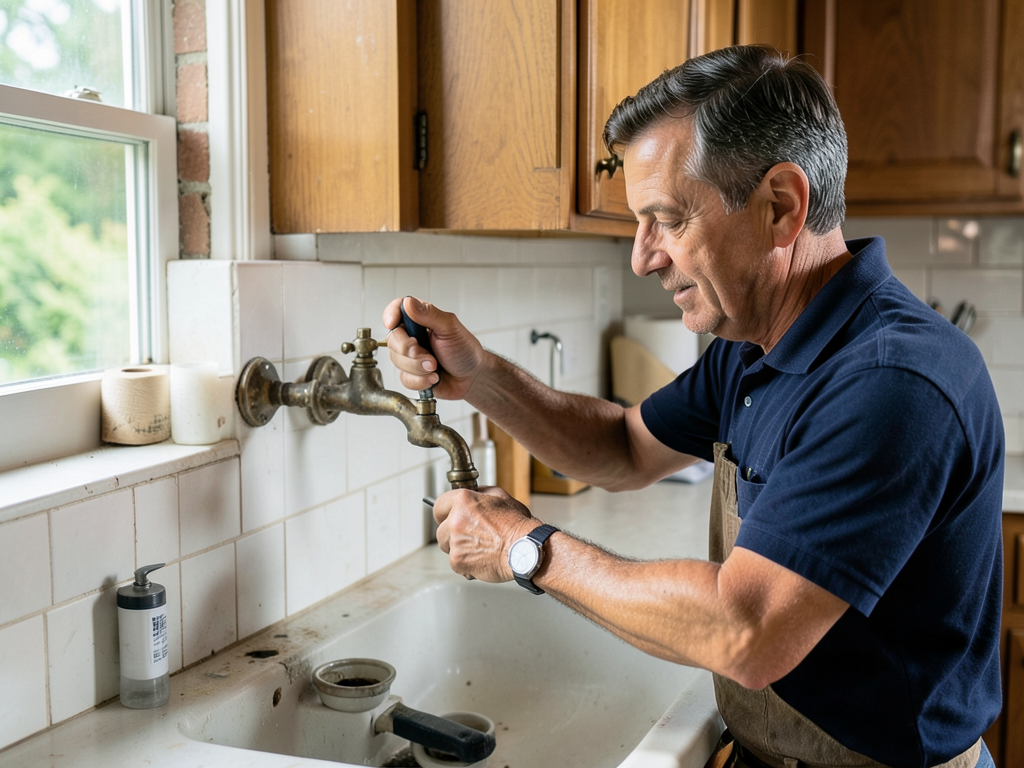
Modernizing the Plumbing in a 100 Year Old Hyde Park Kitchen Hyde Park's historic charm comes with a unique plumbing…

Modernizing the Plumbing in a 100 Year Old Hyde Park Kitchen

Modernizing the Plumbing in a 100 Year Old Hyde Park Kitchen Hyde Park's historic charm comes with a unique plumbing…

Why Your Forest Park Southeast Condo Needs a Water Pressure Regulator

Why Your Forest Park Southeast Condo Needs a Water Pressure Regulator Living in a Forest Park Southeast condo means enjoying…

The Best Way to Hide Exposed Plumbing in Your Soulard Loft

The Best Way to Hide Exposed Plumbing in Your Soulard Loft Exposed pipes in your Soulard loft can clash with…

Contact Us

Do not let raw sewage flood your property for one more hour. Call Peak Plumbing St. Louis at (314) 417-7677 for immediate septic tank emptying. We dispatch within minutes and arrive within two hours. Same day septic pumping, every day of the year.