




Menu

Commercial Toilet & Urinal Repair in St. Louis – Minimize Downtime with Industrial-Grade Solutions

Peak Plumbing St. Louis provides rapid commercial restroom fixture repair for offices, warehouses, and retail facilities across the metro, keeping your business operational with flushometer repair and commercial flush valve replacement that meets code.

Slider Image 1
Slider Image 2
Slider Image 3
Slider Image 4
Slider Image 5
Slider Image 7
Slider Image 8
Slider Image 9
Slider Image 10
Slider Image 11

Why Commercial Restroom Failures Cost St. Louis Businesses More Than You Think

A failed toilet or urinal in a commercial facility is not an inconvenience. It is a liability exposure and a productivity drain. In St. Louis's older commercial districts like Downtown, the Central West End, and The Grove, aging plumbing infrastructure compounds the problem. Buildings constructed in the 1950s through 1980s often feature original galvanized supply lines and outdated flush valves that fail under modern water pressure fluctuations from the St. Louis water system.

When a flushometer fails during business hours, you face three immediate problems. First, employee productivity drops as staff lines form at remaining fixtures. Second, you risk health code violations if restroom capacity falls below OSHA requirements for your occupancy load. Third, water damage from a stuck flush valve or cracked supply line can spread to finished spaces below, triggering business interruption and potential mold remediation costs.

Industrial toilet repair services for commercial facilities require a different skill set than residential work. Commercial urinal maintenance involves pressure-assisted flush systems, sensor-activated valves, and heavy-duty floor drains designed for sustained use. A standard residential plumber may not stock the Sloan or Zurn replacement parts your facility requires, extending your downtime from hours to days.

The cost of delayed commercial restroom fixture repair extends beyond the plumber's invoice. You lose revenue during closure periods, face potential fines from health inspections, and damage your reputation with tenants or customers who encounter non-functional facilities. St. Louis businesses in high-traffic sectors like hospitality, healthcare, and food service cannot afford extended restroom outages.

Why Commercial Restroom Failures Cost St. Louis Businesses More Than You Think
How Commercial Flush Valve Replacement Differs from Residential Repair

How Commercial Flush Valve Replacement Differs from Residential Repair

Commercial toilets and urinals operate under entirely different mechanical principles than residential fixtures. Most commercial toilets use flushometer valves rather than gravity-fed tank systems. These pressure-assisted devices deliver 1.6 to 3.5 gallons per flush in under three seconds, using direct water line pressure rather than stored water.

When we diagnose a commercial flush valve replacement need, we test system pressure first. St. Louis municipal water pressure ranges from 50 to 80 PSI depending on your building's elevation and proximity to pumping stations. A flushometer calibrated for 60 PSI will fail prematurely in a building receiving 75 PSI, causing diaphragm seal failure and continuous water flow. We measure actual line pressure and select replacement valves rated for your specific conditions.

Commercial urinal maintenance involves sensor diagnostics that residential plumbers rarely encounter. Infrared sensors fail due to battery depletion, voltage drops from building electrical issues, or lens contamination from cleaning chemical overspray. We carry OEM sensor modules for Sloan, Zurn, and Chicago Faucets systems, enabling same-visit repairs rather than ordering parts after diagnosis.

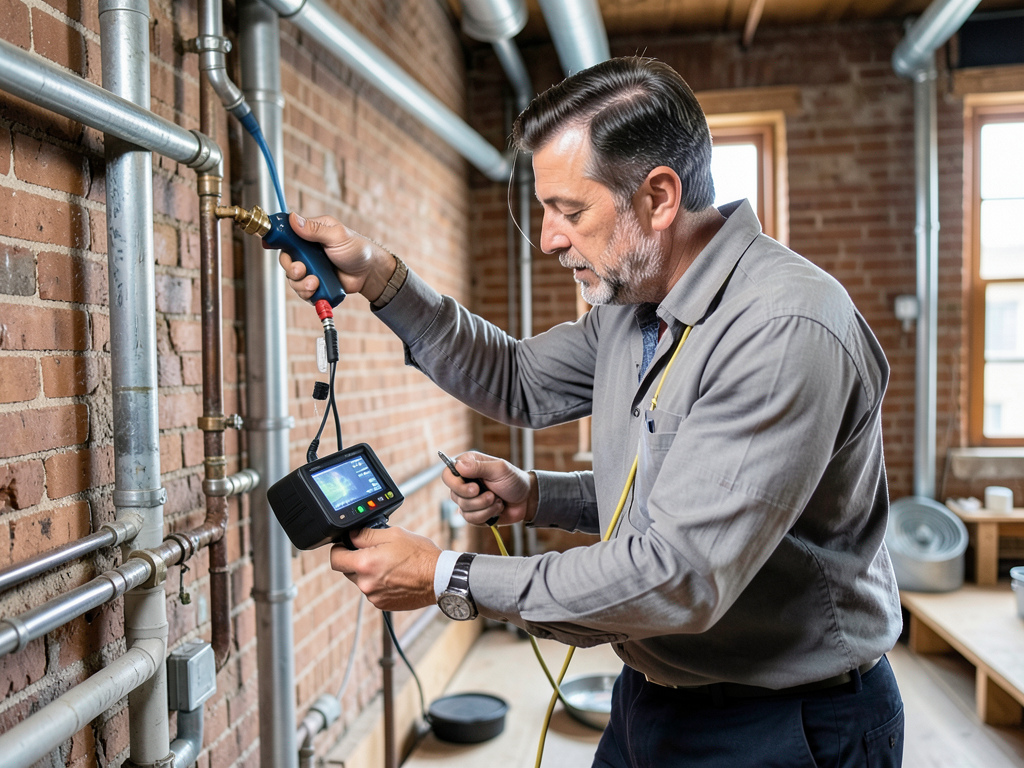
Floor-mounted commercial toilets require different waste connections than wall-hung residential units. We stock both closet flanges and wall carrier assemblies compatible with St. Louis's mix of cast iron, PVC, and no-hub waste systems. When replacing a toilet in an older building, we verify the waste line condition using a scope camera before installing new fixtures. Concealed cast iron corrosion can cause a new toilet to fail within months if the waste connection crumbles during installation torque.

Industrial toilet repair services also account for ADA compliance. Commercial restrooms must maintain specific clearances, grab bar locations, and fixture heights. Any replacement work must preserve these dimensions to avoid triggering expensive facility-wide upgrades.

What Happens During Your Commercial Restroom Repair Visit

Commercial Toilet & Urinal Repair in St. Louis – Minimize Downtime with Industrial-Grade Solutions
01

Emergency Response Assessment

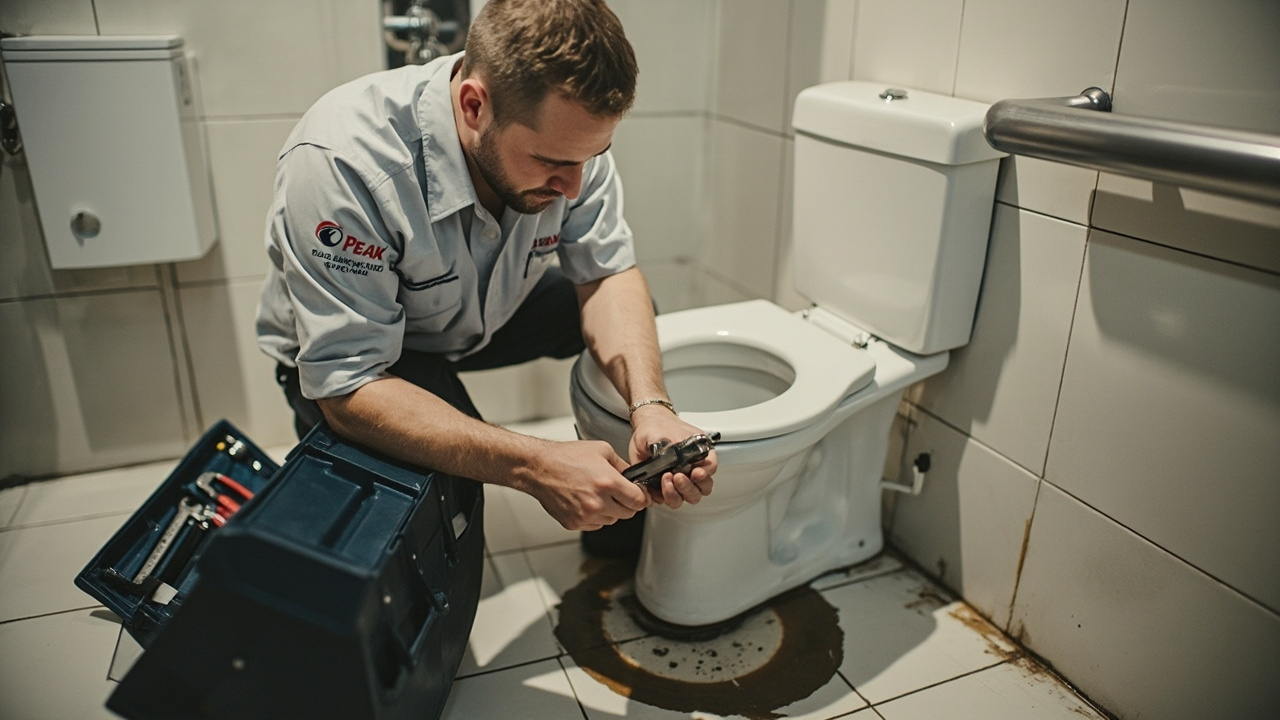
We arrive with a fully stocked truck containing Sloan, Zurn, and Chicago Faucets replacement parts for immediate repair. Our technician first isolates the water supply to stop ongoing damage, then evaluates whether you need a component replacement or full fixture swap. We test water pressure, inspect supply line condition, and check waste line function using a camera scope when necessary. You receive a transparent scope-of-work explanation before any repair begins.
02

Targeted Component Replacement

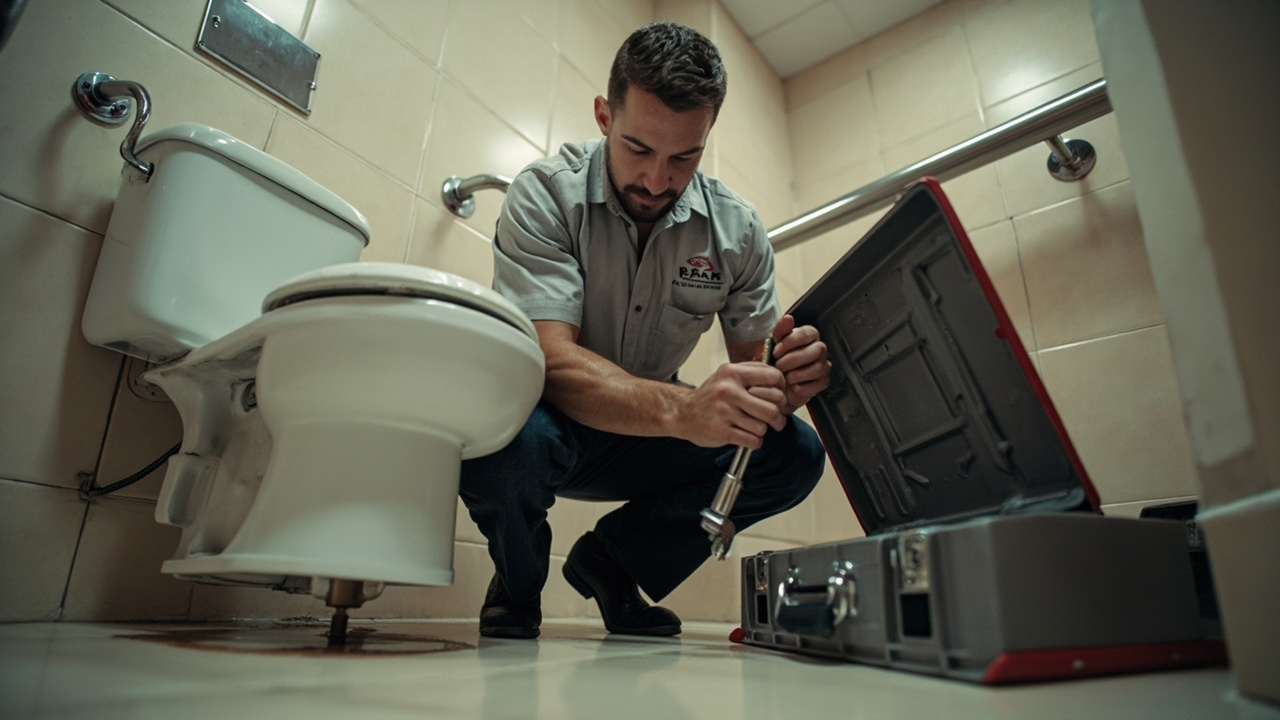
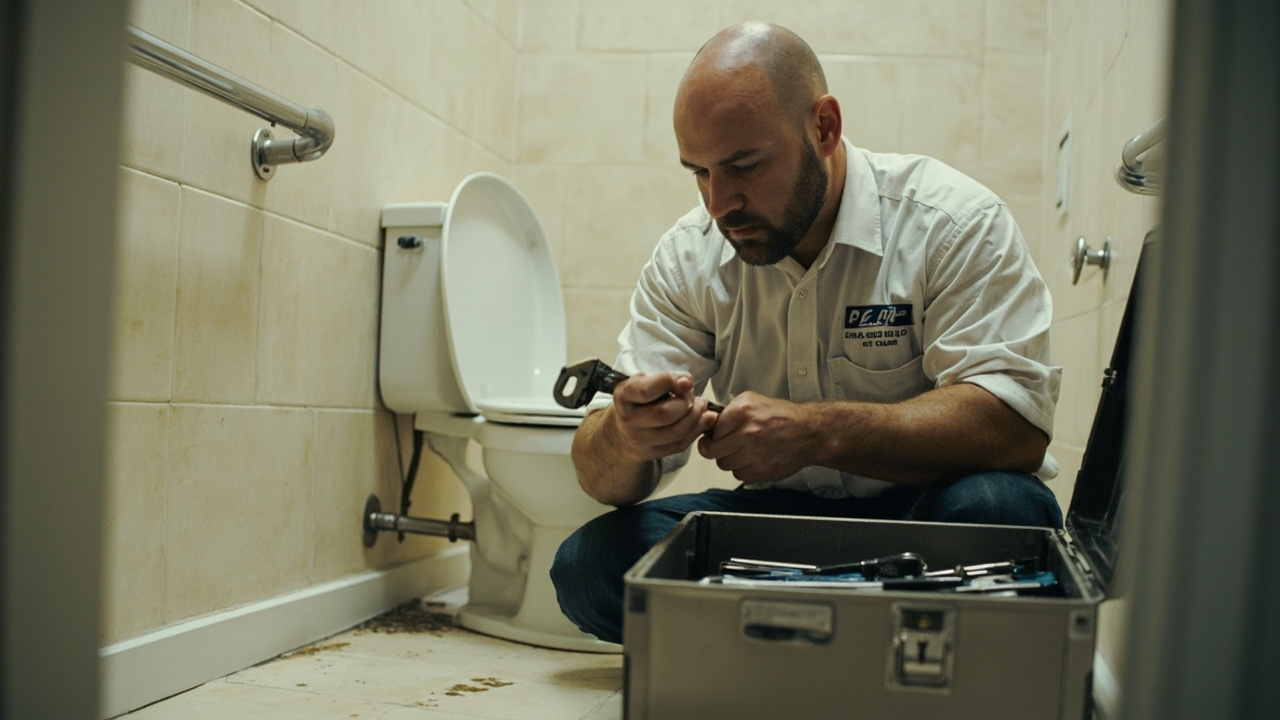
Most commercial toilet and urinal failures stem from diaphragm seal degradation, sensor malfunction, or flush valve handle assembly wear. We replace only the failed components rather than swapping entire fixtures when possible. This approach cuts your cost and returns fixtures to service within 60 to 90 minutes. When full fixture replacement becomes necessary due to cracking or obsolete parts availability, we coordinate with your facilities manager to schedule work during low-traffic periods.
03

Code Compliance Documentation

Every commercial restroom repair generates documentation for your facilities records. You receive photos of the original condition, the failed component, and the completed repair. We note the fixture model numbers, replacement part specifications, and water pressure readings. This documentation proves compliance during health inspections and provides a service history that guides future maintenance planning. We also identify other fixtures showing early failure signs, letting you budget for replacements before emergency failures occur.

Why St. Louis Facilities Choose Peak Plumbing for Commercial Restroom Repairs

Commercial plumbing failures do not wait for convenient scheduling. We maintain inventory depth that residential-focused companies cannot justify. Our trucks stock rebuild kits for Sloan Royal, Sloan Regal, Zurn AquaSense, and Chicago Faucets Hytronic systems because these brands dominate St. Louis commercial installations. When your Downtown office building experiences a flush valve failure at 10 AM, we complete the repair during lunch hour rather than ordering parts for next-week installation.

St. Louis building codes require backflow prevention on all commercial water supplies. When we replace a flushometer or repair a flush valve, we verify that your backflow preventer remains functional and current on its annual testing certification. This prevents cross-contamination between your potable water supply and waste systems, a critical health concern that generic handyman services overlook.

We understand the occupancy requirements that govern St. Louis commercial restrooms. The International Plumbing Code mandates specific fixture counts based on your building classification and occupant load. If you operate a restaurant in The Hill or a retail store in Clayton, you cannot reduce fixture count below code minimums even temporarily. We prioritize repairs that restore you to compliant capacity, then address secondary issues during follow-up visits.

Our familiarity with St. Louis's commercial building stock gives us diagnostic advantages. We know which buildings contain original 1960s Sloan flush valves that require discontinued parts, forcing fixture replacement. We recognize the symptoms of pressure regulator failure in high-rise buildings along the riverfront, where upper-floor fixtures receive excessive pressure during low-demand periods. This building-specific knowledge cuts diagnostic time and prevents misdiagnosis.

Property managers across Clayton, Ladue, and University City rely on us for multi-location restroom maintenance contracts. We track fixture ages, maintain replacement schedules, and coordinate with your janitorial staff to identify problems before they cause failures.

What Your Business Can Expect from Commercial Restroom Repair Service

Response Time and Availability

We dispatch technicians to commercial facilities within two hours of your call during business hours. For after-hours emergencies involving water damage or complete restroom loss, we provide 24-hour response. Our goal is fixture restoration within the same business day for component failures. Full fixture replacements requiring coordination with building management or ADA compliance verification may extend to next-business-day completion. We communicate realistic timelines upfront so you can inform employees and customers accurately about restroom availability.

Diagnostic Process and Transparency

Our technicians explain findings in business terms, not plumber jargon. You learn whether the failure resulted from normal wear, water quality issues, or installation defects. We show you the failed component and explain why it failed. When repairs require building system corrections like pressure regulator adjustment or backflow preventer replacement, we coordinate with your building engineer rather than performing work that exceeds our scope. You receive upfront pricing before repair work begins, with no hidden charges for diagnostic time or trip fees.

Quality Standards and Parts Selection

We install OEM replacement parts from Sloan, Zurn, and Chicago Faucets rather than generic aftermarket components. Commercial flush valves operate under sustained pressure and cycle counts that destroy residential-grade parts within weeks. The marginal cost difference between OEM and aftermarket parts becomes irrelevant when aftermarket failure doubles your downtime and requires a second service call. All installations meet International Plumbing Code standards and St. Louis amendments governing commercial fixtures. You receive documentation proving code compliance for your facilities records and inspection preparation.

Preventive Maintenance Recommendations

After completing repairs, we identify other fixtures approaching failure based on installation date, cycle count estimates, and visible wear indicators. This lets you budget for planned replacements rather than absorbing emergency repair costs. For facilities with ten or more fixtures, we offer preventive maintenance agreements that include quarterly inspections, flushometer rebuilds on a rotating schedule, and priority emergency response. Planned maintenance cuts your total annual plumbing cost by preventing water damage, reducing emergency service premiums, and extending fixture life through timely component replacement.

Frequently Asked Questions

You Have Questions,
We Have Answers

What's the average cost to repair a toilet? +

Commercial toilet repairs in St. Louis range widely based on the issue. A simple flapper replacement or minor adjustment runs less than basic service call minimums. Complex flushometer repairs, valve replacements, or internal mechanism overhauls cost more due to parts and labor. High-traffic facilities in downtown St. Louis or Clayton often face accelerated wear, increasing repair frequency. Code compliance upgrades for older buildings add cost. Water pressure issues common in multi-story buildings require diagnostic time. Request a detailed estimate upfront to avoid downtime surprises and budget for annual preventive maintenance to reduce emergency repair expenses.

How to fix a commercial toilet that won't flush all the way? +

A commercial toilet that won't flush completely typically suffers from low water pressure, a clogged rim jet, or a faulty flushometer diaphragm. Check the water supply valve first to ensure it's fully open. Inspect rim jets under the bowl rim for mineral buildup, common in St. Louis due to hard water. The flushometer may need adjustment or diaphragm replacement if water flow is weak. Clogs in the trapway or drain line also restrict flow. For high-use restrooms, schedule regular maintenance to prevent these issues from disrupting business operations and creating liability concerns.

How much is a commercial flush valve? +

Commercial flush valves vary in cost based on brand, type, and flow rate specifications. Manual flushometers are less expensive than sensor-activated models. Heavy-duty valves for high-traffic environments cost more but reduce long-term replacement frequency. St. Louis businesses must also consider water efficiency requirements and local code compliance when selecting replacements. Installation labor adds to the total expense, particularly in older buildings with non-standard plumbing configurations. Bulk purchasing for multi-fixture facilities reduces per-unit costs. Factor in potential water savings from modern low-flow models when calculating return on investment for your facility.

What is the most common toilet flush problem? +

The most common commercial toilet flush problem is a worn flushometer diaphragm. This rubber component degrades from constant use and exposure to chlorine and minerals in St. Louis water supplies. Symptoms include weak flushes, continuous running, or no flush at all. The diaphragm controls water flow and pressure during the flush cycle. High-traffic restrooms in office buildings, restaurants, and retail spaces see accelerated wear. Regular inspection and replacement every two to three years prevents unexpected failures during peak business hours. Addressing diaphragm issues promptly protects water efficiency and maintains proper sanitation standards.

What is the most common toilet repair? +

Flushometer diaphragm replacement is the most common commercial toilet repair. These diaphragms wear out from repeated use, hard water minerals, and chemical exposure. St. Louis facilities with older plumbing systems or high water hardness see faster degradation. The repair involves shutting off water supply, disassembling the flush valve, replacing the diaphragm, and testing pressure settings. This quick fix restores proper flush function and stops water waste from continuous running. Facilities should stock replacement diaphragms for common valve models to minimize downtime. Preventive replacement during scheduled maintenance prevents disruptive mid-day failures.

How much does a plumber charge to replace a toilet flush? +

Plumbers charge based on complexity and fixture type. Simple flapper replacements in tank-style toilets take minimal time. Complete flushometer rebuilds or replacements require more labor, particularly in tight spaces or older St. Louis buildings with access challenges. Emergency calls during business hours command premium rates due to revenue loss from non-functional restrooms. Multi-fixture projects offer per-unit cost savings. Labor rates reflect local market conditions, technician expertise with commercial systems, and warranty coverage. Request itemized quotes separating parts from labor. Consider service agreements for facilities with multiple restrooms to lock in predictable maintenance costs.

Why put aluminum foil in a toilet tank? +

This is a myth with no legitimate plumbing application. Aluminum foil in toilet tanks does not improve flush performance, prevent clogs, or enhance cleaning. Commercial facilities should ignore internet remedies and focus on proper maintenance. St. Louis businesses face real consequences from improper DIY fixes, including code violations, insurance issues, and accelerated equipment failure. Foreign objects in tanks can damage flush mechanisms and void manufacturer warranties. Professional diagnostics identify actual problems like worn flappers, mineral buildup, or pressure issues. Stick to proven maintenance practices and qualified commercial plumbers to protect your investment and maintain compliance.

How to tell if a flushometer is bad? +

A faulty flushometer shows several symptoms. Continuous water flow indicates a stuck or damaged diaphragm. Weak or incomplete flushes signal pressure loss or valve obstruction. No flush response means complete valve failure or water supply issues. Listen for hissing sounds indicating internal leaks. Check for visible corrosion or mineral deposits on the valve body, common in St. Louis hard water conditions. Test the manual override, if the flush is still weak, internal components need replacement. High water bills from multiple fixtures suggest systematic flushometer problems requiring immediate attention to prevent waste and maintain restroom functionality.

How to adjust commercial toilet flush pressure? +

Adjusting commercial toilet flush pressure requires accessing the flushometer valve. Locate the pressure adjustment screw on the valve body. Turn clockwise to decrease flow, counterclockwise to increase. Make small quarter-turn adjustments and test between changes. St. Louis facilities must balance adequate waste removal with water conservation mandates. Excessive pressure wastes water and stresses drain lines. Insufficient pressure causes incomplete flushes and user complaints. Different fixture types require specific pressure ranges. Consult manufacturer specifications for your valve model. Improper adjustments void warranties and create code compliance issues. Licensed plumbers ensure correct calibration for your building's water pressure conditions.

Can a flush valve be replaced without removing the tank? +

Most tank-style commercial toilets allow flush valve replacement without full tank removal. Shut off water supply, drain the tank, and disconnect the flush lever linkage. Remove the mounting nut securing the valve to the tank bottom from underneath. Install the new valve with fresh gaskets and reconnect components. This works for standard two-piece toilets common in smaller St. Louis commercial spaces. One-piece toilets or specialized fixtures may require different approaches. Flushometer systems on wall-mounted toilets have entirely different replacement procedures. Verify your fixture type before attempting repairs to avoid damaging porcelain or creating leak points that interrupt business operations.

How St. Louis Water Hardness Accelerates Commercial Flushometer Failure

St. Louis receives water from the Missouri River and Mississippi River intakes, producing moderately hard water with 120 to 150 mg/L calcium carbonate. This mineral content causes scale buildup inside flushometer diaphragm chambers and control stops. Commercial toilets and urinals cycling 50 to 200 times daily accumulate scale faster than residential fixtures. The buildup restricts diaphragm movement, causing weak flushes or continuous water flow. Buildings in Clayton and Downtown without water softening systems experience flushometer failures 30 to 40 percent faster than the national average. Regular descaling during preventive maintenance extends component life, but St. Louis facilities should budget for more frequent diaphragm replacements than manufacturers suggest.

St. Louis commercial buildings constructed before 1990 often contain plumbing systems designed for higher water pressure than current municipal standards provide. The Metropolitan St. Louis Sewer District has reduced system pressure in some areas to decrease water main breaks, creating pressure inconsistencies across the metro. A flushometer installed and calibrated in 2005 may malfunction today due to pressure drops, requiring recalibration or valve replacement with units rated for lower pressure ranges. Peak Plumbing St. Louis maintains pressure testing equipment and valve inventory specific to these local conditions. We understand how St. Louis's infrastructure changes affect your building systems, preventing misdiagnosis and inappropriate repairs.
Plumbing Services in The St. Louis Area

Peak Plumbing St. Louis is proud to serve the entire St. Louis metropolitan area and surrounding communities. Our dedicated team is strategically located to respond quickly to your residential and commercial plumbing needs. You can view our primary service area on the map below, but if you're located nearby and have a plumbing issue, don't hesitate to give us a call to see how we can assist you.

Address:
Peak Plumbing St. Louis, 4565 McRee Ave, St. Louis, MO, 63110

Additional Services We Offer

Our news updates

Latest Articles & News from The Blogs

Modernizing the Plumbing in a 100 Year Old Hyde Park Kitchen Hyde Park's historic charm comes with a unique plumbing…

Modernizing the Plumbing in a 100 Year Old Hyde Park Kitchen

Modernizing the Plumbing in a 100 Year Old Hyde Park Kitchen Hyde Park's historic charm comes with a unique plumbing…

Why Your Forest Park Southeast Condo Needs a Water Pressure Regulator

Why Your Forest Park Southeast Condo Needs a Water Pressure Regulator Living in a Forest Park Southeast condo means enjoying…

The Best Way to Hide Exposed Plumbing in Your Soulard Loft

The Best Way to Hide Exposed Plumbing in Your Soulard Loft Exposed pipes in your Soulard loft can clash with…

Contact Us

Your business cannot afford extended restroom downtime. Call Peak Plumbing St. Louis now at (314) 417-7677 for same-day commercial toilet and urinal repair. We stock the parts your facility needs and respond within two hours.