




Menu

Plumbing Inspection Checklist for St. Louis Homeowners | Prevent Costly Repairs with Professional System Audits

Our comprehensive plumbing inspection checklist helps St. Louis residents identify hidden problems before they escalate into expensive emergencies, covering everything from sewer lines to water heaters with detailed system-wide evaluations.

Slider Image 1
Slider Image 2
Slider Image 3
Slider Image 4
Slider Image 5
Slider Image 7
Slider Image 8
Slider Image 9
Slider Image 10
Slider Image 11

Why St. Louis Homes Need Regular Plumbing System Inspections

St. Louis homes face unique plumbing challenges that make a preventative plumbing maintenance checklist essential, not optional. The region's expansive clay soil shifts dramatically with seasonal moisture changes, creating stress on underground supply lines and sewer laterals. These soil movements cause pipe joints to separate, creating hidden leaks that drive up water bills and invite foundation damage.

The freeze-thaw cycles that hit the St. Louis metro each winter add another layer of risk. Temperatures swing from below freezing to 50 degrees within days, causing pipes to contract and expand repeatedly. This stress accelerates wear on fixtures, valves, and connections throughout your home plumbing system.

Many homes in neighborhoods like Tower Grove South and Shaw feature galvanized steel pipes installed before 1960. These aging systems develop internal corrosion that restricts water flow and contaminates drinking water with lead and iron particles. Without a residential plumbing checkup list to track deterioration, homeowners discover problems only after a catastrophic failure floods their basement.

Hard water compounds these issues. St. Louis municipal water contains elevated levels of calcium and magnesium that build up inside water heaters, reducing efficiency by 30 percent or more. A home plumbing inspection list tracks sediment accumulation before it causes tank failure.

The combination of soil movement, temperature extremes, aging infrastructure, and mineral-heavy water creates a perfect storm for plumbing failures. A systematic plumbing system inspection guide catches small problems when repairs cost hundreds instead of thousands.

Why St. Louis Homes Need Regular Plumbing System Inspections
What Professional Plumbing Inspections Cover

What Professional Plumbing Inspections Cover

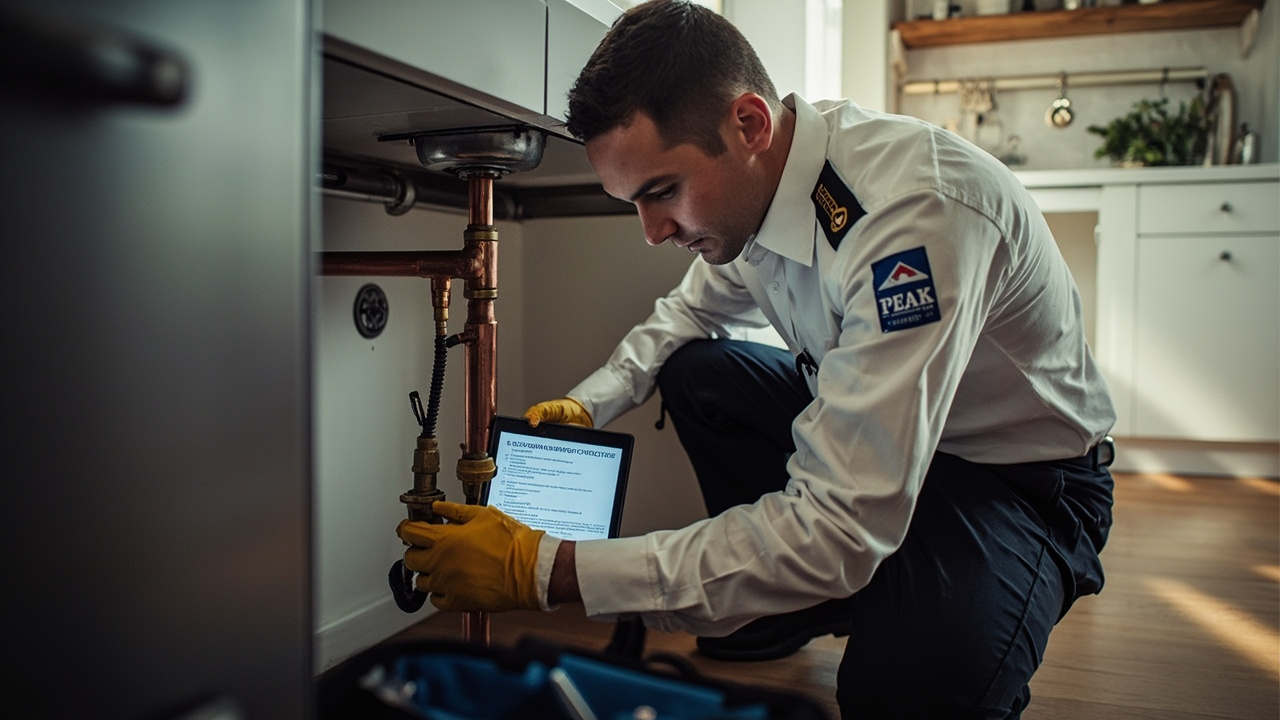
A thorough plumbing maintenance checklist examines every component of your water supply and drainage systems, from the main shutoff valve to individual fixture connections. Peak Plumbing St. Louis follows a standardized residential plumbing checkup list that ensures no potential failure point gets overlooked.

The inspection starts at the water meter and main line, checking for corrosion, proper valve operation, and pressure regulation. We test static pressure with a gauge to verify it falls within the optimal 45-65 PSI range. High pressure accelerates wear on fixtures and appliances, while low pressure signals supply line restrictions or municipal issues.

Next, we trace all visible supply lines, examining joints, hangers, and shutoff valves. Copper piping gets checked for green oxidation indicating pinhole leaks. PEX lines get inspected for UV damage near windows and proper support spacing. We verify expansion tank function on closed water systems to prevent pressure spikes.

The drain, waste, and vent system inspection includes camera work when needed. We check drain slope, vent termination points, and trap integrity. Slow drains get diagnosed, whether caused by venting problems, improper slope, or developing blockages in the sewer lateral.

Water heater inspection involves checking the anode rod, testing the temperature and pressure relief valve, measuring sediment depth, and inspecting the burner assembly or heating elements. We verify proper venting on gas units and check electrical connections on electric models.

Fixture inspections cover toilets, faucets, showerheads, and appliance connections. We test fill valves, flappers, wax rings, and supply line condition. This systematic approach identifies problems in their early stages.

How We Perform Your Home Plumbing Inspection

Plumbing Inspection Checklist for St. Louis Homeowners | Prevent Costly Repairs with Professional System Audits
01

Initial System Assessment

We start by reviewing your home's age, prior plumbing work, and any current concerns you've noticed. This background shapes our inspection focus. We locate the main shutoff valve, verify its operation, and test water pressure at multiple points. This baseline data reveals supply line restrictions, pressure regulator failure, or municipal supply issues affecting your entire system.
02

Component-by-Component Evaluation

Using our home plumbing inspection list, we systematically examine every accessible pipe, valve, fixture, and appliance connection. We check for active leaks, corrosion patterns, improper installations, and wear indicators. Water heaters receive sediment testing and safety device verification. Drain lines get flow-tested and camera-inspected when symptoms suggest developing blockages or deteriorating sewer laterals beneath your foundation.
03

Detailed Findings Report

You receive a written report documenting every finding, prioritized by urgency. Critical issues like active leaks or safety hazards get flagged for immediate attention. Moderate concerns that need monitoring get scheduled for future action. Minor maintenance items get bundled for cost-effective repair. This prioritized plumbing system inspection guide helps you budget intelligently and prevents surprise failures.

Why St. Louis Homeowners Trust Our Inspection Process

Peak Plumbing St. Louis understands the specific challenges facing homes throughout the greater St. Louis metro. We've inspected thousands of properties from Clayton to Webster Groves, from Maplewood to Richmond Heights. This experience means we know where to look for the problems most common to your neighborhood.

Our technicians recognize the difference between homes built in the pre-war era with cast iron stacks and galvanized supply lines versus 1980s construction with copper and ABS. We know which subdivisions used polybutylene piping in the 1990s and where foundation settlement patterns create stress on underground lines.

We stay current with Metropolitan St. Louis Sewer District requirements and City of St. Louis plumbing code updates. This knowledge ensures our recommendations align with current standards if you're planning renovations or selling your home. Buyers increasingly request professional plumbing inspections during the purchase process, and our reports satisfy the most thorough home inspectors.

Our preventative plumbing maintenance checklist approach saves money by catching problems early. A $200 inspection that identifies a deteriorating wax ring prevents a $3,000 subfloor replacement after months of hidden leaking. Finding sediment buildup in your water heater adds years to its lifespan for the cost of a simple flush.

We provide honest assessments without upselling unnecessary work. If your system looks good, we tell you. If we find problems, we explain exactly what needs attention now versus what you can monitor. This transparency builds the trust that keeps St. Louis families calling us for every plumbing need.

What to Expect from Your Plumbing System Inspection

Scheduling and Timeline

Most comprehensive plumbing inspections take two to three hours, depending on your home's size and system complexity. We offer flexible scheduling throughout the week to minimize disruption. You don't need to prepare anything in advance, but having access to basement areas, crawl spaces, and attic spaces where pipes run helps us complete a thorough evaluation. We schedule inspections for single-family homes, multi-family properties, and commercial buildings. For larger properties or buildings with complex systems, we provide time estimates during scheduling.

The Inspection Process

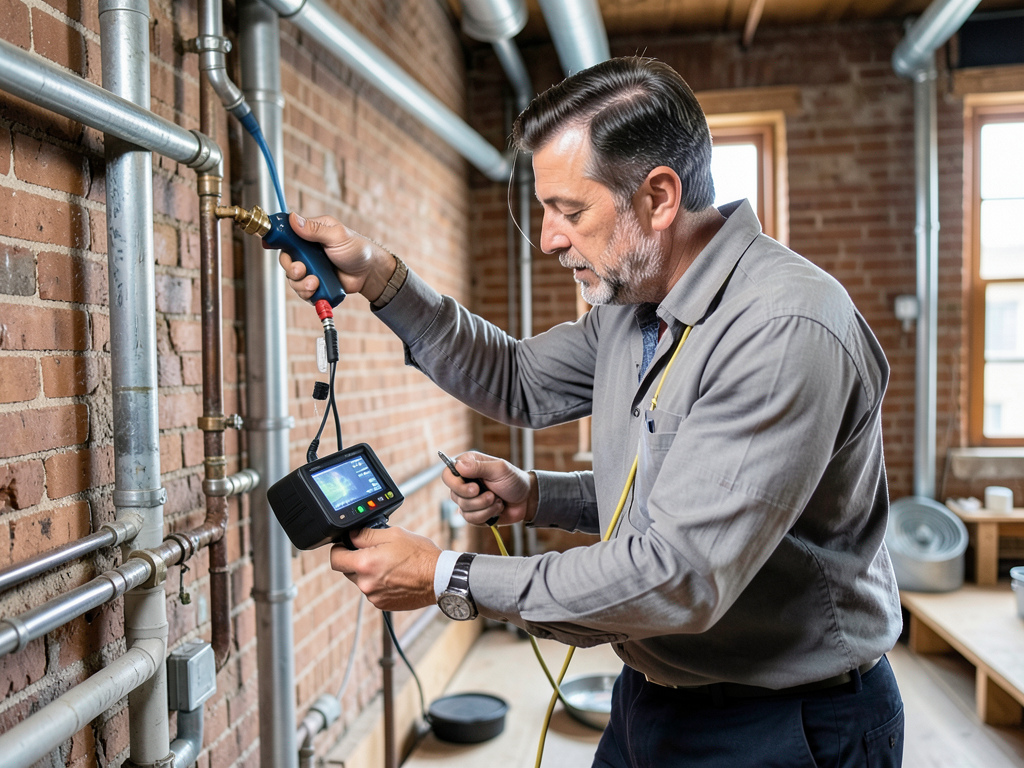
Our technician arrives with professional testing equipment including pressure gauges, thermal cameras for detecting hidden leaks, drain cameras for sewer line inspection, and moisture meters for identifying water damage. We walk through your home systematically, examining visible pipes, testing fixtures, and evaluating water heater condition. You're welcome to follow along and ask questions. We explain what we're checking and why each component matters. This educational approach helps you understand your plumbing system better and make informed decisions about maintenance and repairs.

Your Detailed Report

You receive a written report with photos documenting all findings. Each issue gets categorized by priority level, immediate, near-term, or monitor. We include specific recommendations with explanations of why each repair matters and what happens if you delay. The report serves as your personalized plumbing maintenance checklist for the coming year. Many homeowners use this document when selling their home to demonstrate proper maintenance, or when buying to negotiate repairs. The report remains valid as a baseline for future inspections.

Follow-Up and Maintenance Planning

After reviewing your inspection results, we help you create a maintenance schedule that fits your budget and priorities. We can handle identified repairs immediately or schedule them for later. For homeowners who want ongoing protection, we offer annual inspection programs that track your system over time and catch deterioration before it causes failures. We keep detailed records of every inspection, creating a maintenance history that proves valuable when selling your home or planning renovations. You'll have direct access to the technician who performed your inspection for any follow-up questions.

Frequently Asked Questions

You Have Questions,
We Have Answers

What does a plumbing inspection consist of? +

A plumbing inspection evaluates your entire water distribution and drainage system. The plumber checks supply lines for leaks, corrosion, and proper pressure. They inspect fixtures like sinks, toilets, and showers for functionality and water flow. Drainage lines get tested for clogs and proper venting. The water heater receives scrutiny for age, sediment buildup, and safe operation. In St. Louis homes, inspectors pay special attention to clay pipes common in older neighborhoods, as freeze-thaw cycles cause cracking. Sewer line checks often include camera inspections to spot root intrusion or bellied pipes. You receive a written report detailing any deficiencies.

What are the 5 main items you should inspect for at a drain detail? +

At drain details, inspect the trap configuration first. It must hold water to block sewer gases. Check for proper slope on drain pipes so wastewater flows correctly. Look for visible leaks at joints and connections. Test the venting system to prevent slow drains and gurgling sounds. Examine pipe materials for corrosion or deterioration, particularly in St. Louis homes with older galvanized or cast iron drains affected by mineral-heavy water. Each of these items prevents backups and maintains sanitation. Missing or improper components create health hazards and code violations that require immediate correction.

What should be included in the inspection checklist? +

A comprehensive inspection checklist covers water supply lines, shut-off valves, and pressure regulators. It includes all fixtures, drain lines, vents, and traps. The water heater needs evaluation for age, capacity, and safety devices. Check sump pumps and sewage ejectors if present. Exterior components like hose bibs and main shut-offs require testing. In St. Louis, add checks for basement floor drains prone to backup during heavy rain events. Gas line connections need inspection for leaks. Document pipe materials, especially in older homes with lead service lines. Include water quality testing and sewer line camera inspection recommendations.

How much should a plumbing inspection cost? +

Plumbing inspections in St. Louis typically vary based on scope and property size. A basic visual inspection costs less than a comprehensive evaluation with camera work. Older homes require more time due to multiple pipe materials and hidden issues. Sewer line camera inspections add to the total but reveal critical underground problems. Factors affecting price include square footage, number of fixtures, and accessibility of pipes. Properties in historic neighborhoods often need extra time because of dated systems. Get quotes from licensed plumbers who specify what the inspection covers. Never skip this step before buying a home.

What are the 7 steps of the inspection process? +

The inspection process starts with reviewing property age and history. Step two involves testing all fixtures for water flow and drainage. The plumber examines visible pipes for leaks, corrosion, and proper support. Water pressure gets measured at multiple points. The water heater receives evaluation for safety and efficiency. Drain lines get tested for proper venting and slope. Finally, the plumber documents findings and prioritizes repairs. In St. Louis, inspectors often add basement and crawlspace moisture checks due to high humidity. You receive a detailed report explaining each issue and recommended timeline for repairs.

What is the biggest red flag in a home inspection? +

The biggest red flag is evidence of previous water damage without documented repairs. Water stains on ceilings or walls suggest ongoing leaks that cause structural rot and mold. In St. Louis homes, multiple patched areas on older cast iron drain stacks signal systemic failure requiring full replacement. Another major concern is improper DIY repairs using incompatible materials or missing permits. Sewer line backups leave telltale signs like staining around floor drains. These issues indicate expensive repairs ahead. A qualified plumber can assess severity and provide repair estimates before you commit to purchasing the property.

What would make a house fail a home inspection? +

A house fails when critical systems pose safety hazards or violate code. Active leaks causing structural damage will fail inspection. Improperly vented drain systems that allow sewer gas into living spaces create health risks. Cross-connections between potable water and wastewater require immediate correction. In St. Louis, homes with deteriorated clay sewer lines that allow sewage to leak into soil often fail. Missing or broken main shut-off valves prevent emergency water control. Water heaters without proper temperature and pressure relief valves pose explosion risks. Failed inspections require repairs before closing or occupancy permits get issued.

How much does a drain inspection cost? +

A drain inspection using camera technology costs more than basic visual checks but provides critical underground intelligence. Price depends on line length, accessibility, and number of cleanouts. Inspecting just the main sewer line costs less than evaluating all branch drains. In St. Louis, properties with mature trees often need this service to spot root intrusion before it causes backups. The camera reveals cracks, bellied sections, and blockages that visual inspection misses. Many plumbers include a video recording you can keep. This investment prevents surprise repairs after purchase and helps negotiate sale prices based on documented conditions.

What is a 7 point inspection? +

A seven point inspection typically refers to vehicle checks, not plumbing systems. In plumbing, comprehensive inspections evaluate more than seven components. You need examination of water supply, drainage, venting, fixtures, water heating, gas connections, and exterior components. Some inspectors use numbered systems to organize their reports, but no industry standard defines a seven point plumbing inspection. If you see this term advertised in St. Louis, ask the plumber exactly what they inspect. Ensure the scope covers all critical systems. A thorough evaluation protects your investment and prevents costly surprises after purchase or during occupancy.

What does a full inspection include? +

A full plumbing inspection examines every component from the street connection to the last fixture. It includes water meter, main shut-off, pressure regulator, and all supply piping. Every drain line, vent stack, and trap gets evaluated. Fixtures receive operational testing. The water heater needs assessment for age, capacity, and safety. Sewer lines often get camera inspection. In St. Louis properties, inspectors check sump pumps, backwater valves, and foundation penetrations for proper sealing. Gas lines require leak testing. You receive documentation of pipe materials, especially important in older neighborhoods with lead service lines requiring replacement.

How St. Louis Clay Soil and Freeze-Thaw Cycles Impact Your Plumbing System

The expansive clay soil throughout the St. Louis region creates unique challenges for underground plumbing that don't exist in areas with sandy or rocky substrates. During wet periods, clay absorbs water and swells, pushing against sewer laterals and supply lines. During dry summer months, the same soil contracts and pulls away, leaving pipes unsupported and vulnerable to sagging. This constant movement gradually separates joints in older cast iron and clay sewer pipes, creating gaps where tree roots infiltrate and blockages develop. A residential plumbing checkup list that includes sewer camera inspection catches these separation points before you experience basement backups during heavy rains.

Peak Plumbing St. Louis has served neighborhoods throughout the metro area for years, from historic homes in Lafayette Square to newer construction in Kirkwood and beyond. We understand the specific plumbing configurations common to each era of St. Louis construction and know which systems typically need attention first. Our technicians receive ongoing training in current plumbing code requirements and best practices for working with both vintage and modern plumbing materials. This local expertise means we provide inspection recommendations that make sense for St. Louis homes specifically, not generic advice that might apply anywhere.
Plumbing Services in The St. Louis Area

Peak Plumbing St. Louis is proud to serve the entire St. Louis metropolitan area and surrounding communities. Our dedicated team is strategically located to respond quickly to your residential and commercial plumbing needs. You can view our primary service area on the map below, but if you're located nearby and have a plumbing issue, don't hesitate to give us a call to see how we can assist you.

Address:
Peak Plumbing St. Louis, 4565 McRee Ave, St. Louis, MO, 63110

Additional Services We Offer

Our news updates

Latest Articles & News from The Blogs

Modernizing the Plumbing in a 100 Year Old Hyde Park Kitchen Hyde Park's historic charm comes with a unique plumbing…

Modernizing the Plumbing in a 100 Year Old Hyde Park Kitchen

Modernizing the Plumbing in a 100 Year Old Hyde Park Kitchen Hyde Park's historic charm comes with a unique plumbing…

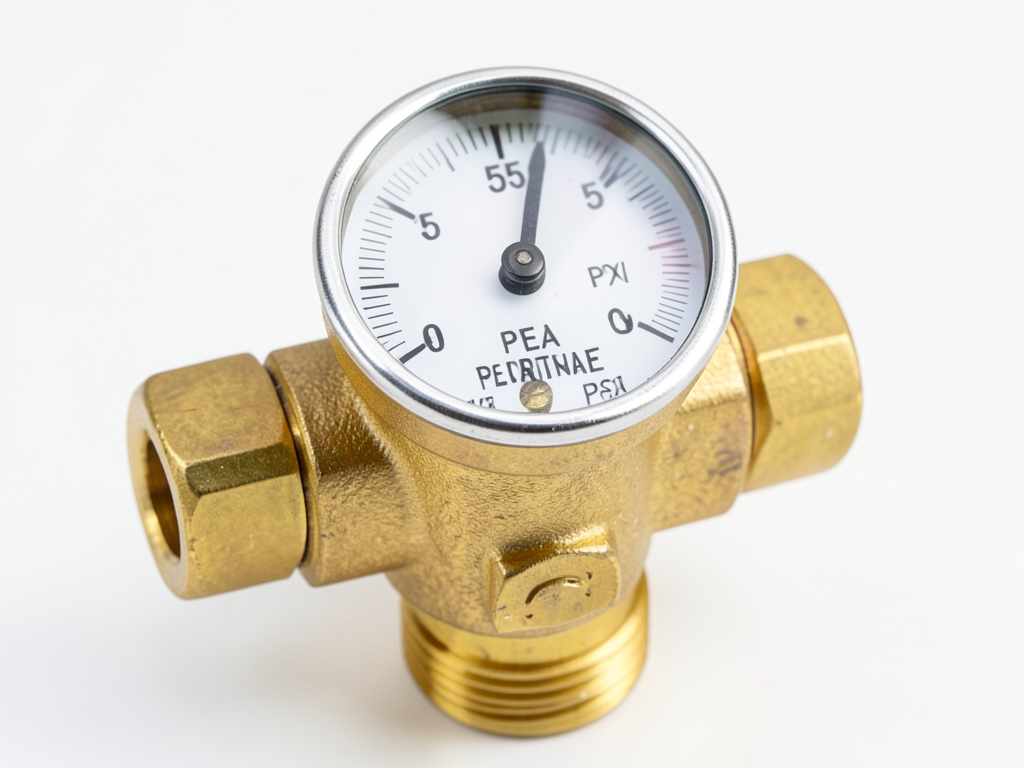
Why Your Forest Park Southeast Condo Needs a Water Pressure Regulator

Why Your Forest Park Southeast Condo Needs a Water Pressure Regulator Living in a Forest Park Southeast condo means enjoying…

The Best Way to Hide Exposed Plumbing in Your Soulard Loft

The Best Way to Hide Exposed Plumbing in Your Soulard Loft Exposed pipes in your Soulard loft can clash with…

Contact Us

Protect your St. Louis home from costly plumbing failures. Call Peak Plumbing St. Louis at (314) 417-7677 to schedule your comprehensive plumbing system inspection. Get the detailed information you need to maintain your home's plumbing properly and avoid emergency repairs.