




Menu

Trenchless Sewer Repair in St. Louis | Minimize Downtime and Protect Your Operations

Peak Plumbing St. Louis delivers no-dig sewer repair that keeps your business running while we fix failing underground infrastructure without tearing up parking lots, sidewalks, or customer access points.

Slider Image 1
Slider Image 2
Slider Image 3
Slider Image 4
Slider Image 5
Slider Image 7
Slider Image 8
Slider Image 9
Slider Image 10
Slider Image 11

Sewer Line Failures Cost St. Louis Businesses More Than Repair Bills

When a commercial sewer line collapses or backs up in St. Louis, the immediate threat is not the pipe. The threat is lost revenue, health code violations, and customers walking past your closed front door. A traditional excavation can shut down a retail storefront, restaurant, or office building for days while heavy equipment tears through landscaping and concrete. In a market where competitors sit one block away, you cannot afford that exposure.

St. Louis sits on expansive clay soil that shifts with seasonal moisture changes. During wet springs, clay swells and crushes aging cast iron and clay sewer lines. During dry summers, soil contracts and pulls pipe joints apart. The freeze-thaw cycle that hits the metro area each winter compounds the stress. Older commercial districts in areas like Soulard, The Hill, and Downtown have sewer laterals installed 50 to 80 years ago, often with materials that degrade under these soil conditions.

No-dig sewer repair eliminates excavation. Trenchless pipe lining and CIPP sewer repair reinforce your existing pipe from the inside without disrupting your operation. Trenchless sewer replacement pulls new HDPE pipe through the old line using hydraulic force. Both methods restore full flow capacity and structural integrity in hours, not days. You avoid permitting delays, asphalt repair costs, and ADA compliance issues tied to torn-up sidewalks. Your doors stay open. Your cash flow continues. That is the calculation that matters.

Sewer Line Failures Cost St. Louis Businesses More Than Repair Bills
How Trenchless Pipe Rehabilitation Works in Commercial Settings

How Trenchless Pipe Rehabilitation Works in Commercial Settings

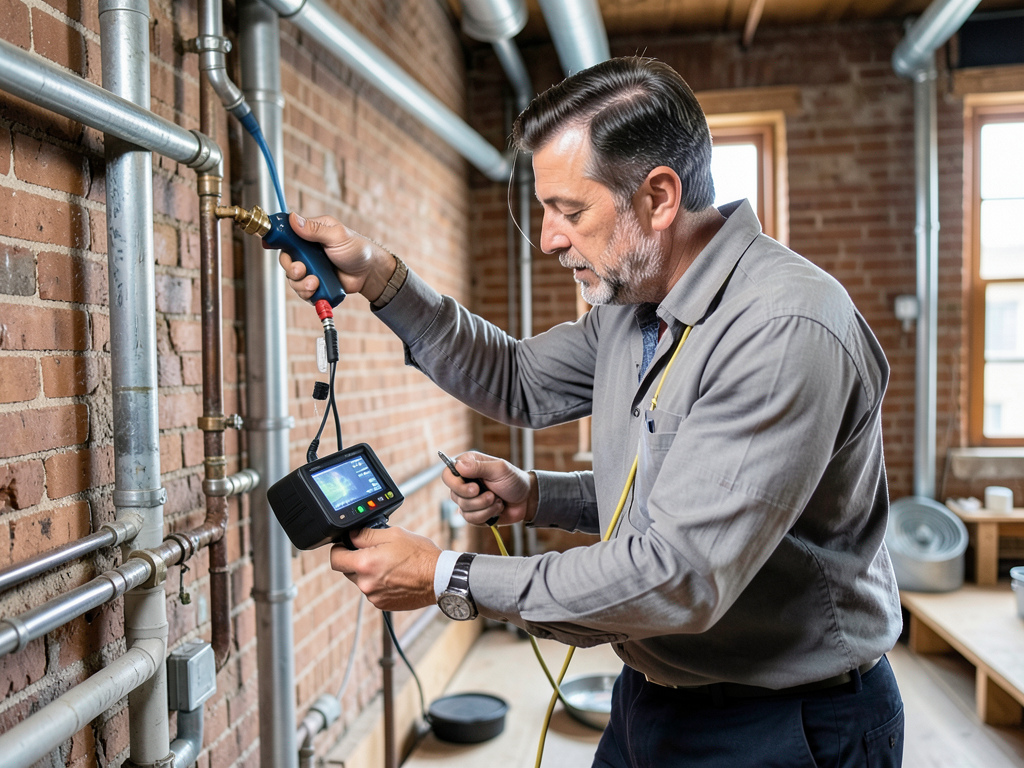
Trenchless sewer repair starts with diagnostics. We deploy high-definition sewer cameras through existing cleanouts to inspect the entire line. The camera feed shows cracks, root intrusion, offset joints, and corrosion in real time. We map the damage and measure pipe diameter, slope, and depth. This data determines whether CIPP lining or pipe bursting is the correct solution for your infrastructure.

CIPP lining works for pipes with structural integrity but failing interiors. We insert a resin-saturated felt liner through the damaged section. Once positioned, we inflate the liner with air pressure and cure the resin using hot water or UV light. The cured liner bonds to the host pipe, creating a seamless, jointless pipe within a pipe. The new surface resists root penetration, corrosion, and chemical degradation. Flow capacity often increases because the smooth epoxy interior reduces friction loss compared to corroded cast iron or rough clay tile.

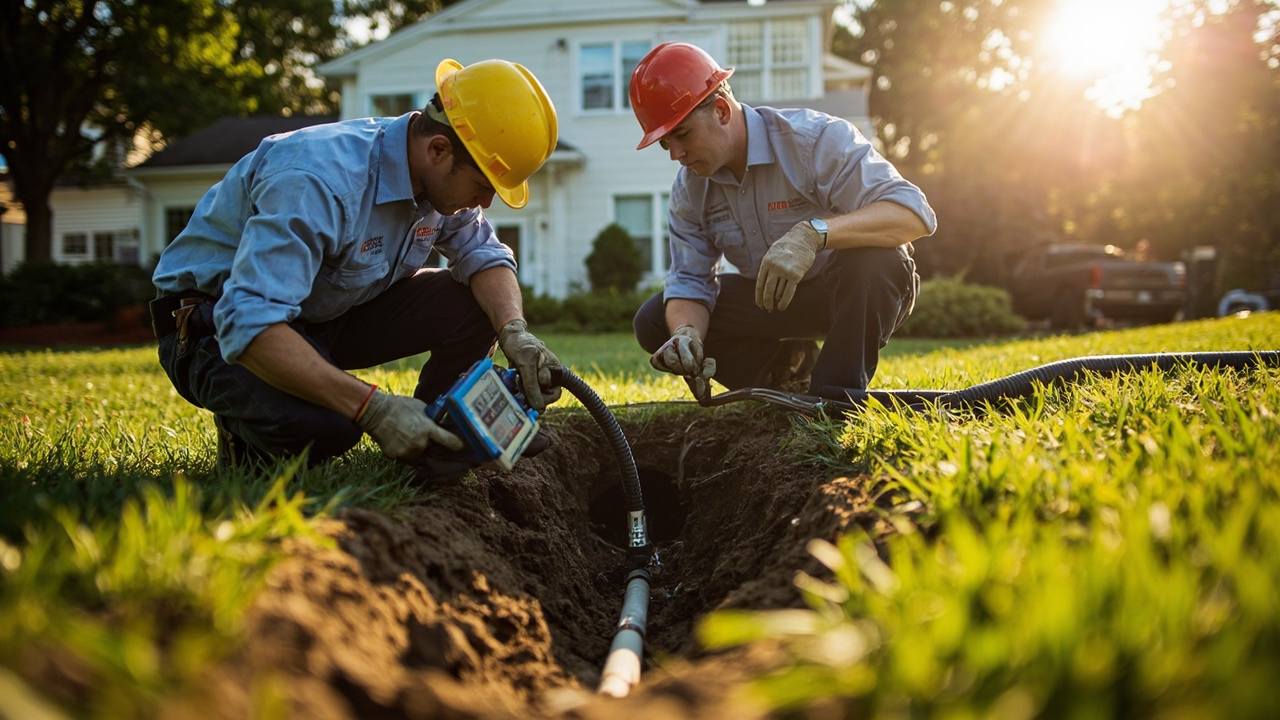
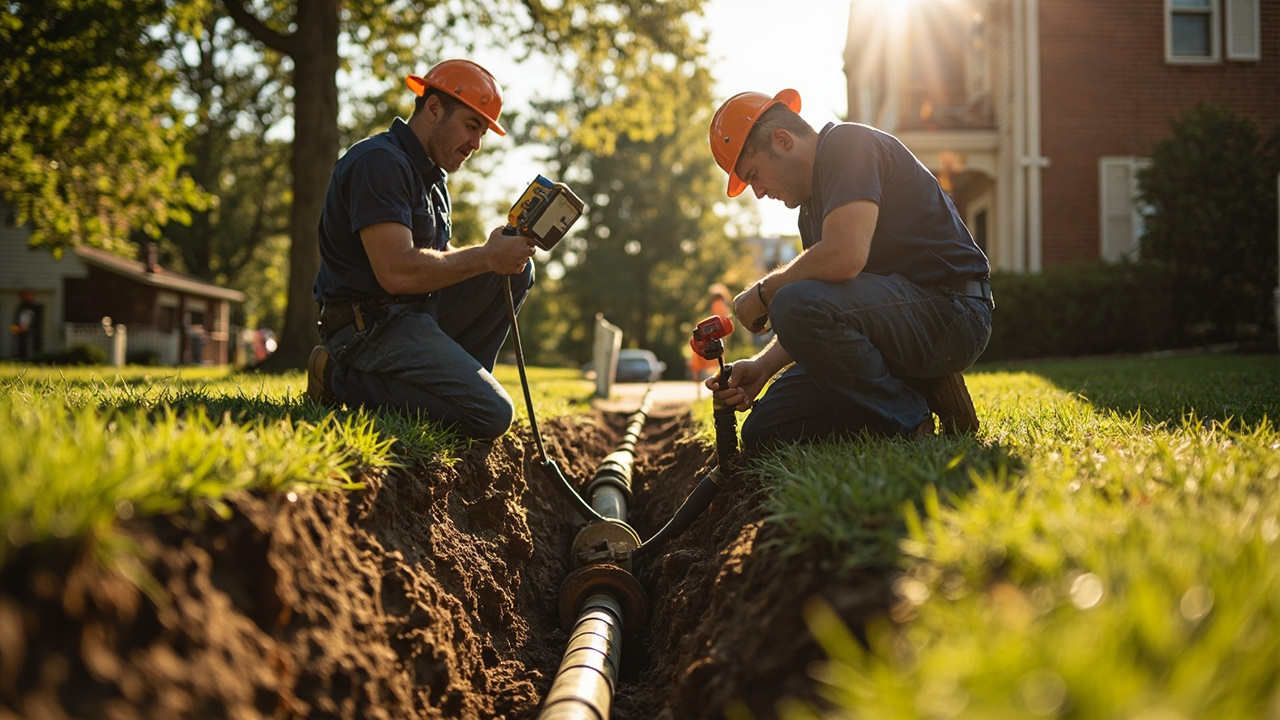
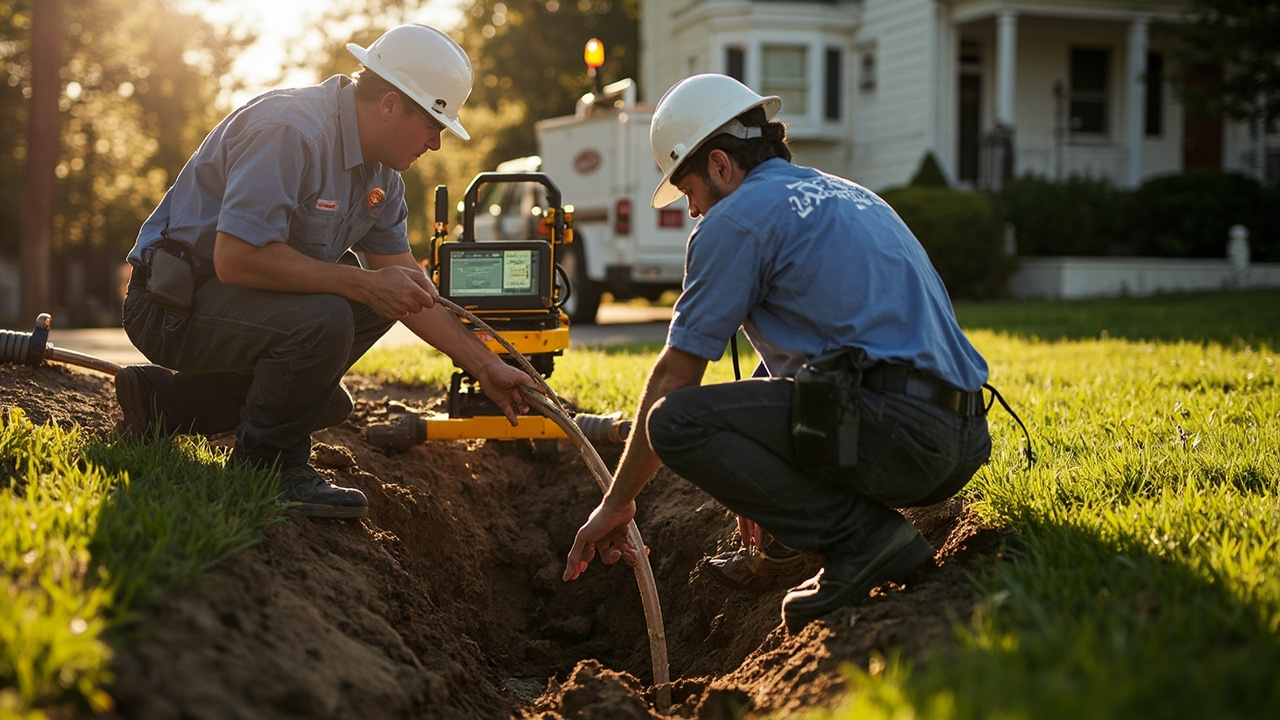
Pipe bursting replaces lines that have collapsed or shifted beyond repair. We hydraulically pull a bursting head through the old pipe, fracturing it outward into the surrounding soil. A new HDPE pipe follows directly behind the bursting head, filling the cavity. The process requires only two small access points at each end of the run. No trenching. No surface restoration. No interruption to customer access or parking. For high-volume commercial systems, we can install pipes up to 12 inches in diameter. The HDPE material is flexible, chemically inert, and rated for 100-year service life in corrosive soil conditions common to the St. Louis basin.

What Happens During a Commercial Trenchless Sewer Repair

Trenchless Sewer Repair in St. Louis | Minimize Downtime and Protect Your Operations
01

Camera Inspection and Mapping

We start with a comprehensive video inspection of your sewer lateral from the building connection to the municipal main. The camera records depth, diameter, and exact location of every defect. We provide a digital report with time-stamped footage and a written assessment of each failure point. This diagnostic phase typically takes 60 to 90 minutes and gives you a clear repair scope before any work begins.
02

Pipe Lining or Replacement

Once you approve the scope, we mobilize the trenchless equipment. For CIPP lining, we clean the pipe with hydro-jetting, insert the liner, inflate it, and cure the resin. For pipe bursting, we excavate two small pits at each end, thread the bursting head, and pull the new HDPE pipe into place. Both methods are completed in one business day for standard commercial laterals. You maintain access to restrooms and sinks throughout the process.
03

Final Inspection and Certification

After installation, we perform a final camera inspection to verify the repair. You receive video documentation showing the completed work and confirming full flow capacity. We provide a detailed service report for your facility maintenance records and compliance documentation. The trenchless repair requires no cure time beyond the initial installation. Your system is operational immediately. No waiting for concrete to set or asphalt to compact.

Why St. Louis Commercial Property Managers Choose Peak Plumbing St. Louis

Commercial sewer failures do not wait for convenient timing. Peak Plumbing St. Louis operates with the understanding that your business cannot afford delays, repeated service calls, or code violations. We respond to commercial service requests within two hours during business days and provide emergency dispatch for after-hours failures. Our trenchless equipment is maintained on-site in St. Louis, not dispatched from a regional hub three hours away.

We understand local code requirements. St. Louis Metropolitan Sewer District regulations govern sewer lateral responsibility and repair standards. Commercial properties in the city limits must meet MSD inspection standards before reconnection to the municipal system. Our trenchless installations meet or exceed those standards. We provide the documentation MSD requires for permit closeout, including pre-repair and post-repair video, material certifications, and as-built drawings.

Trenchless repair also eliminates secondary costs that inflate traditional excavation projects. You avoid landscape replacement, asphalt resurfacing, and concrete work. You avoid permits for sidewalk closures or traffic control. You avoid ADA compliance upgrades triggered when you disturb more than 30% of a pedestrian path. You avoid the risk of discovering a water main, gas line, or fiber optic conduit in the middle of an open trench. These hidden costs can double the price of a conventional dig-and-replace job.

We work in active commercial environments. Our crews coordinate with property managers to minimize impact on tenants and customers. We stage equipment to preserve parking and access. We communicate timelines clearly and meet them. A restaurant does not lose a weekend of revenue. A medical office does not reschedule patient appointments. A retail tenant does not close during peak shopping hours. That operational continuity is why commercial clients return to Peak Plumbing St. Louis when the next building in their portfolio needs underground infrastructure work.

What to Expect from a Commercial Trenchless Sewer Repair Project

Project Timeline and Scheduling

Most commercial trenchless sewer repairs are completed in one business day. We schedule work to align with your lowest-traffic periods. For retail and restaurant clients, we often start early morning or work overnight to avoid disrupting peak hours. Larger projects involving multiple pipe runs or complex layouts may extend to two days. We provide a detailed timeline during the diagnostic phase. You will know the start time, estimated completion, and any temporary service interruptions before we mobilize equipment. No surprises.

Diagnostic Assessment Process

The camera inspection is the foundation of accurate repair. We do not guess at underground conditions. The video feed shows root intrusion points, joint separation, cracks, and interior corrosion. We measure pipe diameter and slope to confirm adequate fall for gravity drainage. If the inspection reveals issues beyond the sewer lateral, such as failing building drain lines or undersized cleanouts, we flag those in the report. You receive a complete picture of your underground system, not just the immediate failure. This prevents return trips and future emergency calls.

Quality of Completed Repair

Trenchless pipe lining produces a seamless interior surface with no joints or seams where roots can penetrate. The cured epoxy liner is chemically inert and resists grease, acids, and hydrogen sulfide gases that corrode traditional materials. Pipe bursting installs HDPE pipe that flexes with soil movement and will not crack under freeze-thaw stress. Both methods restore structural integrity and flow capacity. The repair is permanent, not a temporary patch. You will not revisit this section of pipe again during your ownership.

Post-Repair Documentation and Support

You receive a comprehensive service report that includes pre-repair video, post-repair video, material certifications, and a written summary of all work performed. This documentation satisfies MSD permit requirements and provides a record for your facility maintenance files. If you manage multiple properties, we can integrate into your preventive maintenance program with scheduled camera inspections to catch issues before they escalate to failures. Proactive monitoring costs a fraction of emergency repairs and keeps your properties compliant and operational.

Frequently Asked Questions

You Have Questions,
We Have Answers

Is trenchless sewer repair worth it? +

For commercial properties in St. Louis, trenchless sewer repair delivers significant ROI. You avoid excavating parking lots, sidewalks, or landscaped areas, which minimizes business disruption and costly restoration work. The method typically completes faster than traditional dig-and-replace, reducing downtime that impacts revenue. Clay soil common throughout St. Louis shifts and cracks older cast iron and clay pipes. Trenchless methods like pipe bursting or CIPP lining create seamless, joint-free systems that resist future root intrusion and soil movement. You also sidestep permitting delays and extensive site remediation, making it the practical choice for maintaining operational continuity.

What are the disadvantages of trenchless pipe lining? +

Trenchless pipe lining works well for most commercial applications, but limitations exist. The method requires adequate existing pipe diameter. Severely collapsed or offset pipes may not qualify without partial excavation. You cannot line pipes with sharp bends beyond equipment tolerances. Some older St. Louis buildings have mixed pipe materials or unknown connections that complicate the process. Pipe lining also reduces internal diameter slightly, which may impact flow capacity in high-volume systems. Pre-inspection via camera is mandatory to verify candidacy. If your existing infrastructure has significant structural failure or code violations requiring full replacement, traditional excavation may be unavoidable despite higher costs.

What is the cheapest way to replace a sewer line? +

The cheapest sewer line replacement uses traditional open-trench excavation when access is easy and site conditions favor it. If your commercial property has open ground, minimal landscaping, and no pavement to remove, digging remains cost-effective. However, hidden costs add up quickly in St. Louis. Clay soil requires proper bedding and backfill. You face permit fees, traffic control if near roadways, and potential utility conflicts. Restoration costs for asphalt, concrete, or irrigation systems often exceed the pipe work itself. Trenchless methods carry higher upfront material costs but eliminate most restoration expenses, making them cheaper overall when site disruption factors into total project cost.

Does homeowners insurance cover sewage line repairs? +

Most commercial property insurance policies exclude sewer line damage unless you purchase specific endorsements. Standard policies cover sudden, accidental damage but not wear, deterioration, or maintenance issues. If a covered peril like a vehicle collision breaks your line, you may have coverage. Ground movement from freeze-thaw cycles common in St. Louis typically falls under exclusions. Tree root intrusion and age-related failure are almost never covered. Review your policy closely and consult your broker about adding sewer backup and service line coverage. Many commercial policies require separate riders. Document all maintenance and inspections to support claims if covered damage occurs.

How long does trenchless sewer repair last? +

Quality trenchless sewer repair lasts 50 years or more when properly installed. CIPP lining creates a monolithic, corrosion-resistant pipe within the existing structure. The cured epoxy or resin resists root penetration, chemical degradation, and soil shifting that damages traditional materials. Pipe bursting installs new HDPE pipe rated for 100-plus years. Both methods eliminate joints where roots typically infiltrate. St. Louis clay soil movement and freeze-thaw cycles destroy conventional pipes over time, but trenchless materials flex and resist cracking. Lifespan depends on proper installation, pre-cleaning, and correct material selection. A camera inspection verifies installation quality and provides documentation for future asset management.

Do plumbers recommend sewer liners? +

Most commercial plumbers recommend sewer lining for properties where excavation creates operational or financial problems. The technology works reliably when pipe conditions qualify and installation follows manufacturer specifications. Plumbers appreciate faster project timelines and reduced liability from site restoration work. However, recommendations depend on specific conditions. Plumbers will not recommend lining if camera inspection reveals complete collapse, severe offset joints, or host pipe too deteriorated to support lining. They assess flow requirements, code compliance, and long-term building plans. For St. Louis commercial properties with aging clay or cast iron systems under pavement or structures, lining typically offers the best balance of durability, cost, and minimal disruption.

Is sewer pipe relining worth it? +

Sewer pipe relining delivers value for commercial properties when total project costs are considered. You pay more per linear foot for materials, but you eliminate excavation, pavement removal, landscaping restoration, and business downtime. A retail location maintains customer access. An industrial facility avoids production interruptions. Office buildings keep parking available. St. Louis properties often have mature trees and established landscaping that cost thousands to replace after trenching. Relining also avoids unknown conditions like abandoned utilities or contaminated soil that add expenses during excavation. The real question is whether your existing pipe qualifies structurally and meets flow requirements after lining reduces diameter slightly.

How much does it cost to reline a sewage pipe? +

Trenchless sewer pipe relining costs vary based on pipe diameter, length, access points, and damage severity. Commercial projects typically run higher than residential due to larger pipe sizes and stricter code requirements. You pay for camera inspection, cleaning, material, curing, and final verification. St. Louis clay soil conditions may require additional prep work if root intrusion is severe. Costs increase if multiple access points need creation or if pipe runs under structures requiring difficult equipment positioning. Most commercial properties see positive ROI when comparing total project costs including restoration and downtime. Request detailed estimates from licensed contractors with commercial experience and verified references.

How do you tell if your sewer line needs to be replaced? +

Commercial sewer line replacement becomes necessary when you see persistent backups despite cleaning, multiple drain slow-downs across the building, or sewage odors near the foundation. Visible settling or sinkholes above the sewer path indicate collapsed pipe. Increased water bills without usage changes suggest leaks. Lush grass strips or unexplained wet areas point to underground breaks. Schedule camera inspection if your St. Louis building is over 40 years old with original clay or cast iron pipes. Clay expands and contracts with moisture, causing joint separation. Tree roots from mature oaks and maples common throughout St. Louis infiltrate cracked joints. Camera inspection provides definitive diagnosis before expensive failures occur.

Can a homeowner replace a sewer line? +

Commercial property owners should never attempt sewer line replacement themselves. The work requires licensed plumbers, proper permitting, and compliance with International Plumbing Code as adopted by St. Louis. Insurance and liability issues make DIY impractical for businesses. You need specialized equipment for excavation or trenchless methods, proper bedding materials, and grade verification to ensure flow. Connections to municipal systems require city inspection and approval. Clay soil in St. Louis demands specific installation techniques to prevent future settling. Code violations create liability if sewage contaminates adjacent properties. Improper work voids building insurance and creates tenant safety issues. Always hire licensed, insured contractors with commercial experience and verifiable St. Louis project history.

Why St. Louis Clay Soil and Aging Infrastructure Make Trenchless Repair Essential

St. Louis sits on Cheltenham clay, an expansive soil that swells when wet and shrinks when dry. This cyclical movement exerts crushing force on rigid sewer pipes. Cast iron and clay tile laterals installed in the mid-20th century crack under this stress. The problem intensifies in older commercial districts where buildings were connected to combined sewer systems that now overload during heavy rain. Spring flooding from the Mississippi and Missouri rivers raises groundwater levels, saturating clay and accelerating pipe deterioration. Trenchless pipe rehabilitation eliminates these failure points by installing flexible, jointless systems that move with the soil instead of fracturing under pressure.

Metropolitan Sewer District regulations place sewer lateral maintenance responsibility on property owners. If your lateral fails and causes a backup into the municipal system, you face fines and mandatory repair deadlines. Trenchless methods meet MSD standards and reduce the time your property sits under violation. Peak Plumbing St. Louis has completed hundreds of commercial trenchless projects across the metro area, from Central West End mixed-use buildings to South County strip malls. We understand the permitting process, inspection requirements, and documentation standards that keep your property compliant. Local expertise prevents costly mistakes and delays.
Plumbing Services in The St. Louis Area

Peak Plumbing St. Louis is proud to serve the entire St. Louis metropolitan area and surrounding communities. Our dedicated team is strategically located to respond quickly to your residential and commercial plumbing needs. You can view our primary service area on the map below, but if you're located nearby and have a plumbing issue, don't hesitate to give us a call to see how we can assist you.

Address:
Peak Plumbing St. Louis, 4565 McRee Ave, St. Louis, MO, 63110

Additional Services We Offer

Our news updates

Latest Articles & News from The Blogs

Modernizing the Plumbing in a 100 Year Old Hyde Park Kitchen Hyde Park's historic charm comes with a unique plumbing…

Modernizing the Plumbing in a 100 Year Old Hyde Park Kitchen

Modernizing the Plumbing in a 100 Year Old Hyde Park Kitchen Hyde Park's historic charm comes with a unique plumbing…

Why Your Forest Park Southeast Condo Needs a Water Pressure Regulator

Why Your Forest Park Southeast Condo Needs a Water Pressure Regulator Living in a Forest Park Southeast condo means enjoying…

The Best Way to Hide Exposed Plumbing in Your Soulard Loft

The Best Way to Hide Exposed Plumbing in Your Soulard Loft Exposed pipes in your Soulard loft can clash with…

Contact Us

Do not wait for a sewer backup to shut down your business. Call Peak Plumbing St. Louis at (314) 417-7677 to schedule a diagnostic camera inspection. We provide same-day assessments and trenchless repair options that keep your doors open and your customers happy.