




Menu

Commercial Backflow Prevention & Testing in St. Louis – Minimize Downtime with Certified Compliance Testing

Fast-track your annual backflow compliance with certified testing and same-day documentation. We keep your facility operational and compliant with Missouri state regulations and St. Louis Metropolitan Sewer District requirements.

Slider Image 1
Slider Image 2
Slider Image 3
Slider Image 4
Slider Image 5
Slider Image 7
Slider Image 8
Slider Image 9
Slider Image 10
Slider Image 11

Why St. Louis Commercial Properties Face Heightened Backflow Risk

The Mississippi River's proximity to downtown St. Louis creates unique water pressure fluctuations that increase backflow risk in commercial buildings. When flooding events or infrastructure work disrupts municipal water systems, the potential for contaminated water entering your potable supply increases dramatically.

St. Louis's industrial legacy means older commercial properties in neighborhoods like The Grove and the Central West End often contain aging backflow prevention assemblies that fail silently. A single failed double check valve assembly can expose your business to liability, regulatory fines, and public health violations.

Missouri state law mandates annual backflow assembly testing for commercial facilities, food service operations, and industrial sites. The St. Louis Metropolitan Sewer District enforces strict cross-connection control testing requirements. A missed compliance deadline triggers immediate violation notices and can result in water service disconnection.

Manufacturing facilities along the Riverfront and medical complexes near Barnes-Jewish Hospital face elevated scrutiny due to chemical handling and patient safety requirements. Your backflow preventer inspection is not optional paperwork. It is liability protection.

Peak Plumbing St. Louis conducts commercial backflow certification testing that satisfies Missouri Department of Natural Resources standards and local municipal codes. We submit documentation directly to the St. Louis MSD to close your compliance loop without adding administrative burden to your facility management team.

Why St. Louis Commercial Properties Face Heightened Backflow Risk
How Certified Backflow Testing Protects Your Operation

How Certified Backflow Testing Protects Your Operation

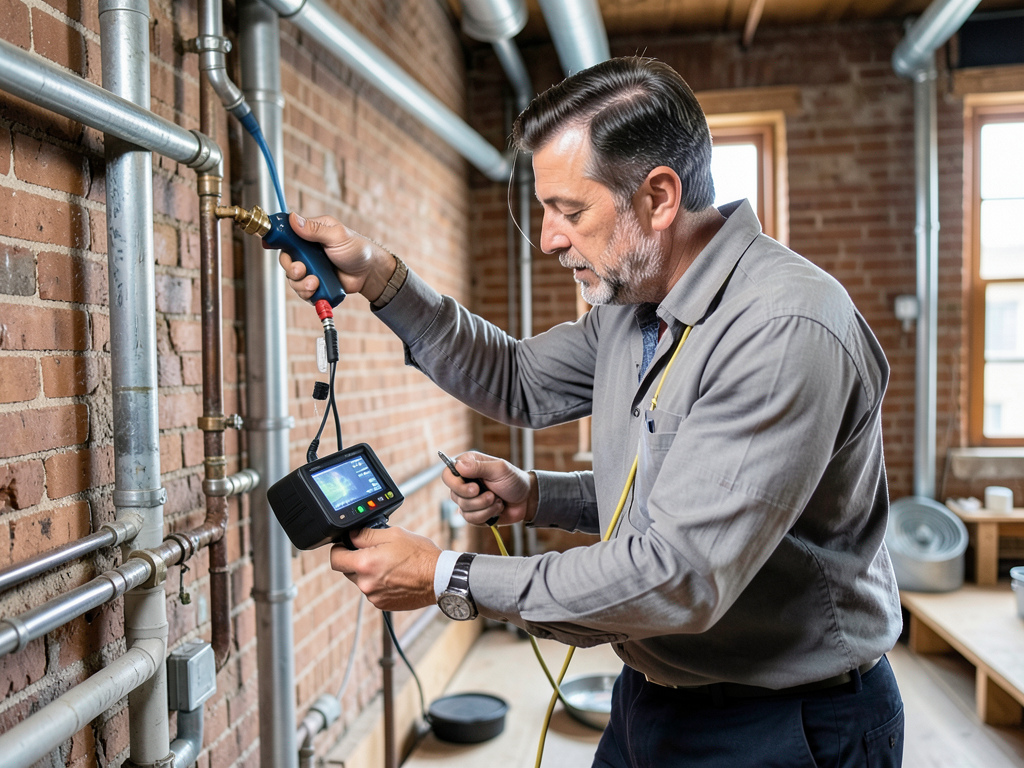
Backflow prevention devices fail without warning. A deteriorated check valve or fouled air gap creates contamination risk that standard facility inspections miss. We test reduced pressure zone assemblies, double check valve assemblies, and pressure vacuum breakers using calibrated differential pressure gauges that measure within 0.1 PSI accuracy.

Our technicians isolate each assembly, attach test cocks, and measure opening point, closing point, and pressure differential across check valves. We document spring tension on air inlet valves and verify relief valve discharge under simulated backpressure and backsiphonage conditions.

When we identify assembly failure, we provide immediate repair authorization documentation. You receive a detailed test report showing exact failure points, required component replacements, and retesting timelines. This eliminates the compliance gap that occurs when testing companies simply tag devices as failed without repair capability.

Peak Plumbing St. Louis holds Missouri backflow tester certification through the American Water Works Association. Our test equipment undergoes annual calibration verification to maintain accuracy standards required by the Missouri Department of Natural Resources.

We schedule testing during your facility's lowest operational impact windows. Multi-building campuses receive coordinated testing sequences that prevent simultaneous water shutdowns. You maintain business continuity while achieving full cross-connection control compliance.

For facilities with multiple assemblies, we provide testing schedules that distribute compliance deadlines across fiscal quarters. This prevents the administrative bottleneck of processing dozens of renewals simultaneously each year.

Our Commercial Backflow Compliance Protocol

Commercial Backflow Prevention & Testing in St. Louis – Minimize Downtime with Certified Compliance Testing
01

Pre-Testing Site Assessment

We inventory all backflow assemblies at your facility and verify their registration status with St. Louis MSD. This identifies assemblies with lapsed testing dates or missing compliance documentation. You receive a testing priority list based on regulatory deadlines and assembly types. We coordinate testing schedules with your operations manager to minimize disruption to production schedules or customer service hours.
02

Field Testing Execution

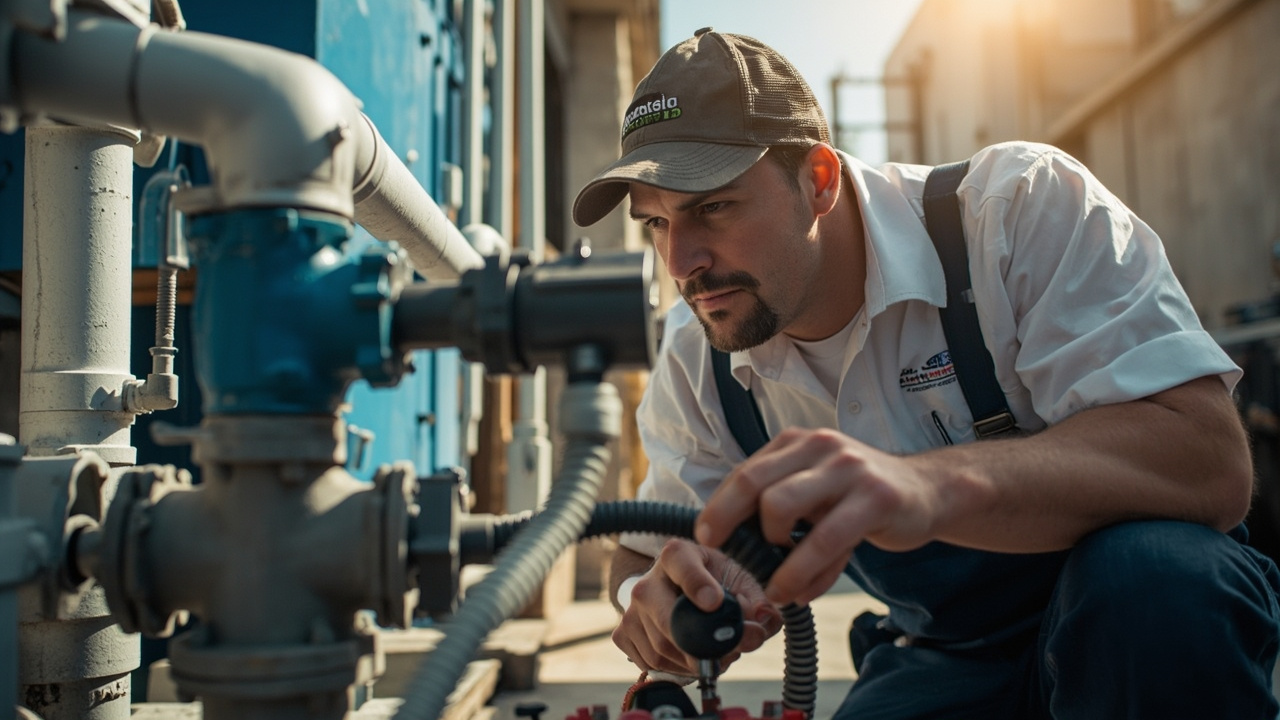
Our technician isolates each assembly, attaches calibrated test equipment to test cocks, and performs the five-point differential pressure test required by AWWA standards. We measure check valve tightness, relief valve opening point, and air inlet valve operation. Each assembly receives pass or fail designation with photographic documentation of gauge readings. Failed assemblies are tagged with specific component failure identification for efficient repair authorization.
03

Compliance Documentation Delivery

You receive completed test reports within 24 hours showing pass status, assembly serial numbers, and tester certification details. We submit passing test results directly to St. Louis MSD's online compliance portal, closing your regulatory requirement. Failed assemblies receive repair quotes with component specifications and retesting timelines. Your facility manager gets a compliance dashboard showing all assembly statuses and next testing due dates for long-term planning.

Why St. Louis Facilities Trust Our Backflow Certification

The St. Louis Metropolitan Sewer District rejects improperly documented test reports. We have zero rejection rate because our technicians follow exact MSD submission protocols and use approved test form templates. Your compliance filing succeeds on first submission.

Commercial backflow testing requires Missouri-specific certification that many general plumbers lack. Peak Plumbing St. Louis maintains active tester credentials through the Missouri Section of the American Water Works Association. We complete mandatory continuing education on updated testing standards and equipment calibration requirements.

St. Louis's mixed-age commercial building stock means we encounter everything from 1970s double check assemblies in Soulard warehouses to modern RPZ devices in Clayton office towers. We carry replacement parts for Watts, Wilkins, Ames, and Febco assemblies to complete repairs immediately after failed tests.

The city's food service corridor along Delmar Loop and Washington Avenue requires heightened backflow protection due to grease trap and chemical sanitizer backflow risk. We understand the elevated scrutiny health inspectors apply to restaurant backflow devices and ensure your assemblies meet food safety standards.

Manufacturing facilities near the Carondelet industrial area face strict environmental compliance audits. A failed backflow test during an EPA inspection creates violations that cascade into permit reviews and operational restrictions. We provide audit-ready documentation that satisfies both plumbing code and environmental regulators.

Our testing schedule flexibility accommodates 24-hour operations, weekend facility access, and after-hours testing for businesses that cannot interrupt daytime operations. You maintain productivity while achieving compliance.

What Your Facility Gets with Professional Backflow Testing

Scheduling Efficiency

We test multiple assemblies during a single site visit to minimize facility disruption. A typical 10-assembly facility receives complete testing in under three hours. We provide 48-hour advance notice of testing dates and coordinate water shutdown windows with your operations team. Emergency compliance testing for facilities facing deadline violations receives priority scheduling. You can book annual testing packages that automatically renew before your compliance deadlines expire.

Detailed Test Reporting

Your test report includes assembly location, serial number, manufacturer, model, size, and test date. Each assembly receives documentation of all five test points with exact PSI readings and pass or fail determination. Failed assemblies show specific component failures like fouled check valve seats or damaged relief valve springs. You receive digital copies and signed hard copies for facility records. Multi-site operations get consolidated reporting across all locations with individual assembly tracking.

Regulatory Submission Handling

Peak Plumbing St. Louis submits passing test results directly to the St. Louis MSD compliance database under your facility's account. You receive confirmation of successful submission within 48 hours. This eliminates the administrative task of manual form submission and reduces the risk of filing errors that trigger violation notices. Your facility manager gets email confirmation showing compliance status and next testing due date for planning purposes.

Repair and Retest Coordination

Failed assemblies receive immediate repair quotes with component costs and labor estimates. We schedule repairs within 72 hours of test failure to maintain compliance timelines. Repaired assemblies undergo complete retesting before we submit passing documentation. You receive side-by-side documentation showing initial failure and post-repair passing results. For assemblies beyond economical repair, we provide replacement specifications and installation quotes that meet current Missouri plumbing code requirements.

Frequently Asked Questions

You Have Questions,
We Have Answers

What is backflow prevention testing? +

Backflow prevention testing verifies that devices protecting your potable water supply from contamination are functioning correctly. A certified tester uses specialized gauges to measure differential pressure across check valves and relief valves within the assembly. The test confirms each component opens and closes at proper pressure thresholds. In St. Louis, commercial properties with irrigation systems, fire suppression lines, or chemical injection equipment require annual testing per Missouri Department of Natural Resources regulations. The tester documents results on official forms submitted to Missouri American Water or your municipal supplier. Failed devices must be repaired or replaced immediately to maintain compliance and protect public health.

How much to charge to test a backflow? +

Commercial backflow testing in St. Louis typically ranges based on device type and accessibility. Reduced pressure zone assemblies require more time than simple double-check valves. Pricing factors include device size, location difficulty, number of assemblies tested, and whether repairs are needed. Facilities with multiple devices often receive volume discounts. Testing costs less than potential fines from St. Louis Metropolitan Sewer District for non-compliance or liability from contamination incidents. Request itemized quotes that include testing, certification paperwork, and filing with your water authority. Annual service contracts often reduce per-test costs while ensuring you never miss compliance deadlines.

Can I test my own backflow preventer? +

No. Missouri law requires certified backflow testers to perform annual inspections on assemblies protecting public water systems. Certification demands specialized training, examination passage, and calibrated test equipment that meets American Water Works Association standards. Self-testing creates liability exposure if contamination occurs and you cannot prove proper procedure. St. Louis water authorities reject test reports from uncertified individuals. Commercial property owners face fines for non-compliance. Even if you own test gauges, your results hold no legal weight. Hire a certified tester who carries proper insurance and understands local reporting requirements to Missouri American Water or your municipal supplier.

Is backflow testing really necessary? +

Absolutely. Backflow testing protects your business from catastrophic liability. Without functioning preventers, contaminated water can reverse flow into potable supplies during pressure drops, line breaks, or fire suppression events. In St. Louis, commercial facilities face regulatory fines from health departments and water authorities for testing failures. More critically, you assume legal responsibility if tainted water causes illness or property damage. Annual testing costs far less than one lawsuit or business closure order. Missouri regulations mandate testing for good reason. The clay soil conditions common in St. Louis increase water main breaks, creating frequent backflow risk scenarios. Testing proves your system works when pressure events occur.

Do all plumbers do backflow testing? +

No. Backflow testing requires separate certification beyond a standard plumbing license. Testers must complete American Water Works Association courses, pass competency exams, and maintain calibrated gauge kits. Many plumbers focus on installation and repair without pursuing testing credentials. In St. Louis, you need a tester certified by Missouri Department of Natural Resources. Some plumbing companies employ certified testers on staff, while others subcontract testing work. Before hiring, verify current certification status. Using an uncertified plumber for testing creates compliance issues. Your water authority will reject reports from unqualified testers, leaving you vulnerable to fines and forcing retesting by properly credentialed professionals.

What happens if I don't do backflow testing? +

St. Louis water authorities issue non-compliance notices that escalate to service disconnection for chronic violations. Missouri American Water and municipal suppliers maintain testing databases. Missed deadlines trigger violation letters and financial penalties. Beyond regulatory consequences, you assume massive liability. If backflow occurs and contaminates water causing illness or death, your business faces lawsuits and potential criminal charges for negligence. Insurance carriers may deny claims if you skipped required testing. The St. Louis Metropolitan Sewer District can red-tag facilities, halting operations until compliance is achieved. Annual testing costs represent a fraction of one day's revenue loss from forced closure.

How long does a water backflow test take? +

Standard commercial backflow tests take 15 to 30 minutes per device for experienced certified testers. Complex reduced pressure zone assemblies require more time than simple double-check valves. Site factors affect duration. Devices buried in vaults, located in cramped mechanical rooms, or positioned overhead extend testing time. Facilities with multiple assemblies schedule longer appointments. If a device fails initial testing, troubleshooting adds time. Repair or component replacement extends the visit significantly. In St. Louis, testers often batch multiple properties in service routes. Schedule testing during low-demand periods to minimize business disruption. Most commercial properties complete annual compliance testing within one hour total.

Does a licensed plumber have to install a backflow preventer? +

Yes. Missouri plumbing codes require licensed plumbers to install backflow prevention assemblies on commercial water services. Installation demands proper sizing calculations, correct placement per code, and pressure zone considerations. St. Louis building inspectors verify installations during permit inspections. Unlicensed installation voids warranties and creates liability if the device fails. Insurance carriers may deny contamination claims if unlicensed workers installed equipment. Commercial properties need permit documentation for compliance records. Licensed plumbers understand local code amendments specific to St. Louis and can navigate Missouri American Water connection requirements. Using licensed professionals ensures your installation meets both regulatory standards and manufacturer specifications for optimal protection.

Can I install a backflow valve myself? +

No. Commercial backflow preventer installation requires a licensed plumber and building permits in St. Louis. These devices protect public water supplies, making them heavily regulated. Incorrect installation creates contamination risks affecting entire neighborhoods. You need proper torque specifications, orientation requirements, and clearance measurements for testing access. Missouri plumbing codes mandate licensed installation. Self-installation voids device warranties and violates local ordinances. Inspectors red-tag unpermitted work, forcing expensive removal and reinstallation. If contamination occurs from improper installation, you face legal liability and potential criminal charges. The cost difference between DIY and professional installation is negligible compared to the risks.

What are the signs of a bad backflow valve? +

Commercial backflow assemblies show specific failure signs. Reduced pressure zone devices discharge water continuously from the relief valve, indicating check valve failure or debris contamination. You may notice pressure drops in downstream fixtures or discolored water after pressure events. Test cocks leak when gate valves wear out. In St. Louis, frequent water main breaks stress assemblies, accelerating component wear. Visible corrosion on bronze bodies or leaking unions signal deterioration. During testing, devices that fail differential pressure readings need immediate repair. Any continuous discharge, pressure abnormalities, or failed annual tests require certified evaluation. Delaying repairs creates compliance violations and contamination liability.

How St. Louis Water Infrastructure Affects Commercial Backflow Risk

St. Louis draws water from both the Mississippi and Missouri Rivers through a network of intake stations and treatment plants managed by multiple municipalities. This creates pressure zone boundaries where facilities near jurisdictional borders experience variable water pressure. The transition between City of St. Louis Water Division service areas and St. Louis County water districts creates pressure differentials that stress backflow assemblies. Buildings in the Central Business District face additional risk during summer months when tower cooling systems and irrigation demand spike water usage, creating temporary low-pressure events that trigger backsiphonage conditions.

The St. Louis Metropolitan Sewer District maintains one of the most comprehensive backflow prevention databases in Missouri, tracking over 40,000 commercial assemblies across the metro area. MSD enforcement has increased significantly following contamination incidents linked to failed cross-connection control. Facilities that miss annual compliance deadlines receive violation notices within 30 days and face water service disconnection for continued non-compliance. Peak Plumbing St. Louis works directly with MSD's backflow prevention program administrators to ensure our testing protocols and documentation meet their exact submission requirements, protecting your facility from administrative compliance failures.
Plumbing Services in The St. Louis Area

Peak Plumbing St. Louis is proud to serve the entire St. Louis metropolitan area and surrounding communities. Our dedicated team is strategically located to respond quickly to your residential and commercial plumbing needs. You can view our primary service area on the map below, but if you're located nearby and have a plumbing issue, don't hesitate to give us a call to see how we can assist you.

Address:
Peak Plumbing St. Louis, 4565 McRee Ave, St. Louis, MO, 63110

Additional Services We Offer

Our news updates

Latest Articles & News from The Blogs

How to Stop Your Kirkwood Basement Bar Ejector Pump From Failing \n\n Your basement bar is the heart of your…

How to Stop Your Kirkwood Basement Bar Ejector Pump From Failing

How to Stop Your Kirkwood Basement Bar Ejector Pump From Failing \n\n Your basement bar is the heart of your…

Why a Pre-Listing Plumbing Inspection is Essential for Selling Your Huntleigh Home

Why a Pre-Listing Plumbing Inspection is Essential for Selling Your Huntleigh Home Selling a home in Huntleigh requires more than…

Why Your Spanish Lake Shower Has Terrible Water Pressure

Why Your Spanish Lake Shower Has Terrible Water Pressure Nothing ruins a morning like stepping into a shower that barely…

Contact Us

Do not risk compliance violations or water service interruption. Call Peak Plumbing St. Louis at (314) 417-7677 to schedule certified backflow assembly testing. We handle testing, documentation, and regulatory submission so your facility stays compliant and operational.