




Menu

Sewer Line Repair & Replacement in St. Louis – Trenchless Solutions That Save Your Yard and Your Budget

Peak Plumbing St. Louis specializes in trenchless sewer line repair and traditional replacement methods, delivering fast, property-preserving solutions for broken pipes, root intrusion, and deteriorating laterals throughout the metro area.

Slider Image 1
Slider Image 2
Slider Image 3
Slider Image 4
Slider Image 5
Slider Image 7
Slider Image 8
Slider Image 9
Slider Image 10
Slider Image 11

Why St. Louis Sewer Lines Fail Faster Than Most

St. Louis sits on a foundation of expansive clay soil that swells when wet and shrinks during dry spells. This constant movement puts extraordinary stress on underground sewer pipes, causing joints to separate, laterals to crack, and old cast iron or Orangeburg lines to collapse entirely. When you add the freeze-thaw cycles that come with Missouri winters, the problem accelerates. Water seeps into hairline cracks, freezes, expands, and turns minor issues into full blockages or ruptures.

The metro area's mature tree canopy creates another challenge. Roots from oak, maple, and sycamore trees aggressively seek moisture, infiltrating even small openings in sewer pipes. Once inside, they create dense root balls that trap waste and cause persistent backups. Many neighborhoods in Clayton, Webster Groves, and Maplewood have homes built between the 1920s and 1950s with original clay tile or cast iron lines that were never designed to withstand modern water usage or root pressure.

If you notice slow drains throughout the house, gurgling toilets, sewage odors in the yard, or patches of unusually green grass, your main sewer line is likely compromised. A broken sewer pipe does not heal itself. The longer you wait, the more wastewater leaks into your yard, creating health hazards and potentially contaminating soil near your foundation. Trenchless sewer line repair and full sewer pipe replacement are the two most effective solutions, and the right choice depends on the extent of the damage.

Why St. Louis Sewer Lines Fail Faster Than Most
How We Diagnose and Repair Sewer Lines Without Destroying Your Property

How We Diagnose and Repair Sewer Lines Without Destroying Your Property

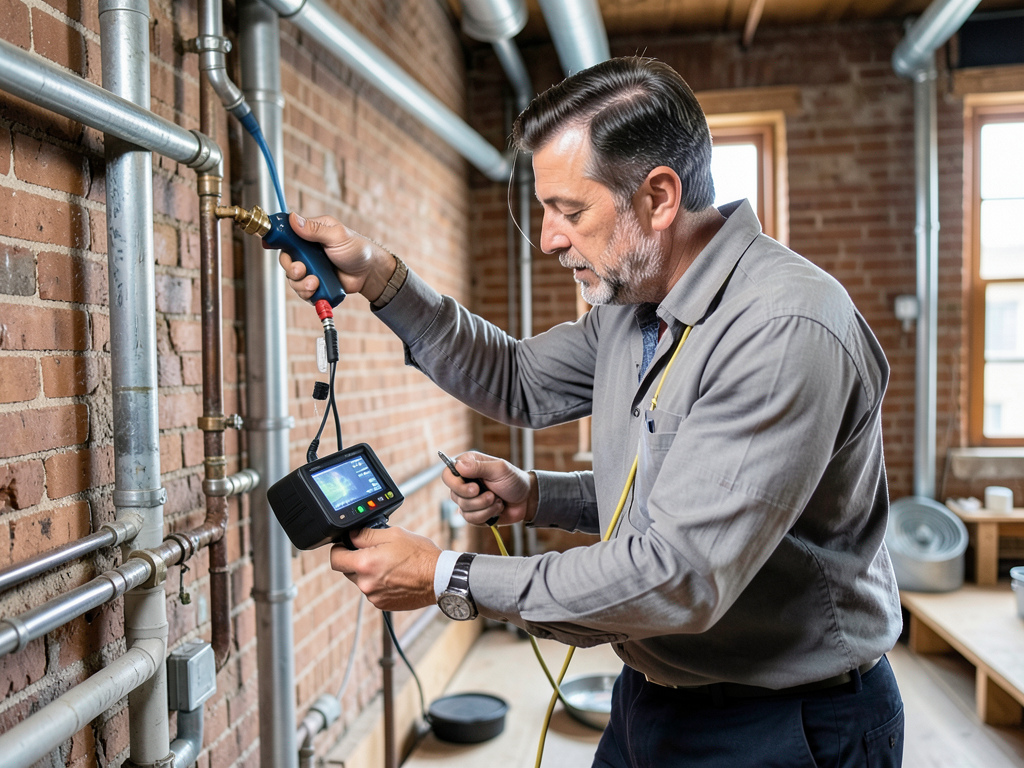
We start every job with a camera inspection. A high-definition sewer camera travels the entire length of your line, from the house connection to the street tap or septic inlet. This shows us exactly where the break, blockage, or root intrusion exists, how severe the damage is, and whether the pipe has bellied or offset at the joints. You see the same footage we do, so there is no guessing about what needs to happen.

For pipes with localized damage and structurally sound sections, trenchless sewer line repair is the best option. We use pipe bursting or cured-in-place pipe lining to rehabilitate the line without excavating your driveway, landscaping, or patio. Pipe bursting involves pulling a new high-density polyethylene pipe through the old line while simultaneously fracturing the damaged pipe outward. The new pipe is seamless, root-resistant, and rated to last 50 years or more. CIPP lining inserts a resin-saturated liner into the existing pipe, then inflates and cures it in place, creating a smooth, jointless interior that restores full flow capacity.

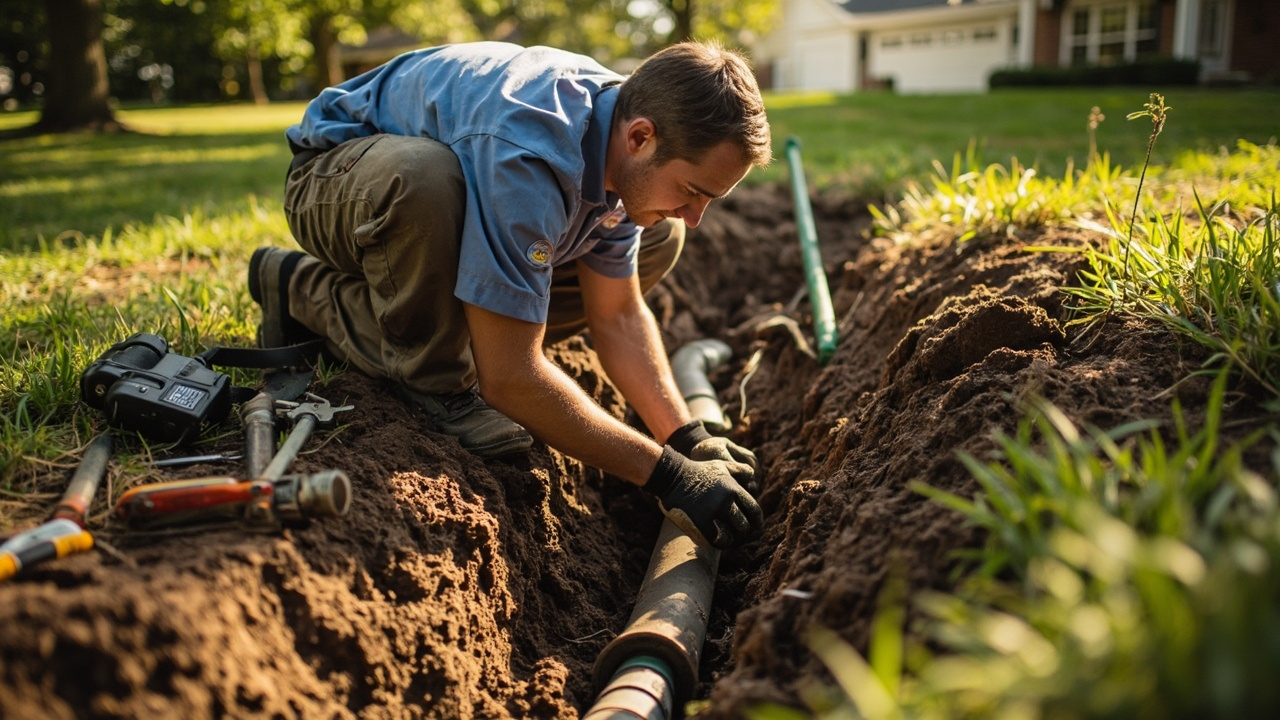
When the damage is too widespread or the pipe has completely collapsed, full sewer lateral replacement is necessary. We excavate strategically, digging only where access is required, and replace the line with Schedule 40 PVC or ABS pipe that meets current St. Louis Metropolitan Sewer District codes. All connections are solvent-welded to prevent root entry, and we backfill with compacted fill to prevent future settling. If the line runs under a concrete slab or finished basement, we discuss rerouting options to avoid interior demolition.

What Happens During Your Sewer Line Repair

Sewer Line Repair & Replacement in St. Louis – Trenchless Solutions That Save Your Yard and Your Budget
01

Camera Inspection and Diagnosis

We insert a waterproof camera through your cleanout or an access point to inspect the entire sewer line. The camera transmits real-time footage, showing cracks, root infiltration, bellied sections, or collapsed segments. We map the depth and location of the damage using a locating transmitter, so we know exactly where to dig if excavation is needed. You receive a full diagnostic report before any work begins.
02

Trenchless Repair or Strategic Excavation

If the pipe is a candidate for trenchless repair, we prepare entry and exit pits, then pull the new liner or bursting head through the damaged section. The process typically takes one day and leaves your yard intact. For full replacement, we excavate the trench, remove the old pipe, install new PVC with proper slope and bedding, and backfill with compacted material. We protect driveways, sidewalks, and landscaping throughout the process.
03

Final Testing and Restoration

Once the repair or replacement is complete, we run a final camera inspection to confirm the line is clear, properly aligned, and free of obstructions. We test the system by running water through all fixtures to verify proper drainage and flow. Any disturbed landscaping is graded and reseeded, and excavated areas are restored to pre-job condition. You get documentation of the completed work for your records and future buyers.

Why Peak Plumbing St. Louis Is the Right Choice for Sewer Line Work

Sewer line work in St. Louis requires more than standard plumbing knowledge. You need a crew that understands Metropolitan Sewer District regulations, knows how to navigate clay soil without collapsing the trench, and can handle the permit process for main sewer line repair that connects to city infrastructure. We have worked in every corner of the metro, from the historic homes in Soulard with century-old laterals to newer subdivisions in St. Charles County where builder-grade pipes are failing prematurely.

We carry trenchless equipment in-house, which means we do not subcontract the most critical part of the job. Our technicians are trained in both CIPP lining and pipe bursting, and we choose the method based on what your specific line needs, not what is easiest for us. If your pipe is too far gone for trenchless repair, we tell you upfront. We do not sell you a liner that will fail in three years just to avoid digging.

St. Louis's soil conditions make proper backfilling essential. We do not just dump dirt back into the trench and call it done. We use engineered fill, compact it in lifts, and ensure proper drainage away from your foundation. If your line runs under a driveway or patio, we coordinate concrete removal and replacement with local contractors who understand frost depth requirements and proper base preparation for Missouri's climate.

We also handle the coordination with MSD if your repair involves the city connection or requires a tap inspection. Most homeowners do not realize that the lateral from your house to the street is your responsibility, even if the problem originates at the city main. We manage that entire process so you do not get stuck in permit delays or failed inspections.

What to Expect When You Call for Sewer Line Repair

Response Time and Scheduling

Most sewer line problems do not happen at convenient times. We offer same-day camera inspections for active backups or emergencies, and we can usually schedule non-urgent repairs within 48 hours. If your line has failed completely and sewage is backing up into the house, we prioritize your call and dispatch a crew immediately. For planned replacements or trenchless repairs, we provide a detailed timeline that accounts for permit processing, weather delays, and any coordination required with other trades or utility companies.

The Inspection Process

The camera inspection is the foundation of every sewer line diagnosis. We access your line through the cleanout, a toilet flange, or a roof vent if necessary. The camera records the entire run, and we review the footage with you on-site. You will see exactly what is blocking or damaging the line, whether it is root intrusion, a collapsed section, or grease buildup. We provide a written report with screenshots, footage, and a recommendation for repair or replacement. If you need the footage for insurance purposes, we provide that at no additional cost.

The Quality of the Final Result

When we install a new sewer line or complete a trenchless repair, the result is a system that will outlast the original by decades. Trenchless liners and new PVC pipes are resistant to root penetration, corrosion, and joint separation. The line will have proper slope to prevent standing water and future clogs. We pressure-test all connections, run a post-repair camera inspection, and confirm that water flows freely from every fixture in the house. You receive documentation of the work, including depth measurements, pipe material specifications, and proof of code compliance.

Aftercare and Maintenance

A properly installed sewer line requires minimal maintenance, but we recommend an annual camera inspection if your property has mature trees or a history of root problems. Routine inspections catch small issues before they become expensive emergencies. If you notice slow drains, gurgling sounds, or sewage odors after the repair, we return to investigate at no charge during the first year. We also provide guidance on what not to flush and how to protect your new line from grease buildup, which is one of the leading causes of premature failure in St. Louis homes.

Frequently Asked Questions

You Have Questions,
We Have Answers

Does homeowners insurance cover main sewer line replacement? +

Most standard homeowners insurance policies do not cover main sewer line replacement. Insurers typically exclude damage from wear, neglect, or gradual deterioration. However, if a sudden, unexpected event causes the break, like a tree root invasion from a storm or external construction damage, you may have partial coverage. Some carriers offer optional sewer backup endorsements for a small annual fee. Review your policy carefully or call your agent. In St. Louis, where clay soil shifts and mature tree roots are common, this endorsement can save you thousands when the unexpected happens.

What is the cheapest way to replace a sewer line? +

The cheapest way to replace a sewer line is trenchless pipe lining or pipe bursting, which eliminates extensive excavation. You avoid the cost of tearing up driveways, landscaping, or sidewalks. Trenchless methods can reduce labor hours and restoration expenses significantly. However, the best method depends on your pipe's condition and accessibility. In older St. Louis neighborhoods with mature trees and historic landscaping, trenchless repair often proves more economical than traditional dig-and-replace. Get a camera inspection first to determine if your line qualifies for trenchless repair, which saves both time and money.

Can a homeowner replace a sewer line? +

Technically, a homeowner can replace a sewer line, but it is not advisable. Sewer work requires permits, inspections, and adherence to local plumbing codes. In St. Louis, you must coordinate with the Metropolitan Sewer District for tie-ins to the municipal system. Mistakes can lead to sewage backups, contamination, or expensive fines. You also need specialized equipment like excavators, pipe cutters, and camera inspection tools. Most importantly, improper installation voids permits and complicates future home sales. Hire a licensed plumber who knows St. Louis regulations and soil conditions to ensure code compliance and lasting results.

How to get insurance to pay for sewer line replacement? +

To get insurance to pay for sewer line replacement, document everything immediately. Take photos, get a professional inspection report, and establish the cause of damage. File your claim quickly and emphasize sudden, accidental damage rather than neglect. If a covered peril like a storm or construction accident caused the break, highlight that. Provide detailed estimates from licensed contractors. If your claim is denied, request a written explanation and consider appealing with additional documentation. In St. Louis, clay soil movement and storm-related root intrusion can sometimes qualify as sudden damage, so frame your claim accordingly and persist through the process.

What is the average lifespan of a sewer line? +

The average sewer line lasts 50 to 100 years, depending on material. Cast iron pipes, common in older St. Louis homes, last 50 to 65 years but corrode from the inside. Clay pipes can last 50 to 60 years but crack under soil pressure. PVC and ABS plastic pipes last 100 years or more with minimal maintenance. In St. Louis, freeze-thaw cycles and expansive clay soil accelerate wear on older materials. If your home was built before 1970, consider a camera inspection to assess your line's condition before a catastrophic failure forces an emergency replacement.

Who is responsible for a broken sewer pipe? +

Responsibility for a broken sewer pipe depends on where the break occurs. You own and maintain the lateral line from your home to the property line or the connection point with the municipal system. In St. Louis, the Metropolitan Sewer District owns the main line in the street. If the break is on your property or within your lateral, you pay for repairs. If it is in the public main, MSD handles it. However, tree roots from your yard damaging the main may shift liability back to you. Always verify the break location with a camera inspection before assuming responsibility.

How often should sewer lines be replaced? +

Sewer lines do not need replacement on a set schedule if they function properly. Inspect your line every few years, especially if your home is over 40 years old or you notice slow drains or odors. In St. Louis, where clay soil shifts and mature tree roots threaten older pipes, proactive camera inspections every three to five years help catch problems early. Replace your line when you see recurring backups, persistent clogs, cracks, or corrosion. Do not wait for a full collapse. Preventive replacement is cheaper than emergency excavation and water damage restoration after a catastrophic failure.

Can you replace a sewer line without digging? +

Yes, you can replace a sewer line without digging using trenchless methods like pipe lining or pipe bursting. Pipe lining inserts an epoxy-coated liner into the existing pipe, creating a new pipe inside the old one. Pipe bursting breaks the old pipe while simultaneously pulling a new pipe into place. Both methods require only small access points at each end. In St. Louis, trenchless repair is ideal for homes with mature landscaping, historic brick driveways, or tight access. However, severely collapsed pipes or misaligned sections may still require traditional excavation in some cases.

What are four signs that your sewer line is broken? +

Four signs your sewer line is broken include persistent sewage odors inside or outside your home, slow drains in multiple fixtures simultaneously, gurgling sounds from toilets or drains, and sewage backups in lower-level drains or basement floor drains. You may also notice soggy patches or lush grass over the sewer line path. In St. Louis, where clay soil retains moisture, water pooling in your yard can indicate a leaking line. If you see any of these signs, schedule a camera inspection immediately to locate the break before it causes structural damage or flooding.

How long does it take to replace a main sewer line? +

Replacing a main sewer line takes one to three days for traditional excavation, depending on line length and depth. Trenchless methods often complete in one day. Factors include soil type, access difficulty, landscaping restoration, and permit inspections. In St. Louis, clay soil can slow excavation, and coordination with the Metropolitan Sewer District adds time for tie-in approvals. Weather delays are common during freeze-thaw cycles or heavy rain. Your contractor should provide a timeline after the initial inspection. Plan for limited water and sewer use during the work, and ask about temporary restroom solutions if needed.

How St. Louis Clay Soil Accelerates Sewer Line Damage

St. Louis clay soil is highly expansive, meaning it swells when saturated and contracts during dry periods. This constant movement exerts lateral pressure on buried sewer pipes, especially older clay tile or cast iron lines that rely on joint integrity to prevent leaks. When the soil shifts, joints separate, allowing roots and groundwater to infiltrate the line. Freeze-thaw cycles worsen the problem, as water trapped in cracks expands when frozen and widens the damage. Properties near the Mississippi and Missouri River floodplains experience even more pronounced soil movement, making trenchless sewer line repair and full replacement critical to long-term functionality.

Peak Plumbing St. Louis has worked with the Metropolitan Sewer District's requirements for decades, and we understand the permit and inspection process for sewer lateral replacement. We know which neighborhoods have combined sewer systems, where clay tile is most common, and how to navigate the coordination required when repairs involve city infrastructure. Local expertise matters because St. Louis sewer work is not one-size-fits-all. Soil conditions, pipe age, tree density, and MSD regulations all affect the best repair method. Choosing a contractor who knows the metro inside and out prevents costly mistakes and ensures the work passes inspection the first time.
Plumbing Services in The St. Louis Area

Peak Plumbing St. Louis is proud to serve the entire St. Louis metropolitan area and surrounding communities. Our dedicated team is strategically located to respond quickly to your residential and commercial plumbing needs. You can view our primary service area on the map below, but if you're located nearby and have a plumbing issue, don't hesitate to give us a call to see how we can assist you.

Address:
Peak Plumbing St. Louis, 4565 McRee Ave, St. Louis, MO, 63110

Additional Services We Offer

Our news updates

Latest Articles & News from The Blogs

How to Stop Your Kirkwood Basement Bar Ejector Pump From Failing \n\n Your basement bar is the heart of your…

How to Stop Your Kirkwood Basement Bar Ejector Pump From Failing

How to Stop Your Kirkwood Basement Bar Ejector Pump From Failing \n\n Your basement bar is the heart of your…

Why a Pre-Listing Plumbing Inspection is Essential for Selling Your Huntleigh Home

Why a Pre-Listing Plumbing Inspection is Essential for Selling Your Huntleigh Home Selling a home in Huntleigh requires more than…

Why Your Spanish Lake Shower Has Terrible Water Pressure

Why Your Spanish Lake Shower Has Terrible Water Pressure Nothing ruins a morning like stepping into a shower that barely…

Contact Us

Do not wait for a full backup to address sewer line problems. Call Peak Plumbing St. Louis at (314) 417-7677 to schedule a camera inspection and get a clear diagnosis. We provide upfront pricing and same-day service for emergencies.