




Menu

Hydro Jetting vs. Snaking in St. Louis – Expert Guidance to Choose the Right Drain Cleaning Method

Understanding the difference between hydro jetting and snaking helps you solve clogs correctly the first time, saving you from repeat service calls and long-term pipe damage in your St. Louis home or business.

Slider Image 1
Slider Image 2
Slider Image 3
Slider Image 4
Slider Image 5
Slider Image 7
Slider Image 8
Slider Image 9
Slider Image 10
Slider Image 11

Why the Drain Cleaning Method You Choose Matters in St. Louis

You have a clogged drain. A plumber offers two options: hydro jetting or snaking. Most homeowners in St. Louis pick based on price alone, not understanding the pros and cons of hydro jetting vs snaking. That decision can determine whether your drain stays clear for years or clogs again in three months.

St. Louis's aging housing stock, especially in neighborhoods like The Hill, Soulard, and Tower Grove, means many properties still have original cast iron or clay sewer lines. These older pipes accumulate decades of grease, soap scum, mineral deposits from our hard water, and invasive tree roots drawn to moisture in the lines. A plumbing snake vs water jetting debate is not just about clearing today's blockage. It is about whether you address the root cause or just poke a hole through the symptom.

The difference between hydro jetting and snaking comes down to force and thoroughness. A drain snake, sometimes called a rooter or auger, is a flexible cable with a cutting head. It bores through clogs, creating a small channel for water to pass. Hydro jetting uses high-pressure water, typically 3,000 to 4,000 PSI, to scour the entire interior diameter of the pipe. The hydro jet vs drain snake comparison is simple: one punches a hole, the other scrubs the walls clean.

If you live near the Mississippi River floodplain or in areas with mature oak and sycamore trees, roots infiltrate sewer lines through tiny cracks. A snake cuts roots but leaves fragments clinging to pipe walls. Those fragments regrow. Hydro jetting vs rooter service means the difference between temporary relief and long-term prevention. Choosing the wrong method wastes money and sets you up for another emergency call in six months.

Why the Drain Cleaning Method You Choose Matters in St. Louis
How Each Method Works and When to Use It

How Each Method Works and When to Use It

A plumbing snake is mechanical. The technician feeds a coiled metal cable into the drain, rotating it to break apart or retrieve the obstruction. Snakes range from handheld drum augers for sink drains to truck-mounted units for main sewer lines. The cutting head can be a corkscrew blade for soft clogs, a spear tip for puncturing blockages, or a root cutter with sharp teeth. Snaking works well for isolated clogs caused by toilet paper, hair, or small objects. It is fast, lower in cost, and effective when the pipe itself is relatively clean.

Hydro jetting is hydraulic. A specialized nozzle, connected to a high-pressure water pump, enters the drain line. The nozzle propels itself forward with rear-facing jets while forward and side jets blast debris off pipe walls. The force shears away grease, scale, sludge, and root intrusions. The debris flushes downstream into the municipal sewer or septic tank. Hydro jetting cleans the full diameter of the pipe, restoring it to near-original capacity. It is the superior choice for recurring clogs, slow drains throughout the building, or commercial kitchens with heavy grease buildup.

The hydro jetting vs rooter decision depends on pipe condition. Older cast iron pipes in pre-1950s St. Louis homes can be fragile. If the line has cracks, significant corrosion, or sections that have collapsed, hydro jetting's pressure can worsen the damage. Peak Plumbing St. Louis always performs a video camera inspection before recommending hydro jetting. The camera reveals the pipe's interior condition, the nature of the clog, and whether the line can withstand 4,000 PSI.

For routine maintenance, hydro jetting prevents problems. For emergency clogs in unknown or fragile pipes, snaking is the safer first move. Combining both methods is common: snake the blockage to restore flow, then hydro jet to remove residual buildup and prevent future issues.

What Happens When You Schedule a Drain Cleaning Evaluation

Hydro Jetting vs. Snaking in St. Louis – Expert Guidance to Choose the Right Drain Cleaning Method
01

Initial Inspection and Diagnosis

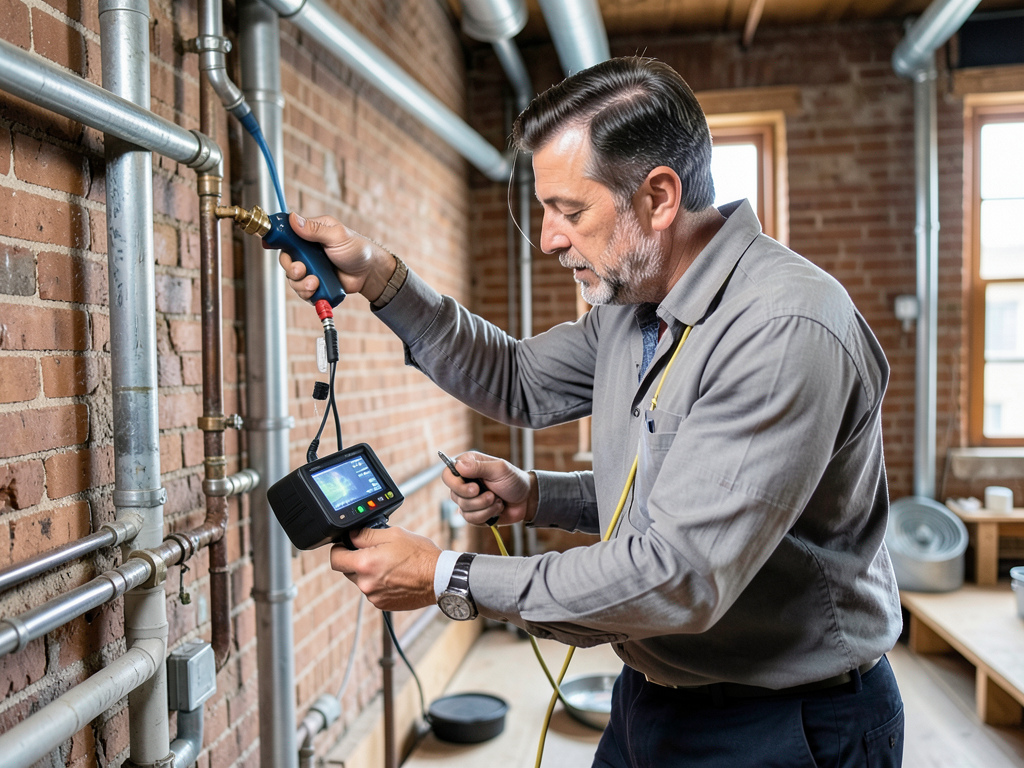
The technician starts with a camera inspection through an existing cleanout or access point. This reveals the blockage location, the pipe material and condition, and whether roots, grease, or scale are the culprits. The camera footage shows you exactly what is happening inside your line. This diagnostic step determines whether a drain snake or hydro jet is the correct tool, preventing guesswork and protecting fragile pipes from unnecessary pressure.
02

Method Selection and Execution

Based on the camera findings, the technician selects the appropriate clearing method. If the pipe is sound and buildup is extensive, hydro jetting removes all residue. If the blockage is simple or the pipe is compromised, snaking clears the obstruction without risking further damage. The work proceeds with constant monitoring. For hydro jetting, the technician adjusts pressure and nozzle type to match pipe diameter and material, ensuring thorough cleaning without harm.
03

Post-Cleaning Verification

After clearing the line, the technician performs a follow-up camera inspection. This confirms the blockage is gone and the pipe walls are clean. You see the before and after footage side by side. The technician explains what caused the clog and provides maintenance recommendations to prevent recurrence. This verification step gives you confidence the job was done correctly and helps you plan for long-term pipe health.

Why Local Expertise Matters for St. Louis Drain Cleaning

St. Louis plumbing has unique challenges that out-of-town or inexperienced providers miss. The city's mix of historic homes, mid-century construction, and modern builds means every property has different pipe materials and layouts. Homes in Lafayette Square or Compton Heights often have original terracotta or Orangeburg pipes that require gentle handling. Subdivisions built in the 1970s and 1980s near Lemay and Affton may have PVC main lines but cast iron branch lines. Knowing the local building history helps technicians choose the right drain cleaning method without damaging your system.

St. Louis sits on karst topography with limestone bedrock. This creates hard water with high calcium and magnesium content. Mineral scale accumulates inside pipes, narrowing the passage and trapping grease and debris. A snake cannot remove scale. Hydro jetting can, but only if the pipe walls are intact. Local plumbers who work in the area daily understand this interplay. They know when scale buildup justifies the investment in hydro jetting and when snaking is enough.

Tree roots are another local issue. The region's mature urban forest, especially silver maples and river birches near older neighborhoods, sends roots searching for water. Clay and cast iron sewer lines develop small cracks over time, and roots exploit these entry points. A provider unfamiliar with St. Louis's tree species and soil conditions might snake a root clog repeatedly instead of recommending hydro jetting followed by trenchless pipe lining to seal the cracks permanently.

Peak Plumbing St. Louis has cleaned drains in every part of the metro for years. We know which streets still have combined sewer systems, which neighborhoods have shallow sewer lines prone to freezing, and which areas have persistent root problems. That local knowledge translates into better recommendations and longer-lasting results. We do not upsell hydro jetting when snaking will work, and we do not gamble with your pipes by guessing their condition. Every decision is based on what we see in the camera and what we know about local infrastructure.

What You Can Expect From Professional Drain Cleaning

Response Time and Scheduling

Drain cleaning appointments typically happen within 24 to 48 hours for non-emergency situations. If you have a complete stoppage with sewage backing up into your home, emergency service dispatches within two hours. The initial camera inspection takes 30 to 45 minutes. Snaking a simple clog takes one to two hours. Hydro jetting a main sewer line can take two to four hours depending on the length of the run and the severity of buildup. Most residential jobs finish in a single visit. Commercial properties with extensive drain networks may require multiple sessions or after-hours scheduling to avoid disrupting business operations.

Diagnostic Process

The camera inspection is non-invasive. The technician inserts a flexible fiber optic cable with a waterproof camera head into the drain line through an existing cleanout or access point. The camera transmits live video to a monitor, showing the pipe's interior in real time. You watch alongside the technician, who points out problem areas, identifies pipe material, and explains what needs to happen. The footage is recorded, so you have documentation for insurance claims or future reference. This transparency removes guesswork. You see exactly what is wrong and why a specific method is recommended.

Quality of Results

Snaking restores immediate flow by creating a passage through the clog. The drain works again, but residual buildup remains on the pipe walls. Hydro jetting delivers a more thorough clean, removing all accumulated grease, scale, and debris. The pipe returns to near-original capacity, and water flows faster. For recurring clogs, hydro jetting extends the time between service calls from months to years. The post-cleaning camera inspection confirms the work. You see the cleared pipe and know the blockage is gone. This verification eliminates doubt and ensures you received the service you paid for.

Maintenance and Prevention

After clearing the line, the technician provides maintenance guidance tailored to your plumbing system. If roots are the issue, you may need annual hydro jetting and consideration of trenchless pipe lining to seal entry points. If grease buildup is the problem, enzyme treatments or more frequent cleaning intervals can help. For older pipes showing signs of deterioration, planning for eventual replacement prevents emergency failures. Some providers offer maintenance plans with scheduled camera inspections and cleaning to catch problems before they become emergencies. Preventive maintenance costs less than reactive repairs and extends the lifespan of your plumbing system.

Frequently Asked Questions

You Have Questions,
We Have Answers

Is hydro jetting worth the cost? +

Hydro jetting delivers long-term value if you face recurring clogs or slow drains. Snaking removes blockages temporarily, but it often leaves residue on pipe walls. Hydro jetting uses high-pressure water to scour the entire pipe interior, eliminating grease, mineral buildup, and tree root intrusion common in St. Louis clay soil. You pay more upfront, but you reduce the frequency of service calls. For homes with older cast iron or clay sewer laterals, hydro jetting can extend pipe life by preventing corrosion and buildup. The investment makes sense if you want fewer emergency calls and cleaner plumbing long-term.

Is hydro jetting safe for old pipes? +

Hydro jetting can damage old, fragile pipes if not done correctly. Before jetting, a licensed plumber should camera inspect your line to assess pipe condition. St. Louis homes built before 1970 often have clay or cast iron sewer lines that crack or corrode over time. High-pressure water can worsen existing fractures or dislodge loose sections. If your pipes show significant deterioration, snaking or pipe repair may be safer options. A trained technician adjusts water pressure based on pipe material and age. Never let an inexperienced operator hydro jet without a video inspection first.

What are the signs I need hydro jetting? +

You need hydro jetting if drains back up repeatedly despite snaking, if you notice foul sewer odors, or if multiple fixtures drain slowly at once. Gurgling sounds from toilets or drains signal a partial blockage deep in the line. St. Louis homes near mature trees often experience root intrusion in sewer laterals, which snaking cannot fully remove. Grease buildup from kitchen drains also requires hydro jetting for complete removal. If you run a restaurant or commercial kitchen, grease traps and main lines need periodic jetting to stay compliant and functional.

Can hydro jetting prevent future blockages? +

Hydro jetting removes blockages more completely than snaking, which reduces the chance of future clogs. The high-pressure water strips grease, soap scum, mineral deposits, and small root hairs from pipe walls. This thorough cleaning leaves less residue for new debris to attach to. In St. Louis, where hard water leaves mineral buildup and tree roots probe sewer lines, hydro jetting keeps pipes clearer longer. However, it does not prevent tree roots from growing back or stop grease from accumulating again. Regular maintenance jetting every 18 to 24 months helps prevent major blockages.

Does hydro jetting have any disadvantages? +

Hydro jetting costs more than snaking and requires a skilled operator. It poses risks for old, damaged pipes, which can crack or collapse under high pressure. The process uses significant water, which may not be ideal for properties with septic systems or water restrictions. Hydro jetting also requires access points, like cleanouts, to insert the jetting hose. If your property lacks proper access, the plumber may need to create one, adding to the cost. For minor clogs in newer pipes, snaking may be sufficient and more economical.

Why do plumbers say not to use drain cleaner? +

Plumbers avoid drain cleaner because it contains caustic chemicals that corrode pipes over time. Liquid drain cleaners generate heat as they react with clogs, which can soften PVC joints or weaken older cast iron and galvanized pipes common in St. Louis homes. These chemicals rarely dissolve the entire blockage. They often leave partial clogs that worsen quickly. Drain cleaners also create hazardous fumes and can injure you if they splash. They make the plumber's job more dangerous if they need to snake or jet the line afterward. Professional methods like snaking or hydro jetting solve the problem without damaging your plumbing.

Can I do hydro jetting myself? +

Do not attempt hydro jetting yourself. The equipment generates pressures up to 4,000 PSI, which can injure you or rupture pipes if misused. You need a camera inspection first to identify pipe damage, and you must know how to adjust pressure based on pipe material and age. Rental units lack the diagnostic tools and adjustable pressure settings that professionals use. Improper jetting can crack sewer lines, flood your basement, or send debris back into your home. Hire a licensed plumber in St. Louis who carries liability insurance and uses video inspection before jetting.

Why do plumbers say don't use drano? +

Drano and similar products damage your plumbing more than they help. The chemicals generate intense heat, which can melt PVC fittings and corrode metal pipes. St. Louis homes with older cast iron or galvanized lines are especially vulnerable. Drano often fails to clear tough clogs like grease or tree roots. It sits in the pipe, creating a caustic pool that continues corroding the interior. If the clog remains, the standing chemical becomes a hazard when a plumber arrives. Professional snaking or hydro jetting removes blockages safely without exposing your pipes or family to dangerous substances.

What is the strongest thing to unclog a drain? +

Hydro jetting is the most powerful method to clear drains. It uses pressurized water streams up to 4,000 PSI to cut through grease, mineral scale, tree roots, and decades of buildup. Snaking dislodges clogs but leaves residue on pipe walls. Chemical cleaners cannot match the mechanical force of water jetting. For severe blockages in main sewer lines or commercial grease traps, hydro jetting is the only solution that fully restores flow. It works on cast iron, PVC, and clay pipes if they are structurally sound. Always get a camera inspection first to confirm your pipes can handle the pressure.

What is the alternative to hydro jetting? +

Snaking is the primary alternative to hydro jetting. A plumber feeds a flexible metal cable with a cutting head into the drain to break up or retrieve the clog. Snaking works well for isolated blockages like hair, toilet paper, or small objects. It costs less and poses no risk to fragile pipes. For minor issues in newer plumbing, snaking is often sufficient. However, it does not remove buildup on pipe walls. If you face recurring clogs, grease accumulation, or root intrusion common in St. Louis sewer laterals, hydro jetting provides a more thorough and lasting solution.

How St. Louis's Aging Sewer Infrastructure Affects Your Drain Cleaning Options

St. Louis's sewer system includes thousands of miles of pipe installed between the 1880s and 1960s. Many residential laterals, the pipes connecting your home to the main sewer, are original clay or cast iron. These materials corrode, crack, and separate at joints over time. The city's freeze-thaw cycles, with winter temperatures dropping into the teens and summer heat exceeding 90 degrees, accelerate deterioration. When these old pipes develop problems, choosing between a drain snake and hydro jetting becomes critical. Snaking is safer for fragile lines, but it does not address the underlying decay. Hydro jetting cleans thoroughly but can rupture a compromised pipe. Knowing your pipe's condition through camera inspection is the only way to make an informed decision.

Local plumbers who specialize in St. Louis's infrastructure understand the Metropolitan St. Louis Sewer District's regulations and the city's plumbing code requirements. They know which neighborhoods were part of the combined sewer system, where private laterals become public responsibility, and how to navigate permitting for major repairs. This expertise matters when a simple drain cleaning reveals a larger issue like a collapsed pipe or illegal connections. Choosing a provider with deep roots in the community means you get accurate advice, not just a sales pitch. Peak Plumbing St. Louis has worked with local inspectors, engineers, and property managers for years. We know the system inside and out, and that knowledge protects you from costly mistakes.
Plumbing Services in The St. Louis Area

Peak Plumbing St. Louis is proud to serve the entire St. Louis metropolitan area and surrounding communities. Our dedicated team is strategically located to respond quickly to your residential and commercial plumbing needs. You can view our primary service area on the map below, but if you're located nearby and have a plumbing issue, don't hesitate to give us a call to see how we can assist you.

Address:
Peak Plumbing St. Louis, 4565 McRee Ave, St. Louis, MO, 63110

Additional Services We Offer

Our news updates

Latest Articles & News from The Blogs

How to Stop Your Kirkwood Basement Bar Ejector Pump From Failing \n\n Your basement bar is the heart of your…

How to Stop Your Kirkwood Basement Bar Ejector Pump From Failing

How to Stop Your Kirkwood Basement Bar Ejector Pump From Failing \n\n Your basement bar is the heart of your…

Why a Pre-Listing Plumbing Inspection is Essential for Selling Your Huntleigh Home

Why a Pre-Listing Plumbing Inspection is Essential for Selling Your Huntleigh Home Selling a home in Huntleigh requires more than…

Why Your Spanish Lake Shower Has Terrible Water Pressure

Why Your Spanish Lake Shower Has Terrible Water Pressure Nothing ruins a morning like stepping into a shower that barely…

Contact Us

Stop guessing about the right way to clear your drains. Call Peak Plumbing St. Louis at (314) 417-7677 for a camera inspection and honest recommendation. We explain your options, show you what is happening inside your pipes, and deliver results that last.