
Hard water leaves stubborn stains and scale buildup on your fixtures, appliances, and plumbing. In O’Fallon, the water from the Missouri River carries high mineral content that creates these problems throughout your home. You can see the white crusty deposits on faucets, showerheads, and inside your coffee maker. These minerals also build up inside your pipes and water heater, reducing efficiency and causing damage over time. Replacing Old Iron Pipes in Historic Webster Groves Homes.
The St. Charles County water supply typically contains 12-18 grains per gallon of hardness minerals. This level is considered very hard and requires treatment to protect your plumbing system and appliances. Without treatment, you will notice reduced water pressure, higher energy bills, and premature appliance failure. St. Charles County Water District.
You can remove existing scale with vinegar solutions and specialized cleaners, but prevention is the only permanent solution. Professional water softening systems remove the minerals before they enter your home, stopping the damage before it starts. The installation process includes testing your water, sizing the system for your home, and ensuring proper drainage for the regeneration cycle. Professional Gas Line Installation for Your New Outdoor Kitchen in Wildwood.
Local plumbers understand O’Fallon’s specific water conditions and building requirements. They can recommend the right system size based on your household water usage and local water hardness levels. Professional installation ensures your system works efficiently and meets all local plumbing codes. How to Get a Same-Day Water Heater Repair in Sunset Hills.
Call (314) 417-7677 today to schedule your water hardness test and learn about treatment options for your O’Fallon home.. Read more about Diagnosing Low Water Pressure Throughout Your Fenton House.
Understanding O’Fallon’s Hard Water Problem
The Missouri River water that serves O’Fallon contains high levels of dissolved calcium and magnesium. These minerals come from limestone deposits in the river’s watershed and dissolve into the water as it flows through the region. The St. Charles County Water District reports hardness levels between 12-18 grains per gallon, which is considered very hard.
Hard water affects every fixture and appliance in your home. You will notice white crusty buildup on faucets and showerheads, spots on dishes and glassware, and reduced soap lather. Inside your pipes, these minerals form scale that restricts water flow and reduces water pressure over time.
Your water heater suffers the most damage from hard water. Scale buildup on heating elements forces the unit to work harder, increasing energy costs by up to 30%. The same scale can cause premature failure of heating elements and reduce the unit’s lifespan by several years.
Local water quality reports show that O’Fallon’s water hardness remains consistent throughout the year, though it may increase slightly during periods of low river flow. This consistency means once you install a water softener, you can expect reliable performance without seasonal adjustments.
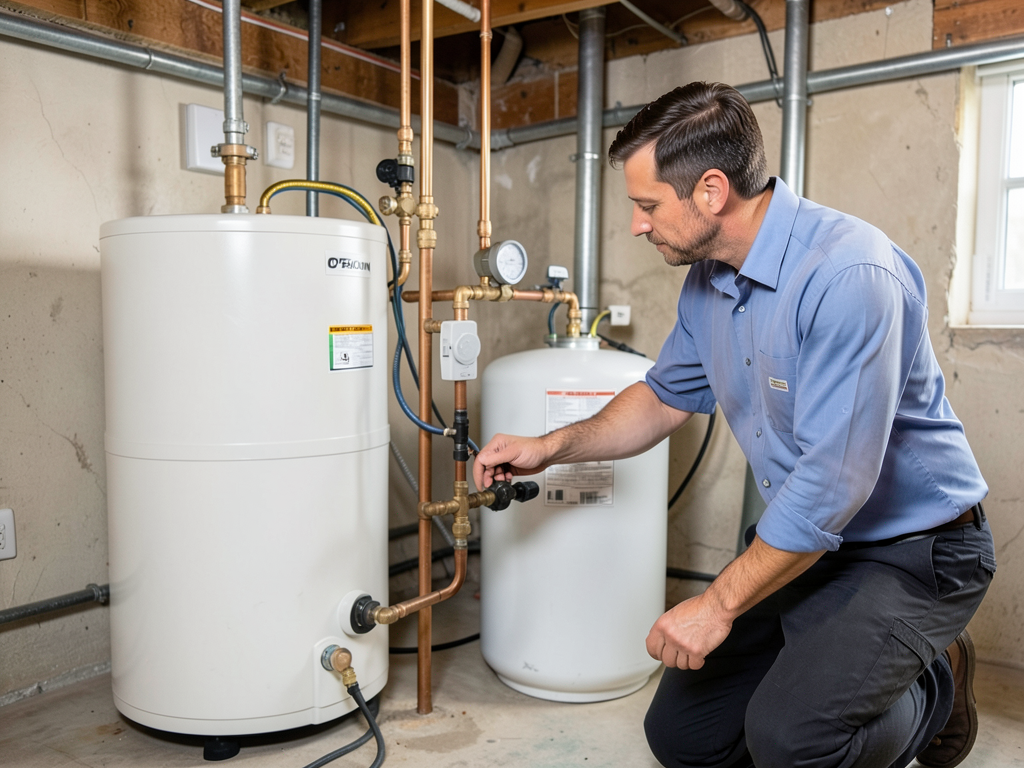
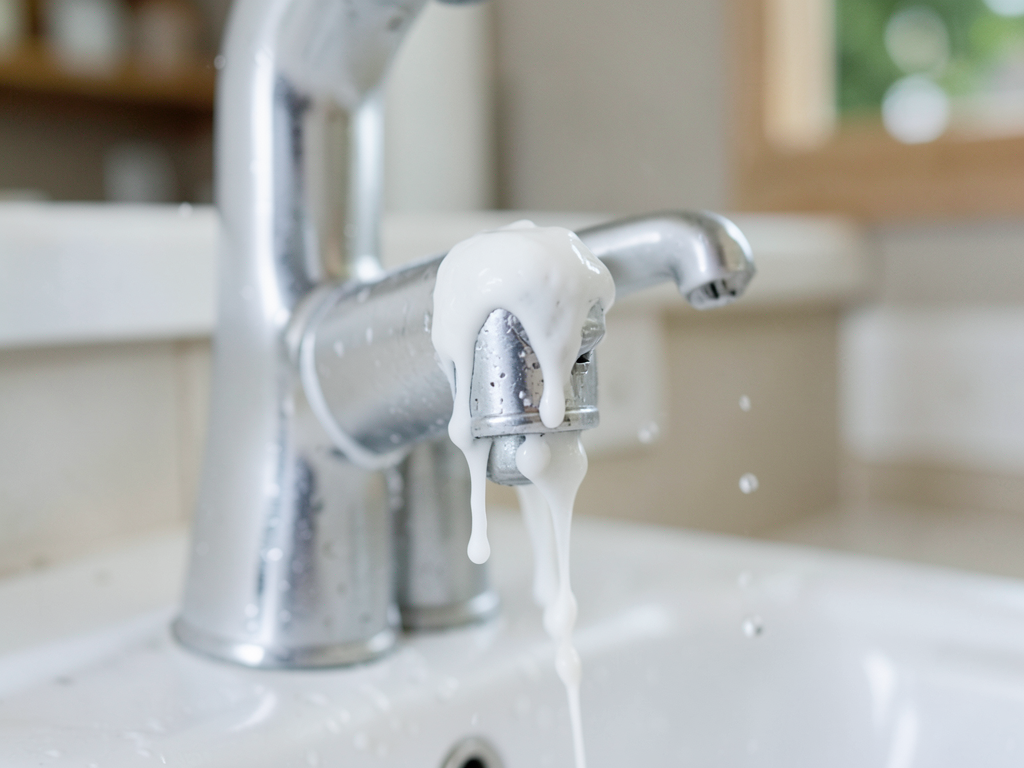
Photo of white scale buildup on a kitchen faucet aerator in an O’Fallon home, showing typical hard water deposits.
Testing Your Water Hardness Level
Professional water testing provides accurate hardness measurements and identifies other water quality issues. Plumbers use test strips or digital meters to measure grains per gallon, which indicates how much mineral content your water contains. Levels above 7 grains per gallon are considered hard and benefit from treatment.
You can perform a basic test at home using soap and a clear bottle. Fill the bottle with tap water, add a few drops of liquid soap, and shake vigorously. If you see few bubbles and cloudy water, your water is hard. However, this test only indicates hardness, not the exact level.
Professional testing also checks for iron, manganese, and other minerals that affect water quality. These tests help determine if you need additional filtration beyond basic softening. Some O’Fallon homes may have elevated iron levels that require specialized treatment.
Water testing should be done before installing any treatment system. The results determine the system size, regeneration frequency, and whether you need pre-filters for sediment or other contaminants. Testing also establishes a baseline for measuring system performance after installation.
Local plumbers often provide free water testing as part of their consultation services. This allows them to recommend the most cost-effective solution for your specific water conditions and household needs.
Professional Water Softener Installation Process
Professional installation ensures your water softener works correctly and meets all local plumbing codes. The process begins with a site survey to locate the main water line and determine the best installation location. Most systems install near the water heater in a basement or utility room. How to Stop Your Ballwin Basement From Flooding During Heavy Spring Rains.
The installation team first shuts off your main water supply and drains the system. They then cut into the main line and install a bypass valve that allows you to service the softener without disrupting water service to your home. This valve is critical for maintenance and emergency situations.
Next, they connect the softener’s resin tank and brine tank, routing the drain line to a suitable discharge point. The drain line must terminate at least 1.5 inches above any drain to prevent backflow contamination. Local codes in O’Fallon require an air gap for all water softener drain lines.
After installation, the team programs the control valve based on your water hardness level and household water usage. They then run an initial regeneration cycle to prepare the resin bed for service. This process takes several hours and uses approximately 40-60 gallons of water. EPA Ground Water and Drinking Water.
The entire installation typically takes 3-5 hours for a standard residential system. Larger homes or those with complex plumbing may require additional time. Professional installers also test the system for leaks and verify proper operation before completing the job.
Technician installing a water softener system in an O’Fallon basement, showing proper bypass valve setup and drain line routing.
Types of Water Softening Systems
Ion exchange softeners are the most common and effective systems for O’Fallon’s water conditions. These units use resin beads that attract and hold hardness minerals, exchanging them for sodium or potassium ions. The resin regenerates automatically using salt from the brine tank, typically every 3-7 days depending on usage.
Salt-free water conditioners work differently by preventing minerals from forming scale rather than removing them. These systems use template-assisted crystallization to change the structure of hardness minerals so they cannot stick to surfaces. While effective for scale prevention, they do not provide the full benefits of traditional softening.
Dual-tank systems provide continuous soft water by using two resin tanks. While one tank regenerates, the other provides soft water to your home. This setup is ideal for larger households or homes with high water usage that cannot tolerate any hard water during regeneration cycles.
Portable exchange tank services offer an alternative to owning equipment. A service provider delivers and exchanges tanks on a regular schedule, handling all maintenance and regeneration off-site. This option eliminates the need for salt handling and reduces homeowner responsibility.
Reverse osmosis systems can be added to treat drinking water at specific taps. While whole-house softeners handle general water quality, RO systems provide ultra-pure water for drinking and cooking, removing additional contaminants that softeners may not address.
Maintenance Requirements and Salt Delivery
Water softeners require regular maintenance to operate efficiently. The most frequent task is adding salt to the brine tank. Most households need 40-80 pounds of salt per month, depending on water hardness and household size. Salt levels should be checked weekly and maintained at least half full.
The resin bed inside the softener loses effectiveness over time as minerals accumulate. Professional cleaning or replacement is typically needed every 5-10 years, depending on water quality and usage. Signs of failing resin include reduced softening effectiveness and increased salt usage.
The brine tank itself requires occasional cleaning to remove salt bridges and sediment buildup. Salt bridges form when a hard crust develops above the water level, preventing proper salt dissolution. Breaking up these bridges ensures consistent regeneration performance.
Control valve programming may need adjustment as your household needs change or if water conditions vary seasonally. Modern digital controls make these adjustments simple, but older mechanical units may require professional service for programming changes.
Many local plumbing companies offer salt delivery services that include tank inspection and basic maintenance with each delivery. This service ensures you never run out of salt and catches potential problems before they cause system failure.
Cost Benefits and Return on Investment
Installing a water softener provides significant cost savings over time. You will save money on cleaning products since soft water requires less soap and detergent. Studies show households with hard water use up to 50% more soap products than those with soft water.
Appliance longevity increases dramatically with soft water. Water heaters last 2-3 years longer, dishwashers avoid scale damage, and washing machines maintain efficiency. These extended lifespans offset the initial investment in softening equipment within 3-5 years.
Energy savings from improved water heater efficiency can reduce utility bills by $20-30 per month. Scale buildup forces water heaters to use more energy to achieve the same temperature, while soft water maintains optimal heat transfer efficiency.
Hard water damage to plumbing fixtures and pipes leads to costly repairs. Scale buildup can restrict pipes enough to require replacement, and mineral deposits can permanently damage expensive fixtures like shower valves and faucet cartridges.
Home value may increase with water treatment systems. Many buyers in the St. Louis area specifically look for homes with water softeners due to the region’s hard water conditions. A properly installed system can be a selling point that differentiates your home from others on the market.
Common Hard Water Problems and Solutions
Scale buildup on fixtures is the most visible hard water problem. White crusty deposits form on faucets, showerheads, and aerators, reducing water flow and creating unsightly appearance. Regular cleaning with vinegar solutions can remove light buildup, but heavy deposits may require replacement of affected parts.
Soap scum in bathrooms results from the reaction between hard water minerals and soap. This creates a sticky film on shower walls, tubs, and glass doors that requires harsh cleaners to remove. Soft water eliminates soap scum formation, making cleaning much easier.
Dry skin and dull hair often result from hard water. The minerals interfere with soap rinsing, leaving residue on skin and hair that causes dryness and irritation. Many people notice significant improvement in skin and hair condition after installing water softeners.
Spotty dishes and glassware frustrate many homeowners. Hard water leaves mineral deposits that appear as spots or a cloudy film on clean dishes. While rinse aids help reduce spotting, only soft water completely eliminates this problem. Why Kirkwood Homeowners Keep Calling Us for Stubborn Drain Clogs.
Reduced water pressure throughout your home indicates scale buildup in pipes. As minerals accumulate inside pipes, they restrict water flow and reduce pressure at fixtures. In severe cases, pipe replacement becomes necessary, which is much more expensive than preventive softening.
Local Building Codes and Permit Requirements
O’Fallon requires permits for water softener installations to ensure proper plumbing practices and prevent contamination. The city’s building department reviews plans to verify that drain lines include proper air gaps and that cross-connection prevention devices are installed where required.
Missouri plumbing code follows the International Plumbing Code with state modifications. Local amendments may include specific requirements for water softener drain line termination and backflow prevention. Professional installers understand these requirements and ensure your installation passes inspection.
Cross-connection control is critical for water softener installations. The softener’s drain line must be installed to prevent contaminated water from flowing back into the potable water supply. This typically requires an air gap of at least 1.5 inches above the drain.
Discharge from water softeners must comply with local sewer regulations. Some municipalities restrict or prohibit softener discharge to septic systems due to the high sodium content. O’Fallon allows softener discharge to sanitary sewers but may have specific requirements for drain line sizing.
Permits typically cost $50-100 and require inspection after installation. The inspection ensures all code requirements are met and that the system operates safely. Skipping permits can result in fines and may void manufacturer warranties on the equipment.
Diagram showing proper water softener installation with air gap drain line and bypass valve configuration for O’Fallon homes.
Choosing the Right System Size
System sizing depends on household water usage, water hardness level, and the number of people in your home. A typical 3-4 person household in O’Fallon needs a 30,000-40,000 grain capacity softener to handle the high hardness levels and provide adequate soft water between regenerations.
Water hardness measurement directly affects system sizing. Higher hardness levels require more frequent regeneration or larger capacity units. O’Fallon’s 12-18 grain per gallon hardness means you need a system rated for at least 30,000 grains to avoid regenerating daily.
Household size determines daily water usage, which affects how quickly the softener reaches capacity. A family of four typically uses 300-400 gallons per day. Multiply this by your hardness level to calculate daily grain removal requirements.
Flow rate requirements ensure your system can handle peak water usage. The softener must provide adequate flow for multiple fixtures running simultaneously. Undersized units cause pressure drops and may allow hard water to bypass the system during high demand periods.
Professional sizing calculations consider all these factors plus a reserve capacity for unexpected usage. Most installers use software tools to model your specific conditions and recommend the optimal system size for your home.
Frequently Asked Questions
How much does water softener installation cost in O’Fallon?
Installation costs typically range from $1,200 to $2,500 depending on system size, installation complexity, and local permit fees. Higher capacity systems for larger homes may cost more, while basic installations in accessible locations cost less.
How long does a water softener last?
Quality water softeners typically last 10-15 years with proper maintenance. The resin bed may need replacement after 5-10 years, while the control valve and tanks can last the full lifespan of the unit.
Will a water softener make my water taste salty?
No. Water softeners add a small amount of sodium, but not enough to taste. An 8-ounce glass of softened water contains less sodium than a slice of bread. For sodium-free options, potassium chloride salt alternatives are available.
Do I need a permit to install a water softener in O’Fallon?
Yes. O’Fallon requires permits for water softener installations to ensure proper plumbing practices and prevent contamination. Professional installers typically handle permit acquisition as part of their service.
How often should I add salt to my water softener?
Check salt levels weekly and maintain at least half full. Most households need 40-80 pounds of salt per month. Never let the brine tank empty completely, as this can damage the resin bed and require expensive replacement.
Can I install a water softener myself?
While DIY installation is possible, professional installation ensures proper sizing, code compliance, and warranty protection. Incorrect installation can cause water damage, void warranties, and create cross-connection hazards that contaminate your water supply.
What’s the difference between a water softener and a water conditioner?
Water softeners remove hardness minerals through ion exchange, while conditioners prevent scale formation without removing minerals. Softeners provide complete water quality improvement, while conditioners only address scale prevention.
How do I know if my water softener is working?
Soap will lather better, dishes will be spot-free, and you will notice less scale buildup on fixtures. You can also test with hardness test strips or have your water professionally tested to verify softening effectiveness.
Will soft water damage my plants or lawn?
Softened water is safe for most plants, but the added sodium may affect salt-sensitive plants. For outdoor watering, you can install a bypass line that provides untreated water to exterior spigots.
How much space do I need for a water softener?
Most residential softeners require a 3-foot by 3-foot area with access to the main water line and a floor drain. The unit itself is typically 18-24 inches wide and 48-60 inches tall, plus space for the brine tank.
Benefits of Professional Installation
Professional installation provides warranty protection that DIY installation cannot offer. Most manufacturers require professional installation to validate their warranties, which can be 5-10 years on major components. This protection covers repair or replacement costs if equipment fails prematurely.
Code compliance is automatic with professional installation. Licensed plumbers understand local requirements for permits, drain line installation, and cross-connection prevention. They ensure your system meets all O’Fallon building codes and passes required inspections.
Proper sizing and system selection prevent common problems like insufficient softening capacity or inadequate flow rates. Professionals calculate your household needs based on water hardness, usage patterns, and plumbing configuration to recommend the right system.
Maintenance support and service agreements provide ongoing protection for your investment. Many installation companies offer annual service plans that include resin cleaning, valve inspection, and performance testing to keep your system operating efficiently.
Emergency support is available when you need it most. Professional installers provide troubleshooting and repair services if your system develops problems, often with same-day service for urgent issues.
Environmental Considerations
Modern water softeners are more environmentally friendly than older models. High-efficiency units use less salt and water during regeneration cycles, reducing waste and operating costs. Some units use 50% less salt than traditional systems while providing the same softening performance.
Disposal of regeneration wastewater requires consideration. The high sodium content in softener discharge can affect septic systems and local waterways. Some areas restrict or prohibit discharge to septic systems, requiring connection to sanitary sewers instead.
Salt alternatives like potassium chloride provide environmentally friendly softening. Potassium is a plant nutrient rather than a contaminant, making it safer for septic systems and reducing environmental impact. The tradeoff is higher cost compared to standard sodium salt.
Water conservation features in modern softeners reduce overall water usage. Demand-initiated regeneration only runs when needed based on actual water usage rather than a timer, saving hundreds of gallons per year compared to older timer-based systems.
Energy savings from softened water contribute to environmental benefits. Water heaters operate more efficiently without scale buildup, reducing energy consumption and associated emissions. This efficiency improvement can reduce your carbon footprint while saving money.
Making the Right Choice for Your Home
Evaluating your specific needs helps determine the best water treatment solution. Consider your household size, water usage patterns, and the severity of hard water problems you experience. Homes with severe scale buildup or multiple bathrooms may need larger capacity systems.
Budget considerations include both initial costs and long-term operating expenses. While basic systems cost less upfront, high-efficiency models save money on salt and water over time. Calculate total ownership costs over the expected system lifespan when comparing options.
Space availability affects system selection. Some homes have limited utility room space or cannot accommodate standard equipment configurations. Compact models or alternative installation locations may be necessary for certain floor plans.
Local water conditions in O’Fallon require systems specifically designed for high hardness levels. Units rated for lower hardness areas may struggle with O’Fallon’s water, leading to frequent regeneration and higher operating costs.
Professional consultation provides personalized recommendations based on your specific situation. A qualified plumber can test your water, assess your plumbing system, and recommend the most cost-effective solution for your home’s needs.
Hard water causes significant damage to your plumbing and appliances, but professional water softening systems provide an effective solution. The investment in proper treatment pays for itself through extended appliance life, reduced energy costs, and eliminated cleaning problems. Call (314) 417-7677 today to schedule your water hardness test and learn about treatment options for your O’Fallon home.
{
“@context”: “https://schema.org”,
“@type”: “BlogPosting”,
“headline”: “Removing Hard Water Stains and Scale in Your O’Fallon Home”,
“description”: “Hard water in O’Fallon causes stubborn scale and stains. Learn how to identify, remove, and prevent hard water damage with local solutions from Peak Plumbing St. Louis.”,
“wordCount”: 3251,
“datePublished”: “2026-02-28T10:45:00.000Z”,
“dateModified”: “2026-02-28T10:45:00.000Z”,
“inLanguage”: “en-US”,
“mainEntityOfPage”: {
“@type”: “WebPage”,
“@id”: “https://peakplumbingstlouis.com”
},
“publisher”: {
“@type”: “LocalBusiness”,
“name”: “Peak Plumbing St. Louis”,
“url”: “https://peakplumbingstlouis.com”
},
“author”: {
“@type”: “Organization”,
“name”: “Peak Plumbing St. Louis”,
“url”: “https://peakplumbingstlouis.com”
},
“image”: {
“@type”: “ImageObject”,
“url”: “https://peakplumbingstlouis.com/wp-content/uploads/2026/03/removing-hard-water-stains-and-scale-in-your-o-fal-1.png”
}
}
{
“@context”: “https://schema.org”,
“@type”: “Plumber”,
“name”: “Peak Plumbing St. Louis”,
“url”: “https://peakplumbingstlouis.com”,
“address”: {
“@type”: “PostalAddress”,
“addressLocality”: “St. Louis”
},
“areaServed”: {
“@type”: “City”,
“name”: “St. Louis”
}
}
{
“@context”: “https://schema.org”,
“@type”: “FAQPage”,
“mainEntity”: [
{
“@type”: “Question”,
“name”: “How much does water softener installation cost in O’Fallon?”,
“acceptedAnswer”: {
“@type”: “Answer”,
“text”: “Installation costs typically range from $1,200 to $2,500 depending on system size, installation complexity, and local permit fees. Higher capacity systems for larger homes may cost more, while basic installations in accessible locations cost less.”
}
},
{
“@type”: “Question”,
“name”: “How long does a water softener last?”,
“acceptedAnswer”: {
“@type”: “Answer”,
“text”: “Quality water softeners typically last 10-15 years with proper maintenance. The resin bed may need replacement after 5-10 years, while the control valve and tanks can last the full lifespan of the unit.”
}
},
{
“@type”: “Question”,
“name”: “Will a water softener make my water taste salty?”,
“acceptedAnswer”: {
“@type”: “Answer”,
“text”: “No. Water softeners add a small amount of sodium, but not enough to taste. An 8-ounce glass of softened water contains less sodium than a slice of bread. For sodium-free options, potassium chloride salt alternatives are available.”
}
},
{
“@type”: “Question”,
“name”: “Do I need a permit to install a water softener in O’Fallon?”,
“acceptedAnswer”: {
“@type”: “Answer”,
“text”: “Yes. O’Fallon requires permits for water softener installations to ensure proper plumbing practices and prevent contamination. Professional installers typically handle permit acquisition as part of their service.”
}
},
{
“@type”: “Question”,
“name”: “How often should I add salt to my water softener?”,
“acceptedAnswer”: {
“@type”: “Answer”,
“text”: “Check salt levels weekly and maintain at least half full. Most households need 40-80 pounds of salt per month. Never let the brine tank empty completely, as this can damage the resin bed and require expensive replacement.”
}
},
{
“@type”: “Question”,
“name”: “Can I install a water softener myself?”,
“acceptedAnswer”: {
“@type”: “Answer”,
“text”: “While DIY installation is possible, professional installation ensures proper sizing, code compliance, and warranty protection. Incorrect installation can cause water damage, void warranties, and create cross-connection hazards that contaminate your water supply.”
}
},
{
“@type”: “Question”,
“name”: “What’s the difference between a water softener and a water conditioner?”,
“acceptedAnswer”: {
“@type”: “Answer”,
“text”: “Water softeners remove hardness minerals through ion exchange, while conditioners prevent scale formation without removing minerals. Softeners provide complete water quality improvement, while conditioners only address scale prevention.”
}
},
{
“@type”: “Question”,
“name”: “How do I know if my water softener is working?”,
“acceptedAnswer”: {
“@type”: “Answer”,
“text”: “Soap will lather better, dishes will be spot-free, and you will notice less scale buildup on fixtures. You can also test with hardness test strips or have your water professionally tested to verify softening effectiveness.”
}
},
{
“@type”: “Question”,
“name”: “Will soft water damage my plants or lawn?”,
“acceptedAnswer”: {
“@type”: “Answer”,
“text”: “Softened water is safe for most plants, but the added sodium may affect salt-sensitive plants. For outdoor watering, you can install a bypass line that provides untreated water to exterior spigots.”
}
},
{
“@type”: “Question”,
“name”: “How much space do I need for a water softener?”,
“acceptedAnswer”: {
“@type”: “Answer”,
“text”: “Most residential softeners require a 3-foot by 3-foot area with access to the main water line and a floor drain. The unit itself is typically 18-24 inches wide and 48-60 inches tall, plus space for the brine tank.”
}
}
]
}
{
“@context”: “https://schema.org”,
“@type”: “BreadcrumbList”,
“itemListElement”: [
{
“@type”: “ListItem”,
“position”: 1,
“name”: “Home”,
“item”: “https://peakplumbingstlouis.com”
},
{
“@type”: “ListItem”,
“position”: 2,
“name”: “Blog”,
“item”: “https://peakplumbingstlouis.com/blog”
},
{
“@type”: “ListItem”,
“position”: 3,
“name”: “Removing Hard Water Stains and Scale in Your O’Fallon Home”
}
]
}
{
“@context”: “https://schema.org”,
“@type”: “Service”,
“serviceType”: “Plumbing”,
“provider”: {
“@type”: “LocalBusiness”,
“name”: “Peak Plumbing St. Louis”,
“url”: “https://peakplumbingstlouis.com”
},
“areaServed”: {
“@type”: “City”,
“name”: “St. Louis”
},
“description”: “Hard water in O’Fallon causes stubborn scale and stains. Learn how to identify, remove, and prevent hard water damage with local solutions from Peak Plumbing St. Louis.”
}