
Low water pressure can turn simple tasks like showering or washing dishes into frustrating experiences. If you’re experiencing weak flow throughout your Fenton home, you’re not alone. This comprehensive guide will help you identify the root cause and determine whether it’s a DIY fix or time to call a professional plumber. Professional Gas Line Installation for Your New Outdoor Kitchen in Wildwood.
Within the first 100 words: Low water pressure affects everything from your morning shower to your dishwasher’s performance. The problem could stem from your home’s plumbing, the municipal supply, or a failing pressure reducing valve. Understanding the difference between a city-wide issue and a home-specific problem is the first step toward restoring strong, consistent water flow to every faucet in your Fenton house. How to Get a Same-Day Water Heater Repair in Sunset Hills.
Quick Troubleshooting Checklist for Fenton Homeowners
Before assuming the worst, run through these diagnostic steps to pinpoint where your pressure problem begins:
- Check Multiple Fixtures
Test water flow at several faucets simultaneously. If pressure drops when multiple fixtures run, the issue is likely internal to your home’s plumbing system. Plumbing Florissant.
- Inspect the Pressure Reducing Valve (PRV)
Locate your PRV near the main water line entry point. A failing PRV often causes pressure to fluctuate or remain consistently low throughout the house.. Read more about Comparing Whole House Water Filters vs Under-Sink Systems in Frontenac.
- Examine Your Shut-off Valve
Ensure your main water shut-off valve is fully open. Partially closed valves restrict flow and create pressure problems.
- Clean Aerators and Showerheads
Mineral deposits from Fenton’s water supply can clog these fixtures. Remove and soak them in vinegar to restore flow.
- Check with Neighbors
Ask nearby residents on your street if they’re experiencing similar issues. This helps determine if the problem is municipal or home-specific.
Common Causes of Low Water Pressure in Fenton Homes
Fenton’s water infrastructure and local geology create specific pressure challenges that differ from other St. Louis suburbs. Understanding these local factors helps narrow down the diagnosis.
Pressure Reducing Valve (PRV) Failure
The PRV is a critical component that protects your home’s plumbing from high municipal water pressure. In Fenton, where Missouri American Water maintains pressure between 50-80 PSI, a malfunctioning PRV can cause:
- Sudden pressure drops throughout the house
- Fluctuating pressure when multiple fixtures run
- Unusual noises from pipes when water is turned on
A failing PRV typically lasts 7-12 years in Fenton’s climate. The device contains internal springs and diaphragms that wear out from constant pressure cycling and mineral exposure.
Pipe Corrosion and Mineral Buildup
Fenton’s water, sourced from the Missouri River, contains moderate mineral content that accumulates in pipes over time. Homes built before 2000 often have galvanized steel pipes that are particularly susceptible to: Replacing Old Iron Pipes in Historic Webster Groves Homes.
- Internal corrosion creating scale buildup
- Narrowed pipe diameter reducing flow
- Hot water pipes corroding faster than cold lines
This corrosion process is accelerated by Fenton’s freeze-thaw cycles, which cause pipes to expand and contract, creating microscopic cracks where minerals accumulate.. Read more about Why Your Olivette Pipes Make a Banging Noise When You Turn Off the Water.
Water Heater Sediment Issues
Hard water deposits settle at the bottom of your water heater tank, creating several pressure-related problems:
- Reduced hot water volume affecting pressure
- Mineral scale breaking loose and clogging fixtures
- Decreased heating efficiency causing pressure fluctuations
Without annual flushing, sediment can reduce your water heater’s capacity by up to 30% and contribute to whole-house pressure issues.
Understanding Fenton’s Water Supply System
Fenton’s water comes from Missouri American Water, which maintains different pressure zones throughout the region. Knowing how this system works helps you determine if your pressure problem is external or internal.
Missouri American Water’s Fenton service area typically maintains pressure between 50-80 PSI, with variations based on:
- Elevation changes throughout the city
- Distance from pumping stations
- Time of day (pressure often drops during morning and evening peak usage)
If you suspect a municipal issue, contact Missouri American Water at (866) 430-0820 or check their outage map for known problems in your area.
Diagnostic Tools and Tests
Professional plumbers use specific diagnostic tools to pinpoint pressure problems. Here’s what we look for during an inspection:
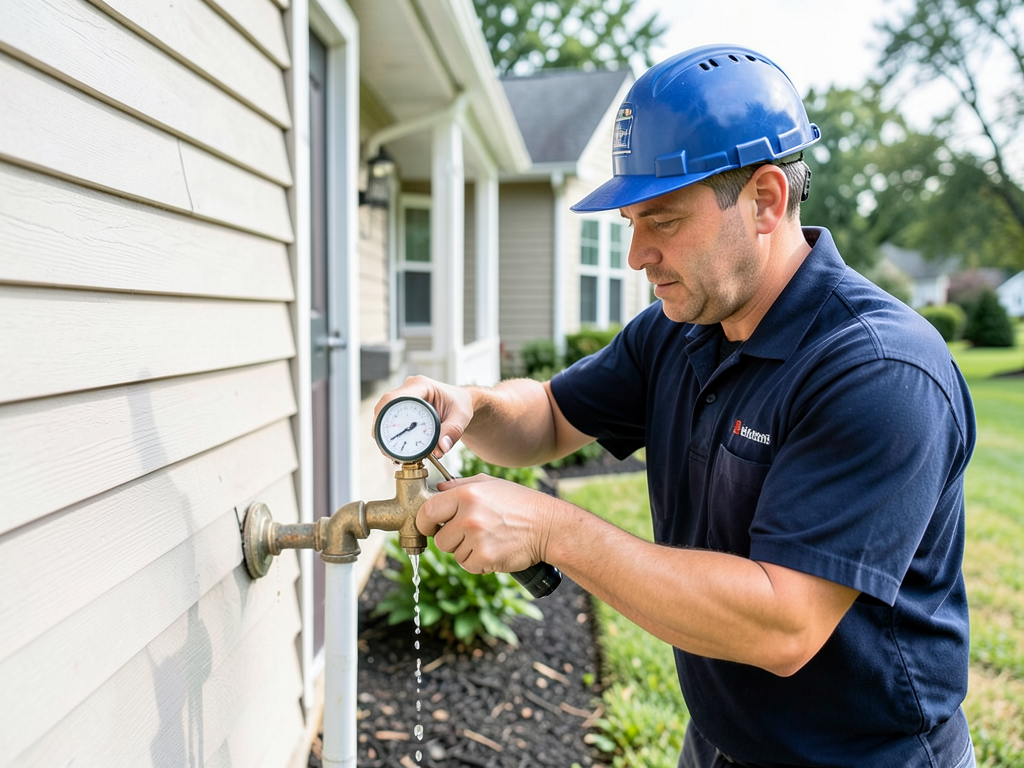
Pressure Gauge Testing
We attach a pressure gauge to an outdoor spigot to measure:
- Static pressure (when no water is running)
- Dynamic pressure (when multiple fixtures operate)
- Pressure drop across the PRV
Ideal residential pressure ranges from 45-65 PSI. Readings below 40 PSI or above 80 PSI indicate problems requiring immediate attention.
Flow Rate Measurement
Using a bucket test, we measure gallons per minute (GPM) at various fixtures. Normal flow rates are:. Read more about Is Your Shaw Neighborhood Home Still Using Lead Water Pipes?.
- Showerheads: 2.0-2.5 GPM
- Sink faucets: 1.5-2.0 GPM
- Outdoor spigots: 5-7 GPM
Flow rates significantly below these benchmarks indicate restriction somewhere in your plumbing system.
DIY Fixes vs. Professional Solutions
Knowing when to tackle a problem yourself versus calling a professional can save time and prevent costly mistakes.
Safe DIY Solutions
These fixes are safe for most homeowners to attempt: Why Kirkwood Homeowners Keep Calling Us for Stubborn Drain Clogs.
- Cleaning faucet aerators and showerhead filters
- Checking and adjusting the PRV (if accessible)
- Ensuring the main shut-off valve is fully open
- Flushing your water heater annually
Always turn off the main water supply before working on any plumbing components.
When to Call a Professional
Contact a licensed plumber if you encounter:
- Pressure below 40 PSI throughout the house
- Sudden pressure drops with no apparent cause
- Water discoloration accompanying pressure loss
- Multiple fixture issues persisting after DIY fixes
- Suspected pipe corrosion or leaks
Professional plumbers have specialized tools to diagnose hidden problems like slab leaks or corroded pipes within walls.. Read more about Comparing Copper Pipes vs PEX for Your Next Plumbing Project in Imperial.
Cost Factors for Professional Repairs
Understanding potential repair costs helps you budget for professional services. While exact prices vary, here are typical ranges for common pressure-related repairs in Fenton:
| Repair Type | Typical Cost Range | Complexity Level |
|---|---|---|
| PRV Replacement | $350 – $600 | Low |
| Aerator Cleaning/Replacement | $50 – $150 | Very Low |
| Water Heater Flush | $100 – $200 | Low |
| Galvanized Pipe Replacement (per linear foot) | $50 – $120 | High |
| Main Line Repair | $1,500 – $5,000 | Very High |
These costs reflect Fenton’s market rates and typical job complexities. Emergency service calls may incur additional fees.
Preventing Future Pressure Problems
Proactive maintenance can prevent many pressure issues before they start. Consider these preventive measures:. Read more about Essential Maintenance Tips for Well Pumps and Pressure Tanks in Pacific.
- Annual water heater flushing to prevent sediment buildup
- Regular PRV testing and adjustment every 2-3 years
- Installing water softeners if hardness exceeds 7 grains per gallon
- Replacing galvanized pipes before they fail completely
- Monitoring pressure with a simple gauge annually
Preventive maintenance typically costs 10-15% of what emergency repairs would cost.
Emergency Situations Requiring Immediate Attention
Some pressure problems signal dangerous conditions requiring immediate professional response:
- Water pressure dropping to near zero suddenly
- Water discoloration with pressure loss
- Unusual noises from pipes (banging, whistling)
- Visible water damage or mold growth
- Sewer odors accompanying pressure issues
These symptoms could indicate pipe bursts, contamination, or system failures that pose health and safety risks.
Local Building Codes and Regulations
Fenton follows St. Louis County plumbing codes, which require specific standards for pressure-related installations:
- PRVs must be installed on all residential service lines exceeding 80 PSI
- Backflow preventers are required on all residential water service lines
- Pipe materials must meet ASTM standards for potable water
- All pressure-related repairs require permits from St. Louis County
Working with a licensed plumber ensures your repairs meet these requirements and pass inspection.
Frequently Asked Questions
Why is my water pressure fine in the morning but low in the evening?
This pattern typically indicates high demand during peak usage times. When neighbors use water simultaneously for showers, laundry, and cooking, municipal pressure drops. If the problem persists throughout the day, it’s likely a home plumbing issue.. Read more about Why Your Bridgeton Shower Stays Cold (And How to Fix the Valve).
Can a water softener fix low water pressure?
Water softeners can help if hard water deposits are clogging pipes and fixtures. However, they won’t fix pressure issues caused by pipe corrosion, faulty PRVs, or municipal supply problems.
How long should a pressure reducing valve last?
In Fenton’s climate, PRVs typically last 7-12 years. Signs of failure include pressure fluctuations, unusual pipe noises, and inconsistent flow between fixtures.
Is low water pressure covered by homeowners insurance?
Standard policies cover sudden, accidental damage but not gradual wear and tear. If low pressure results from a sudden pipe burst, insurance may cover repairs. Gradual corrosion or aging components are typically not covered.
Can I increase water pressure by myself?
You can adjust a PRV if accessible, but increasing pressure beyond 80 PSI risks damaging fixtures and appliances. Professional assessment ensures safe pressure levels and identifies underlying causes.
Don’t Let Low Water Pressure Disrupt Your Daily Life
Low water pressure isn’t just an inconvenience—it’s often a symptom of larger plumbing problems that worsen over time. Whether you’re dealing with a simple clogged aerator or a failing pressure reducing valve, identifying the root cause quickly prevents costly damage and restores your home’s comfort.
If you’ve tried the DIY fixes above without success, it’s time to call in the professionals. Our licensed plumbers have the diagnostic tools and local expertise to identify and resolve pressure problems specific to Fenton homes.
Call (314) 417-7677 today to schedule your water pressure inspection. We’ll diagnose the problem quickly and provide upfront pricing for the recommended solution. Don’t wait until a small pressure problem becomes a major plumbing emergency.
Pick up the phone and call (314) 417-7677 before the next storm hits. Low pressure can indicate hidden leaks or pipe failures that worsen with temperature changes and freeze-thaw cycles common in Fenton’s climate. For more information, visit ASTM standards.
You may also find this helpful. Protecting Your Town and Country Estate With Smart Water Leak Sensors.
You may also find this helpful. Why Your St. Peters Utility Bill Is Suddenly Sky High (And It’s Not the Rate Hike).
{
“@context”: “https://schema.org”,
“@type”: “BlogPosting”,
“headline”: “Diagnosing Low Water Pressure Throughout Your Fenton House”,
“description”: “Experiencing low water pressure in Fenton? Learn to diagnose PRV issues, pipe corrosion, and municipal supply problems with our expert troubleshooting guide.”,
“wordCount”: 1571,
“datePublished”: “2026-03-09T11:52:00.000Z”,
“dateModified”: “2026-03-09T11:52:00.000Z”,
“inLanguage”: “en-US”,
“mainEntityOfPage”: {
“@type”: “WebPage”,
“@id”: “https://peakplumbingstlouis.com”
},
“publisher”: {
“@type”: “LocalBusiness”,
“name”: “Peak Plumbing St. Louis”,
“url”: “https://peakplumbingstlouis.com”
},
“author”: {
“@type”: “Organization”,
“name”: “Peak Plumbing St. Louis”,
“url”: “https://peakplumbingstlouis.com”
},
“image”: {
“@type”: “ImageObject”,
“url”: “https://peakplumbingstlouis.com/wp-content/uploads/2026/03/diagnosing-low-water-pressure-throughout-your-fent-1.png”
}
}
{
“@context”: “https://schema.org”,
“@type”: “Plumber”,
“name”: “Peak Plumbing St. Louis”,
“url”: “https://peakplumbingstlouis.com”,
“address”: {
“@type”: “PostalAddress”,
“addressLocality”: “St. Louis”
},
“areaServed”: {
“@type”: “City”,
“name”: “St. Louis”
}
}
{
“@context”: “https://schema.org”,
“@type”: “FAQPage”,
“mainEntity”: [
{
“@type”: “Question”,
“name”: “Why is my water pressure fine in the morning but low in the evening?”,
“acceptedAnswer”: {
“@type”: “Answer”,
“text”: “This pattern typically indicates high demand during peak usage times. When neighbors use water simultaneously for showers, laundry, and cooking, municipal pressure drops. If the problem persists throughout the day, it’s likely a home plumbing issue.”
}
},
{
“@type”: “Question”,
“name”: “Can a water softener fix low water pressure?”,
“acceptedAnswer”: {
“@type”: “Answer”,
“text”: “Water softeners can help if hard water deposits are clogging pipes and fixtures. However, they won’t fix pressure issues caused by pipe corrosion, faulty PRVs, or municipal supply problems.”
}
},
{
“@type”: “Question”,
“name”: “How long should a pressure reducing valve last?”,
“acceptedAnswer”: {
“@type”: “Answer”,
“text”: “In Fenton’s climate, PRVs typically last 7-12 years. Signs of failure include pressure fluctuations, unusual pipe noises, and inconsistent flow between fixtures.”
}
},
{
“@type”: “Question”,
“name”: “Can I increase water pressure by myself?”,
“acceptedAnswer”: {
“@type”: “Answer”,
“text”: “You can adjust a PRV if accessible, but increasing pressure beyond 80 PSI risks damaging fixtures and appliances. Professional assessment ensures safe pressure levels and identifies underlying causes.”
}
}
]
}
{
“@context”: “https://schema.org”,
“@type”: “HowTo”,
“name”: “Low Water Pressure Troubleshooting”,
“step”: [
{
“@type”: “HowToStep”,
“position”: 1,
“name”: “Check Multiple Fixtures”,
“text”: “Test water flow at several faucets simultaneously. If pressure drops when multiple fixtures run, the issue is likely internal to your home’s plumbing system. Plumbing Florissant.”
},
{
“@type”: “HowToStep”,
“position”: 2,
“name”: “Inspect the Pressure Reducing Valve (PRV)”,
“text”: “Locate your PRV near the main water line entry point. A failing PRV often causes pressure to fluctuate or remain consistently low throughout the house.”
},
{
“@type”: “HowToStep”,
“position”: 3,
“name”: “Examine Your Shut-off Valve”,
“text”: “Ensure your main water shut-off valve is fully open. Partially closed valves restrict flow and create pressure problems.”
},
{
“@type”: “HowToStep”,
“position”: 4,
“name”: “Clean Aerators and Showerheads”,
“text”: “Mineral deposits from Fenton’s water supply can clog these fixtures. Remove and soak them in vinegar to restore flow.”
},
{
“@type”: “HowToStep”,
“position”: 5,
“name”: “Check with Neighbors”,
“text”: “Ask nearby residents on your street if they’re experiencing similar issues. This helps determine if the problem is municipal or home-specific.”
}
],
“image”: “https://peakplumbingstlouis.com/wp-content/uploads/2026/03/diagnosing-low-water-pressure-throughout-your-fent-1.png”
}
{
“@context”: “https://schema.org”,
“@type”: “BreadcrumbList”,
“itemListElement”: [
{
“@type”: “ListItem”,
“position”: 1,
“name”: “Home”,
“item”: “https://peakplumbingstlouis.com”
},
{
“@type”: “ListItem”,
“position”: 2,
“name”: “Blog”,
“item”: “https://peakplumbingstlouis.com/blog”
},
{
“@type”: “ListItem”,
“position”: 3,
“name”: “Diagnosing Low Water Pressure Throughout Your Fenton House”
}
]
}
{
“@context”: “https://schema.org”,
“@type”: “Service”,
“serviceType”: “Plumbing”,
“provider”: {
“@type”: “LocalBusiness”,
“name”: “Peak Plumbing St. Louis”,
“url”: “https://peakplumbingstlouis.com”
},
“areaServed”: {
“@type”: “City”,
“name”: “St. Louis”
},
“description”: “Experiencing low water pressure in Fenton? Learn to diagnose PRV issues, pipe corrosion, and municipal supply problems with our expert troubleshooting guide.”
}