
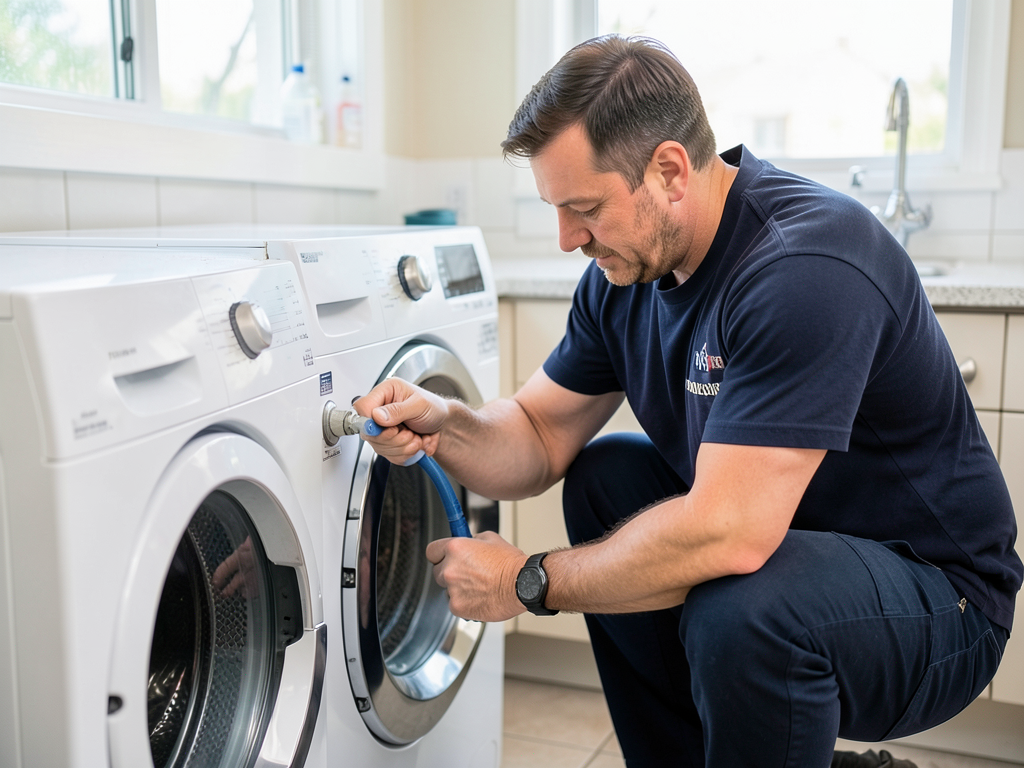
Modernizing Your Shrewsbury Laundry Room With Better Drainage and Safety Valves
Your Shrewsbury laundry room works hard every day but outdated plumbing can turn it into a flood risk. Modernizing with proper drainage systems and automatic shut-off valves protects your home from costly water damage while meeting St. Louis County building codes. Let’s explore how to upgrade your laundry plumbing for safety and efficiency. St. Louis County Plumbing Code.
Common Laundry Room Plumbing Problems in Shrewsbury Homes
Many Shrewsbury homes built before 2000 have laundry plumbing that barely meets today’s standards. You might notice slow draining, gurgling sounds from the standpipe, or musty odors that signal trapped moisture. These symptoms often point to undersized drain lines, missing P-traps, or inadequate venting that St. Louis County now requires for new installations. Professional Gas Line Installation for Your New Outdoor Kitchen in Wildwood.
During our inspections in the 63119 zip code area, we frequently find 1.5-inch drain lines that struggle with modern high-efficiency washers. These machines drain faster than older models, overwhelming undersized pipes. The result is water backing up into the standpipe or overflowing onto your floor. Replacing Old Iron Pipes in Historic Webster Groves Homes.
Golden Nugget: Shrewsbury’s Clay Soil Creates Unique Drainage Challenges
Shrewsbury’s clay-heavy soil composition affects how water moves around your home’s foundation. Clay soil retains moisture and drains slowly, which means any laundry room water leaks or overflows can seep into your foundation before you notice the problem. The water table in Shrewsbury sits approximately 8-12 feet below grade, higher than surrounding areas due to the Meramec River valley geography. How to Get a Same-Day Water Heater Repair in Sunset Hills.
This soil condition makes proper laundry room drainage even more critical. Water that backs up from your washing machine doesn’t just create a mess on your floor – it can saturate the clay soil around your foundation, leading to basement moisture issues or foundation cracks over time. How to Stop Your Ballwin Basement From Flooding During Heavy Spring Rains.
Modern Laundry Room Drainage Solutions
Upgrading your laundry drainage starts with proper pipe sizing. St. Louis County Plumbing Code Section 701.3 requires a minimum 2-inch drain for washing machine standpipes. This larger diameter handles the rapid discharge from today’s washers without backing up.
The standpipe itself must extend 18 to 30 inches above the trap weir, according to International Plumbing Code requirements adopted by St. Louis County. This height prevents siphoning while allowing proper air circulation. Many older Shrewsbury homes have standpipes that are too short or missing entirely. International Plumbing Code.
Installing a proper P-trap is non-negotiable for preventing sewer gases from entering your home. The trap should be vented within 6 feet of the fixture to maintain proper drainage flow. Without adequate venting, you’ll experience the gurgling sounds and slow drainage that plague many older laundry setups.
Golden Nugget: Shrewsbury’s Older Homes Have Unique Plumbing Quirks
Shrewsbury’s housing stock includes many mid-century ranches and split-levels built between 1950 and 1980. These homes often feature laundry rooms in basements or utility closets with plumbing configurations that don’t meet current standards. We frequently discover that these homes lack proper cleanouts, making drain line maintenance difficult.
Many Shrewsbury homes also have laundry rooms located near exterior walls, which can lead to frozen pipes in winter if not properly insulated. The clay soil around these homes retains cold temperatures longer than sandy soils, increasing freeze risk for exterior plumbing runs.
Automatic Shut-Off Valves: Your First Line of Defense
Water damage from washing machine failures costs homeowners thousands in repairs. Automatic shut-off valves detect leaks and immediately cut off water supply, preventing catastrophic flooding. These devices use sensors placed under the washer or along supply lines to monitor for moisture. Why Kirkwood Homeowners Keep Calling Us for Stubborn Drain Clogs.
Modern systems connect to your home’s WiFi and send alerts to your smartphone when they detect a leak. Some models integrate with smart home systems to automatically shut off your main water supply. For Shrewsbury homeowners who travel frequently or own rental properties, this technology provides peace of mind.
Installation requires shutting off your home’s main water supply and mounting the valve assembly to your existing supply lines. The process typically takes 2-3 hours for a professional plumber. While DIY installation is possible, improper setup can lead to false alarms or failure to detect actual leaks.
Utility Sink Integration and Floor Drain Options
Adding a utility sink to your laundry room creates a versatile workspace for pre-treating stains, cleaning tools, or bathing pets. The sink requires its own P-trap and vent connection, typically tied into the existing laundry drain line. St. Louis County code mandates that utility sinks have individual shut-off valves for both hot and cold supply lines.
Floor drains provide an extra layer of protection against flooding. These drains connect to your home’s main sewer line and include a trap primer that maintains the water seal. In Shrewsbury’s clay-heavy soil conditions, floor drains help manage the occasional water overflow from washing machines or utility sinks.
Floor drain installation requires cutting into your concrete slab and connecting to the existing drainage system. This work must comply with St. Louis County’s minimum slope requirements of 1/4 inch per foot to ensure proper drainage flow.
High-Efficiency Washer Drainage Requirements
Today’s high-efficiency washers use significantly less water but drain more rapidly than traditional models. This creates unique challenges for older laundry room plumbing. The rapid discharge can overwhelm undersized drain lines, causing water to back up into the standpipe or overflow onto your floor.
Water hammer arrestors installed on both hot and cold supply lines prevent the banging sounds that occur when washers rapidly shut off water flow. These devices absorb the shock wave created by sudden water pressure changes, protecting your pipes from damage.
Many Shrewsbury homeowners upgrading to high-efficiency washers discover their existing plumbing cannot handle the new machine’s drainage rate. This often requires upgrading from 1.5-inch to 2-inch drain lines and ensuring proper standpipe height and venting.
St. Louis County Plumbing Permit Requirements
Any laundry room plumbing modification requiring new drain lines, supply lines, or fixture installation needs a permit from St. Louis County Department of Public Works. The permit process ensures your work meets current code requirements and will pass inspection.
Permit fees vary based on project scope but typically range from $75 to $200 for residential laundry room work. The inspection process verifies proper trap installation, venting, and backflow prevention measures. Skipping permits can result in fines and complications when selling your home.
Professional plumbers handle permit applications and scheduling inspections as part of their service. This saves you time and ensures compliance with all local requirements.
DIY vs. Professional Installation: When to Call a Plumber
Replacing washing machine supply hoses or cleaning a P-trap are manageable DIY tasks for many homeowners. However, modifying drain lines, installing new fixtures, or upgrading to automatic shut-off valves requires professional expertise.
Professional installation ensures proper code compliance, prevents future leaks, and often includes warranties on both parts and labor. The cost difference between DIY and professional installation is minimal when you factor in the time, tools, and potential for costly mistakes.
Consider professional help if your project involves cutting into walls, modifying existing plumbing, or installing new fixtures. These tasks require specialized tools and knowledge of local building codes.
Cost Factors for Laundry Room Plumbing Upgrades
Several factors influence the cost of modernizing your laundry room plumbing. Basic upgrades like replacing supply lines and installing automatic shut-off valves typically cost $300 to $600. More extensive work involving new drain lines or fixture installation ranges from $800 to $2,500.
Factors affecting cost include the age and condition of existing plumbing, accessibility of pipes, and whether permits are required. Homes in Shrewsbury’s older neighborhoods often need more extensive work due to outdated materials like galvanized steel pipes that corrode from the inside out.
Emergency repairs after a washing machine leak will cost significantly more than planned upgrades. Prevention through modernization is always more cost-effective than crisis management.
Maintenance Tips for Your Modernized Laundry Room
Regular maintenance keeps your upgraded laundry room plumbing functioning properly. Check supply hoses annually for cracks or bulges, especially at connection points. Replace rubber hoses every 5 years with braided stainless steel alternatives that resist bursting.
Clean your washing machine’s drain filter monthly to prevent clogs. Pour water down floor drains periodically to maintain the trap seal. Test your automatic shut-off valve’s sensors by placing a damp cloth near them to ensure they trigger properly.
During Shrewsbury’s humid summers, run your washing machine with the door open between loads to prevent mold growth. Consider a dehumidifier in your laundry room if moisture accumulates on walls or floors.
Frequently Asked Questions
How long does a laundry room plumbing upgrade take?
Most upgrades take 4-8 hours for a professional plumber. Simple tasks like installing automatic shut-off valves take 2-3 hours, while projects involving new drain lines or fixtures may require a full day.. Read more about The Simple Reason Most Lindenwood Park Basements Flood From the Laundry Room.
Can I install an automatic shut-off valve myself?
While DIY installation is possible, professional installation ensures proper sensor placement and system calibration. Incorrect installation can lead to false alarms or failure to detect actual leaks.
What’s the difference between a floor drain and a utility sink?
A floor drain is a passive drainage system that collects water from spills or leaks. A utility sink is an active fixture requiring both supply and drain connections, providing a workspace for various tasks.
Do I need a permit for laundry room plumbing work?
Permits are required for most plumbing modifications in Shrewsbury, including new drain lines, supply lines, or fixture installations. Check with St. Louis County Department of Public Works for specific requirements.
How much does it cost to upgrade laundry room plumbing?
Basic upgrades cost $300 to $600, while extensive renovations range from $800 to $2,500. Factors include project scope, existing plumbing condition, and permit requirements.
Ready to Modernize Your Shrewsbury Laundry Room?
Don’t wait for a washing machine disaster to upgrade your laundry room plumbing. Modern drainage systems and automatic shut-off valves protect your Shrewsbury home from water damage while meeting all St. Louis County code requirements.
Our licensed plumbers have served the 63119 area for years, handling everything from simple valve replacements to complete laundry room plumbing overhauls. We handle permit applications, coordinate inspections, and stand behind our work with comprehensive warranties.
Call (314) 417-7677 today to schedule your laundry room plumbing assessment. Let’s keep your Shrewsbury home safe and dry with modern plumbing solutions that work as hard as you do.
Pick up the phone and call (314) 417-7677 before the next storm hits. Your laundry room deserves protection that lasts.
{
“@context”: “https://schema.org”,
“@type”: “BlogPosting”,
“headline”: “Modernizing Your Shrewsbury Laundry Room With Better Drainage and Safety Valves”,
“description”: “Upgrade your Shrewsbury laundry room with proper drainage, automatic shut-off valves, and code-compliant plumbing to prevent water damage and flooding.”,
“wordCount”: 1783,
“datePublished”: “2026-03-20T14:47:00.000Z”,
“dateModified”: “2026-03-20T14:47:00.000Z”,
“inLanguage”: “en-US”,
“mainEntityOfPage”: {
“@type”: “WebPage”,
“@id”: “https://peakplumbingstlouis.com”
},
“publisher”: {
“@type”: “LocalBusiness”,
“name”: “Peak Plumbing St. Louis”,
“url”: “https://peakplumbingstlouis.com”
},
“author”: {
“@type”: “Organization”,
“name”: “Peak Plumbing St. Louis”,
“url”: “https://peakplumbingstlouis.com”
},
“image”: {
“@type”: “ImageObject”,
“url”: “https://peakplumbingstlouis.com/wp-content/uploads/2026/03/modernizing-your-shrewsbury-laundry-room-with-bett-1.png”
}
}
{
“@context”: “https://schema.org”,
“@type”: “Plumber”,
“name”: “Peak Plumbing St. Louis”,
“url”: “https://peakplumbingstlouis.com”,
“address”: {
“@type”: “PostalAddress”,
“addressLocality”: “St. Louis”
},
“areaServed”: {
“@type”: “City”,
“name”: “St. Louis”
}
}
{
“@context”: “https://schema.org”,
“@type”: “FAQPage”,
“mainEntity”: [
{
“@type”: “Question”,
“name”: “How long does a laundry room plumbing upgrade take?”,
“acceptedAnswer”: {
“@type”: “Answer”,
“text”: “Most upgrades take 4-8 hours for a professional plumber. Simple tasks like installing automatic shut-off valves take 2-3 hours, while projects involving new drain lines or fixtures may require a full day.”
}
},
{
“@type”: “Question”,
“name”: “Can I install an automatic shut-off valve myself?”,
“acceptedAnswer”: {
“@type”: “Answer”,
“text”: “While DIY installation is possible, professional installation ensures proper sensor placement and system calibration. Incorrect installation can lead to false alarms or failure to detect actual leaks.”
}
},
{
“@type”: “Question”,
“name”: “What’s the difference between a floor drain and a utility sink?”,
“acceptedAnswer”: {
“@type”: “Answer”,
“text”: “A floor drain is a passive drainage system that collects water from spills or leaks. A utility sink is an active fixture requiring both supply and drain connections, providing a workspace for various tasks.”
}
},
{
“@type”: “Question”,
“name”: “Do I need a permit for laundry room plumbing work?”,
“acceptedAnswer”: {
“@type”: “Answer”,
“text”: “Permits are required for most plumbing modifications in Shrewsbury, including new drain lines, supply lines, or fixture installations. Check with St. Louis County Department of Public Works for specific requirements.”
}
},
{
“@type”: “Question”,
“name”: “How much does it cost to upgrade laundry room plumbing?”,
“acceptedAnswer”: {
“@type”: “Answer”,
“text”: “Basic upgrades cost $300 to $600, while extensive renovations range from $800 to $2,500. Factors include project scope, existing plumbing condition, and permit requirements.”
}
},
{
“@type”: “Question”,
“name”: “Ready to Modernize Your Shrewsbury Laundry Room?”,
“acceptedAnswer”: {
“@type”: “Answer”,
“text”: “Don’t wait for a washing machine disaster to upgrade your laundry room plumbing. Modern drainage systems and automatic shut-off valves protect your Shrewsbury home from water damage while meeting all St. Louis County code requirements.”
}
}
]
}
{
“@context”: “https://schema.org”,
“@type”: “BreadcrumbList”,
“itemListElement”: [
{
“@type”: “ListItem”,
“position”: 1,
“name”: “Home”,
“item”: “https://peakplumbingstlouis.com”
},
{
“@type”: “ListItem”,
“position”: 2,
“name”: “Blog”,
“item”: “https://peakplumbingstlouis.com/blog”
},
{
“@type”: “ListItem”,
“position”: 3,
“name”: “Modernizing Your Shrewsbury Laundry Room With Better Drainage and Safety Valves”
}
]
}
{
“@context”: “https://schema.org”,
“@type”: “Service”,
“serviceType”: “Plumbing”,
“provider”: {
“@type”: “LocalBusiness”,
“name”: “Peak Plumbing St. Louis”,
“url”: “https://peakplumbingstlouis.com”
},
“areaServed”: {
“@type”: “City”,
“name”: “St. Louis”
},
“description”: “Upgrade your Shrewsbury laundry room with proper drainage, automatic shut-off valves, and code-compliant plumbing to prevent water damage and flooding.”
}