
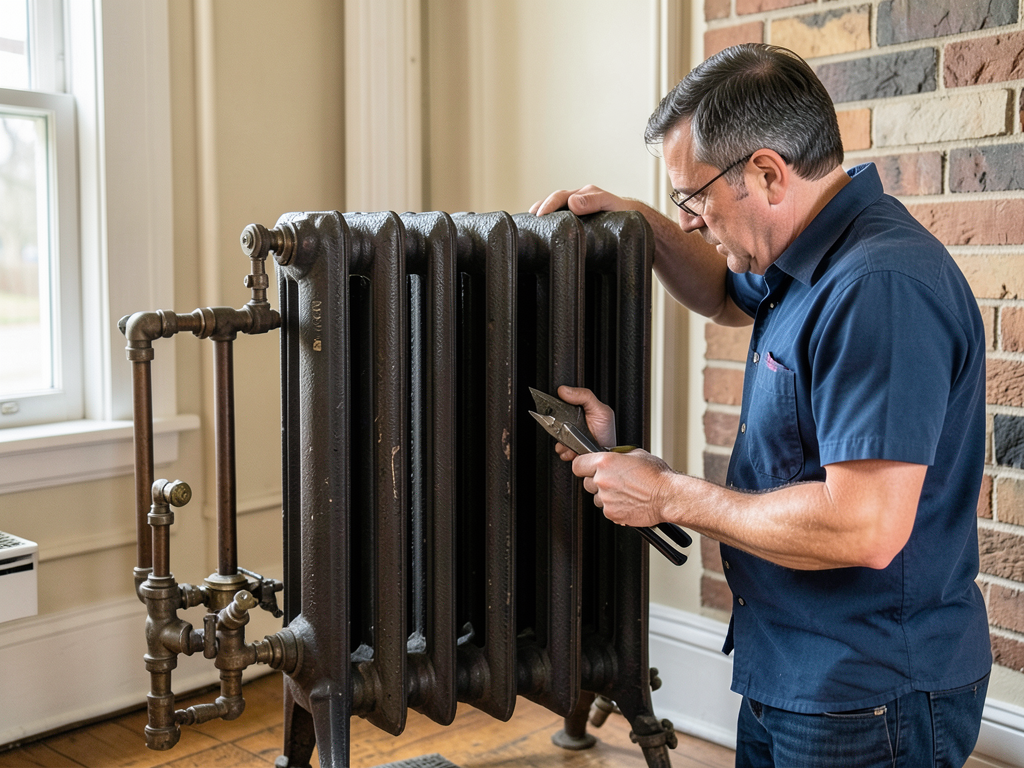
Keeping Your Lafayette Square Boiler Running Efficiently All Winter Long
When winter hits St. Louis, your boiler becomes the heart of your home. In Lafayette Square’s historic Victorian homes, many built before 1920, these systems keep families warm through Missouri’s brutal freeze-thaw cycles. A well-maintained boiler runs efficiently, saves money on energy bills, and prevents dangerous breakdowns when you need heat most.
Steam and hot water boilers in Lafayette Square face unique challenges. The neighborhood’s mix of brick construction, aging radiators, and sometimes neglected maintenance systems means small issues can quickly become major problems. Understanding your system and taking preventive steps now can mean the difference between a cozy winter and emergency repair calls in subzero temperatures. EPA Carbon Monoxide Safety Guidelines.
Understanding Your Lafayette Square Boiler System
Most Lafayette Square homes use either steam or hot water (hydronic) boiler systems. Steam boilers heat water to create steam that rises through pipes to radiators. Hot water boilers circulate heated water through baseboards or radiators. Both systems require different maintenance approaches. Replacing Old Iron Pipes in Historic Webster Groves Homes.
Steam systems often have cast-iron radiators with air vents that release trapped air. Hot water systems typically use circulator pumps and expansion tanks to manage pressure. The key difference affects how you maintain each system and what problems you might encounter. How to Get a Same-Day Water Heater Repair in Sunset Hills.
Historic homes in Lafayette Square commonly feature original radiators, some over 100 years old. These cast-iron units retain heat well but can develop internal corrosion. The pipes connecting them often run through walls and floors, making leaks difficult to detect until significant damage occurs.
Local water quality also impacts boiler performance. St. Louis water contains minerals that can build up in heat exchangers, reducing efficiency by up to 30% over time. The city’s fluctuating temperatures cause pipes to expand and contract, stressing connections and joints.
Essential Annual Boiler Maintenance Checklist
Professional maintenance should happen once yearly, ideally in early fall before cold weather arrives. A thorough inspection takes 2-3 hours and covers multiple system components. Professional Gas Line Installation for Your New Outdoor Kitchen in Wildwood.
- Heat Exchanger Inspection
Technicians examine the heat exchanger for cracks, corrosion, or scale buildup. In Lafayette Square’s older homes, this component often shows wear from decades of use. A damaged heat exchanger can leak carbon monoxide, making this inspection critical for safety.
- Burner Cleaning and Adjustment
Gas burners accumulate dust and debris that reduce efficiency. Technicians clean the burner assembly and adjust gas pressure to manufacturer specifications. Proper combustion prevents soot buildup and ensures complete fuel burning.
- Pressure Relief Valve Testing
This safety device prevents dangerous pressure buildup. Technicians test the valve’s operation and replace it if it fails to open at the correct pressure. A faulty relief valve can cause boiler explosions in extreme cases.
- Circulator Pump Inspection
For hot water systems, the circulator pump moves heated water through the system. Technicians check pump bearings, electrical connections, and flow rates. Unusual noises often indicate failing bearings that need replacement.
- Aquastat Calibration
The aquastat controls water temperature. Technicians verify it maintains proper temperature ranges and replace it if readings drift. Incorrect temperatures waste energy and reduce comfort.
- Low Water Cut-Off Testing
This safety device shuts off the boiler if water levels drop too low. Technicians test the cut-off’s operation and clean the probe. Low water conditions can destroy heat exchangers within minutes.
Beyond professional maintenance, homeowners can perform several tasks to keep systems running smoothly. These simple steps take minutes but prevent costly repairs. Why Kirkwood Homeowners Keep Calling Us for Stubborn Drain Clogs.
DIY Maintenance Tasks for Homeowners
Regular homeowner attention catches problems early. These tasks require no special tools and can be done monthly during heating season.
Check boiler pressure weekly. Most systems operate between 12-30 psi for hot water boilers, or show a water level in the sight glass for steam systems. Low pressure indicates leaks or valve problems. High pressure suggests expansion tank issues.
Listen for unusual noises. Banging sounds often mean trapped air or water hammer. Whistling can indicate scale buildup in pipes. Grinding noises from the circulator pump suggest failing bearings. Each sound points to specific problems.
Monitor radiators for cold spots. Areas that stay cool while others heat properly indicate air trapped in the system or sludge buildup. Steam radiators should all heat evenly when the system functions correctly.
Check for water leaks around the boiler base, near pipe connections, or under radiators. Even small drips waste energy and can cause floor damage. Water stains on ceilings below radiators indicate leaking valve packing.
Test carbon monoxide detectors monthly. Place detectors near bedrooms and on each floor. Replace batteries twice yearly. Carbon monoxide from faulty boilers can be deadly before you notice symptoms.
Steam Boiler Specific Maintenance
Steam boilers require additional attention due to their unique operating characteristics. The sight glass shows water level, and the low water cut-off prevents damage from low water conditions.
Clean the sight glass monthly. Mineral deposits can obscure the water level, making it impossible to monitor proper operation. Use a soft cloth and mild cleaner to keep the glass clear.
Test the low water cut-off by temporarily shutting off the water supply. The boiler should shut down within 30 seconds. If it continues running, the cut-off needs immediate replacement. This test prevents catastrophic damage.
Drain and flush the low water cut-off chamber annually. Sediment accumulation can prevent the float from operating correctly. Follow manufacturer instructions for your specific model.
Check steam vents on radiators. These small devices release air so steam can enter. Blocked vents prevent radiators from heating properly. Clean or replace vents that don’t hiss when heating begins.
Hot Water Boiler Specific Maintenance
Hot water systems use expansion tanks to handle water volume changes as temperature fluctuates. These tanks can fail, causing pressure problems and system damage.
Test expansion tank pressure with a tire gauge. The tank should read 12-15 psi when cold. If pressure reads zero or very high, the tank needs service or replacement.
Check circulator pump operation by feeling the motor housing during operation. It should run warm but not hot. Excessive heat indicates failing bearings or electrical problems.
Inspect pressure relief valve discharge pipe annually. This pipe should point downward and terminate near the floor. Never cap or block this safety device.
Monitor system pressure gauge regularly. Pressure should remain steady during operation. Rising pressure indicates expansion tank problems. Falling pressure suggests leaks.
Energy Efficiency Tips for Missouri Winters
Heating costs in St. Louis can exceed $200 monthly during cold spells. Simple efficiency improvements reduce bills while maintaining comfort.
Install programmable thermostats to lower temperatures when sleeping or away. Each degree reduction for eight hours saves approximately 1% on heating costs. Smart thermostats learn your schedule automatically.
Seal air leaks around windows and doors with weatherstripping or caulk. Cold drafts make boilers work harder, increasing fuel consumption. Lafayette Square’s older windows often need sealing attention.
Add insulation to exposed pipes, especially in basements and crawl spaces. Insulated pipes lose less heat, reducing boiler run time. Focus on pipes within six feet of the boiler. How to Stop Your Ballwin Basement From Flooding During Heavy Spring Rains.
Clean or replace air filters in forced-air systems that work with your boiler. Dirty filters restrict airflow, reducing heating efficiency. Check filters monthly during heavy use.
Consider boiler replacement if your unit is over 20 years old. Modern high-efficiency boilers achieve 90-95% efficiency compared to 60-70% for older models. The investment typically pays for itself within 5-7 years through energy savings.
Common Boiler Problems and Solutions
Understanding common issues helps you respond quickly when problems arise. Some situations require immediate professional attention, while others have simple DIY solutions.
Strange noises often indicate specific problems. Banging or knocking sounds typically mean trapped air or water hammer. This occurs when water flow suddenly stops, creating pressure waves that shake pipes. Install water hammer arrestors to solve this issue.
Whistling or high-pitched sounds suggest scale buildup in heat exchangers or pipes. Mineral deposits from St. Louis water create hot spots that cause steam formation. Professional cleaning removes scale and restores efficiency.
Grinding or squealing noises from the circulator pump indicate failing bearings. These motors run continuously during heating season, so bearing wear is common. Replace failing pumps before they seize completely.
Uneven heating across radiators points to air trapped in the system or sludge buildup. Steam systems require proper venting to function correctly. Hot water systems develop sludge that blocks flow to distant radiators.
Boiler short cycling, where the unit turns on and off frequently, wastes energy and stresses components. This often results from oversized boilers, faulty thermostats, or restricted water flow. Professional diagnosis identifies the specific cause.
Water leaks around the boiler base or pipe connections need immediate attention. Small leaks grow quickly and can cause electrical hazards or structural damage. Turn off the system and call a professional immediately.
Carbon Monoxide Safety
Carbon monoxide from faulty boilers poses serious health risks. This colorless, odorless gas causes headaches, dizziness, and can be fatal at high concentrations.
Install carbon monoxide detectors on every level of your home, especially near bedrooms. Test detectors monthly and replace batteries twice yearly. Detectors typically last 5-7 years before needing replacement.
Watch for warning signs of carbon monoxide problems. Soot around the boiler, rust on flue pipes, or yellow burner flames instead of blue indicate combustion problems. These issues require immediate professional attention.
Never use ovens or gas ranges for heating. These appliances aren’t designed for space heating and can produce dangerous carbon monoxide levels.
If carbon monoxide detectors alarm, evacuate immediately and call emergency services. Don’t re-enter until professionals declare the building safe.
Preparing for Extreme Weather
Missouri’s weather can change rapidly, with temperatures dropping 30-40 degrees in a single day. Preparing your boiler system prevents failures during critical times.
Check weather forecasts regularly during winter months. When extreme cold threatens, verify your boiler operates correctly before temperatures drop. Emergency service calls during storms often face long wait times.
Keep emergency contact information readily available. Store Peak Plumbing’s number (314) 417-7677 in your phone and post it near the boiler. Quick access saves precious time during emergencies.
Consider backup heating options for extended outages. Electric space heaters can maintain minimum temperatures, preventing frozen pipes. Never use outdoor heating equipment indoors due to carbon monoxide risks.
Know how to shut off your boiler’s power and gas supply. Locate the emergency switch and gas valve. In case of leaks or fires, quick shutdown can prevent major damage.
Local Utility Rebates and Incentives
Ameren Missouri and Spire offer rebates for energy-efficient boiler upgrades. These programs change annually, but high-efficiency equipment often qualifies for significant incentives. Ameren Missouri Energy Efficiency Rebates.
High-efficiency boilers with 90% or higher AFUE ratings may qualify for rebates up to $500. These units use less fuel and produce fewer emissions than standard models.
Programmable thermostats often qualify for additional rebates when installed with new equipment. These devices optimize heating schedules, reducing energy consumption without sacrificing comfort.
Check utility websites or consult with Peak Plumbing about current rebate programs. Some incentives require specific equipment models or installation by certified contractors.
Professional vs. DIY Maintenance
Understanding which tasks require professional expertise prevents dangerous situations and protects your warranty. Some maintenance tasks are safe for homeowners, while others need licensed technicians.
Safe DIY tasks include checking pressure, bleeding radiators, changing air filters, and monitoring system operation. These activities help you understand your system and catch problems early.
Professional tasks include heat exchanger inspection, gas pressure adjustment, electrical testing, and combustion analysis. These require specialized tools and knowledge to perform safely.
Never attempt gas line repairs, electrical modifications, or combustion chamber cleaning without proper training. These tasks pose serious safety hazards and may violate local codes.
Professional maintenance often includes warranty validation. Many manufacturers require annual professional service to maintain warranty coverage. Skipping professional maintenance can void warranties.
Frequently Asked Questions
How often should I have my boiler professionally serviced?
Annual professional maintenance is recommended for all boiler systems. Early fall, before heating season begins, is the ideal time for service. This timing allows technicians to identify and fix problems before you need heat.
What’s the average lifespan of a boiler in Lafayette Square?
Well-maintained boilers typically last 15-25 years. Older units in historic homes may reach 30 years with proper care. However, efficiency drops significantly after 15 years, making replacement cost-effective despite remaining functional life.
Why are some radiators hotter than others?
Uneven heating usually indicates air trapped in the system or sludge buildup. Steam systems need proper venting for even distribution. Hot water systems develop sludge that blocks flow to distant radiators. Professional cleaning or venting typically solves this issue.
How can I tell if my boiler is energy efficient?
Check the AFUE (Annual Fuel Utilization Efficiency) rating on your boiler’s nameplate. Older units typically achieve 60-70% efficiency, while modern high-efficiency models reach 90-95%. If your unit is over 15 years old, replacement likely provides significant energy savings.
What should I do if I smell gas near my boiler?
Evacuate immediately and call Spire’s emergency line from outside your home. Do not operate any electrical switches or create sparks. Gas leaks pose explosion risks and require immediate professional attention.
Call to Action
Don’t wait for winter emergencies. Call Peak Plumbing today at (314) 417-7677 to schedule your annual boiler maintenance. Our licensed technicians understand Lafayette Square’s unique heating systems and can keep your home warm all winter long. Pick up the phone and call (314) 417-7677 before the next cold snap hits.
{
“@context”: “https://schema.org”,
“@type”: “BlogPosting”,
“headline”: “Keeping Your Lafayette Square Boiler Running Efficiently All Winter Long”,
“description”: “Protect your historic Lafayette Square home this winter. Learn expert boiler maintenance tips for St. Louis Victorian radiators, steam systems, and energy efficiency.”,
“wordCount”: 2272,
“datePublished”: “2026-03-19T13:33:00.000Z”,
“dateModified”: “2026-03-19T13:33:00.000Z”,
“inLanguage”: “en-US”,
“mainEntityOfPage”: {
“@type”: “WebPage”,
“@id”: “https://peakplumbingstlouis.com”
},
“publisher”: {
“@type”: “LocalBusiness”,
“name”: “Peak Plumbing St. Louis”,
“url”: “https://peakplumbingstlouis.com”
},
“author”: {
“@type”: “Organization”,
“name”: “Peak Plumbing St. Louis”,
“url”: “https://peakplumbingstlouis.com”
},
“image”: {
“@type”: “ImageObject”,
“url”: “https://peakplumbingstlouis.com/wp-content/uploads/2026/03/keeping-your-lafayette-square-boiler-running-effic-1.png”
}
}
{
“@context”: “https://schema.org”,
“@type”: “Plumber”,
“name”: “Peak Plumbing St. Louis”,
“url”: “https://peakplumbingstlouis.com”,
“address”: {
“@type”: “PostalAddress”,
“addressLocality”: “St. Louis”
},
“areaServed”: {
“@type”: “City”,
“name”: “St. Louis”
}
}
{
“@context”: “https://schema.org”,
“@type”: “FAQPage”,
“mainEntity”: [
{
“@type”: “Question”,
“name”: “How often should I have my boiler professionally serviced?”,
“acceptedAnswer”: {
“@type”: “Answer”,
“text”: “Annual professional maintenance is recommended for all boiler systems. Early fall, before heating season begins, is the ideal time for service. This timing allows technicians to identify and fix problems before you need heat.”
}
},
{
“@type”: “Question”,
“name”: “What’s the average lifespan of a boiler in Lafayette Square?”,
“acceptedAnswer”: {
“@type”: “Answer”,
“text”: “Well-maintained boilers typically last 15-25 years. Older units in historic homes may reach 30 years with proper care. However, efficiency drops significantly after 15 years, making replacement cost-effective despite remaining functional life.”
}
},
{
“@type”: “Question”,
“name”: “Why are some radiators hotter than others?”,
“acceptedAnswer”: {
“@type”: “Answer”,
“text”: “Uneven heating usually indicates air trapped in the system or sludge buildup. Steam systems need proper venting for even distribution. Hot water systems develop sludge that blocks flow to distant radiators. Professional cleaning or venting typically solves this issue.”
}
},
{
“@type”: “Question”,
“name”: “How can I tell if my boiler is energy efficient?”,
“acceptedAnswer”: {
“@type”: “Answer”,
“text”: “Check the AFUE (Annual Fuel Utilization Efficiency) rating on your boiler’s nameplate. Older units typically achieve 60-70% efficiency, while modern high-efficiency models reach 90-95%. If your unit is over 15 years old, replacement likely provides significant energy savings.”
}
},
{
“@type”: “Question”,
“name”: “What should I do if I smell gas near my boiler?”,
“acceptedAnswer”: {
“@type”: “Answer”,
“text”: “Evacuate immediately and call Spire’s emergency line from outside your home. Do not operate any electrical switches or create sparks. Gas leaks pose explosion risks and require immediate professional attention.”
}
}
]
}
{
“@context”: “https://schema.org”,
“@type”: “HowTo”,
“name”: “Annual Boiler Maintenance”,
“step”: [
{
“@type”: “HowToStep”,
“position”: 1,
“name”: “Heat Exchanger Inspection”,
“text”: “Technicians examine the heat exchanger for cracks, corrosion, or scale buildup. In Lafayette Square’s older homes, this component often shows wear from decades of use. A damaged heat exchanger can leak carbon monoxide, making this inspection critical for safety.”
},
{
“@type”: “HowToStep”,
“position”: 2,
“name”: “Burner Cleaning and Adjustment”,
“text”: “Gas burners accumulate dust and debris that reduce efficiency. Technicians clean the burner assembly and adjust gas pressure to manufacturer specifications. Proper combustion prevents soot buildup and ensures complete fuel burning.”
},
{
“@type”: “HowToStep”,
“position”: 3,
“name”: “Pressure Relief Valve Testing”,
“text”: “This safety device prevents dangerous pressure buildup. Technicians test the valve’s operation and replace it if it fails to open at the correct pressure. A faulty relief valve can cause boiler explosions in extreme cases.”
},
{
“@type”: “HowToStep”,
“position”: 4,
“name”: “Circulator Pump Inspection”,
“text”: “For hot water systems, the circulator pump moves heated water through the system. Technicians check pump bearings, electrical connections, and flow rates. Unusual noises often indicate failing bearings that need replacement.”
},
{
“@type”: “HowToStep”,
“position”: 5,
“name”: “Aquastat Calibration”,
“text”: “The aquastat controls water temperature. Technicians verify it maintains proper temperature ranges and replace it if readings drift. Incorrect temperatures waste energy and reduce comfort.”
},
{
“@type”: “HowToStep”,
“position”: 6,
“name”: “Low Water Cut-Off Testing”,
“text”: “This safety device shuts off the boiler if water levels drop too low. Technicians test the cut-off’s operation and clean the probe. Low water conditions can destroy heat exchangers within minutes.”
}
],
“image”: “https://peakplumbingstlouis.com/wp-content/uploads/2026/03/keeping-your-lafayette-square-boiler-running-effic-1.png”
}
{
“@context”: “https://schema.org”,
“@type”: “BreadcrumbList”,
“itemListElement”: [
{
“@type”: “ListItem”,
“position”: 1,
“name”: “Home”,
“item”: “https://peakplumbingstlouis.com”
},
{
“@type”: “ListItem”,
“position”: 2,
“name”: “Blog”,
“item”: “https://peakplumbingstlouis.com/blog”
},
{
“@type”: “ListItem”,
“position”: 3,
“name”: “Keeping Your Lafayette Square Boiler Running Efficiently All Winter Long”
}
]
}
{
“@context”: “https://schema.org”,
“@type”: “Service”,
“serviceType”: “Plumbing”,
“provider”: {
“@type”: “LocalBusiness”,
“name”: “Peak Plumbing St. Louis”,
“url”: “https://peakplumbingstlouis.com”
},
“areaServed”: {
“@type”: “City”,
“name”: “St. Louis”
},
“description”: “Protect your historic Lafayette Square home this winter. Learn expert boiler maintenance tips for St. Louis Victorian radiators, steam systems, and energy efficiency.”
}