
Why a Backwater Valve is the Best Way to Prevent Sewage Backup in St. Ann
Heavy rains overwhelm St. Ann’s aging sewer lines and send sewage backing up through floor drains and toilets. A backwater valve stops this instantly by closing when water flows the wrong way. This guide explains how they work, MSD requirements, and why St. Ann homeowners need them now. Why Kirkwood Homeowners Keep Calling Us for Stubborn Drain Clogs.
How Sewage Backups Destroy St. Ann Homes
St. Ann sits in a low-lying area where stormwater and sewage share the same pipes. When heavy rains hit, the system backs up fast. Water pressure forces sewage through floor drains, basement toilets, and even sinks. The damage is instant: ruined flooring, destroyed drywall, and toxic contamination that requires professional cleanup. How to Stop Your Ballwin Basement From Flooding During Heavy Spring Rains.
Clay soil in St. Ann compounds the problem. It drains slowly and holds water near foundations. When the ground saturates, the sewer system has nowhere to release pressure. That pressure finds the path of least resistance—your basement. How to Get a Same-Day Water Heater Repair in Sunset Hills.
What Makes a Backwater Valve Different From Other Flood Protection
A sump pump removes water after it enters. A backflow preventer stops contaminated water from entering your drinking supply. A backwater valve does one specific job: it blocks sewage from flowing backward into your home.
The valve installs in your main sewer line where it exits the basement. Inside, a one-way flap stays open during normal use. When sewage tries to reverse direction, water pressure pushes the flap closed. Nothing gets past.
Unlike check valves that can stick or fail silently, backwater valves use heavy-duty materials designed for constant exposure to raw sewage. The mechanism is simple, reliable, and requires minimal maintenance.
MSD Requirements and Rebate Programs for St. Ann
The Metropolitan Sewer District offers financial assistance for backwater valve installation through their Sewer Backup Prevention Program. Homeowners in flood-prone areas may qualify for up to 50% reimbursement of installation costs.
MSD requires permits for all backwater valve installations. The permit ensures proper placement and compliance with St. Louis County plumbing codes. Without permits, you risk fines and insurance complications if damage occurs. Professional Gas Line Installation for Your New Outdoor Kitchen in Wildwood.
St. Ann properties built before 1980 are most likely to need valves. Older clay sewer pipes crack and separate over time. When groundwater pressure builds, these weak points fail first. EPA NPDES regulations.
Mainline vs. Branch Line Valves: Which Do You Need
Mainline valves install where the sewer exits your foundation. They protect your entire basement but require cutting concrete and accessing the main line. Installation costs more but provides complete protection.
Branch line valves protect individual fixtures like basement bathrooms or laundry rooms. They cost less and install with minimal excavation. However, they leave other basement drains vulnerable.
Most St. Ann homes need mainline protection. The combined sewer system affects every drain in your basement simultaneously. Protecting just one area leaves the rest exposed.
Our Installation Process in St. Ann
We start with a camera inspection of your sewer line. This shows us the pipe material, condition, and exact exit point. Clay pipes often have offset joints that need repair before valve installation. Replacing Old Iron Pipes in Historic Webster Groves Homes.
Next, we locate utilities and mark excavation areas. St. Ann’s older neighborhoods have multiple utility lines running through front yards. We use ground-penetrating radar to avoid damage.
Concrete cutting follows. Basement floors in St. Ann homes average 4-6 inches thick. We cut clean openings to minimize dust and structural impact.
The valve installs with proper bedding material to prevent settling. We test the seal and operation before backfilling. Final steps include concrete replacement and site cleanup.
Cost Factors Specific to St. Ann Properties
Installation costs vary based on basement depth and flooring material. Homes with finished basements require more careful work to protect existing finishes.
Clay sewer pipes need replacement around valve installations. This adds $800-$1,200 to most projects but prevents future failures.
Permit fees in St. Louis County average $150-$250. MSD inspections add another $100-$150 if you participate in their rebate program.
Emergency installations during rainy seasons cost more due to higher demand. Planning ahead saves 15-20% on installation costs.
Maintenance Requirements for St. Louis Homeowners
Backwater valves need annual inspections to ensure proper operation. Debris buildup prevents the flap from sealing completely. We recommend checking valves before spring rainy season.
Cleaning involves removing the access cap and clearing any sediment. Most valves have a clear inspection window so you can verify operation without disassembly.
The O-ring seal wears over time. Replacement costs $50-$75 and prevents leaks around the valve body.
St. Ann’s high clay content means more frequent cleaning may be necessary. Homes near natural drainage areas see faster sediment accumulation.
Why St. Ann Properties Face Higher Risk
St. Ann developed during the post-war boom when combined sewers were standard. These systems handle both stormwater and sewage in the same pipes. When rain overwhelms the system, sewage has nowhere to go but back up.
The city’s flat topography prevents natural drainage. Water pools in streets and yards, increasing pressure on underground systems. Older neighborhoods with narrow lots have less space for water to dissipate.
Many St. Ann homes sit below street level. This creates a natural low point where sewage accumulates during backups. Without protection, these homes flood first and worst.
Comparing Protection Methods
| Protection Method | Initial Cost | Maintenance | Coverage Area | Best For |
|---|---|---|---|---|
| Backwater Valve | $2,500-$4,500 | Annual inspection | Entire basement | Complete protection |
| Sump Pump | $1,200-$2,500 | Quarterly checks | Localized area | Groundwater only |
| Check Valve | $800-$1,500 | Bi-annual cleaning | Single fixture | Limited protection |
| Drain Plug | $50-$150 | Manual operation | One drain | Temporary solution |
Real St. Ann Installation Examples
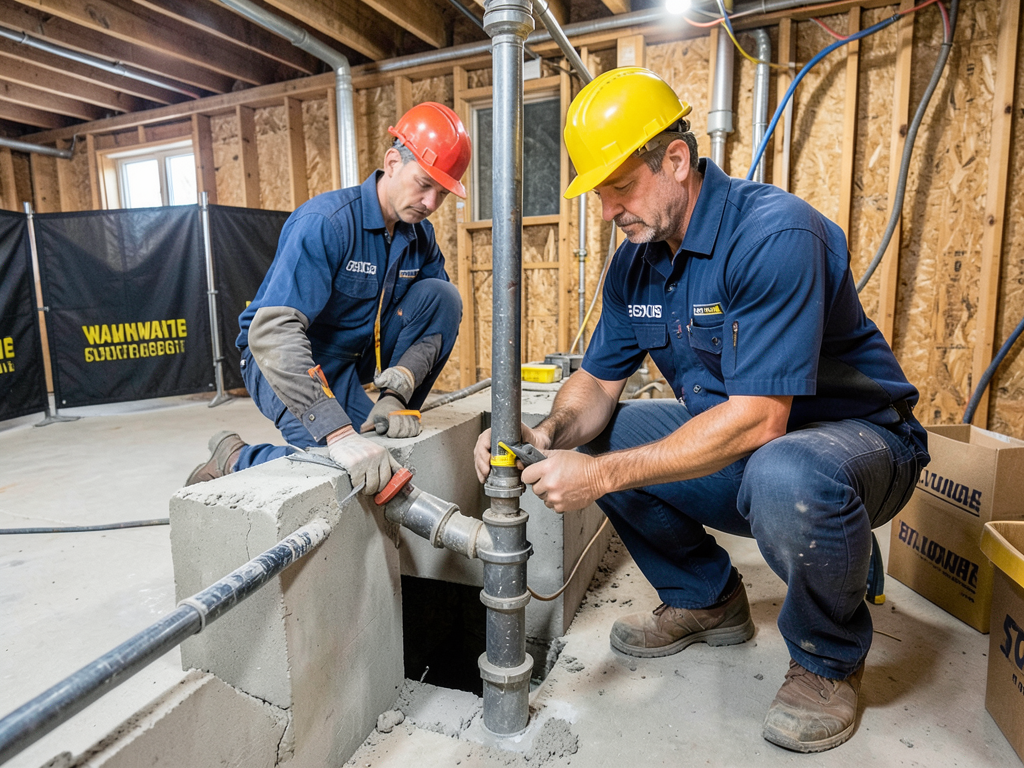
A 1965 ranch in the St. Ann Hills area needed mainline protection. Clay pipes had separated at multiple joints. We replaced 15 feet of pipe and installed a Zurn valve. The homeowner qualified for MSD’s 50% rebate.
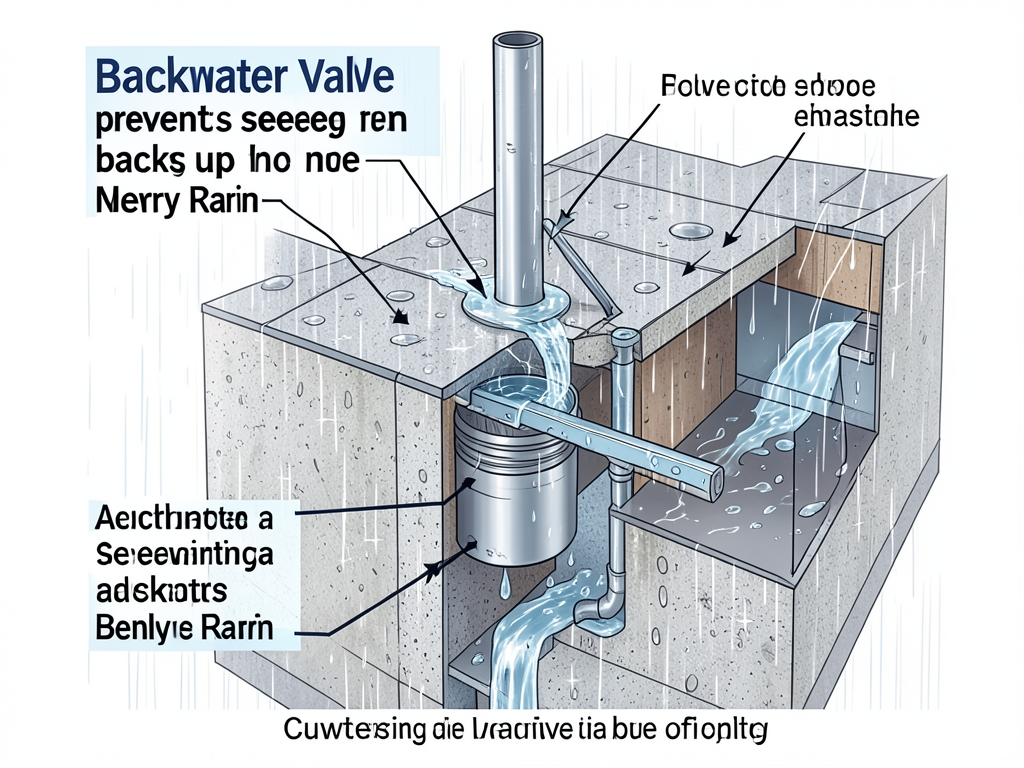
A split-level home near St. Charles Rock Road had recurring basement floods. Branch line valves protected the bathroom and laundry, but the main floor drain remained vulnerable. We recommended mainline installation for complete coverage.
A finished basement in the Northwest Park area required dust containment during installation. We used plastic barriers and HEPA filtration to protect expensive flooring and built-ins. The valve installed in one day with minimal disruption.
Insurance and Property Value Impact
Most standard homeowners policies exclude sewage backup damage. Adding this coverage costs $50-$100 annually but only pays if you can prove preventive measures were in place.
Backwater valves provide that proof. Insurance companies view them as risk reduction, often leading to premium discounts of 5-10%.
Property values increase when homes have documented flood protection. Buyers in St. Ann’s flood-prone areas pay premiums for homes with installed valves.
Emergency Response and Service Availability
We maintain emergency crews in St. Ann for immediate response. Most installations complete within 24-48 hours of approval. During heavy rains, response times extend to 72 hours due to demand.
Emergency service includes temporary pump-out if sewage has already entered. We coordinate with restoration companies to begin cleanup while permanent protection installs.
24/7 availability means we answer calls any time sewage backs up. Waiting until morning often means more damage and higher restoration costs.
Frequently Asked Questions
How long does installation take?
Most mainline installations complete in one day. Branch line installations take 2-4 hours. Emergency services may require additional time for site preparation.
Will the valve affect my plumbing use?
No. The valve opens automatically when you use sinks, toilets, or appliances. You’ll never notice it’s there during normal operation.
What if the valve fails?
Quality valves include manual override for emergencies. We warranty all installations for five years and provide maintenance plans for long-term reliability.
Can I install it myself?
DIY installation violates plumbing codes and voids insurance coverage. Improper installation creates more problems than it solves. Professional installation ensures proper function and code compliance.
How do I know if I need one?
If your basement has ever flooded during heavy rains, you need protection. Homes built before 1980 in St. Ann almost certainly require valves due to aging infrastructure.
Take Action Before the Next Storm
St. Ann’s rainy season starts in March. Every week you wait increases your risk of catastrophic basement flooding. MSD rebates won’t last forever, and emergency installation costs spike when storms hit.
Call (314) 417-7677 today to schedule your inspection. We’ll camera your sewer line, explain your options, and provide a written quote. Most homeowners qualify for rebates that cut installation costs in half.
Pick up the phone and call (314) 417-7677 before the next storm hits. One call prevents thousands in damage and protects your home for years to come.
Don’t wait for sewage to back up through your floor. Call (314) 417-7677 now for your St. Ann backwater valve installation.