
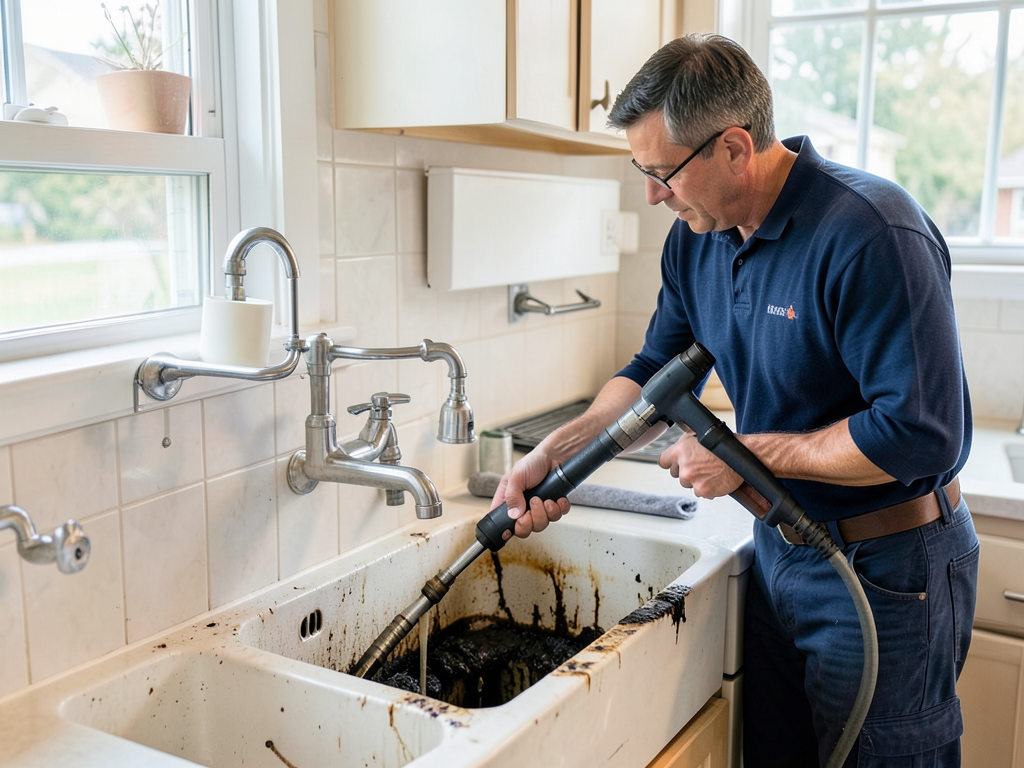
Why Pouring Grease Down Your Kitchen Sink is Damaging Your Plumbing in The Grove
Stop pouring grease down your kitchen sink right now. This simple habit is destroying your home’s plumbing and causing major problems for your neighbors in The Grove. Every year St. Louis homeowners face expensive repairs because they believe hot water will wash grease away. It does not. The grease cools in your pipes and creates stubborn clogs that require professional removal. EPA guidelines.
The Grove is an older neighborhood with aging plumbing systems. Many homes were built before modern plumbing codes existed. These pipes are already vulnerable to corrosion and buildup. When you add grease to the mix you are asking for trouble. The fats oils and grease from your cooking create what plumbers call FOG deposits. These deposits stick to pipe walls and trap food particles. Over time they block your drains completely. Replacing Old Iron Pipes in Historic Webster Groves Homes.
St. Louis winters make the problem worse. When temperatures drop underground pipes cool faster. Liquid grease turns solid sooner than you expect. Once grease hardens in your pipes it is nearly impossible to remove with store-bought drain cleaners. You need professional equipment to clear these blockages safely. Professional Gas Line Installation for Your New Outdoor Kitchen in Wildwood.
Call (314) 417-7677 today if you suspect grease buildup in your pipes. We offer emergency drain cleaning services throughout The Grove and surrounding St. Louis neighborhoods.
How Grease Actually Damages Your Pipes
Many people think grease is liquid so it flows away easily. This is wrong. When hot grease hits your cool drain pipes it begins to solidify immediately. The process is similar to how candle wax hardens when it cools. Your kitchen sink drain connects to a P-trap which is always filled with water. This water cools the grease even faster. How to Get a Same-Day Water Heater Repair in Sunset Hills.
Once grease cools it sticks to pipe walls like glue. Each time you pour more grease down the drain you add another layer. After months or years these layers create a thick coating inside your pipes. This coating narrows the pipe diameter. Water cannot flow through properly anymore.
The real danger comes from what happens next. Trapped grease catches food particles hair and other debris. These materials build up until your drain stops working completely. At this point you have a major clog that requires professional removal.
St. Louis Metropolitan Sewer District reports that FOG causes over 40 percent of sewer blockages in the city. These blockages cost millions in repairs each year. When your home’s pipes connect to the main sewer line your grease problem becomes everyone’s problem.. Read more about Pipe Bursting vs CIPP Lining for Sewer Repairs in Your Ballwin Neighborhood.
According to MSD guidelines homeowners are responsible for maintaining pipes from their homes to the main sewer line. This means you pay for repairs if your grease clogs damage city infrastructure. Why Kirkwood Homeowners Keep Calling Us for Stubborn Drain Clogs.
Why The Grove Homes Are Especially Vulnerable
The Grove contains many homes built in the early 1900s. These houses often have cast iron or clay sewer pipes. Both materials are susceptible to grease damage in different ways.
Cast iron pipes develop rough interior surfaces over time. This roughness catches grease particles easily. The grease then builds up faster than in smooth PVC pipes. Clay pipes have joints every few feet. Grease collects in these joints and creates weak points in your sewer line.
Many Grove homes sit on clay soil which shifts with moisture changes. This shifting puts pressure on underground pipes. When pipes move slightly they create gaps where grease can collect. The combination of old pipes shifting soil and grease deposits creates a perfect storm for plumbing failures. Plumbing Florissant.
Local building codes require proper grease trap installation for restaurants but not for homes. This means residential homeowners must manage grease disposal themselves. Many people do not realize how serious this responsibility is until they face a $5000 repair bill.
Call (314) 417-7677 for a professional pipe inspection if your home is over 50 years old. We can identify grease buildup before it causes major damage.
What Actually Happens When You Pour Grease Down the Drain
Understanding the science helps you break the habit. When you pour hot grease down your sink it enters pipes at temperatures around 150 degrees Fahrenheit. Your home’s drain pipes are typically 50 to 70 degrees. This 80-degree temperature difference causes immediate cooling.
As grease cools it undergoes a chemical change. Liquid oils become solid fats through a process called saponification. This happens within seconds of contact with cooler pipe surfaces. The grease molecules bond together and form a waxy substance.
Water cannot dissolve this waxy substance. Hot water only moves it further down the line where it cools again and sticks to new pipe sections. This creates a traveling clog that moves deeper into your plumbing system over time.
Enzyme-based drain cleaners claim to break down grease but they work slowly. You would need to treat your pipes continuously for weeks to see results. By then the damage is often done.
Professional plumbers use hydro-jetting to remove grease clogs. This process uses high-pressure water at 3000 to 4000 PSI to blast grease off pipe walls. The equipment costs thousands of dollars which is why DIY solutions rarely work.
According to the EPA fats oils and grease should never enter any drainage system. The agency recommends scraping grease into trash containers instead.
Proper Grease Disposal Methods That Actually Work
The cool can and bin method is the safest way to dispose of kitchen grease. Let hot grease cool slightly until it is safe to handle. Pour it into a metal can or glass jar. Once the grease solidifies throw the entire container in your trash.
For liquid oils use the same method but with plastic containers. Never pour hot oil into plastic as it can melt the container and create a dangerous spill. Wait until oils cool to room temperature before transferring them.
Small amounts of grease can be wiped from pans with paper towels before washing. This prevents most grease from entering your drain system. Keep a roll of paper towels near your sink for this purpose.
Some St. Louis communities offer cooking oil recycling programs. Check with your local waste management department about drop-off locations. Recycled oil can be converted to biodiesel fuel.
Never put coffee grounds eggshells or fibrous vegetables down your drain. These materials combine with grease to create the worst possible clogs. They act like a net catching grease particles and holding them in place.
Install a sink strainer to catch food particles before they enter your drain. Empty the strainer into your trash can after each use. This simple step prevents countless plumbing problems.
Call (314) 417-7677 if you need help installing a proper grease trap or sink strainer system.
Common Myths About Grease and Drains
Myth number one is that hot water dissolves grease. This is completely false. Hot water only moves grease further down your pipes where it cools and solidifies again. You are not solving the problem you are just relocating it.
Myth number two is that dish soap breaks down grease. Dish soap helps grease mix with water temporarily but it does not dissolve the grease molecules. Once the soapy water cools the grease separates and sticks to pipe walls again.
Myth number three is that garbage disposals can handle grease. Disposals chop food into smaller pieces but they cannot process grease. Small grease particles still stick to pipes and create buildup. A disposal might make your drain smell better temporarily but it does not prevent grease damage.. Read more about Choosing a Septic-Safe Garbage Disposal for Your New Eureka Build.
Myth number four is that occasional grease dumping is harmless. Even one instance of pouring grease down your drain can start the buildup process. The damage accumulates over time so there is no safe amount of grease to pour down any drain.
Myth number five is that commercial drain cleaners solve grease problems. Most drain cleaners use harsh chemicals that can damage your pipes. They might create a temporary opening in a grease clog but they rarely remove all the buildup. The clog often returns worse than before.
According to plumbing industry standards chemical drain cleaners should never be used on completely blocked drains. The chemicals can back up into your sink and cause chemical burns or respiratory problems.
Signs Your Kitchen Sink Has Grease Buildup
Slow draining is the first sign of grease problems. Water pools in your sink and takes several minutes to drain completely. This happens because grease buildup narrows your pipe diameter. Less space means slower water flow.
Gurgling sounds from your drain indicate trapped air. Grease buildup creates uneven surfaces inside pipes. Water must flow around these surfaces creating bubbles and gurgling noises. These sounds often happen when you flush a toilet or run your washing machine.
Foul odors from your kitchen sink usually mean decomposing food caught in grease deposits. The trapped food rots and produces sulfur compounds that smell like rotten eggs. These odors get worse when you run water or use your garbage disposal.. Read more about Choosing the Right Garbage Disposal for Your Historic Lafayette Square Kitchen.
Water backing up into other drains is a serious warning sign. This happens when a main sewer line is partially blocked. Grease buildup in your kitchen sink can affect bathroom drains and vice versa. If you see water coming up from your bathtub drain when you use your kitchen sink you have a major clog.
Multiple clogged fixtures indicate the problem is beyond your kitchen sink. When several drains clog at once the issue is likely in your main sewer line. This requires immediate professional attention.
According to the National Association of Home Builders plumbing problems are among the top five most expensive home repairs. Catching grease buildup early can save you thousands of dollars.
If you notice any of these signs call (314) 417-7677 for a professional drain inspection. We use video camera technology to see inside your pipes and identify problems before they become emergencies.
What to Do If You Already Poured Grease Down the Drain
Act quickly if you realize you have poured grease down your drain. Immediately boil a large pot of water. Carefully pour the boiling water down the drain in three stages. Wait a few minutes between each pour to let the heat work on the grease.
Follow the boiling water with half a cup of dish soap. The soap helps break up any remaining grease while the hot water keeps it liquid. Let this mixture sit for 30 minutes then flush with more hot tap water.
Never use cold water after pouring grease down your drain. Cold water solidifies the grease and makes the problem worse. Always use the hottest water available from your tap.
For stubborn grease you can try a mixture of baking soda and vinegar. Pour half a cup of baking soda down the drain followed by half a cup of white vinegar. Cover the drain and let it fizz for 15 minutes. Flush with boiling water.
These methods work best immediately after pouring grease down the drain. They are less effective on established grease buildup. If your drain is already slow or gurgling these DIY methods probably will not solve the problem.
Enzyme drain cleaners can help maintain clean pipes but they work slowly. These products contain bacteria that eat organic matter including grease. They need to be used regularly for weeks to see results.
According to plumbing professionals the most effective way to remove established grease buildup is hydro-jetting. This professional service uses high-pressure water to blast grease off pipe walls. It is the only method that guarantees complete removal of grease deposits.
Call (314) 417-7677 if DIY methods do not solve your grease problem within 24 hours. Waiting only makes the clog worse and more expensive to remove.
The Cost of Ignoring Grease Buildup
Small grease clogs cost between $150 and $300 to remove. These are simple drain cleaning jobs that take less than an hour. The price increases significantly if the clog is deep in your plumbing system.
Main sewer line clogs cost $500 to $1500 to clear. These jobs require specialized equipment and may involve digging up your yard if the clog is severe. The price can exceed $3000 if pipe replacement is necessary.
Emergency plumbing services cost 50 to 100 percent more than scheduled appointments. If your drain backs up on a weekend or holiday you will pay premium rates. Most emergency calls for grease clogs happen during holidays when people cook large meals.
Water damage from overflowing sinks can cost thousands to repair. If grease clogs cause your sink to overflow you may need to replace cabinets flooring and drywall. Mold growth from water damage adds even more to your repair bill.
Insurance often does not cover plumbing damage from neglect. If an insurance adjuster determines your grease clog resulted from improper maintenance you will pay the entire repair bill yourself.
According to home improvement data the average homeowner spends $2000 per year on preventable plumbing repairs. Most of these problems result from poor maintenance habits like pouring grease down drains.
The best way to avoid these costs is prevention. Proper grease disposal costs nothing but can save you thousands in repairs.
Schedule a preventive drain cleaning with us today at (314) 417-7677. We can inspect your pipes and remove early grease buildup before it causes major damage.
Local Resources for St. Louis Homeowners
The St. Louis Metropolitan Sewer District offers educational programs about proper waste disposal. Their website provides detailed information about FOG and its impact on city infrastructure. MSD also sponsors community cleanup events throughout the year.
St. Louis City Public Works Department maintains a list of hazardous waste disposal sites. While grease is not considered hazardous waste they can direct you to proper disposal facilities for cooking oil and other kitchen waste.
Many St. Louis area recycling centers accept used cooking oil. This oil is converted to biodiesel fuel which powers city vehicles and reduces dependence on fossil fuels. Contact your local municipality to find the nearest collection site.
The Missouri Department of Natural Resources provides guidelines for household waste management. Their publications include information about proper disposal of kitchen waste and the environmental impact of improper disposal methods.
Local plumbing associations often offer free educational seminars about home maintenance. These events teach homeowners how to prevent common plumbing problems including grease clogs. Check with your local hardware store for upcoming workshop schedules.
According to MSD data St. Louis residents produce over 2 million gallons of used cooking oil annually. Proper recycling of this oil could power city buses for months.
Learn more about proper waste disposal by visiting the St. Louis MSD website. They offer free brochures and online resources for homeowners.
Professional Solutions for Existing Grease Problems
Professional plumbers use several methods to remove grease clogs depending on severity. For minor buildup they may use a drain snake or auger. This tool spins a cable with a cutting head through your pipes to break up grease deposits.
For moderate to severe clogs hydro-jetting is the preferred method. This process uses pressurized water at 3000 to 4000 PSI to blast grease off pipe walls. The water pressure is strong enough to cut through tree roots and other tough blockages.
Video camera inspection helps plumbers locate clogs precisely. A small camera attached to a flexible cable is inserted into your drain. The camera sends live video to a monitor allowing the plumber to see exactly where and what type of clog exists.
Bio-cleaning treatments use beneficial bacteria to eat organic matter in your pipes. These treatments are environmentally friendly and safe for all pipe materials. They work best as preventive maintenance rather than emergency clog removal.
Pipe relining may be necessary if grease has damaged your pipes. This process involves inserting a flexible liner coated with epoxy resin into your damaged pipe. The liner hardens to create a new smooth pipe within the old one.
According to industry standards professional drain cleaning should be performed every 18 to 24 months for homes with multiple occupants. Homes over 30 years old may need cleaning more frequently due to aging pipes.
Call (314) 417-7677 to schedule a professional drain inspection. We use the latest technology to diagnose and solve grease problems quickly and effectively.
Frequently Asked Questions
Can I pour grease down the drain if I run hot water with it?
No. Hot water only moves grease further down your pipes where it cools and solidifies again. This creates deeper clogs that are harder to reach and more expensive to remove.
How long does it take for grease to clog pipes?
Grease buildup happens gradually over months or years. You might not notice problems until your drain is 50 percent blocked. By then the clog is already established and requires professional removal.
Is bacon grease worse than other types of grease?
Bacon grease is particularly problematic because it contains animal fats that solidify at higher temperatures than vegetable oils. It also often contains small food particles that get trapped in the grease deposits.
Can I use chemical drain cleaners for grease clogs?
Chemical drain cleaners are not effective on grease clogs and can damage your pipes. They might create a temporary opening but rarely remove all the buildup. Professional methods are safer and more effective.
How do I know if my pipes are old and vulnerable to grease damage?
Homes built before 1980 often have cast iron or clay pipes that are more susceptible to grease damage. If you are unsure about your pipe material a professional inspection can identify your plumbing system type and condition.
What should I do with grease if I cannot pour it down the drain?
Let grease cool slightly then pour it into a metal can or glass jar. Once solidified throw the entire container in your trash. For liquid oils use plastic containers and wait until they cool completely before sealing.
How much does professional grease clog removal cost?
Simple drain cleaning costs $150 to $300. Main sewer line clogs cost $500 to $1500. Emergency services cost 50 to 100 percent more. Preventive maintenance is much cheaper than emergency repairs.
Can grease clogs cause health problems?
Standing water from clogged drains can breed bacteria and mold. Foul odors from decomposing food in grease deposits can cause respiratory irritation. Severe clogs can cause sewage backups that pose serious health risks.
Does homeowner insurance cover grease clog damage?
Most policies do not cover damage from neglect or poor maintenance. If an insurance adjuster determines your grease clog resulted from improper disposal you will pay the entire repair bill yourself.
How often should I have my drains professionally cleaned?
Professional cleaning every 18 to 24 months prevents most major clogs. Homes with multiple occupants or older plumbing may need cleaning more frequently. Regular maintenance costs much less than emergency repairs.
Call (314) 417-7677 today to schedule your professional drain inspection. We serve The Grove and all St. Louis neighborhoods with fast reliable service.
You may also find this helpful. Keeping Your Creve Coeur Business Running With Fast Commercial Plumbing.
{
“@context”: “https://schema.org”,
“@type”: “BlogPosting”,
“headline”: “Why Pouring Grease Down Your Kitchen Sink is Damaging Your Plumbing in The Grove”,
“description”: “Pouring grease down your kitchen sink causes major plumbing damage in The Grove. Learn why it’s harmful and how to prevent costly repairs with expert St. Louis plumbing advice.”,
“wordCount”: 3176,
“datePublished”: “2026-04-10T14:18:00.000Z”,
“dateModified”: “2026-04-10T14:18:00.000Z”,
“inLanguage”: “en-US”,
“mainEntityOfPage”: {
“@type”: “WebPage”,
“@id”: “https://peakplumbingstlouis.com”
},
“publisher”: {
“@type”: “LocalBusiness”,
“name”: “Peak Plumbing St. Louis”,
“url”: “https://peakplumbingstlouis.com”
},
“author”: {
“@type”: “Organization”,
“name”: “Peak Plumbing St. Louis”,
“url”: “https://peakplumbingstlouis.com”
},
“image”: {
“@type”: “ImageObject”,
“url”: “https://peakplumbingstlouis.com/wp-content/uploads/2026/03/why-pouring-grease-down-your-kitchen-sink-is-damag-1.png”
}
}
{
“@context”: “https://schema.org”,
“@type”: “Plumber”,
“name”: “Peak Plumbing St. Louis”,
“url”: “https://peakplumbingstlouis.com”,
“address”: {
“@type”: “PostalAddress”,
“addressLocality”: “St. Louis”
},
“areaServed”: {
“@type”: “City”,
“name”: “St. Louis”
}
}
{
“@context”: “https://schema.org”,
“@type”: “FAQPage”,
“mainEntity”: [
{
“@type”: “Question”,
“name”: “Can I pour grease down the drain if I run hot water with it?”,
“acceptedAnswer”: {
“@type”: “Answer”,
“text”: “No. Hot water only moves grease further down your pipes where it cools and solidifies again. This creates deeper clogs that are harder to reach and more expensive to remove.”
}
},
{
“@type”: “Question”,
“name”: “How long does it take for grease to clog pipes?”,
“acceptedAnswer”: {
“@type”: “Answer”,
“text”: “Grease buildup happens gradually over months or years. You might not notice problems until your drain is 50 percent blocked. By then the clog is already established and requires professional removal.”
}
},
{
“@type”: “Question”,
“name”: “Is bacon grease worse than other types of grease?”,
“acceptedAnswer”: {
“@type”: “Answer”,
“text”: “Bacon grease is particularly problematic because it contains animal fats that solidify at higher temperatures than vegetable oils. It also often contains small food particles that get trapped in the grease deposits.”
}
},
{
“@type”: “Question”,
“name”: “Can I use chemical drain cleaners for grease clogs?”,
“acceptedAnswer”: {
“@type”: “Answer”,
“text”: “Chemical drain cleaners are not effective on grease clogs and can damage your pipes. They might create a temporary opening but rarely remove all the buildup. Professional methods are safer and more effective.”
}
},
{
“@type”: “Question”,
“name”: “How do I know if my pipes are old and vulnerable to grease damage?”,
“acceptedAnswer”: {
“@type”: “Answer”,
“text”: “Homes built before 1980 often have cast iron or clay pipes that are more susceptible to grease damage. If you are unsure about your pipe material a professional inspection can identify your plumbing system type and condition.”
}
},
{
“@type”: “Question”,
“name”: “What should I do with grease if I cannot pour it down the drain?”,
“acceptedAnswer”: {
“@type”: “Answer”,
“text”: “Let grease cool slightly then pour it into a metal can or glass jar. Once solidified throw the entire container in your trash. For liquid oils use plastic containers and wait until they cool completely before sealing.”
}
},
{
“@type”: “Question”,
“name”: “How much does professional grease clog removal cost?”,
“acceptedAnswer”: {
“@type”: “Answer”,
“text”: “Simple drain cleaning costs $150 to $300. Main sewer line clogs cost $500 to $1500. Emergency services cost 50 to 100 percent more. Preventive maintenance is much cheaper than emergency repairs.”
}
},
{
“@type”: “Question”,
“name”: “Can grease clogs cause health problems?”,
“acceptedAnswer”: {
“@type”: “Answer”,
“text”: “Standing water from clogged drains can breed bacteria and mold. Foul odors from decomposing food in grease deposits can cause respiratory irritation. Severe clogs can cause sewage backups that pose serious health risks.”
}
},
{
“@type”: “Question”,
“name”: “Does homeowner insurance cover grease clog damage?”,
“acceptedAnswer”: {
“@type”: “Answer”,
“text”: “Most policies do not cover damage from neglect or poor maintenance. If an insurance adjuster determines your grease clog resulted from improper disposal you will pay the entire repair bill yourself.”
}
},
{
“@type”: “Question”,
“name”: “How often should I have my drains professionally cleaned?”,
“acceptedAnswer”: {
“@type”: “Answer”,
“text”: “Professional cleaning every 18 to 24 months prevents most major clogs. Homes with multiple occupants or older plumbing may need cleaning more frequently. Regular maintenance costs much less than emergency repairs.”
}
}
]
}
{
“@context”: “https://schema.org”,
“@type”: “BreadcrumbList”,
“itemListElement”: [
{
“@type”: “ListItem”,
“position”: 1,
“name”: “Home”,
“item”: “https://peakplumbingstlouis.com”
},
{
“@type”: “ListItem”,
“position”: 2,
“name”: “Blog”,
“item”: “https://peakplumbingstlouis.com/blog”
},
{
“@type”: “ListItem”,
“position”: 3,
“name”: “Why Pouring Grease Down Your Kitchen Sink is Damaging Your Plumbing in The Grove”
}
]
}
{
“@context”: “https://schema.org”,
“@type”: “Service”,
“serviceType”: “Plumbing”,
“provider”: {
“@type”: “LocalBusiness”,
“name”: “Peak Plumbing St. Louis”,
“url”: “https://peakplumbingstlouis.com”
},
“areaServed”: {
“@type”: “City”,
“name”: “St. Louis”
},
“description”: “Pouring grease down your kitchen sink causes major plumbing damage in The Grove. Learn why it’s harmful and how to prevent costly repairs with expert St. Louis plumbing advice.”
}