
Why Your Unused Guest Bathroom in Clayton Smells Like Raw Sewage
If you’ve noticed a foul, rotten-egg odor coming from your guest bathroom in Clayton, you’re not imagining things. That distinctive smell is sewer gas—a mixture of hydrogen sulfide, methane, and other toxic compounds—and it’s trying to tell you something important about your plumbing system. Plumbing Florissant.
In older Clayton homes, particularly those built before 1970, plumbing systems develop unique vulnerabilities that modern homes rarely face. The combination of clay soil expansion during Missouri’s freeze-thaw cycles and aging cast iron pipes creates perfect conditions for sewer gas to escape into your living space. When a bathroom sits unused for weeks or months, the water in the P-trap evaporates, breaking the seal that keeps these dangerous gases out of your home. Replacing Old Iron Pipes in Historic Webster Groves Homes.
The good news? This is a common problem with a straightforward fix. Our licensed plumbers have been solving these exact issues throughout Clayton for over 15 years, and we can identify and repair the source quickly. But first, let’s understand why this happens and what it means for your family’s health. EPA information on hydrogen sulfide.
Is Sewer Gas Dangerous? (Health Risks to Your Family)
Sewer gas isn’t just unpleasant—it’s a legitimate health hazard that can cause serious problems for your family. Hydrogen sulfide, the compound responsible for that rotten-egg smell, can irritate your eyes, nose, and throat at low concentrations. At higher levels, it can cause headaches, dizziness, nausea, and even unconsciousness.
Methane, another component of sewer gas, is highly flammable. While small amounts aren’t typically explosive, a significant buildup in an enclosed space like a bathroom creates a fire hazard. The Missouri Department of Health and Senior Services has documented cases where chronic exposure to sewer gas led to respiratory issues and other health problems.
Children and elderly family members are particularly vulnerable to these effects. If you notice symptoms like persistent headaches, nausea, or eye irritation that seem to improve when you leave your home, sewer gas exposure could be the culprit. The EPA classifies hydrogen sulfide as a hazardous air pollutant, and building codes require proper plumbing ventilation to prevent these gases from entering living spaces.
5 Common Causes of Bathroom Odors in Clayton Homes
Understanding the source of your bathroom odor is the first step to solving the problem. Here are the five most common causes we encounter in Clayton homes:
- Dry P-traps – The most frequent culprit. When water evaporates from the curved pipe under your sink or shower, sewer gases flow freely into your bathroom.
- Failed wax rings – The seal between your toilet and the floor breaks down over time, allowing gases to escape from the base of the toilet.
- Blocked vent stacks – Leaves, debris, or even bird nests can clog the pipes that extend through your roof, preventing proper gas ventilation.
- Loose toilets – If your toilet rocks when you sit on it, the wax seal is compromised and needs replacement.
- Cracked sewer lines – Tree roots, soil shifting, or pipe corrosion can create openings in your main sewer line, allowing gases to back up into your home.
Clayton’s Unique Plumbing Challenges
Clayton’s historic homes, particularly in neighborhoods like Wydown and Demun, face specific plumbing challenges that newer developments don’t experience. Many homes in the 63105 zip code were built between 1920 and 1960 using cast iron pipes that have a typical lifespan of 50-75 years. If your home is approaching or past this age, your sewer system may be deteriorating from the inside out.
The clay soil common throughout St. Louis County expands and contracts dramatically with moisture changes. During Missouri’s wet springs and dry summers, this movement puts constant pressure on underground pipes, creating hairline cracks that worsen over time. Combined with Clayton’s mature tree canopy, where roots actively seek water sources, your sewer lines face multiple threats simultaneously. How to Get a Same-Day Water Heater Repair in Sunset Hills.
According to the St. Louis County Plumbing Code Section 4101.2, all plumbing fixtures must maintain a proper trap seal to prevent sewer gas entry. When these seals fail due to evaporation, damage, or poor installation, the results are exactly what you’re experiencing—a bathroom that smells like a sewer. Professional Gas Line Installation for Your New Outdoor Kitchen in Wildwood.
Troubleshooting the Source: A Clayton Homeowner’s Checklist
Before calling a professional, you can perform some basic checks to identify the source of the odor. This diagnostic process helps you understand whether you’re dealing with a simple fix or a more serious plumbing issue.
- Check all drains
Run water in every sink, shower, and floor drain for 30 seconds. If the smell disappears, you’ve found your culprit—a dry P-trap.
- Inspect toilet stability
Gently rock your toilet from side to side. If it moves even slightly, the wax ring seal is broken and needs replacement.
- Look for visible damage
Check around the base of your toilet and under sinks for water stains, mold growth, or cracked tiles that might indicate a leak.
- Test floor drains
Pour a bucket of water down any floor drains in your bathroom. These often go unused for months and dry out completely.
- Check roof vents
While you shouldn’t climb on your roof, look up from the ground to see if any vent pipes appear damaged or blocked by debris.
If these steps don’t resolve the issue, you’re likely dealing with a more serious problem that requires professional diagnosis. The Metropolitan St. Louis Sewer District (MSD) recommends annual plumbing inspections for homes over 40 years old, especially in historic areas like Clayton. Metropolitan St. Louis Sewer District.
Professional Sewer Leak Detection Services in St. Louis
When DIY troubleshooting doesn’t solve the problem, it’s time to bring in the professionals. Our licensed plumbers use specialized equipment to identify and repair sewer gas leaks quickly and effectively.
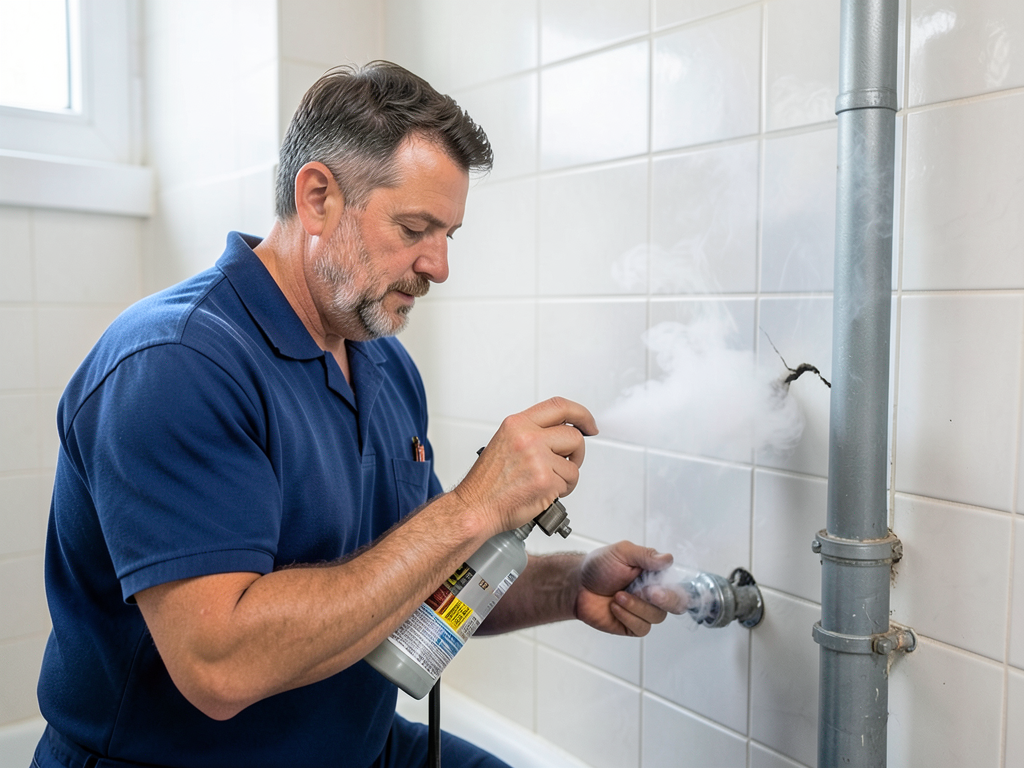
Smoke testing is one of our most effective diagnostic tools. We introduce non-toxic smoke into your plumbing system, which escapes through any cracks, loose connections, or failed seals. This allows us to pinpoint exact locations of gas entry without invasive demolition. The process takes about 30 minutes and provides immediate results.
Sewer camera inspection gives us a real-time view of your pipes’ interior condition. Our high-resolution cameras can identify root intrusion, pipe corrosion, joint separation, and other issues that cause gas leaks. We can also measure pipe diameter and locate exact distances to problem areas, making repairs more efficient.
For Clayton homes with known cast iron pipes, we often recommend hydro-jetting before any repairs. This process uses high-pressure water (up to 4,000 PSI) to clean pipe walls thoroughly, removing years of buildup that can contribute to gas leaks. It’s like a deep cleaning for your plumbing system.
Static pressure testing helps us identify leaks in your water supply lines that might be contributing to moisture problems and gas infiltration. We isolate sections of your plumbing and monitor pressure changes to find even the smallest leaks.
Why Clayton Homes Are Prone to Sewer Issues
Clayton’s unique combination of historic architecture and environmental factors creates specific vulnerabilities for homeowners. The area’s mix of early 20th-century construction and mid-century homes means plumbing systems of varying ages and materials all coexist in the same neighborhood. Why Kirkwood Homeowners Keep Calling Us for Stubborn Drain Clogs.
Many Clayton homes were built using Orangeburg pipe—a fiber conduit material popular from the 1940s through the 1970s. This material has a lifespan of only 30-50 years and is notorious for collapsing and allowing root intrusion. If your home was built during this era, you might be dealing with failing Orangeburg pipes without realizing it.
Missouri’s extreme weather patterns also contribute to plumbing failures. The freeze-thaw cycles we experience can cause pipes to expand and contract, creating microscopic cracks that grow larger over time. Add Clayton’s mature tree canopy, where roots can extend 2-3 times the height of the tree, and you have a recipe for sewer line damage.
According to the International Plumbing Code Section 908.4, all plumbing fixtures must be properly vented to prevent trap siphonage. In older Clayton homes, vent stacks may have been improperly modified during renovations, creating conditions where sewer gases can back up into your bathroom.
Schedule an Inspection with a Licensed St. Louis Plumber
Don’t let that sewer gas smell linger in your Clayton home. What starts as a minor odor can quickly become a serious health and safety issue. Our team of licensed plumbers understands the unique challenges of Clayton’s historic homes and can provide fast, effective solutions.
We offer same-day service throughout Clayton, including the 63105 zip code area. Our trucks are fully stocked with the parts and equipment needed to handle most repairs on the first visit. We also provide emergency service for situations where the odor is particularly strong or accompanied by other symptoms like slow drains or gurgling sounds.
Call (314) 417-7677 today to schedule your inspection. We’ll identify the source of the odor, explain your repair options clearly, and provide upfront pricing before any work begins. Don’t wait until that minor smell becomes a major problem—your family’s health and safety are too important.
Remember, according to St. Louis County regulations, certain plumbing repairs require permits and inspections. We handle all necessary permitting and ensure every repair meets or exceeds local building codes. Your peace of mind is our priority.
Pick up the phone and call (314) 417-7677 before the next storm hits. Missouri’s weather can make existing plumbing problems much worse, and we want to help you avoid an emergency situation.
Frequently Asked Questions
How long does it take for a P-trap to dry out?
In an unused bathroom, a P-trap can dry out in as little as 2-4 weeks, depending on humidity levels and temperature. In Clayton’s climate, where we experience both humid summers and dry winters, this timeframe can vary significantly.
Can I fix a dry P-trap myself?
Yes, simply running water in the affected fixture for 30 seconds will refill the trap and block sewer gases. However, if the odor returns quickly or affects multiple fixtures, you likely have a more serious issue requiring professional attention.
How much does it cost to repair a sewer gas leak?
Repair costs vary widely depending on the source. Simple fixes like replacing a wax ring might cost $150-300, while repairing a cracked sewer line could range from $1,500-4,000. We provide free estimates so you’ll know the exact cost before any work begins.
Is sewer gas smell covered by homeowners insurance?
Most standard policies don’t cover sewer gas issues unless they result from a sudden, accidental event like a tree falling on your home. Gradual deterioration of plumbing systems is typically considered maintenance, which homeowners are responsible for.
You may also find this helpful. How to Stop Your Kirkwood Basement Bar Ejector Pump From Failing.
{
“@context”: “https://schema.org”,
“@type”: “BlogPosting”,
“headline”: “Why Your Unused Guest Bathroom in Clayton Smells Like Raw Sewage”,
“description”: “That foul odor from your guest bathroom in Clayton isn’t normal. Learn why sewer gas backs up in unused fixtures and how our licensed plumbers fix it fast.”,
“wordCount”: 1795,
“datePublished”: “2026-04-20T09:18:00.000Z”,
“dateModified”: “2026-04-20T09:18:00.000Z”,
“inLanguage”: “en-US”,
“mainEntityOfPage”: {
“@type”: “WebPage”,
“@id”: “https://peakplumbingstlouis.com”
},
“publisher”: {
“@type”: “LocalBusiness”,
“name”: “Peak Plumbing St. Louis”,
“url”: “https://peakplumbingstlouis.com”
},
“author”: {
“@type”: “Organization”,
“name”: “Peak Plumbing St. Louis”,
“url”: “https://peakplumbingstlouis.com”
},
“image”: {
“@type”: “ImageObject”,
“url”: “https://peakplumbingstlouis.com/wp-content/uploads/2026/03/why-your-unused-guest-bathroom-in-clayton-smells-l-1.png”
}
}
{
“@context”: “https://schema.org”,
“@type”: “Plumber”,
“name”: “Peak Plumbing St. Louis”,
“url”: “https://peakplumbingstlouis.com”,
“address”: {
“@type”: “PostalAddress”,
“addressLocality”: “St. Louis”
},
“areaServed”: {
“@type”: “City”,
“name”: “St. Louis”
}
}
{
“@context”: “https://schema.org”,
“@type”: “FAQPage”,
“mainEntity”: [
{
“@type”: “Question”,
“name”: “How long does it take for a P-trap to dry out?”,
“acceptedAnswer”: {
“@type”: “Answer”,
“text”: “In an unused bathroom, a P-trap can dry out in as little as 2-4 weeks, depending on humidity levels and temperature. In Clayton’s climate, where we experience both humid summers and dry winters, this timeframe can vary significantly.”
}
},
{
“@type”: “Question”,
“name”: “Can I fix a dry P-trap myself?”,
“acceptedAnswer”: {
“@type”: “Answer”,
“text”: “Yes, simply running water in the affected fixture for 30 seconds will refill the trap and block sewer gases. However, if the odor returns quickly or affects multiple fixtures, you likely have a more serious issue requiring professional attention.”
}
},
{
“@type”: “Question”,
“name”: “How much does it cost to repair a sewer gas leak?”,
“acceptedAnswer”: {
“@type”: “Answer”,
“text”: “Repair costs vary widely depending on the source. Simple fixes like replacing a wax ring might cost $150-300, while repairing a cracked sewer line could range from $1,500-4,000. We provide free estimates so you’ll know the exact cost before any work begins.”
}
},
{
“@type”: “Question”,
“name”: “Is sewer gas smell covered by homeowners insurance?”,
“acceptedAnswer”: {
“@type”: “Answer”,
“text”: “Most standard policies don’t cover sewer gas issues unless they result from a sudden, accidental event like a tree falling on your home. Gradual deterioration of plumbing systems is typically considered maintenance, which homeowners are responsible for.”
}
}
]
}
{
“@context”: “https://schema.org”,
“@type”: “HowTo”,
“name”: “How to Identify Bathroom Sewer Gas Sources”,
“step”: [
{
“@type”: “HowToStep”,
“position”: 1,
“name”: “Check all drains”,
“text”: “Run water in every sink, shower, and floor drain for 30 seconds. If the smell disappears, you’ve found your culprit—a dry P-trap.”
},
{
“@type”: “HowToStep”,
“position”: 2,
“name”: “Inspect toilet stability”,
“text”: “Gently rock your toilet from side to side. If it moves even slightly, the wax ring seal is broken and needs replacement.”
},
{
“@type”: “HowToStep”,
“position”: 3,
“name”: “Look for visible damage”,
“text”: “Check around the base of your toilet and under sinks for water stains, mold growth, or cracked tiles that might indicate a leak.”
},
{
“@type”: “HowToStep”,
“position”: 4,
“name”: “Test floor drains”,
“text”: “Pour a bucket of water down any floor drains in your bathroom. These often go unused for months and dry out completely.”
},
{
“@type”: “HowToStep”,
“position”: 5,
“name”: “Check roof vents”,
“text”: “While you shouldn’t climb on your roof, look up from the ground to see if any vent pipes appear damaged or blocked by debris.”
}
],
“image”: “https://peakplumbingstlouis.com/wp-content/uploads/2026/03/why-your-unused-guest-bathroom-in-clayton-smells-l-1.png”
}
{
“@context”: “https://schema.org”,
“@type”: “BreadcrumbList”,
“itemListElement”: [
{
“@type”: “ListItem”,
“position”: 1,
“name”: “Home”,
“item”: “https://peakplumbingstlouis.com”
},
{
“@type”: “ListItem”,
“position”: 2,
“name”: “Blog”,
“item”: “https://peakplumbingstlouis.com/blog”
},
{
“@type”: “ListItem”,
“position”: 3,
“name”: “Why Your Unused Guest Bathroom in Clayton Smells Like Raw Sewage”
}
]
}
{
“@context”: “https://schema.org”,
“@type”: “Service”,
“serviceType”: “Plumbing”,
“provider”: {
“@type”: “LocalBusiness”,
“name”: “Peak Plumbing St. Louis”,
“url”: “https://peakplumbingstlouis.com”
},
“areaServed”: {
“@type”: “City”,
“name”: “St. Louis”
},
“description”: “That foul odor from your guest bathroom in Clayton isn’t normal. Learn why sewer gas backs up in unused fixtures and how our licensed plumbers fix it fast.”
}