
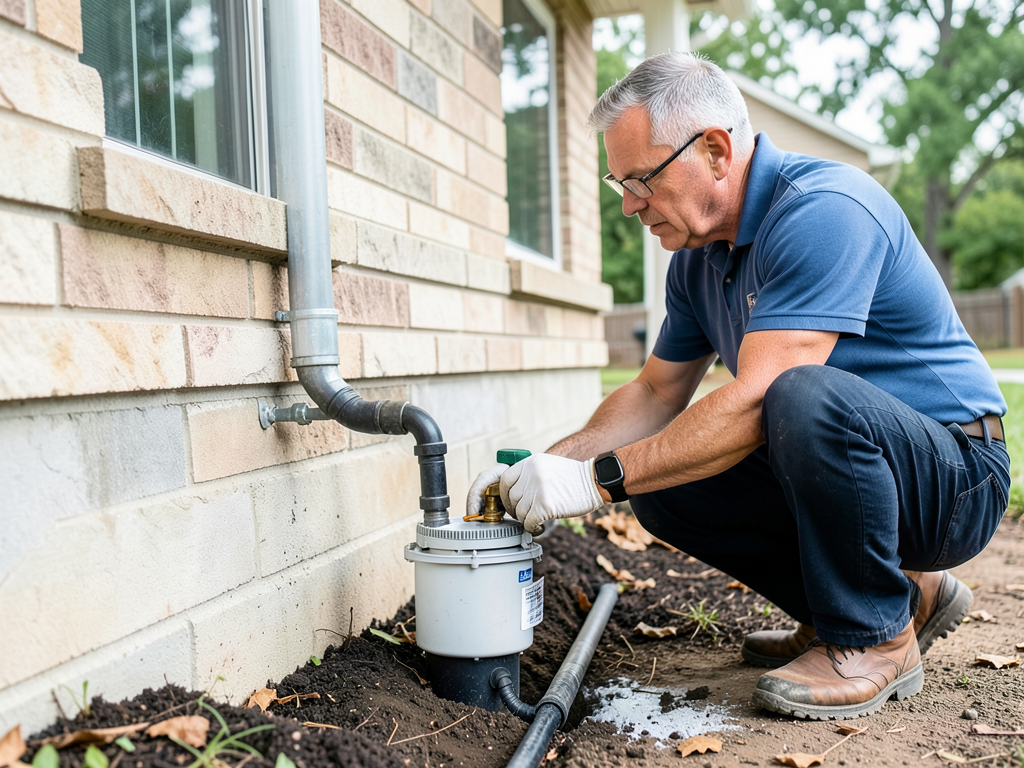
Why You Can’t Just Drain Your Sump Pump Into the City Sewer in Webster Groves
Every heavy rain in Webster Groves sends water pouring into basements across the neighborhood, triggering sump pumps that many homeowners assume can simply drain into the nearest sewer drain. That assumption could cost you hundreds in fines and create serious problems for the entire St. Louis sewer system. The Metropolitan St. Louis Sewer District (MSD) strictly prohibits sump pump discharge into sanitary sewers because it overwhelms treatment facilities and causes raw sewage overflows during storms. Metropolitan St. Louis Sewer District.
Webster Groves homes sit on clay-heavy soil that already struggles with drainage, and the area’s combined sewer infrastructure cannot handle the additional stormwater volume from illegal sump connections. When you tie your sump pump to the sanitary sewer, you’re not just breaking the law—you’re contributing to basement backups that affect your neighbors and potentially flooding local waterways with untreated waste. How to Stop Your Ballwin Basement From Flooding During Heavy Spring Rains.
The good news is that legal alternatives exist, from dry wells to rain gardens, and proper installation ensures your basement stays dry without risking fines or environmental damage. Understanding the specific Webster Groves requirements and MSD Project Clear guidelines will save you money and protect your property value. MSD Project Clear.
Understanding St. Louis Sump Pump Laws
St. Louis County and the City of St. Louis operate under strict sump pump discharge regulations designed to protect public health and prevent infrastructure damage. The core principle is simple: stormwater and wastewater must never mix. This separation prevents the sanitary sewer system from becoming overwhelmed during heavy rainfall events, which would otherwise cause sewage to back up into homes or overflow into local streams and rivers. How to Get a Same-Day Water Heater Repair in Sunset Hills.
The regulations stem from MSD Project Clear, a multi-year initiative to reduce sewer overflows and improve water quality across the region. Webster Groves, like other St. Louis County municipalities, must comply with these guidelines or face enforcement actions. Property owners are responsible for ensuring their sump pump discharge follows all local codes, regardless of when the home was built or who installed the original system.. Read more about How a Secondary Water Meter Can Lower Your Sewer Bill in St. Peters.
Violations typically occur when homeowners unknowingly connect their sump pumps to floor drains, laundry sinks, or direct sewer lines. These connections might seem harmless but create a direct pathway for stormwater to enter the sanitary system. During a typical spring storm, a single illegal connection can send thousands of gallons of clean water into treatment facilities designed only for household waste. Why Kirkwood Homeowners Keep Calling Us for Stubborn Drain Clogs.
St. Louis City vs. St. Louis County: Key Differences
While both jurisdictions prohibit sump pump discharge into sanitary sewers, the specific requirements vary significantly between St. Louis City and St. Louis County. Webster Groves falls under St. Louis County jurisdiction, which follows the 2021 International Residential Code with local amendments. The county requires a minimum 10-foot setback from property lines for surface discharge and specific engineering standards for underground drainage systems.
St. Louis City maintains its own plumbing code that includes stricter setback requirements in some neighborhoods, particularly those with combined sewer systems. The city also requires permits for any modifications to existing drainage systems, while St. Louis County allows certain minor discharges without permits if they meet setback and discharge location requirements. These differences matter when homeowners attempt DIY solutions or hire contractors unfamiliar with local variations.
Webster Groves specifically enforces additional requirements through its building department, including inspections of new sump pump installations and verification that discharge locations won’t create ice hazards on sidewalks or neighboring properties during winter months. The city’s historic district guidelines may also restrict visible drainage components to maintain neighborhood aesthetics. Professional Gas Line Installation for Your New Outdoor Kitchen in Wildwood.
The ‘Golden Rule’: No Discharge into Sanitary Sewers
The fundamental rule governing sump pump discharge across St. Louis is absolute: never connect to the sanitary sewer system. This includes floor drains, cleanouts, toilets, or any pipe that leads to the municipal wastewater treatment plant. The Metropolitan St. Louis Sewer District enforces this rule through regular inspections and responds to neighbor complaints about illegal connections.
MSD Project Clear specifically targets ‘Inflow and Infiltration’ (I&I) as a major source of sewer system problems. I&I refers to clean water entering the sanitary sewer through illegal connections, foundation drains, or deteriorated pipes. The district estimates that I&I contributes to millions of gallons of unnecessary flow during storms, directly causing the very backups that sump pumps are meant to prevent. Replacing Old Iron Pipes in Historic Webster Groves Homes.
Property owners discovered with illegal connections face escalating penalties. First violations typically result in mandatory correction orders and potential fines starting at $500. Repeat offenders can face fines up to $2,000 per day until compliance is achieved. Beyond financial penalties, illegal connections create liability for property damage if your discharge contributes to a neighbor’s basement flooding.
Approved Discharge Locations
Legal sump pump discharge options in Webster Groves include surface discharge onto your own property, dry wells, French drains, and rain gardens. Surface discharge requires careful planning to ensure water flows away from your foundation and doesn’t create hazards on sidewalks or neighboring properties. The discharge point must be at least 10 feet from your foundation and positioned to prevent water from flowing back toward your house.
Dry wells provide an underground solution for properties with limited surface space. These perforated tanks collect sump discharge and slowly release it into the surrounding soil. However, Webster Groves’ clay-heavy soil reduces dry well effectiveness, requiring larger tanks or additional drainage features to handle the same volume of water compared to areas with better soil percolation.
Rain gardens offer an environmentally friendly option that filters water naturally while creating attractive landscaping. These shallow depressions planted with water-tolerant vegetation can handle sump discharge while reducing runoff volume. The key is ensuring the garden is positioned at least 10 feet from any structure and designed to handle the specific flow rates your pump generates during heavy storms.
Common Violations and How to Fix Them
The most frequent violation involves sump pumps connected to floor drains, a practice common in older Webster Groves homes built before modern regulations. These connections might have worked for decades but now violate current codes. Other violations include direct discharge into street gutters, neighbor’s yards, or onto public sidewalks where ice forms during winter freezes.
Identifying illegal connections requires tracing your sump pump’s discharge path. Look for pipes exiting your foundation that disappear underground or connect to other plumbing fixtures. Listen for pump operation during dry weather—if you hear it running when no rain has fallen, it might be cycling due to an improper connection or malfunction.
Correcting violations typically involves rerouting discharge pipes to legal outlets. This might mean installing new underground piping to daylight at a safe location, constructing a dry well, or creating a surface swale to direct water away from structures. Professional plumbers familiar with Webster Groves codes can assess your specific situation and recommend the most cost-effective compliant solution.
Professional Sump Pump Rerouting Services
Professional rerouting ensures your sump pump system meets all Webster Groves and St. Louis County requirements while protecting your basement from flooding. Licensed plumbers understand the specific setback requirements, soil conditions, and permit processes that DIY solutions often overlook. They can also identify potential problems like improper pipe sizing or inadequate discharge capacity that could cause system failures.
Professional services include permit acquisition, excavation for underground piping, installation of check valves to prevent backflow, and testing to verify proper operation. Many homeowners discover that professional installation actually costs less than attempting DIY solutions that require corrections later. Additionally, professional work typically includes warranties that protect your investment.
Call (314) 417-7677 today to schedule your inspection. Our Webster Groves plumbing experts understand local codes and can quickly identify any violations while recommending compliant solutions that protect your home and neighborhood. Don’t wait for the next storm to discover your system isn’t up to code.
Cost Factors for Sump Pump Compliance
Several factors influence the cost of bringing your sump pump system into compliance. Property size determines the length of piping needed to reach a legal discharge location, while soil conditions affect excavation difficulty and the type of drainage system required. Clay soil in Webster Groves often necessitates larger dry wells or additional drainage features compared to areas with better soil percolation.
The current discharge configuration significantly impacts remediation costs. Simple rerouting of an exposed pipe costs far less than excavating to remove buried illegal connections. Properties with multiple sump pumps or complex basement configurations require more extensive work to ensure all systems comply with regulations.
Additional considerations include landscaping restoration after excavation, potential need for backflow preventers, and whether permits are required for the work. While compliance costs vary widely based on these factors, investing in proper installation prevents much larger expenses from fines, property damage, or system failures during critical storms.
Seasonal Considerations for Sump Pump Discharge
Webster Groves experiences freeze-thaw cycles that create unique challenges for sump pump discharge. Winter freezes can block discharge pipes or create ice hazards on sidewalks and neighboring properties. Proper installation includes burying discharge pipes below frost line depth and positioning outlets to prevent ice buildup that could damage pipes or create liability issues.
Spring rains typically generate the highest volumes of sump pump discharge, testing system capacity and soil absorption rates. Systems designed for average rainfall might fail during intense spring storms, causing backups or surface flooding. Professional designs account for peak flow rates and include redundancy features like backup pumps or overflow provisions.
Summer and fall maintenance ensures systems remain functional when needed most. This includes clearing debris from discharge points, testing pump operation, and inspecting for damage from seasonal changes. Regular maintenance prevents the surprise failures that often occur when systems sit idle for months then face their first major test during a spring downpour.
Environmental Benefits of Proper Discharge
Beyond legal compliance, proper sump pump discharge provides significant environmental benefits for Webster Groves and the broader St. Louis region. By keeping stormwater out of the sanitary sewer system, you help prevent the combined sewer overflows that discharge untreated waste into local waterways during heavy rains. This protection directly benefits local streams, the Mississippi River, and ultimately the Gulf of Mexico.
Proper discharge also reduces the energy and chemical treatment costs associated with processing clean water that enters the sanitary system through illegal connections. Every gallon of stormwater diverted from treatment facilities represents savings that can be invested in system improvements or kept as lower utility rates for all customers.
Environmentally conscious discharge methods like rain gardens and dry wells also help recharge local groundwater supplies and reduce the volume of water entering storm sewers that can cause erosion and flooding in downstream areas. These benefits extend beyond your property line to improve the entire watershed’s health and resilience.
Frequently Asked Questions
Can I drain my sump pump into the street gutter in Webster Groves?
No, discharging directly into street gutters violates both MSD regulations and Webster Groves municipal codes. This practice creates ice hazards in winter and contributes to combined sewer overflows. Legal discharge requires directing water onto your own property at least 10 feet from structures and property lines.
How do I know if my sump pump is illegally connected to the sewer?
Check for pipes exiting your foundation that disappear underground or connect to floor drains or other plumbing fixtures. If your pump runs during dry weather, it might be cycling due to an improper connection. Professional inspection can definitively identify illegal connections and recommend compliant solutions.
What are the fines for illegal sump pump discharge in St. Louis County?
First violations typically result in mandatory correction orders and fines starting at $500. Repeat offenders can face fines up to $2,000 per day until compliance is achieved. Beyond financial penalties, illegal connections create liability for property damage if your discharge contributes to neighbor flooding.
Do I need a permit to reroute my sump pump discharge in Webster Groves?
Permit requirements depend on the scope of work. Minor surface discharge changes might not require permits, but underground piping, dry wells, or modifications affecting drainage patterns typically do. Professional plumbers can determine permit requirements and handle the application process as part of their services.
How deep should I bury sump pump discharge pipes to prevent freezing?
In Webster Groves, discharge pipes should be buried below the frost line, typically 24-36 inches deep depending on specific location and soil conditions. Pipes must also include proper slope for drainage and be positioned to prevent ice buildup at discharge points during winter months.
What’s the difference between a dry well and a French drain for sump discharge?
Dry wells are underground tanks that collect and slowly release water into surrounding soil, while French drains are perforated pipes buried in gravel that channel water to a specific discharge location. French drains work better in Webster Groves’ clay soil when properly sized, while dry wells may require larger capacity due to poor soil percolation.
Protecting Your Home and Community
Understanding and complying with sump pump discharge regulations protects not just your property but your entire Webster Groves neighborhood. Illegal connections contribute to the very problems sump pumps are meant to solve, creating a cycle of flooding and damage that affects multiple properties. By ensuring your system complies with all local codes, you help maintain property values and prevent the costly repairs that result from sewer backups and flooding.
Professional assessment and installation provide peace of mind that your basement will stay dry without risking fines or creating problems for your neighbors. The investment in proper discharge systems pays dividends through avoided penalties, protected property values, and the knowledge that you’re contributing to a healthier community and environment.
Don’t wait for the next storm to discover your sump pump system isn’t up to code. Pick up the phone and call (314) 417-7677 before the next rainfall hits. Our Webster Groves plumbing experts can quickly evaluate your current setup and recommend compliant solutions that protect your home and neighborhood for years to come.
{
“@context”: “https://schema.org”,
“@type”: “BlogPosting”,
“headline”: “Why You Can’t Just Drain Your Sump Pump Into the City Sewer in Webster Groves”,
“description”: “Discover why draining your sump pump into the sewer violates St. Louis MSD regulations and could result in fines. Learn legal discharge options for Webster Groves homes.”,
“wordCount”: 2370,
“datePublished”: “2026-04-26T06:38:00.000Z”,
“dateModified”: “2026-04-26T06:38:00.000Z”,
“inLanguage”: “en-US”,
“mainEntityOfPage”: {
“@type”: “WebPage”,
“@id”: “https://peakplumbingstlouis.com”
},
“publisher”: {
“@type”: “LocalBusiness”,
“name”: “Peak Plumbing St. Louis”,
“url”: “https://peakplumbingstlouis.com”
},
“author”: {
“@type”: “Organization”,
“name”: “Peak Plumbing St. Louis”,
“url”: “https://peakplumbingstlouis.com”
},
“image”: {
“@type”: “ImageObject”,
“url”: “https://peakplumbingstlouis.com/wp-content/uploads/2026/03/why-you-can-t-just-drain-your-sump-pump-into-the-c-1.png”
}
}
{
“@context”: “https://schema.org”,
“@type”: “Plumber”,
“name”: “Peak Plumbing St. Louis”,
“url”: “https://peakplumbingstlouis.com”,
“address”: {
“@type”: “PostalAddress”,
“addressLocality”: “St. Louis”
},
“areaServed”: {
“@type”: “City”,
“name”: “St. Louis”
}
}
{
“@context”: “https://schema.org”,
“@type”: “FAQPage”,
“mainEntity”: [
{
“@type”: “Question”,
“name”: “Can I drain my sump pump into the street gutter in Webster Groves?”,
“acceptedAnswer”: {
“@type”: “Answer”,
“text”: “No, discharging directly into street gutters violates both MSD regulations and Webster Groves municipal codes. This practice creates ice hazards in winter and contributes to combined sewer overflows. Legal discharge requires directing water onto your own property at least 10 feet from structures and property lines.”
}
},
{
“@type”: “Question”,
“name”: “How do I know if my sump pump is illegally connected to the sewer?”,
“acceptedAnswer”: {
“@type”: “Answer”,
“text”: “Check for pipes exiting your foundation that disappear underground or connect to floor drains or other plumbing fixtures. If your pump runs during dry weather, it might be cycling due to an improper connection. Professional inspection can definitively identify illegal connections and recommend compliant solutions.”
}
},
{
“@type”: “Question”,
“name”: “What are the fines for illegal sump pump discharge in St. Louis County?”,
“acceptedAnswer”: {
“@type”: “Answer”,
“text”: “First violations typically result in mandatory correction orders and fines starting at $500. Repeat offenders can face fines up to $2,000 per day until compliance is achieved. Beyond financial penalties, illegal connections create liability for property damage if your discharge contributes to neighbor flooding.”
}
},
{
“@type”: “Question”,
“name”: “Do I need a permit to reroute my sump pump discharge in Webster Groves?”,
“acceptedAnswer”: {
“@type”: “Answer”,
“text”: “Permit requirements depend on the scope of work. Minor surface discharge changes might not require permits, but underground piping, dry wells, or modifications affecting drainage patterns typically do. Professional plumbers can determine permit requirements and handle the application process as part of their services.”
}
},
{
“@type”: “Question”,
“name”: “How deep should I bury sump pump discharge pipes to prevent freezing?”,
“acceptedAnswer”: {
“@type”: “Answer”,
“text”: “In Webster Groves, discharge pipes should be buried below the frost line, typically 24-36 inches deep depending on specific location and soil conditions. Pipes must also include proper slope for drainage and be positioned to prevent ice buildup at discharge points during winter months.”
}
},
{
“@type”: “Question”,
“name”: “What’s the difference between a dry well and a French drain for sump discharge?”,
“acceptedAnswer”: {
“@type”: “Answer”,
“text”: “Dry wells are underground tanks that collect and slowly release water into surrounding soil, while French drains are perforated pipes buried in gravel that channel water to a specific discharge location. French drains work better in Webster Groves’ clay soil when properly sized, while dry wells may require larger capacity due to poor soil percolation.”
}
}
]
}
{
“@context”: “https://schema.org”,
“@type”: “BreadcrumbList”,
“itemListElement”: [
{
“@type”: “ListItem”,
“position”: 1,
“name”: “Home”,
“item”: “https://peakplumbingstlouis.com”
},
{
“@type”: “ListItem”,
“position”: 2,
“name”: “Blog”,
“item”: “https://peakplumbingstlouis.com/blog”
},
{
“@type”: “ListItem”,
“position”: 3,
“name”: “Why You Can’t Just Drain Your Sump Pump Into the City Sewer in Webster Groves”
}
]
}
{
“@context”: “https://schema.org”,
“@type”: “Service”,
“serviceType”: “Plumbing”,
“provider”: {
“@type”: “LocalBusiness”,
“name”: “Peak Plumbing St. Louis”,
“url”: “https://peakplumbingstlouis.com”
},
“areaServed”: {
“@type”: “City”,
“name”: “St. Louis”
},
“description”: “Discover why draining your sump pump into the sewer violates St. Louis MSD regulations and could result in fines. Learn legal discharge options for Webster Groves homes.”
}