
Adding a Half-Bath to Your Second Floor in The Hill (How to Make it Work)
Adding a half-bath to your second floor in The Hill is one of the smartest moves you can make for both convenience and property value. This historic St. Louis neighborhood is known for its compact, multi-story brick homes built in the early 1900s. Most of these homes were designed with a single bathroom on the main floor, which means upper-level bedrooms often lack private facilities. The good news is that with careful planning and the right plumbing expertise, you can add a functional half-bath upstairs without tearing apart your home’s historic character. St. Louis City Building Division.
The process involves navigating St. Louis building codes, Metropolitan Sewer District (MSD) permits, and the unique challenges of working with century-old plumbing systems. You’ll need to consider structural support for new fixtures, proper venting through historic rooflines, and potentially upgrading old cast iron or galvanized pipes. This guide walks you through everything you need to know about adding a half-bath to your second floor in The Hill, from initial feasibility to final inspection. Metropolitan St. Louis Sewer District (MSD).
Understanding The Hill’s Unique Home Architecture
The Hill’s residential architecture tells a story of early 20th-century Italian-American settlement. Homes here typically feature narrow, two to three-story brick structures with small footprints. Most were built between 1900 and 1930, featuring balloon framing, plaster walls, and original hardwood floors. The plumbing systems in these homes often consist of galvanized steel supply lines and cast iron waste stacks that run through the center of the house. Plumbing Florissant.
When planning your second-floor bathroom addition, you’ll need to work within these existing structural constraints. The good news is that The Hill’s homes were built with solid masonry walls that provide excellent structural support for new fixtures. However, the narrow stair configurations and limited floor space mean you’ll need to get creative with your layout. Many successful second-floor bathroom additions in The Hill involve converting small bedrooms, expanding hallway closets, or utilizing dead-end spaces that were originally designed for storage.. Read more about Converting a Half Bath into a Full Bathroom for Your Kings Oak Home.
Local building patterns also affect your project. Homes near Sublette Avenue tend to have more open second-floor layouts than those closer to Marconi Avenue, where the houses are more compact. Understanding these neighborhood variations helps you plan more effectively and avoid unexpected structural surprises during demolition.. Read more about Moving Your Laundry Room to the Second Floor of Your St. Louis Hills House.
Navigating St. Louis Building Codes and MSD Permits
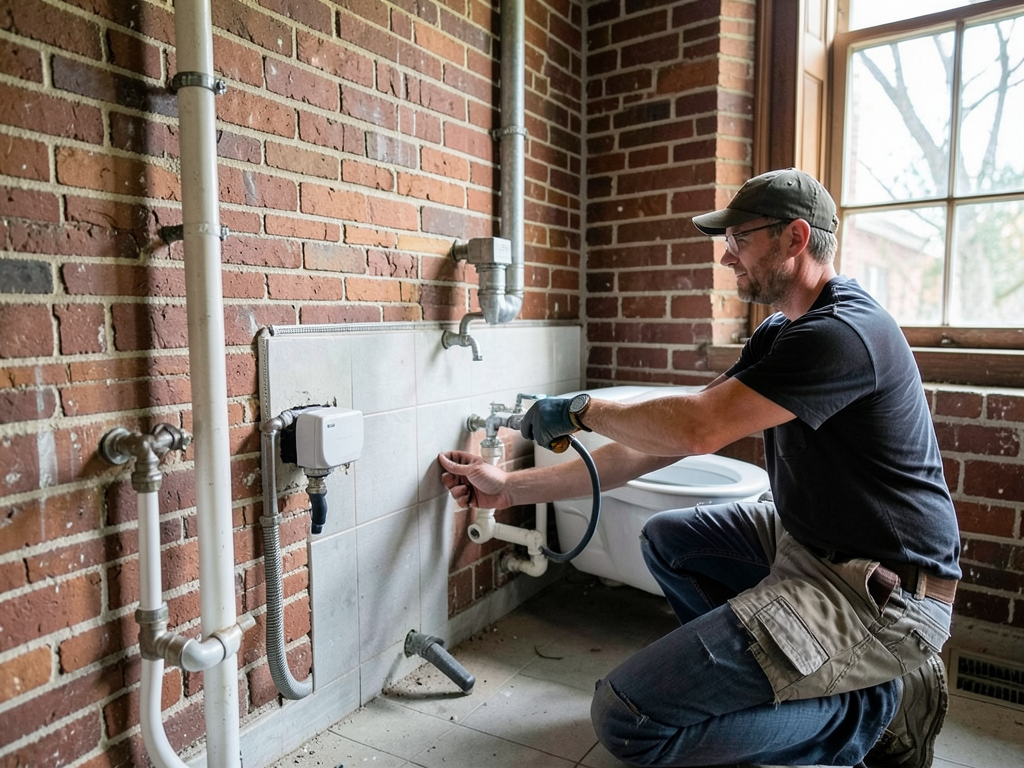
Adding a bathroom in St. Louis requires permits from both the city’s Building Division and the Metropolitan Sewer District. The MSD specifically regulates any new plumbing fixture that connects to the sewer system. For a half-bath addition, you’ll need to submit detailed plans showing the proposed fixture locations, drain sizes, and vent configurations.
The St. Louis City Building Division enforces the International Plumbing Code with local amendments. For second-floor additions in The Hill, you’ll need to demonstrate that your new bathroom won’t overload existing drain lines and that proper venting can be achieved through the roof structure. The city requires that all new plumbing work be performed by a licensed master plumber, and inspections are mandatory at rough-in and final stages.
MSD permit fees are based on the number of new fixtures being added. A half-bath with a toilet and sink typically costs between $200 and $400 in permit fees alone. The processing time can take 2-3 weeks, so factor this into your project timeline. Working with a local plumber who understands these specific requirements can save you weeks of delays and prevent costly rework.
The Hill falls within St. Louis City’s jurisdiction, but homes near the city-county line sometimes require coordination with St. Louis County for certain aspects of the project. Your contractor should handle all permit applications and scheduling, but you should verify that all necessary approvals are in place before construction begins.
Finding Space in Your Historic Home
Space is the biggest constraint when adding a second-floor bathroom in The Hill. Most homes have second-floor layouts designed for sleeping, not plumbing. The most successful additions involve creative space conversion rather than major structural changes. Converting a 6×8 foot bedroom into a bathroom with a small linen closet is often more practical than trying to carve space from multiple rooms.
Hallway closets are prime candidates for bathroom conversion. Many Hill homes have deep, narrow closets that run perpendicular to the stairs. These spaces often align well with existing plumbing chases and can accommodate a toilet and small vanity without major structural modifications. The key is maintaining adequate clearance for the door swing and ensuring proper ventilation for the new bathroom.
Another strategy involves utilizing the space above the main floor bathroom. If your first-floor bathroom has a closet or storage area directly above it, this creates an ideal plumbing alignment. The waste and vent stacks can continue upward, and supply lines can run through the same wall cavities. This approach minimizes new plumbing runs and reduces both material costs and construction time.
Consider the door location carefully. Second-floor bathrooms in The Hill often work best with pocket doors or sliding barn doors that don’t require swing clearance. This preserves floor space and maintains the historic character of your home while providing modern functionality.
Technical Plumbing Challenges for Old Homes
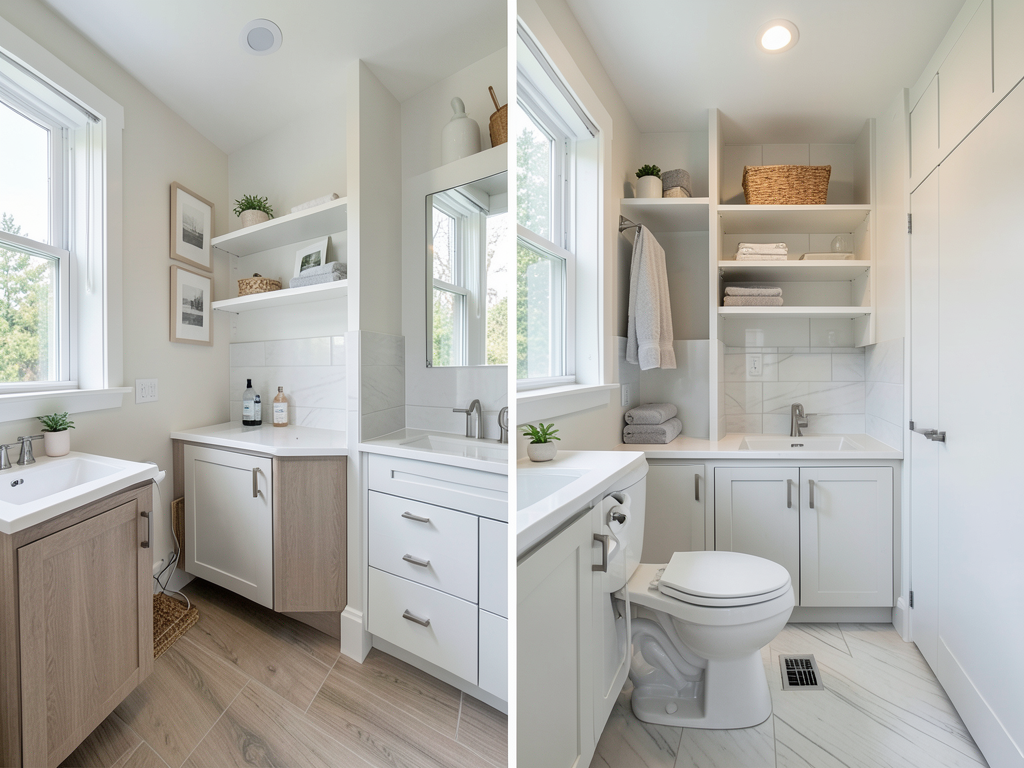
The plumbing systems in The Hill’s historic homes present unique challenges that require specialized knowledge. Most homes built before 1940 used galvanized steel supply pipes that corrode from the inside out. These pipes often have reduced internal diameter due to mineral buildup, which can affect water pressure to your new bathroom. A professional assessment of your existing supply lines is essential before planning your addition. Replacing Old Iron Pipes in Historic Webster Groves Homes.
Cast iron waste stacks are another consideration. These pipes can last 80-100 years but often develop leaks at the joints or corrode through at the bottom. When adding new fixtures, you may need to replace sections of the existing stack to ensure proper drainage. The sound of water running through old cast iron pipes is distinctive – if you hear gurgling or see water stains on ceilings below, your stack may need attention. How to Get a Same-Day Water Heater Repair in Sunset Hills.
Venting is critical in second-floor additions. The Hill’s homes often have limited roof space for new vent stacks due to the compact nature of the structures. Your plumber will need to evaluate whether existing vents can be extended or if new roof penetrations are required. Proper venting prevents trap siphonage and ensures your toilet flushes correctly every time.
Water pressure is another technical consideration. Many Hill homes rely on aging municipal water mains that may not provide adequate pressure for second-floor fixtures. A pressure test can determine if you need a booster pump or if supply line upgrades are necessary. Homes near Sublette Park sometimes have better pressure than those closer to the river due to elevation differences.
Cost Factors Specific to The Hill
Plumbing costs in The Hill tend to be slightly higher than in newer suburban areas due to the specialized knowledge required for historic homes. Labor rates for master plumbers familiar with old-house systems typically range from $85 to $125 per hour. The complexity of working around plaster walls, original woodwork, and existing plumbing infrastructure adds to the overall project cost.
Material costs vary significantly based on your choices. Standard fixtures and finishes might cost $3,000 to $5,000, while high-end options can easily exceed $10,000. The plumbing rough-in work – including new supply lines, waste pipes, and venting – typically costs $2,500 to $4,000 for a straightforward second-floor addition. Complex installations requiring stack replacement or pressure upgrades can push this cost higher. Professional Gas Line Installation for Your New Outdoor Kitchen in Wildwood.
Permit fees, inspections, and potential structural modifications should be factored into your budget. You might need to reinforce floor joists to support the weight of new fixtures and tile, especially in homes with original 2×6 floor framing. This structural work can add $1,000 to $2,500 to your project cost.
Don’t forget about the finishing work. Drywall repair, painting, and flooring transitions between the new bathroom and existing spaces can account for 15-20% of your total budget. Working with a contractor who handles both plumbing and finishing work often results in better coordination and fewer callbacks.
Timeline and Project Management
A typical second-floor bathroom addition in The Hill takes 3-4 weeks from start to finish, assuming no major structural surprises. The first week involves demolition, plumbing rough-in, and any necessary structural modifications. During this phase, your plumber will assess the existing systems and make recommendations for upgrades or repairs.
The second week focuses on inspection approvals and finishing the rough plumbing. Your contractor will schedule the required building inspections during this time. The St. Louis City inspection process typically takes 2-3 days, but scheduling can add delays if inspectors are busy.
Weeks three and four involve fixture installation, finishing work, and final inspections. This is when your bathroom starts to look like a completed space. The final inspection ensures all plumbing work meets code requirements and that fixtures operate correctly.
Weather can affect your timeline, particularly if roof penetrations are needed for venting. St. Louis experiences significant seasonal rainfall, and work may need to pause during heavy storms. Planning your project during drier months can help avoid weather-related delays.
Common Mistakes to Avoid
One of the biggest mistakes homeowners make is underestimating the complexity of adding plumbing to a second floor in a historic home. Cutting corners on permits or using unlicensed contractors might save money upfront but can lead to expensive problems down the road. Always verify your plumber’s license and insurance before starting work. Why Kirkwood Homeowners Keep Calling Us for Stubborn Drain Clogs.
Another common error is poor space planning. Trying to fit a full-size bathroom into a space designed for a closet rarely works well. Work with your contractor to create a realistic layout that maximizes functionality while respecting the home’s original proportions. Sometimes a well-designed half-bath is more practical than a cramped full bathroom.
Ignoring existing plumbing conditions is a costly mistake. If your home has galvanized supply pipes or deteriorating cast iron waste lines, adding new fixtures to these systems can cause immediate problems. A thorough inspection before planning your addition can identify these issues and prevent expensive callbacks.
Finally, don’t forget about ventilation. Second-floor bathrooms in The Hill need proper exhaust fans to prevent moisture buildup and mold growth. Installing adequate ventilation during the initial construction is much easier and cheaper than retrofitting it later.
Maximizing Your Investment
A well-executed second-floor bathroom addition can increase your home’s value by $15,000 to $25,000 in The Hill market. The key is making smart design choices that appeal to future buyers while meeting your current needs. Neutral finishes, quality fixtures, and efficient layouts tend to have the best return on investment.
Consider energy efficiency when selecting fixtures. Low-flow toilets and water-saving faucets reduce utility costs while appealing to environmentally conscious buyers. Many modern fixtures offer the same performance as traditional models while using significantly less water.
Storage is another value-add. Even in a small half-bath, incorporating clever storage solutions like recessed medicine cabinets or built-in shelving can make the space feel larger and more functional. These details often make the difference between a basic addition and a feature that truly enhances your home.
Finally, document everything. Keep copies of permits, inspection reports, and warranties. When you sell your home, having complete records of the bathroom addition can reassure buyers and potentially increase your asking price.
Ready to Add That Second Bathroom?
Adding a half-bath to your second floor in The Hill is a significant investment that requires careful planning and professional execution. The unique characteristics of these historic homes mean you need a plumber who understands old-house systems and St. Louis building requirements. From navigating MSD permits to working with century-old plumbing, the right expertise makes all the difference.
Before you start demolition, schedule a professional assessment of your home’s existing plumbing and structural conditions. This evaluation will identify potential challenges and help you create a realistic budget and timeline. Remember that cutting corners on permits or using inexperienced contractors often leads to bigger problems and higher costs later.
The convenience of having a bathroom on your second floor, combined with the increased property value, makes this project worthwhile for many Hill homeowners. With proper planning and the right team, you can add modern functionality to your historic home while preserving its character and charm.
Call (314) 417-7677 today to schedule your free consultation and learn how we can help you add that second bathroom to your Hill home. Our team understands the unique challenges of historic St. Louis plumbing and can guide you through every step of the process.
Frequently Asked Questions
How much does it cost to add a half-bath to a second floor in The Hill?
The total cost typically ranges from $8,000 to $15,000, depending on the complexity of the installation, existing plumbing conditions, and finish selections. This includes permits, materials, labor, and finishing work.
Do I need permits to add a bathroom in St. Louis City?
Yes, you need both a building permit from the St. Louis City Building Division and an MSD permit for any new plumbing fixtures. These permits ensure your work meets safety codes and won’t cause sewer problems.
How long does a second-floor bathroom addition take?
A typical project takes 3-4 weeks from start to finish, assuming no major structural surprises. This includes demolition, plumbing rough-in, inspections, fixture installation, and finishing work.
Can I add a bathroom if my house has old galvanized pipes?
Yes, but you may need to upgrade your supply lines. Galvanized pipes corrode from the inside and often have reduced water flow. A professional assessment will determine if replacement is necessary for your new bathroom to function properly.
Will adding a bathroom increase my home’s value?
Yes, a well-executed second-floor bathroom addition typically increases home value by $15,000 to $25,000 in The Hill market. The exact return depends on the quality of the work and current market conditions.
What if my second floor doesn’t have existing plumbing?
Even without existing second-floor plumbing, you can still add a bathroom. The waste and supply lines will need to run down to the first floor and connect to your main plumbing system. This is more complex but definitely possible with proper planning.
Do I need to worry about the weight of new fixtures?
Sometimes. Older homes may need floor joist reinforcement to support the weight of new fixtures, especially if you’re installing a heavy cast-iron tub or extensive tile work. A structural assessment can identify any needed modifications.
Can I keep the historic character of my home with a new bathroom?
Absolutely. Many homeowners choose fixtures and finishes that complement their home’s original character. Period-appropriate lighting, classic tile patterns, and traditional fixtures can blend seamlessly with modern plumbing.
{
“@context”: “https://schema.org”,
“@type”: “BlogPosting”,
“headline”: “Adding a Half-Bath to Your Second Floor in The Hill (How to Make it Work)”,
“description”: “Adding a second bathroom to your historic Hill home requires navigating St. Louis codes, MSD permits, and old plumbing. Learn costs, layouts, and local requirements.”,
“wordCount”: 2493,
“datePublished”: “2026-05-13T10:22:00.000Z”,
“dateModified”: “2026-05-13T10:22:00.000Z”,
“inLanguage”: “en-US”,
“mainEntityOfPage”: {
“@type”: “WebPage”,
“@id”: “https://peakplumbingstlouis.com”
},
“publisher”: {
“@type”: “LocalBusiness”,
“name”: “Peak Plumbing St. Louis”,
“url”: “https://peakplumbingstlouis.com”
},
“author”: {
“@type”: “Organization”,
“name”: “Peak Plumbing St. Louis”,
“url”: “https://peakplumbingstlouis.com”
},
“image”: {
“@type”: “ImageObject”,
“url”: “https://peakplumbingstlouis.com/wp-content/uploads/2026/03/adding-a-half-bath-to-your-second-floor-in-the-hil-1.png”
}
}
{
“@context”: “https://schema.org”,
“@type”: “Plumber”,
“name”: “Peak Plumbing St. Louis”,
“url”: “https://peakplumbingstlouis.com”,
“address”: {
“@type”: “PostalAddress”,
“addressLocality”: “St. Louis”
},
“areaServed”: {
“@type”: “City”,
“name”: “St. Louis”
}
}
{
“@context”: “https://schema.org”,
“@type”: “FAQPage”,
“mainEntity”: [
{
“@type”: “Question”,
“name”: “Ready to Add That Second Bathroom?”,
“acceptedAnswer”: {
“@type”: “Answer”,
“text”: “Adding a half-bath to your second floor in The Hill is a significant investment that requires careful planning and professional execution. The unique characteristics of these historic homes mean you need a plumber who understands old-house systems and St. Louis building requirements. From navigating MSD permits to working with century-old plumbing, the right expertise makes all the difference.”
}
},
{
“@type”: “Question”,
“name”: “How much does it cost to add a half-bath to a second floor in The Hill?”,
“acceptedAnswer”: {
“@type”: “Answer”,
“text”: “The total cost typically ranges from $8,000 to $15,000, depending on the complexity of the installation, existing plumbing conditions, and finish selections. This includes permits, materials, labor, and finishing work.”
}
},
{
“@type”: “Question”,
“name”: “Do I need permits to add a bathroom in St. Louis City?”,
“acceptedAnswer”: {
“@type”: “Answer”,
“text”: “Yes, you need both a building permit from the St. Louis City Building Division and an MSD permit for any new plumbing fixtures. These permits ensure your work meets safety codes and won’t cause sewer problems.”
}
},
{
“@type”: “Question”,
“name”: “How long does a second-floor bathroom addition take?”,
“acceptedAnswer”: {
“@type”: “Answer”,
“text”: “A typical project takes 3-4 weeks from start to finish, assuming no major structural surprises. This includes demolition, plumbing rough-in, inspections, fixture installation, and finishing work.”
}
},
{
“@type”: “Question”,
“name”: “Can I add a bathroom if my house has old galvanized pipes?”,
“acceptedAnswer”: {
“@type”: “Answer”,
“text”: “Yes, but you may need to upgrade your supply lines. Galvanized pipes corrode from the inside and often have reduced water flow. A professional assessment will determine if replacement is necessary for your new bathroom to function properly.”
}
},
{
“@type”: “Question”,
“name”: “Will adding a bathroom increase my home’s value?”,
“acceptedAnswer”: {
“@type”: “Answer”,
“text”: “Yes, a well-executed second-floor bathroom addition typically increases home value by $15,000 to $25,000 in The Hill market. The exact return depends on the quality of the work and current market conditions.”
}
},
{
“@type”: “Question”,
“name”: “What if my second floor doesn’t have existing plumbing?”,
“acceptedAnswer”: {
“@type”: “Answer”,
“text”: “Even without existing second-floor plumbing, you can still add a bathroom. The waste and supply lines will need to run down to the first floor and connect to your main plumbing system. This is more complex but definitely possible with proper planning.”
}
},
{
“@type”: “Question”,
“name”: “Do I need to worry about the weight of new fixtures?”,
“acceptedAnswer”: {
“@type”: “Answer”,
“text”: “Sometimes. Older homes may need floor joist reinforcement to support the weight of new fixtures, especially if you’re installing a heavy cast-iron tub or extensive tile work. A structural assessment can identify any needed modifications.”
}
},
{
“@type”: “Question”,
“name”: “Can I keep the historic character of my home with a new bathroom?”,
“acceptedAnswer”: {
“@type”: “Answer”,
“text”: “Absolutely. Many homeowners choose fixtures and finishes that complement their home’s original character. Period-appropriate lighting, classic tile patterns, and traditional fixtures can blend seamlessly with modern plumbing.”
}
}
]
}
{
“@context”: “https://schema.org”,
“@type”: “BreadcrumbList”,
“itemListElement”: [
{
“@type”: “ListItem”,
“position”: 1,
“name”: “Home”,
“item”: “https://peakplumbingstlouis.com”
},
{
“@type”: “ListItem”,
“position”: 2,
“name”: “Blog”,
“item”: “https://peakplumbingstlouis.com/blog”
},
{
“@type”: “ListItem”,
“position”: 3,
“name”: “Adding a Half-Bath to Your Second Floor in The Hill (How to Make it Work)”
}
]
}
{
“@context”: “https://schema.org”,
“@type”: “Service”,
“serviceType”: “Plumbing”,
“provider”: {
“@type”: “LocalBusiness”,
“name”: “Peak Plumbing St. Louis”,
“url”: “https://peakplumbingstlouis.com”
},
“areaServed”: {
“@type”: “City”,
“name”: “St. Louis”
},
“description”: “Adding a second bathroom to your historic Hill home requires navigating St. Louis codes, MSD permits, and old plumbing. Learn costs, layouts, and local requirements.”
}