
Clay sewer pipes under Gravois Park homes have been deteriorating for decades. These pipes installed before the 1970s were built to last but not forever. The freeze-thaw cycles in St. Louis combined with the high clay content in Missouri soil create perfect conditions for pipe failure. Homeowners in Gravois Park face a unique risk because the neighborhood sits on former swampland with poor drainage and shifting soil that accelerates pipe degradation. Why Kirkwood Homeowners Keep Calling Us for Stubborn Drain Clogs.
Most clay sewer laterals in Gravois Park were installed between 1900 and 1970 when the neighborhood was rapidly developing. These pipes typically have a lifespan of 50 to 80 years under ideal conditions. The problem is that Gravois Park’s soil conditions are far from ideal. The high clay content causes expansion and contraction that puts pressure on pipe joints. Tree roots from mature oaks and silver maples common in the area invade through tiny cracks. Over time this leads to complete pipe failure. Replacing Old Iron Pipes in Historic Webster Groves Homes.
Common Signs Your Clay Pipes Are Failing
Many homeowners in Gravois Park don’t realize they have a problem until it’s too late. The first sign is often slow drains throughout the house. This happens when roots partially block the pipe or when the pipe has shifted enough to create a low spot where waste collects. Another warning sign is the smell of rotten eggs coming from drains or the yard. This indicates sewer gas escaping through cracks in the clay pipe.
Sometimes the first clue is visible damage to your yard. Sinkholes can form when a section of clay pipe collapses and the soil above it falls into the void. You might also notice unusually lush patches of grass even during dry spells. This happens when sewage leaks underground and acts as fertilizer.
Why Gravois Park Soil Makes Things Worse
The soil under Gravois Park contains a high percentage of clay that expands when wet and contracts when dry. This constant movement puts stress on clay sewer pipes that were never designed to handle such conditions. The freeze-thaw cycles in St. Louis make this problem even worse. When water in the soil freezes it expands and can crack clay pipes. When it thaws the soil becomes saturated and heavy, putting downward pressure on already weakened pipes. How to Get a Same-Day Water Heater Repair in Sunset Hills.
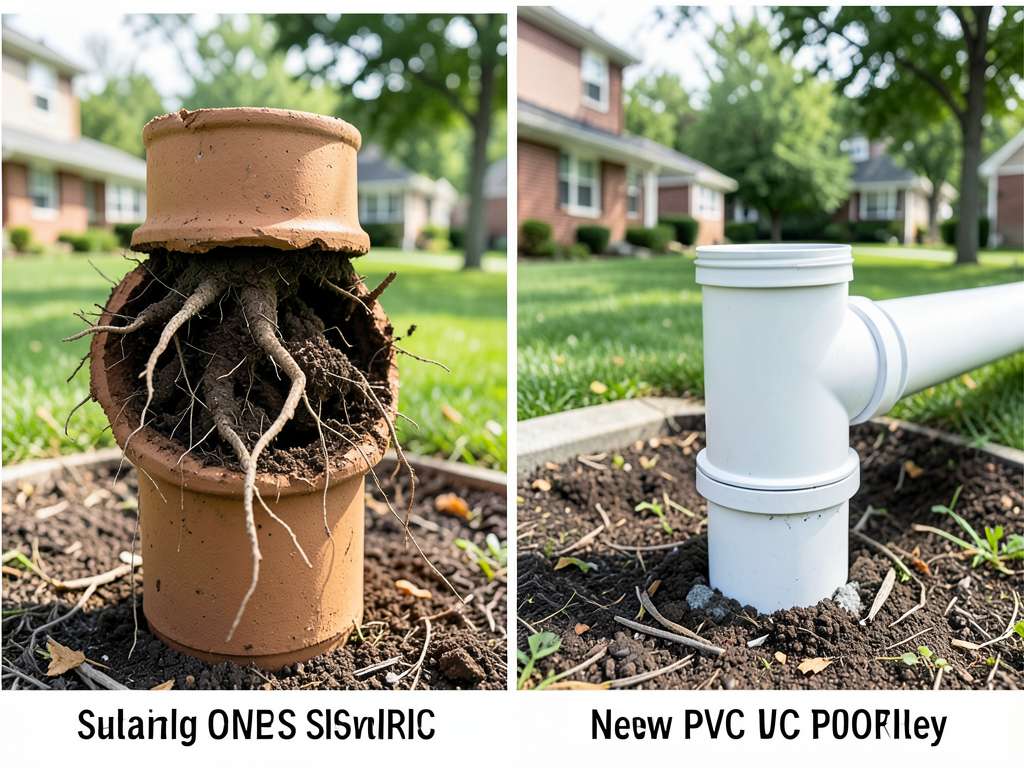
Another factor specific to Gravois Park is the age of the trees. Many homes in the neighborhood have mature trees with extensive root systems. Tree roots naturally seek out water sources and can detect the moisture leaking from tiny cracks in clay pipes. Once roots find a way in they grow rapidly and can completely block or break a pipe within a few years.
MSD Regulations and the Sewer Lateral Program
The Metropolitan Sewer District of St. Louis has specific requirements for sewer lateral repairs in Gravois Park and other older neighborhoods. MSD mandates that any repair work must meet current plumbing codes and use materials approved for use in the St. Louis area. This typically means replacing clay pipes with PVC or using trenchless technology that creates a new pipe inside the old one. Metropolitan Sewer District of St. Louis.
MSD also offers the Sewer Lateral Program which provides financial assistance to homeowners for repairs. The program covers up to 50% of the cost for eligible repairs, with a maximum of $4,000 per property. To qualify the damage must be visible on camera inspection and the homeowner must obtain the proper permits before starting work. Many Gravois Park homeowners don’t know about this program until it’s too late and they’ve already paid for emergency repairs. EPA sewer system guidelines.
Traditional Excavation vs. Trenchless Technology
When clay pipes fail homeowners face a choice between digging up their yard or using trenchless technology. Traditional excavation involves digging a trench from the house to the street to remove the old clay pipe and install new PVC. This method is straightforward but destroys landscaping, sidewalks, and sometimes even parts of driveways. In Gravois Park where yards are often small and mature trees are common this can be particularly disruptive.
Trenchless technology offers an alternative that minimizes damage to your property. The two main methods are pipe lining and pipe bursting. Pipe lining involves inserting a flexible liner coated with epoxy resin into the existing pipe. The liner is then inflated and cured in place creating a new pipe within the old one. This method works well for pipes with minor damage but cannot fix severe collapses or major root intrusion.
Pipe bursting is another trenchless option that works by pulling a new pipe through the old one while simultaneously breaking apart the damaged clay pipe. This method requires only two small access holes rather than a full trench. It’s ideal for Gravois Park homes where preserving mature landscaping is a priority. The new pipe installed through bursting is typically high-density polyethylene that resists root intrusion and can last 50 years or more.
The Camera Inspection Process
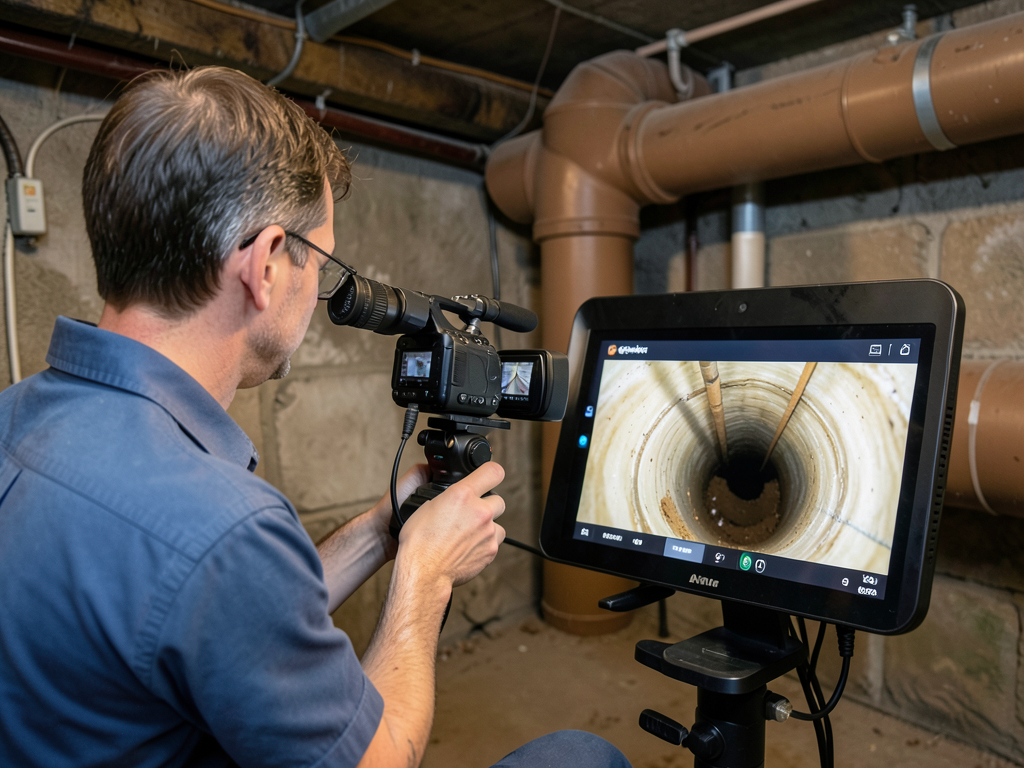
Before any repair work begins a professional camera inspection is essential. This involves inserting a waterproof camera into the sewer line to identify exactly where and how badly the clay pipe is damaged. The camera shows cracks, root intrusion, collapsed sections, and misaligned joints. This diagnostic step is crucial because it determines which repair method will work best. Professional Gas Line Installation for Your New Outdoor Kitchen in Wildwood.
During a camera inspection in Gravois Park homes we often find multiple problems in a single line. One section might have minor root intrusion while another has completely collapsed. The camera also reveals whether the pipe is properly sloped toward the street. Many clay pipes installed decades ago were not built with the correct slope leading to chronic drainage problems even if the pipe itself is intact.
Cost Factors Specific to Gravois Park
The cost of replacing clay sewer pipes in Gravois Park varies based on several factors unique to the neighborhood. The depth of the pipes is often greater than in newer neighborhoods because many homes in Gravois Park have basements that extend several feet underground. Deeper pipes require more excavation or specialized trenchless equipment. How to Stop Your Ballwin Basement From Flooding During Heavy Spring Rains.
The proximity to mature trees also affects cost. When roots have grown around or through a pipe they must be carefully removed before any repair work can begin. This process can add several hundred dollars to the job. Additionally some Gravois Park homes have narrow side yards that make equipment access difficult requiring smaller machinery or manual labor.
Permitting requirements from MSD add another cost factor. Every sewer lateral repair in Gravois Park requires permits that cost between $100 and $300 depending on the scope of work. These permits ensure the work meets current building codes and that the repaired line connects properly to the main sewer in the street.
Why Waiting Makes Problems Worse
Many Gravois Park homeowners delay sewer repairs hoping the problem will go away. This is a mistake that almost always leads to more expensive repairs. A small crack in a clay pipe will not heal itself. Instead it will get worse as roots grow into it and soil pressure increases. What starts as a minor root intrusion can become a complete pipe collapse within a few years.
Emergency repairs are always more expensive than planned ones. If your sewer line fails completely you may need immediate excavation even if trenchless technology would have been an option with earlier intervention. You also risk sewage backing up into your home causing thousands of dollars in water damage and creating serious health hazards.
Choosing the Right Contractor in Gravois Park
Not all plumbing contractors have experience with the specific challenges of Gravois Park. The neighborhood requires knowledge of MSD regulations, experience with older homes, and familiarity with the local soil conditions. A contractor who works primarily in new developments may not understand the complexities of repairing century-old clay pipes under mature trees.. Read more about Essential Plumbing Upgrades for Century Homes in Botanical Heights.
Look for contractors who offer camera inspections as a standard part of their service. Any reputable company should be willing to show you exactly what’s wrong with your pipes before recommending a solution. Also ask about experience with the MSD Sewer Lateral Program. Contractors familiar with the program can help you navigate the application process and potentially save you thousands of dollars.
Finally consider the warranty offered on repairs. Clay pipe replacement is a significant investment and you want assurance that the new system will last. Most quality contractors offer warranties of 10 to 25 years on trenchless repairs and similar terms on traditional replacements using modern materials.
Prevention and Maintenance Tips
While clay pipes will eventually fail due to age and soil conditions you can extend their life with proper maintenance. Avoid planting trees with aggressive root systems near your sewer line. Species like willows, poplars, and certain maples should be kept at least 20 feet away from any sewer pipe.
Be mindful of what goes down your drains. Grease, coffee grounds, and other substances that can solidify in pipes accelerate the deterioration process. Even with modern pipes these materials cause problems but they’re particularly damaging to already weakened clay pipes.
Consider annual video inspections if your home is over 50 years old and still has original clay pipes. These inspections can catch problems while they’re still minor and allow you to plan repairs on your schedule rather than dealing with emergency failures.
Frequently Asked Questions
How long do clay sewer pipes typically last in St. Louis?
Clay sewer pipes in St. Louis generally last 50 to 80 years under normal conditions. However in neighborhoods like Gravois Park with high clay soil content and mature trees the lifespan is often shorter due to soil movement and root intrusion.
Can I get financial assistance for sewer pipe replacement in Gravois Park?
Yes through MSD’s Sewer Lateral Program eligible homeowners can receive up to 50% of repair costs with a maximum of $4,000. The program requires a camera inspection showing damage and proper permitting before work begins.
What’s the difference between pipe lining and pipe bursting?
Pipe lining creates a new pipe inside the old one by inserting a resin-coated liner that hardens in place. Pipe bursting pulls a new pipe through the old one while breaking apart the damaged pipe. Lining works for minor damage while bursting can fix severe collapses.
How do I know if my Gravois Park home has clay pipes?
Homes built before 1970 in Gravois Park almost certainly have clay pipes. You can confirm with a camera inspection which will show the material and condition of your sewer line. Signs like frequent clogs or sewage odors also suggest older clay pipes.
Is trenchless technology really less disruptive than traditional excavation?
Yes trenchless methods typically require only two small access holes rather than digging a trench across your entire yard. This preserves landscaping, sidewalks, and mature trees. The entire process is usually completed in one day versus several days for traditional excavation.
Take Action Before Your Pipes Fail
Clay sewer pipes under Gravois Park homes are a ticking time bomb. The combination of age, soil conditions, and tree roots means failure is not a matter of if but when. Don’t wait for sewage to back up into your basement or for a sinkhole to appear in your yard.
A simple camera inspection can reveal the true condition of your sewer line and give you options for repair before emergency strikes. If you’re experiencing slow drains sewage odors or any other warning signs call us today. Our team has extensive experience with MSD regulations and trenchless technology specifically for Gravois Park homes.
Call (314) 417-7677 today to schedule your camera inspection. Don’t let a small problem become a major emergency. We’ll show you exactly what’s happening underground and provide clear options for repair with upfront pricing and warranty protection.
{
“@context”: “https://schema.org”,
“@type”: “BlogPosting”,
“headline”: “Why the Clay Pipes Under Your Gravois Park Home Are a Ticking Time Bomb”,
“description”: “Clay sewer pipes in Gravois Park homes are failing after 50-80 years. Learn the signs of collapse, MSD repair programs, and why trenchless replacement is your best option.”,
“wordCount”: 2002,
“datePublished”: “2026-06-03T08:22:00.000Z”,
“dateModified”: “2026-06-03T08:22:00.000Z”,
“inLanguage”: “en-US”,
“mainEntityOfPage”: {
“@type”: “WebPage”,
“@id”: “https://peakplumbingstlouis.com”
},
“publisher”: {
“@type”: “LocalBusiness”,
“name”: “Peak Plumbing St. Louis”,
“url”: “https://peakplumbingstlouis.com”
},
“author”: {
“@type”: “Organization”,
“name”: “Peak Plumbing St. Louis”,
“url”: “https://peakplumbingstlouis.com”
},
“image”: {
“@type”: “ImageObject”,
“url”: “https://peakplumbingstlouis.com/wp-content/uploads/2026/03/why-the-clay-pipes-under-your-gravois-park-home-ar-1.png”
}
}
{
“@context”: “https://schema.org”,
“@type”: “Plumber”,
“name”: “Peak Plumbing St. Louis”,
“url”: “https://peakplumbingstlouis.com”,
“address”: {
“@type”: “PostalAddress”,
“addressLocality”: “St. Louis”
},
“areaServed”: {
“@type”: “City”,
“name”: “St. Louis”
}
}
{
“@context”: “https://schema.org”,
“@type”: “FAQPage”,
“mainEntity”: [
{
“@type”: “Question”,
“name”: “How long do clay sewer pipes typically last in St. Louis?”,
“acceptedAnswer”: {
“@type”: “Answer”,
“text”: “Clay sewer pipes in St. Louis generally last 50 to 80 years under normal conditions. However in neighborhoods like Gravois Park with high clay soil content and mature trees the lifespan is often shorter due to soil movement and root intrusion.”
}
},
{
“@type”: “Question”,
“name”: “Can I get financial assistance for sewer pipe replacement in Gravois Park?”,
“acceptedAnswer”: {
“@type”: “Answer”,
“text”: “Yes through MSD’s Sewer Lateral Program eligible homeowners can receive up to 50% of repair costs with a maximum of $4,000. The program requires a camera inspection showing damage and proper permitting before work begins.”
}
},
{
“@type”: “Question”,
“name”: “What’s the difference between pipe lining and pipe bursting?”,
“acceptedAnswer”: {
“@type”: “Answer”,
“text”: “Pipe lining creates a new pipe inside the old one by inserting a resin-coated liner that hardens in place. Pipe bursting pulls a new pipe through the old one while breaking apart the damaged pipe. Lining works for minor damage while bursting can fix severe collapses.”
}
},
{
“@type”: “Question”,
“name”: “How do I know if my Gravois Park home has clay pipes?”,
“acceptedAnswer”: {
“@type”: “Answer”,
“text”: “Homes built before 1970 in Gravois Park almost certainly have clay pipes. You can confirm with a camera inspection which will show the material and condition of your sewer line. Signs like frequent clogs or sewage odors also suggest older clay pipes.”
}
},
{
“@type”: “Question”,
“name”: “Is trenchless technology really less disruptive than traditional excavation?”,
“acceptedAnswer”: {
“@type”: “Answer”,
“text”: “Yes trenchless methods typically require only two small access holes rather than digging a trench across your entire yard. This preserves landscaping, sidewalks, and mature trees. The entire process is usually completed in one day versus several days for traditional excavation.”
}
}
]
}
{
“@context”: “https://schema.org”,
“@type”: “BreadcrumbList”,
“itemListElement”: [
{
“@type”: “ListItem”,
“position”: 1,
“name”: “Home”,
“item”: “https://peakplumbingstlouis.com”
},
{
“@type”: “ListItem”,
“position”: 2,
“name”: “Blog”,
“item”: “https://peakplumbingstlouis.com/blog”
},
{
“@type”: “ListItem”,
“position”: 3,
“name”: “Why the Clay Pipes Under Your Gravois Park Home Are a Ticking Time Bomb”
}
]
}
{
“@context”: “https://schema.org”,
“@type”: “Service”,
“serviceType”: “Plumbing”,
“provider”: {
“@type”: “LocalBusiness”,
“name”: “Peak Plumbing St. Louis”,
“url”: “https://peakplumbingstlouis.com”
},
“areaServed”: {
“@type”: “City”,
“name”: “St. Louis”
},
“description”: “Clay sewer pipes in Gravois Park homes are failing after 50-80 years. Learn the signs of collapse, MSD repair programs, and why trenchless replacement is your best option.”
}