
Why Your Tankless Water Heater Is Making a Loud Screeching Sound
Tankless water heaters provide endless hot water but when they start making unusual noises it can be alarming. A loud screeching sound from your tankless water heater often indicates a specific issue that needs attention. In this guide we will help you identify what that sound means and when to call a professional plumber in St. Louis. Professional Gas Line Installation for Your New Outdoor Kitchen in Wildwood.
The most common cause of a screeching noise is restricted water flow through the heat exchanger. This happens when mineral deposits from hard water build up inside the unit creating a high-pitched whistling or screeching sound as water is forced through the narrowed passages. Other causes include gas pressure issues failing flow sensors or even debris in the combustion fan. How to Get a Same-Day Water Heater Repair in Sunset Hills.
If you hear a persistent screeching sound from your tankless water heater it is important to address it quickly. While some issues can be resolved with basic maintenance others require professional diagnosis and repair to prevent damage to your unit or potential safety hazards.
Common Tankless Water Heater Noises and What They Mean
Understanding the different sounds your tankless water heater makes can help you identify problems early. Here is a quick reference guide to common noises and their likely causes.
| Sound | Likely Cause | Urgency |
|---|---|---|
| Screeching/Whistling | Restricted water flow scale buildup | Medium |
| Banging/Thumping | Water hammer or gas ignition issues | High |
| Clicking | Normal ignition or failing switch | Low |
| Humming | Fan motor or pump vibration | Low |
| Rumbling | Scale buildup in heat exchanger | Medium |
What Causes a Screeching Sound in Tankless Water Heaters
A screeching sound is one of the most distinctive and concerning noises a tankless water heater can make. Here are the primary causes.
Restricted Water Flow
When water flow through the heat exchanger is restricted the unit often produces a high-pitched screeching or whistling sound. This restriction is typically caused by mineral scale buildup from hard water. As scale accumulates inside the heat exchanger it narrows the water passages forcing water through at higher velocity and creating turbulence that produces the screeching noise.
Gas Pressure Problems
Incorrect gas pressure can also cause screeching sounds. If the gas pressure is too high or too low the burner may not operate correctly leading to combustion issues that create unusual noises. This is particularly common in areas with fluctuating gas supply like parts of St. Louis where older infrastructure can cause pressure variations.
Flow Sensor Malfunction
The flow sensor tells the unit when to activate. If this sensor is failing or dirty it may not accurately detect water flow causing the unit to make unusual sounds as it struggles to maintain the correct temperature and flow rate.
Debris in the Combustion Fan
Dust and debris can accumulate in the combustion fan over time. When this happens the fan may become unbalanced creating a screeching or grinding noise as it spins. This is more common in homes near construction sites or in areas with poor air quality.
The St. Louis Factor: Hard Water and Your Tankless Heater
St. Louis is known for having moderately hard water with mineral content that varies across the region. The Missouri Department of Natural Resources reports water in the St. Louis area typically contains 7 to 11 grains per gallon of hardness minerals primarily calcium and magnesium. Missouri Department of Natural Resources.
These minerals are the primary cause of scale buildup in tankless water heaters. When water is heated the minerals precipitate out and adhere to the heat exchanger surfaces. Over time this creates an insulating layer that reduces efficiency and can eventually block water flow entirely.
Neighborhoods with older infrastructure like parts of South City or North County may experience more severe scaling issues due to the age of the water distribution system. The City of St. Louis Water Division has been working on infrastructure upgrades but many homes still receive water through pipes installed decades ago. Replacing Old Iron Pipes in Historic Webster Groves Homes.
Diagnostic Steps for Homeowners
Before calling a professional there are several things you can check safely. Always turn off power and gas to the unit before performing any inspection.
Check the Air Intake Filter
Many tankless water heaters have an air intake filter that can become clogged with dust and debris. A dirty filter restricts airflow causing the unit to work harder and potentially make unusual noises. Remove the filter and clean it with water. Let it dry completely before reinstalling.
Inspect Vent Pipes
Blocked vent pipes can cause back pressure that leads to unusual sounds. Check that all vent pipes are clear of obstructions including bird nests snow buildup or debris. This is particularly important after storms or during fall when leaves accumulate.
Listen for Pattern Changes
Does the screeching happen only when hot water is running? Does it change with different flow rates? Does it occur immediately when the unit starts or only after several minutes? These patterns can help diagnose the specific issue.
Check for Error Codes
Most modern tankless water heaters display error codes when problems occur. Check the digital display for any codes and consult your owner’s manual. Common codes related to screeching sounds include those indicating flow issues or sensor failures.
Screwdriver Test
Turn off the unit and let it cool completely. Use a screwdriver to gently tap the heat exchanger housing. If you hear a rattling sound inside the unit it may indicate loose scale deposits that need professional removal. This test helps determine if scale buildup is severe enough to require immediate service.
When to Call a Professional Plumber
While some basic maintenance can be performed by homeowners certain issues require professional attention. Call a licensed plumber if you notice any of these signs. Why Kirkwood Homeowners Keep Calling Us for Stubborn Drain Clogs.
- The screeching sound persists after basic maintenance
- You notice any gas smell or combustion issues
- The unit displays error codes you cannot resolve
- There is visible water leakage around the unit
- The water temperature fluctuates dramatically
- The unit fails to produce hot water
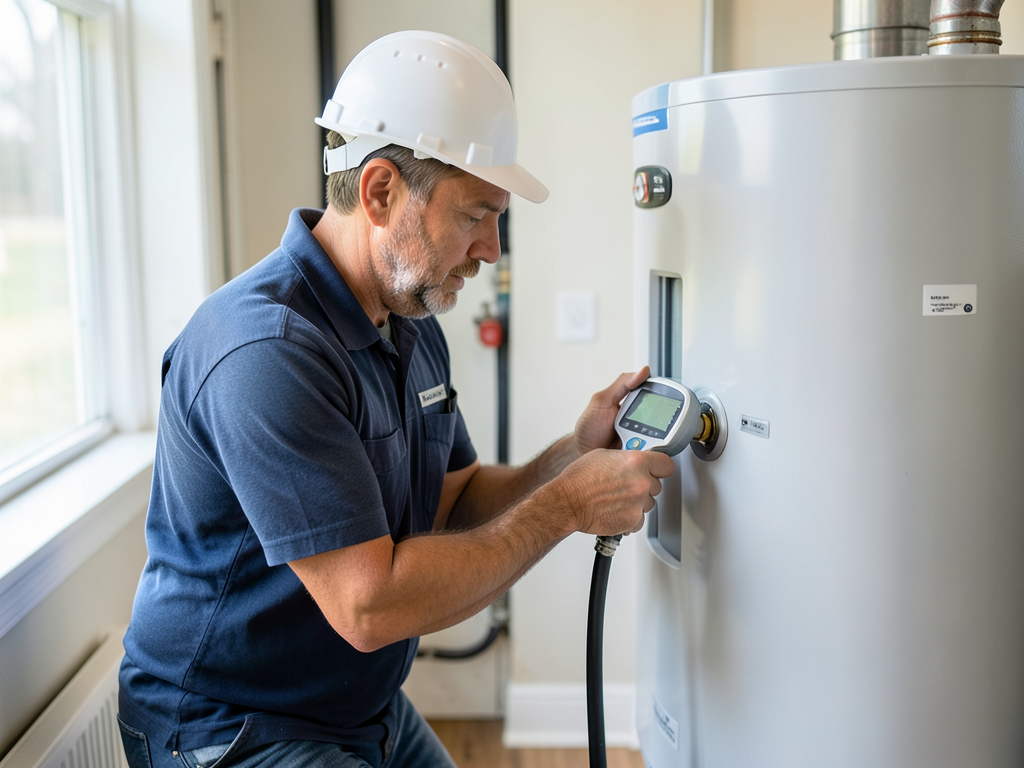
Professional plumbers have specialized tools to diagnose tankless water heater issues including combustion analyzers and digital manometers to measure gas pressure. They can also perform professional descaling which requires specific chemicals and equipment.
Professional Maintenance and Repair Solutions
Professional maintenance for tankless water heaters typically includes several key services.
Professional Descaling
Professional descaling involves circulating a food-grade acid solution through the heat exchanger to dissolve mineral deposits. This process typically takes 2 to 3 hours and should be performed annually in areas with hard water like St. Louis.
According to the International Association of Plumbing and Mechanical Officials (IAPMO) tankless water heaters should be flushed with a descaling solution when the flow rate drops by 10% or more from the original specification. National Fire Protection Association.
Gas Pressure Adjustment
Incorrect gas pressure can cause a range of problems from inefficient operation to dangerous combustion issues. A professional plumber will measure the gas pressure at the unit and adjust it to the manufacturer’s specifications which typically range from 5 to 11 inches of water column depending on the model.
Flow Sensor Calibration
Flow sensors can drift out of calibration over time. Professional calibration ensures the unit activates at the correct flow rate and maintains consistent water temperature. This is particularly important for homes with multiple simultaneous hot water demands.
Preventing Future Noises and Problems
Prevention is always better than cure when it comes to tankless water heater maintenance. Here are several strategies to prevent screeching and other issues.
Annual Professional Maintenance
Schedule professional maintenance annually even if you are not experiencing problems. This allows technicians to catch developing issues before they become major problems and ensures your unit operates at peak efficiency.
Water Softening Systems
Installing a whole-house water softener can significantly reduce mineral buildup in your tankless water heater. While this represents an upfront investment it can extend the life of your water heater and other appliances by preventing scale formation.
Proper Installation
Ensure your tankless water heater is installed according to manufacturer specifications and local building codes. Improper installation is a leading cause of premature failure and unusual noises. This includes proper venting gas line sizing and electrical connections.
Regular Filter Maintenance
Clean or replace intake filters every 3 to 6 months depending on your home’s dust levels. Homes near construction sites or with pets may need more frequent filter maintenance.
Brand-Specific Considerations
Different tankless water heater brands have slightly different noise profiles and common issues. Here is what to know about popular brands in the St. Louis market.
Rinnai Units
Rinnai tankless water heaters are known for their reliability but can develop screeching sounds when the flow sensor becomes dirty. These units typically require professional descaling every 12 to 18 months in St. Louis’s hard water conditions.
Navien Models
Navien units often feature advanced flow monitoring technology that can detect scale buildup before it causes significant problems. However when issues do occur they may display specific error codes related to flow restrictions.
Noritz Systems
Noritz tankless water heaters are popular in the St. Louis area for their cold climate performance. These units may produce more startup noise in winter but persistent screeching usually indicates scale buildup or gas pressure issues.
Rheem Equipment
Rheem offers both residential and commercial tankless options. Their residential units are particularly sensitive to water quality and may require more frequent maintenance in areas with hard water like St. Louis.
Safety Considerations
Gas-powered appliances require careful attention to safety. If you suspect a gas leak or notice any of these warning signs shut off the gas supply and call a professional immediately.
- Rotten egg smell indicating a gas leak
- Soot or discoloration around the unit
- Unusual flame patterns in the combustion chamber
- Excessive condensation or water pooling
- Repeated error codes related to combustion
According to the National Fire Protection Association (NFPA) gas appliances should be inspected annually by a qualified professional to ensure safe operation and prevent carbon monoxide hazards.
Cost Factors for Repair and Maintenance
The cost of addressing tankless water heater noises varies depending on the specific issue and required repairs. Here are typical cost ranges for common services in the St. Louis area.
| Service | Typical Cost Range | Frequency |
|---|---|---|
| Professional descaling | $200 to $400 | Annually |
| Flow sensor replacement | $150 to $300 | As needed |
| Gas pressure adjustment | $100 to $200 | As needed |
| Annual maintenance service | $150 to $250 | Annually |
| Fan motor replacement | $300 to $500 | As needed |
These costs can vary based on the specific model of your unit the accessibility of the installation and whether emergency service is required.
Frequently Asked Questions
Why does my tankless water heater make a high-pitched noise only when I turn on hot water?
This typically indicates restricted water flow through the heat exchanger. When you demand hot water the unit activates and tries to push water through narrowed passages created by scale buildup. The high velocity through these restricted areas creates the high-pitched sound you hear.
Can I use vinegar to descale my tankless water heater myself?
While vinegar can dissolve some scale deposits it is not as effective as professional descaling solutions and may not fully penetrate the heat exchanger. Additionally improper use can damage seals and valves. Professional descaling uses food-grade acids specifically formulated for tankless water heaters and includes proper safety procedures.
How often should I have my tankless water heater serviced in St. Louis?
In St. Louis with its moderately hard water annual professional maintenance is recommended. If you have a water softener you might extend this to every 18 months. However if you notice any unusual noises performance changes or error codes you should call a professional immediately regardless of when service was last performed.
Is a screeching noise dangerous or just annoying?
A screeching noise itself is not typically dangerous but it indicates a developing problem that could become dangerous if ignored. Restricted flow can cause the unit to overheat potentially damaging internal components. In rare cases it could indicate gas pressure issues that affect combustion safety. It is best to have it inspected promptly.
Call Peak Plumbing St. Louis for Expert Tankless Water Heater Service
If your tankless water heater is making a loud screeching sound do not ignore it. The noise is your unit telling you something needs attention. Whether you need professional descaling gas pressure adjustment or a complete diagnostic our licensed plumbers are ready to help.
We serve the entire St. Louis metro area including Clayton Florissant and Webster Groves. Our team understands the unique challenges of St. Louis water quality and climate on your plumbing systems. Plumbing Florissant.
Call (314) 417-7677 today to schedule your tankless water heater inspection. Do not wait until a small noise becomes a major problem. We offer same-day service for urgent issues and can often diagnose and resolve screeching sounds in a single visit.
Pick up the phone and call (314) 417-7677 before the next cold shower. Your tankless water heater works hard for you every day. Let us make sure it keeps working quietly and efficiently for years to come.
Peak Plumbing St. Louis – Your trusted local experts for all water heater repair and maintenance needs. For more information, visit International Association of Plumbing and Mechanical Officials.
{
“@context”: “https://schema.org”,
“@type”: “BlogPosting”,
“headline”: “Why Your Tankless Water Heater Is Making a Loud Screeching Sound”,
“description”: “Learn why your tankless water heater makes a loud screeching sound and how to fix it. Get expert tips for St. Louis homeowners from Peak Plumbing.”,
“wordCount”: 2229,
“datePublished”: “2026-06-05T10:33:00.000Z”,
“dateModified”: “2026-06-05T10:33:00.000Z”,
“inLanguage”: “en-US”,
“mainEntityOfPage”: {
“@type”: “WebPage”,
“@id”: “https://peakplumbingstlouis.com”
},
“publisher”: {
“@type”: “LocalBusiness”,
“name”: “Peak Plumbing St. Louis”,
“url”: “https://peakplumbingstlouis.com”
},
“author”: {
“@type”: “Organization”,
“name”: “Peak Plumbing St. Louis”,
“url”: “https://peakplumbingstlouis.com”
},
“image”: {
“@type”: “ImageObject”,
“url”: “https://peakplumbingstlouis.com/wp-content/uploads/2026/03/why-your-tankless-water-heater-is-making-a-loud-sc-1.png”
}
}
{
“@context”: “https://schema.org”,
“@type”: “Plumber”,
“name”: “Peak Plumbing St. Louis”,
“url”: “https://peakplumbingstlouis.com”,
“address”: {
“@type”: “PostalAddress”,
“addressLocality”: “St. Louis”
},
“areaServed”: {
“@type”: “City”,
“name”: “St. Louis”
}
}
{
“@context”: “https://schema.org”,
“@type”: “FAQPage”,
“mainEntity”: [
{
“@type”: “Question”,
“name”: “Why does my tankless water heater make a high-pitched noise only when I turn on hot water?”,
“acceptedAnswer”: {
“@type”: “Answer”,
“text”: “This typically indicates restricted water flow through the heat exchanger. When you demand hot water the unit activates and tries to push water through narrowed passages created by scale buildup. The high velocity through these restricted areas creates the high-pitched sound you hear.”
}
},
{
“@type”: “Question”,
“name”: “Can I use vinegar to descale my tankless water heater myself?”,
“acceptedAnswer”: {
“@type”: “Answer”,
“text”: “While vinegar can dissolve some scale deposits it is not as effective as professional descaling solutions and may not fully penetrate the heat exchanger. Additionally improper use can damage seals and valves. Professional descaling uses food-grade acids specifically formulated for tankless water heaters and includes proper safety procedures.”
}
},
{
“@type”: “Question”,
“name”: “How often should I have my tankless water heater serviced in St. Louis?”,
“acceptedAnswer”: {
“@type”: “Answer”,
“text”: “In St. Louis with its moderately hard water annual professional maintenance is recommended. If you have a water softener you might extend this to every 18 months. However if you notice any unusual noises performance changes or error codes you should call a professional immediately regardless of when service was last performed.”
}
},
{
“@type”: “Question”,
“name”: “Is a screeching noise dangerous or just annoying?”,
“acceptedAnswer”: {
“@type”: “Answer”,
“text”: “A screeching noise itself is not typically dangerous but it indicates a developing problem that could become dangerous if ignored. Restricted flow can cause the unit to overheat potentially damaging internal components. In rare cases it could indicate gas pressure issues that affect combustion safety. It is best to have it inspected promptly.”
}
}
]
}
{
“@context”: “https://schema.org”,
“@type”: “BreadcrumbList”,
“itemListElement”: [
{
“@type”: “ListItem”,
“position”: 1,
“name”: “Home”,
“item”: “https://peakplumbingstlouis.com”
},
{
“@type”: “ListItem”,
“position”: 2,
“name”: “Blog”,
“item”: “https://peakplumbingstlouis.com/blog”
},
{
“@type”: “ListItem”,
“position”: 3,
“name”: “Why Your Tankless Water Heater Is Making a Loud Screeching Sound”
}
]
}
{
“@context”: “https://schema.org”,
“@type”: “Service”,
“serviceType”: “Plumbing”,
“provider”: {
“@type”: “LocalBusiness”,
“name”: “Peak Plumbing St. Louis”,
“url”: “https://peakplumbingstlouis.com”
},
“areaServed”: {
“@type”: “City”,
“name”: “St. Louis”
},
“description”: “Learn why your tankless water heater makes a loud screeching sound and how to fix it. Get expert tips for St. Louis homeowners from Peak Plumbing.”
}