
Are Low-Flow Toilets Worth the Trouble for Downtown West Loft Living?
Living in a Downtown West loft means balancing modern efficiency with historic charm. Low-flow toilets promise water savings but raise concerns about flush power and compatibility with St. Louis’s older plumbing infrastructure. This guide breaks down the real pros and cons for Downtown West residents, helping you decide if making the switch is worth it. How to Get a Same-Day Water Heater Repair in Sunset Hills.
Understanding Low-Flow Technology: What You Need to Know
Low-flow toilets use 1.28 gallons per flush or less, compared to older models that use 3.5 gallons or more. The EPA WaterSense certification ensures these fixtures meet strict performance standards while reducing water consumption by up to 60%. Modern low-flow toilets achieve this through improved bowl design, trapway engineering, and flush valve technology. EPA WaterSense program.
The Evolution of Low-Flow Toilets
Early 1990s low-flow models earned a reputation for poor performance due to rushed implementation without proper engineering. Today’s units incorporate pressure-assisted technology, larger trapways, and computer-designed bowl contours that maintain strong flushing while using less water.
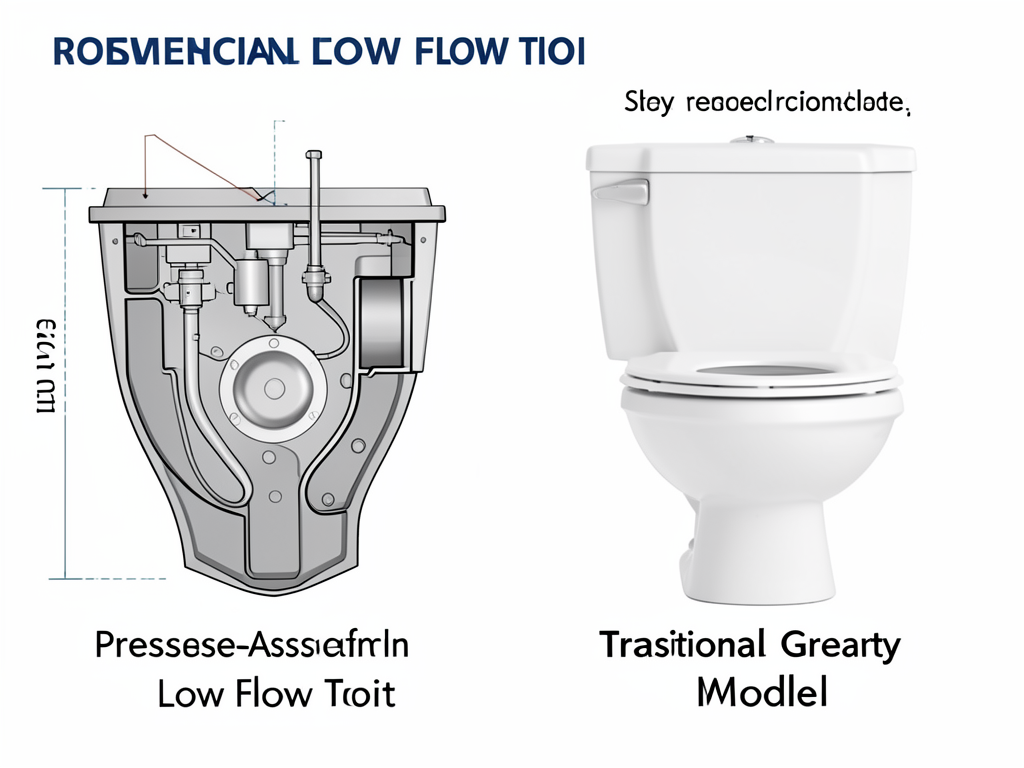
Cross-section diagram showing internal components of a modern pressure-assisted low-flow toilet versus a traditional gravity-fed model
Water Savings and Cost Analysis for Downtown West Residents
Missouri American Water rates in St. Louis average $5.68 per 1,000 gallons. A family of four using an older 3.5 GPF toilet flushes approximately 20 times daily, consuming 25,550 gallons annually. Switching to a 1.28 GPF model reduces this to 9,344 gallons, saving 16,206 gallons per year.
Annual water cost savings: $92.13
Estimated ROI period: 3-5 years depending on toilet price and local rebates
Metropolitan St. Louis Sewer District Rebate Program
The MSD offers rebates up to $100 per qualifying high-efficiency toilet installation. Downtown West properties often qualify since they’re within the service area. This significantly reduces the initial investment cost. Professional Gas Line Installation for Your New Outdoor Kitchen in Wildwood.
Performance Comparison: Gravity vs. Pressure-Assisted Models
| Feature | Gravity-Fed | Pressure-Assisted |
|---|---|---|
| Flush Power (MaP Score) | 800-1000 grams | 1000-1200 grams |
| Noise Level | Quiet | Loud whoosh |
| Maintenance | Simple flapper replacement | Pressure tank servicing |
| Price Range | $150-$400 | $250-$600 |
| Best For | Low-traffic bathrooms | High-traffic commercial or family use |
MaP Testing Explained
The Maximum Performance (MaP) test measures how many grams of soybean paste a toilet can flush in a single operation. St. Louis building codes require a minimum 350-gram score for residential units, but modern low-flow toilets consistently achieve 800+ grams, exceeding older 3.5 GPF models.
Compatibility with Downtown West’s Historic Plumbing
Downtown West features buildings constructed from the 1880s through 1960s, with plumbing systems ranging from original cast iron to modern PVC. Understanding your building’s infrastructure is crucial before installing low-flow fixtures. Plumbing Florissant.
Assessing Your Building’s Drain System
Older buildings often have horizontal drain lines with minimal slope due to settling over decades. Low-flow toilets require adequate drain line carry to move waste effectively. A simple diagnostic test involves timing how long it takes for water to drain from a full bathtub – if it takes more than 2 minutes, your system may struggle with low-flow fixtures.
The “bucket test” helps evaluate drain capacity. Fill a 5-gallon bucket and pour it quickly into the toilet. If water backs up into the bowl, your drain line may need evaluation before installing low-flow units.
Common Concerns and Solutions for Downtown West Residents
The Double Flush Myth
Modern low-flow toilets rarely require double flushing when properly maintained. The issue often stems from mineral buildup in St. Louis’s hard water supply, which affects the flush valve seal. Annual cleaning with vinegar solution prevents most performance issues.
Clog Prevention Strategies
Clay sewer laterals common in Downtown West properties can be sensitive to reduced water volume. Installing toilets with 2-⅛ inch trapways and MaP scores above 1000 minimizes clog risk. Regular professional drain cleaning every 18-24 months also helps maintain system health.. Read more about Thinking About Installing a Bidet in Your Tower Grove South Bathroom (Read This First).
Hard Water Considerations
St. Louis water hardness averages 10-12 grains per gallon. This mineral content can affect low-flow toilet performance by clogging rim holes and reducing flush efficiency. Installing a whole-house water softener or using toilet-specific cleaning tablets extends fixture life.
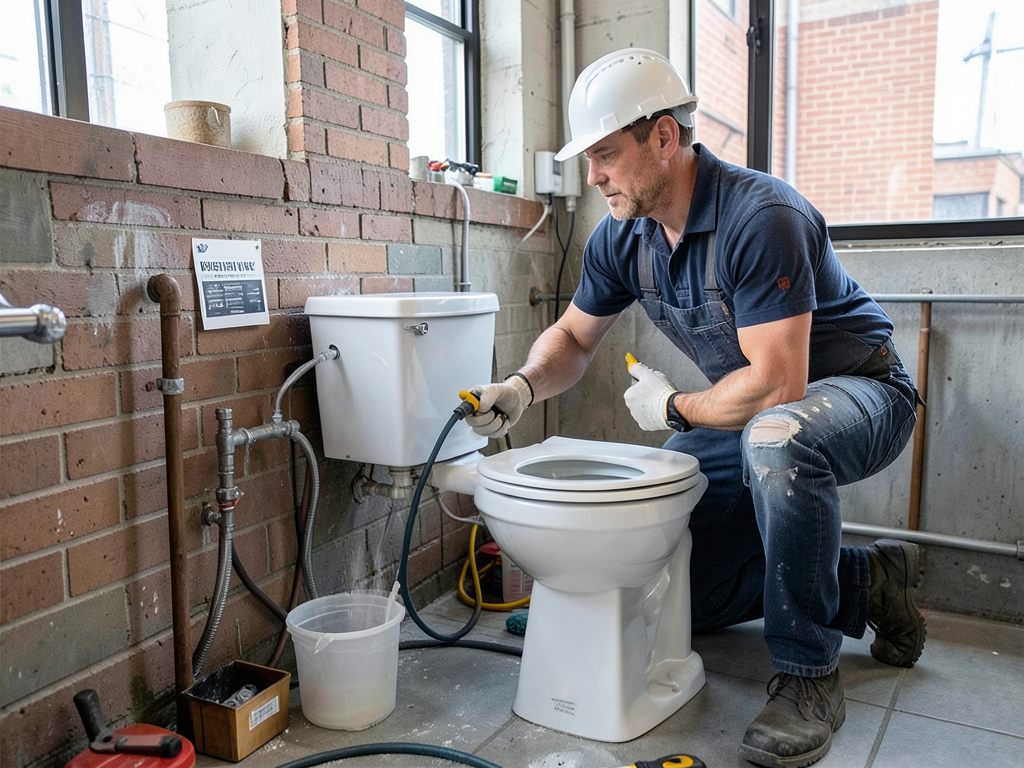
Technician performing diagnostic test on toilet flush performance in a Downtown West loft bathroom
Installation Considerations for Loft Spaces
Downtown West lofts often feature unique plumbing configurations due to converted warehouse spaces. Wall-mounted toilets save floor space but require specific carrier frames. Floor-mounted models offer easier installation but may need flange adapters for existing plumbing. Plumbing Clayton.
Water Pressure Requirements
Most low-flow toilets function with 20-25 PSI minimum pressure. Downtown West buildings typically maintain 35-45 PSI, sufficient for both gravity and pressure-assisted models. Buildings with pressure below 20 PSI may need booster pumps for optimal performance.
Maintenance Requirements for Low-Flow Toilets
Regular Maintenance Schedule
Low-flow toilets require slightly different maintenance than traditional models. Monthly cleaning of rim holes prevents mineral buildup. Annual inspection of the flush valve seal and fill valve ensures consistent performance. Replacing flappers every 2-3 years prevents water waste from slow leaks. Replacing Old Iron Pipes in Historic Webster Groves Homes.
DIY Troubleshooting Guide
- Weak Flush
Check rim holes for mineral deposits. Clean with vinegar solution and small brush.
- Phantom Flushing
Inspect flapper for wear. Replace if showing signs of deterioration or mineral buildup.
- Running Toilet
Check fill valve adjustment. Ensure water level sits 1/2 inch below overflow tube.
- Slow Tank Fill
Clean fill valve filter. Check water supply valve for partial closure.
Top Low-Flow Toilet Recommendations for St. Louis Homes
| Model | GPF | MaP Score | Price Range | Best Feature |
|---|---|---|---|---|
| Toto Eco Drake | 1.28 | 1000 | $250-$350 | Reliable gravity flush |
| American Standard Cadet 3 | 1.28 | 1000 | $200-$300 | EverClean surface |
| Kohler Wellworth | 1.28 | 1000 | $230-$320 | Class Five flushing |
| Niagara Stealth | 0.8 | 900 | $225-$325 | Ultra-high efficiency |
| Glacier Bay Dual Flush | 1.1/1.6 | 1000 | $150-$250 | Water conservation option |
Frequently Asked Questions
Do low-flow toilets really save money?
Yes. A family of four can save $75-$100 annually on water bills, with ROI typically achieved in 3-5 years. St. Louis’s MSD rebate program can reduce this period to 2-3 years.
Will a low-flow toilet work in my 100-year-old building?
Most modern low-flow toilets work in older buildings, but buildings with poor drain line slope or existing plumbing issues may experience problems. A professional assessment determines compatibility.
How do I know if my building qualifies for the MSD rebate?
MSD rebates are available for residential properties within their service area. Downtown West properties almost always qualify. Check the MSD website or call (314) 417-7677 for verification assistance.
What’s the difference between 1.28 GPF and 1.6 GPF toilets?
The 1.28 GPF models meet current EPA WaterSense standards and offer maximum water savings. The 1.6 GPF models are still considered low-flow but provide slightly more flushing power, which some users prefer in older buildings.
Making the Right Choice for Your Downtown West Loft
Low-flow toilets represent a smart investment for Downtown West residents who prioritize water conservation and long-term cost savings. Modern engineering has largely solved the performance issues that plagued early models, making them reliable for most applications.
Consider your building’s specific plumbing configuration, household size, and water quality when selecting a model. Pressure-assisted units offer maximum reliability for high-traffic bathrooms, while gravity-fed models provide quiet operation and simple maintenance for guest bathrooms or secondary units.
The combination of water savings, potential rebates, and improved technology makes low-flow toilets worth considering for most Downtown West properties. Professional installation ensures proper integration with your existing plumbing system.
Ready to upgrade your bathroom with a water-efficient toilet? Call (314) 417-7677 today to schedule a consultation and learn about current rebate opportunities for your Downtown West loft. For more information, visit Metropolitan St. Louis Sewer District.
Key Takeaways
- Modern low-flow toilets use 1.28 gallons per flush or less
- Annual water savings average $75-$100 for typical households
- MSD offers up to $100 rebates for qualifying installations
- MaP scores above 1000 ensure reliable performance
- Professional assessment prevents compatibility issues with older plumbing
{
“@context”: “https://schema.org”,
“@type”: “BlogPosting”,
“headline”: “Are Low-Flow Toilets Worth the Trouble for Downtown West Loft Living?”,
“description”: “Discover if low-flow toilets really save money in Downtown West lofts. We compare flush power, water savings, and compatibility with St. Louis’s aging sewer system.”,
“wordCount”: 1319,
“datePublished”: “2026-04-07T06:27:00.000Z”,
“dateModified”: “2026-04-07T06:27:00.000Z”,
“inLanguage”: “en-US”,
“mainEntityOfPage”: {
“@type”: “WebPage”,
“@id”: “https://peakplumbingstlouis.com”
},
“publisher”: {
“@type”: “LocalBusiness”,
“name”: “Peak Plumbing St. Louis”,
“url”: “https://peakplumbingstlouis.com”
},
“author”: {
“@type”: “Organization”,
“name”: “Peak Plumbing St. Louis”,
“url”: “https://peakplumbingstlouis.com”
},
“image”: {
“@type”: “ImageObject”,
“url”: “https://peakplumbingstlouis.com/wp-content/uploads/2026/03/are-low-flow-toilets-worth-the-trouble-for-downtow-1.png”
}
}
{
“@context”: “https://schema.org”,
“@type”: “Plumber”,
“name”: “Peak Plumbing St. Louis”,
“url”: “https://peakplumbingstlouis.com”,
“address”: {
“@type”: “PostalAddress”,
“addressLocality”: “St. Louis”
},
“areaServed”: {
“@type”: “City”,
“name”: “St. Louis”
}
}
{
“@context”: “https://schema.org”,
“@type”: “FAQPage”,
“mainEntity”: [
{
“@type”: “Question”,
“name”: “Do low-flow toilets really save money?”,
“acceptedAnswer”: {
“@type”: “Answer”,
“text”: “Yes. A family of four can save $75-$100 annually on water bills, with ROI typically achieved in 3-5 years. St. Louis’s MSD rebate program can reduce this period to 2-3 years.”
}
},
{
“@type”: “Question”,
“name”: “Will a low-flow toilet work in my 100-year-old building?”,
“acceptedAnswer”: {
“@type”: “Answer”,
“text”: “Most modern low-flow toilets work in older buildings, but buildings with poor drain line slope or existing plumbing issues may experience problems. A professional assessment determines compatibility.”
}
},
{
“@type”: “Question”,
“name”: “How do I know if my building qualifies for the MSD rebate?”,
“acceptedAnswer”: {
“@type”: “Answer”,
“text”: “MSD rebates are available for residential properties within their service area. Downtown West properties almost always qualify. Check the MSD website or call (314) 417-7677 for verification assistance.”
}
},
{
“@type”: “Question”,
“name”: “What’s the difference between 1.28 GPF and 1.6 GPF toilets?”,
“acceptedAnswer”: {
“@type”: “Answer”,
“text”: “The 1.28 GPF models meet current EPA WaterSense standards and offer maximum water savings. The 1.6 GPF models are still considered low-flow but provide slightly more flushing power, which some users prefer in older buildings.”
}
}
]
}
{
“@context”: “https://schema.org”,
“@type”: “HowTo”,
“name”: “Low-Flow Toilet Troubleshooting”,
“step”: [
{
“@type”: “HowToStep”,
“position”: 1,
“name”: “Weak Flush”,
“text”: “Check rim holes for mineral deposits. Clean with vinegar solution and small brush.”
},
{
“@type”: “HowToStep”,
“position”: 2,
“name”: “Phantom Flushing”,
“text”: “Inspect flapper for wear. Replace if showing signs of deterioration or mineral buildup.”
},
{
“@type”: “HowToStep”,
“position”: 3,
“name”: “Running Toilet”,
“text”: “Check fill valve adjustment. Ensure water level sits 1/2 inch below overflow tube.”
},
{
“@type”: “HowToStep”,
“position”: 4,
“name”: “Slow Tank Fill”,
“text”: “Clean fill valve filter. Check water supply valve for partial closure.”
}
],
“image”: “https://peakplumbingstlouis.com/wp-content/uploads/2026/03/are-low-flow-toilets-worth-the-trouble-for-downtow-1.png”
}
{
“@context”: “https://schema.org”,
“@type”: “BreadcrumbList”,
“itemListElement”: [
{
“@type”: “ListItem”,
“position”: 1,
“name”: “Home”,
“item”: “https://peakplumbingstlouis.com”
},
{
“@type”: “ListItem”,
“position”: 2,
“name”: “Blog”,
“item”: “https://peakplumbingstlouis.com/blog”
},
{
“@type”: “ListItem”,
“position”: 3,
“name”: “Are Low-Flow Toilets Worth the Trouble for Downtown West Loft Living?”
}
]
}
{
“@context”: “https://schema.org”,
“@type”: “Service”,
“serviceType”: “Plumbing”,
“provider”: {
“@type”: “LocalBusiness”,
“name”: “Peak Plumbing St. Louis”,
“url”: “https://peakplumbingstlouis.com”
},
“areaServed”: {
“@type”: “City”,
“name”: “St. Louis”
},
“description”: “Discover if low-flow toilets really save money in Downtown West lofts. We compare flush power, water savings, and compatibility with St. Louis’s aging sewer system.”
}