
Choosing the Best Local Plumber in St. Louis for Your Next Big Bathroom Remodel
Planning a bathroom remodel in St. Louis means navigating older home plumbing systems strict local codes and the region’s freeze-thaw climate. This guide walks you through finding a licensed experienced plumber who understands St. Louis County’s unique requirements from historic neighborhoods to modern builds. St. Louis City Plumbing Permits.
Why Local Plumbing Expertise Matters in St. Louis
St. Louis homes face specific plumbing challenges that out-of-area contractors often miss. The city’s clay-heavy soil shifts seasonally putting pressure on underground pipes. Historic districts like Soulard and Lafayette Square contain aging cast-iron stacks that require specialized repair techniques. Even newer developments in Chesterfield contend with Missouri’s freeze-thaw cycles that can split copper lines if not properly insulated. Missouri Division of Professional Registration.
Local plumbers understand these regional factors and carry the Missouri Division of Professional Registration licenses required for work in both the city and county. They also know the Metropolitan Sewer District’s lateral repair program and can help homeowners navigate permit requirements that generic contractors overlook. Why Kirkwood Homeowners Keep Calling Us for Stubborn Drain Clogs.
How to Verify a St. Louis Plumber’s Credentials
Before signing any contract confirm the plumber holds a valid Missouri Master Plumber license. The state’s online verification system lets you check license status instantly. Also verify general liability insurance and workers’ compensation coverage critical for protecting your home during demolition and installation phases. Professional Gas Line Installation for Your New Outdoor Kitchen in Wildwood.
Ask about specific bathroom remodel experience. Has the plumber handled projects involving:
- Moving existing drain lines in slab foundations
- Installing luxury fixtures like steam showers or body sprays
- Upgrading to water-efficient toilets and faucets
- Working with vintage tile without damaging surrounding surfaces
Key Questions to Ask Before Hiring
The right plumber will answer these questions clearly:
- How many bathroom remodels have you completed in the past year?
- Can you provide references from recent St. Louis projects?
- What’s your process for handling unexpected issues like hidden leaks or mold?
- Do you coordinate with other tradespeople like electricians and tile setters?
- What warranties do you offer on both labor and materials?
Understanding St. Louis Bathroom Remodel Costs
Bathroom plumbing costs in St. Louis vary based on several factors: St. Louis County Plumbing Permits.
| Service Type | Typical Range | Key Factors | Average Completion Time |
|---|---|---|---|
| Drain line relocation | $800-$2,500 | Wall type foundation distance | 1-2 days |
| Fixture installation | $150-$600 per fixture | Accessibility fixture complexity | 2-4 hours each |
| Water line upgrades | $400-$1,200 | Pipe material accessibility | 1-3 days |
| Shower valve replacement | $300-$800 | Wall access valve type | 4-8 hours |
These ranges reflect St. Louis market conditions. A plumber familiar with local suppliers can often source materials faster and at better prices than out-of-area contractors.
Common St. Louis Bathroom Plumbing Issues
During remodels St. Louis plumbers frequently encounter:
- Galvanized steel pipes from the 1950s-60s that have corroded internally
- Clay sewer laterals that crack during excavation
- Insufficient venting causing slow drains
- Outdated shut-off valves that seize when turned
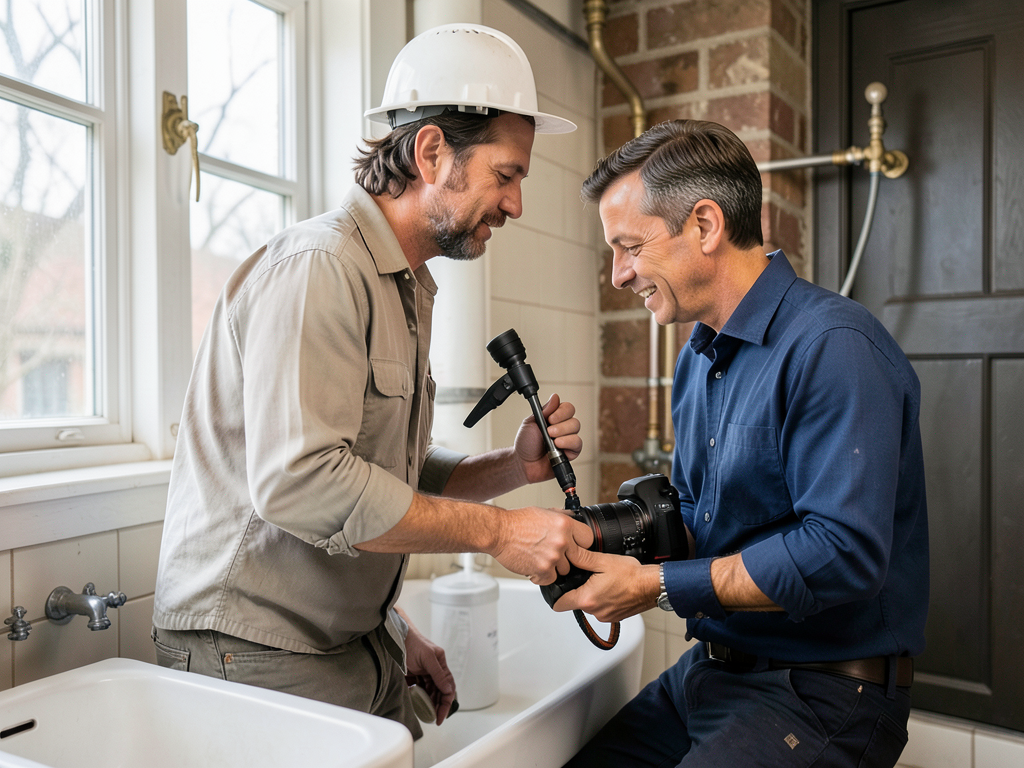
A thorough inspection before demolition can identify these issues preventing costly mid-project delays. Many St. Louis plumbers use camera inspections to assess pipe conditions without destructive testing. The process involves inserting a waterproof camera through cleanouts to view pipe interiors on a monitor. How to Get a Same-Day Water Heater Repair in Sunset Hills.
Timeline Expectations for Bathroom Remodels
Plumbing work typically follows this sequence:
- Demolition and rough-in (1-2 days)
- Inspection and adjustments (1 day)
- Fixture installation (1-2 days)
- Final inspection and testing (1 day)
Most bathroom remodels require at least two inspections: one after rough-in and one final inspection. St. Louis County and city inspectors have different requirements so your plumber should know which applies to your property. The City of St. Louis follows the 2021 International Plumbing Code with local amendments found in Section 11 of the city’s building code. Plumbing Florissant.
Emergency Considerations During Remodels
Even well-planned remodels can hit snags. A reliable St. Louis plumber offers:
- 24/7 emergency availability for burst pipes or major leaks
- Clear communication channels during the project
- Backup plans for extended water shutoffs
Ask specifically about emergency response times. A plumber based in Clayton might reach central St. Louis faster than one from O’Fallon during rush hour. The I-64/I-70 interchange construction project has increased traffic delays making local plumbers more valuable for quick response times.
Red Flags to Watch For
Be cautious of plumbers who:
- Refuse to provide written estimates
- Pressure you to make immediate decisions
- Lack local references or a physical business address
- Offer prices significantly below market rates
Extremely low bids often indicate cutting corners on materials or skipping necessary permits both risky for bathroom remodels where water damage can cost thousands to repair. The Missouri Attorney General’s office receives numerous complaints about unlicensed contractors each year particularly in the remodeling sector.
Permits and Inspections in St. Louis
St. Louis City and County have different permit requirements. City residents need permits for:
- Any new fixture installation
- Drain line modifications
- Water heater replacements
County residents may need permits for similar work but requirements vary by municipality. A knowledgeable local plumber handles permit applications and coordinates inspections saving you time and ensuring code compliance. The St. Louis County Department of Public Health requires permits for all plumbing work in unincorporated areas.
Making Your Final Decision
After gathering estimates and checking credentials consider:
- Does the plumber communicate clearly and promptly?
- Have they asked about your specific needs and concerns?
- Do they seem familiar with your neighborhood’s housing stock?
- Is their estimate detailed and transparent?
The cheapest option isn’t always the best value. A plumber who charges slightly more but works efficiently and communicates well often saves money by avoiding mistakes and delays. Look for plumbers with experience in your specific zip code area whether that’s 63108 in the Central West End or 63017 in Chesterfield.
Ready to Start Your Bathroom Remodel?
Call (314) 417-7677 today to schedule a consultation with a licensed St. Louis plumber who understands your neighborhood’s specific needs. Whether you’re in a historic Central West End brownstone or a modern Chesterfield home local expertise makes the difference between a smooth remodel and a plumbing nightmare.. Read more about Deciding Between a Toilet Repair and a Full Replacement for Your Maplewood Home.
Frequently Asked Questions
How long does a typical bathroom remodel take?
Most bathroom remodels take 2-3 weeks from demolition to final inspection. Plumbing work itself usually requires 3-5 days spread across the project timeline.
Do I need permits for bathroom plumbing work?
Yes both St. Louis City and County require permits for most bathroom plumbing modifications. Your plumber should handle permit applications as part of the project.
What should I do if I discover old pipes during demolition?
Stop work immediately and consult your plumber. Many older homes contain lead or severely corroded pipes that require special handling and replacement to meet current codes. Replacing Old Iron Pipes in Historic Webster Groves Homes.
Can I keep my existing fixtures to save money?
Sometimes. However older fixtures may not meet current efficiency standards or could fail during the remodel. Your plumber can assess whether existing fixtures are worth keeping.
{
“@context”: “https://schema.org”,
“@type”: “BlogPosting”,
“headline”: “Choosing the Best Local Plumber in St. Louis for Your Next Big Bathroom Remodel”,
“description”: “Find licensed St. Louis plumbers who understand local codes, historic homes, and Missouri’s freeze-thaw climate. Get expert bathroom remodel guidance.”,
“wordCount”: 1180,
“datePublished”: “2026-03-02T16:10:00.000Z”,
“dateModified”: “2026-03-02T16:10:00.000Z”,
“inLanguage”: “en-US”,
“mainEntityOfPage”: {
“@type”: “WebPage”,
“@id”: “https://peakplumbingstlouis.com”
},
“publisher”: {
“@type”: “LocalBusiness”,
“name”: “Peak Plumbing St. Louis”,
“url”: “https://peakplumbingstlouis.com”
},
“author”: {
“@type”: “Organization”,
“name”: “Peak Plumbing St. Louis”,
“url”: “https://peakplumbingstlouis.com”
},
“image”: {
“@type”: “ImageObject”,
“url”: “https://peakplumbingstlouis.com/wp-content/uploads/2026/03/choosing-the-best-local-plumber-in-st-louis-for-yo-1.png”
}
}
{
“@context”: “https://schema.org”,
“@type”: “Plumber”,
“name”: “Peak Plumbing St. Louis”,
“url”: “https://peakplumbingstlouis.com”,
“address”: {
“@type”: “PostalAddress”,
“addressLocality”: “St. Louis”
},
“areaServed”: {
“@type”: “City”,
“name”: “St. Louis”
}
}
{
“@context”: “https://schema.org”,
“@type”: “FAQPage”,
“mainEntity”: [
{
“@type”: “Question”,
“name”: “Ready to Start Your Bathroom Remodel?”,
“acceptedAnswer”: {
“@type”: “Answer”,
“text”: “Call (314) 417-7677 today to schedule a consultation with a licensed St. Louis plumber who understands your neighborhood’s specific needs. Whether you’re in a historic Central West End brownstone or a modern Chesterfield home local expertise makes the difference between a smooth remodel and a plumbing nightmare.”
}
},
{
“@type”: “Question”,
“name”: “How long does a typical bathroom remodel take?”,
“acceptedAnswer”: {
“@type”: “Answer”,
“text”: “Most bathroom remodels take 2-3 weeks from demolition to final inspection. Plumbing work itself usually requires 3-5 days spread across the project timeline.”
}
},
{
“@type”: “Question”,
“name”: “Do I need permits for bathroom plumbing work?”,
“acceptedAnswer”: {
“@type”: “Answer”,
“text”: “Yes both St. Louis City and County require permits for most bathroom plumbing modifications. Your plumber should handle permit applications as part of the project.”
}
},
{
“@type”: “Question”,
“name”: “What should I do if I discover old pipes during demolition?”,
“acceptedAnswer”: {
“@type”: “Answer”,
“text”: “Stop work immediately and consult your plumber. Many older homes contain lead or severely corroded pipes that require special handling and replacement to meet current codes. Replacing Old Iron Pipes in Historic Webster Groves Homes.”
}
},
{
“@type”: “Question”,
“name”: “Can I keep my existing fixtures to save money?”,
“acceptedAnswer”: {
“@type”: “Answer”,
“text”: “Sometimes. However older fixtures may not meet current efficiency standards or could fail during the remodel. Your plumber can assess whether existing fixtures are worth keeping.”
}
}
]
}
{
“@context”: “https://schema.org”,
“@type”: “BreadcrumbList”,
“itemListElement”: [
{
“@type”: “ListItem”,
“position”: 1,
“name”: “Home”,
“item”: “https://peakplumbingstlouis.com”
},
{
“@type”: “ListItem”,
“position”: 2,
“name”: “Blog”,
“item”: “https://peakplumbingstlouis.com/blog”
},
{
“@type”: “ListItem”,
“position”: 3,
“name”: “Choosing the Best Local Plumber in St. Louis for Your Next Big Bathroom Remodel”
}
]
}
{
“@context”: “https://schema.org”,
“@type”: “Service”,
“serviceType”: “Plumbing”,
“provider”: {
“@type”: “LocalBusiness”,
“name”: “Peak Plumbing St. Louis”,
“url”: “https://peakplumbingstlouis.com”
},
“areaServed”: {
“@type”: “City”,
“name”: “St. Louis”
},
“description”: “Find licensed St. Louis plumbers who understand local codes, historic homes, and Missouri’s freeze-thaw climate. Get expert bathroom remodel guidance.”
}