
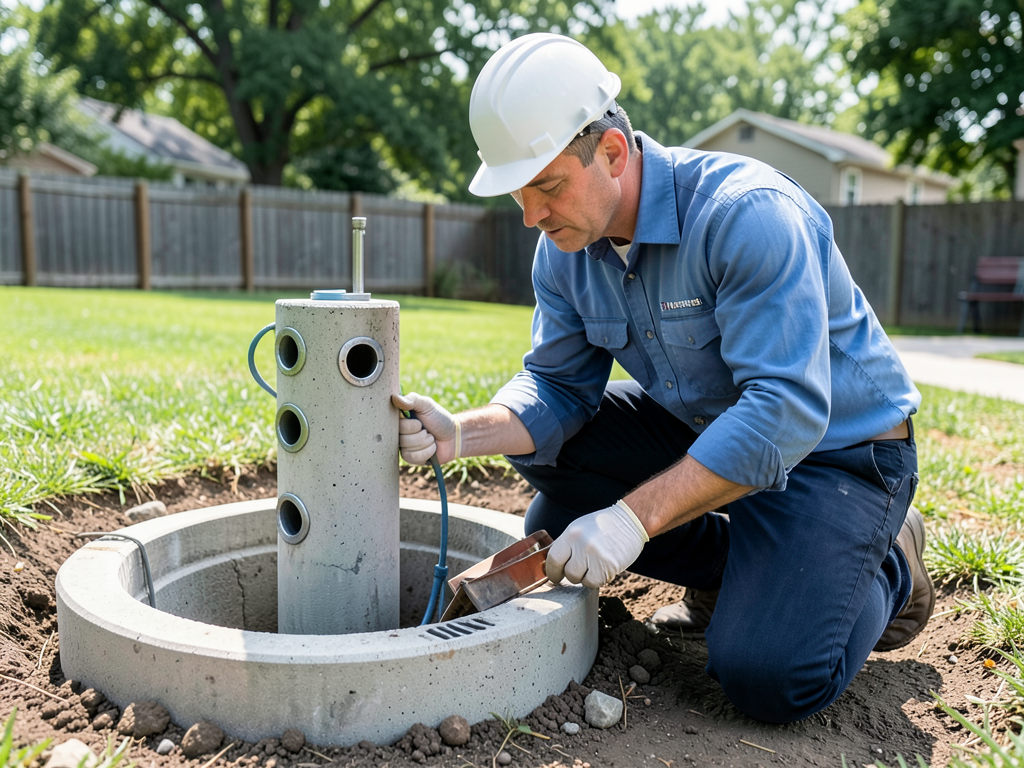
If you live in Villa Ridge, you’ve probably heard conflicting advice about septic tank additives. Some products promise to eliminate pumping forever. Others warn that additives can damage your system. Here’s the truth: most additives are unnecessary, and some can actually harm your leach field. The best way to maintain your septic system is through regular pumping and proper use—not chemical shortcuts.
Understanding Your Villa Ridge Septic System
Villa Ridge homes sit on Missouri’s typical clay-heavy soil, which drains slowly compared to sandy regions. This means your septic system faces unique challenges. The anaerobic bacteria in your tank break down waste naturally, but clay soil can restrict drainage in the leach field, leading to backups.
Golden Nugget #1: Missouri’s Department of Natural Resources requires septic systems in Franklin County (where Villa Ridge is located) to be inspected every three years for systems with mechanical components, and every five years for conventional gravity systems. This local requirement helps prevent system failures that could contaminate groundwater.
The Additive Industry: What They Claim vs. Reality
Walk down any home improvement aisle and you’ll see bottles promising to “restore your septic system” or “eliminate odors forever.” These products fall into three categories:
- Bacterial starters (for new systems)
- Enzyme-based cleaners (for clogs)
- Chemical treatments (for odors and backups)
The problem? Your septic tank already contains the bacteria it needs. Adding more doesn’t speed up the process—it just creates competition for limited food sources.
Golden Nugget #2: The EPA’s official stance on septic additives states that “no additive can eliminate the need for pumping a septic tank.” This applies to all products, regardless of marketing claims. The EPA recommends pumping every 3-5 years depending on household size and usage.
When Additives Might Help (And When They Don’t)
There are specific situations where additives can be useful:
- New System Startup
If your system was just installed and the tank sat empty for weeks, a bacterial starter can help re-establish the microbial colony. However, this is only necessary if the system was completely drained and left unused.
- Post-Flood Recovery
After heavy rains or flooding (common in Villa Ridge during spring), your system might need help recovering. Enzyme-based products can assist in breaking down organic matter that entered during the flood.
- Vacation Recovery
If your household was vacant for more than 30 days, the bacterial colony may have diminished. A mild bacterial additive can help restart the process.
However, additives won’t fix these problems:
- Tree root intrusion in pipes
- Collapsed baffles or damaged tank walls
- Failed leach field due to soil compaction
- Excessive water usage overwhelming the system
Golden Nugget #3: In Missouri’s clay soil, the most common septic failure isn’t biological—it’s hydraulic. The soil becomes saturated and can’t absorb effluent, causing backups regardless of how healthy your tank bacteria are.
The Villa Ridge Soil Factor: Why Location Matters
Villa Ridge sits in Franklin County’s central region, where soil composition varies from silty clay to clay loam. This affects how well your system drains:
| Soil Type | Drainage Rate | Additive Effectiveness | Maintenance Need |
|---|---|---|---|
| Clay-heavy | Slow (less than 0.5 inches/hour) | Low | High |
| Silt loam | Moderate (0.5-2 inches/hour) | Moderate | Moderate |
| Sandy areas | Fast (over 2 inches/hour) | Low | Low |
Golden Nugget #4: The University of Missouri Extension Service offers free soil testing for septic system planning. Homeowners in Villa Ridge can contact their local extension office to determine their exact soil classification, which affects both system design and maintenance needs.
Products to Avoid: The Chemical Danger Zone
Some additives contain chemicals that can destroy your septic system’s natural balance:
- Sodium hydroxide (lye) – kills beneficial bacteria
- Hydrogen peroxide – oxidizes and destroys the anaerobic environment
- Formaldehyde – toxic to all biological processes
- Antibacterial soaps and cleaners – ongoing low-level damage
Missouri’s Department of Health and Senior Services specifically warns against using chemical additives that claim to eliminate pumping. These products often contain harsh chemicals that can leach into groundwater, violating both state and federal regulations. How to Get a Same-Day Water Heater Repair in Sunset Hills.
Golden Nugget #5: The Missouri Department of Natural Resources requires all septic system additives sold in the state to be registered and labeled with specific warnings about potential groundwater contamination. Unregistered products are illegal to sell or use in Missouri.
The Professional Alternative: What Actually Works
Instead of additives, focus on these proven maintenance strategies:
- Regular Pumping Schedule
Based on household size:
- 1-2 people: every 5 years
- 3-5 people: every 3-4 years
- 6+ people: every 2-3 years
- Water Conservation
Install low-flow fixtures and spread out laundry loads. A single load uses 30-40 gallons—doing all laundry in one day can overwhelm your system.
- Proper Waste Disposal
Never flush:
- “Flushable” wipes (they don’t break down)
- Cooking grease
- Medications
- Paper towels or feminine products
Signs Your System Needs Professional Attention
Don’t wait for a complete failure. Call a professional if you notice: Professional Gas Line Installation for Your New Outdoor Kitchen in Wildwood.
- Slow drains throughout the house
- Gurgling sounds in plumbing
- Wet spots or lush grass over the drain field
- Septic odors inside or outside
- Backing up of sewage into the lowest drains
Diagnostic Tip: Use a simple screwdriver test. If you can push a screwdriver 6-8 inches into the soil over your drain field and it comes up with a strong sewage odor, your system is failing and needs immediate attention.
The Cost Factor: Prevention vs. Emergency Repair
Regular maintenance costs $200-400 every 3-5 years. Emergency repairs can cost $3,000-10,000 or more. The math is simple: prevention is always cheaper.
Local Context: Villa Ridge’s proximity to the Meramec River means groundwater contamination from failing systems can affect the entire community. Missouri law holds property owners responsible for any environmental damage caused by their septic systems.
Frequently Asked Questions
Can I use Rid-X or similar bacterial additives monthly?
No. Your septic tank already contains the bacteria it needs. Monthly use of bacterial additives is unnecessary and wastes money. The EPA and Missouri DNR both recommend against routine use of any additives.
How do I know if my Villa Ridge home has a septic system or city sewer?
Most homes in Villa Ridge use septic systems because the area lacks municipal sewer infrastructure. You can check your property records at the Franklin County Recorder of Deeds, or look for a septic tank access port in your yard.
What happens if I ignore my septic system?
Ignoring maintenance leads to system failure, which can cause sewage backups into your home, groundwater contamination, and expensive emergency repairs. In Missouri, you may also face fines from the Department of Natural Resources for environmental violations. Water Heater Repair & Installation.
The Bottom Line: Skip the Additives, Focus on Maintenance
For Villa Ridge homeowners, the best approach is simple: skip the additives, stick to a regular pumping schedule, and call a professional at the first sign of trouble. Your septic system is designed to work without chemical assistance—it just needs proper care and attention. Why Kirkwood Homeowners Keep Calling Us for Stubborn Drain Clogs.
Don’t let marketing claims about “miracle” additives waste your money or damage your system. The proven approach is regular maintenance by licensed professionals who understand Missouri’s specific soil and regulatory requirements.
Call (314) 417-7677 today to schedule your septic system inspection. We serve Villa Ridge and all of Franklin County with honest, professional septic maintenance that actually works. For more information, visit EPA’s official stance on septic additives. For more information, visit University of Missouri Extension Service.
You may also find this helpful. Why You Should Stop Using Liquid Drain Cleaners in Your Wentzville Pipes Immediately.
You may also find this helpful. Choosing a Septic-Safe Garbage Disposal for Your New Eureka Build.
{
“@context”: “https://schema.org”,
“@type”: “BlogPosting”,
“headline”: “Do Septic Tank Additives Actually Work for Homes in Villa Ridge?”,
“description”: “A St. Louis plumber’s honest take on septic additives for Villa Ridge homes. Learn what really works, what wastes money, and when to call for professional help.”,
“wordCount”: 1242,
“datePublished”: “2026-04-05T07:23:00.000Z”,
“dateModified”: “2026-04-05T07:23:00.000Z”,
“inLanguage”: “en-US”,
“mainEntityOfPage”: {
“@type”: “WebPage”,
“@id”: “https://peakplumbingstlouis.com”
},
“publisher”: {
“@type”: “LocalBusiness”,
“name”: “Peak Plumbing St. Louis”,
“url”: “https://peakplumbingstlouis.com”
},
“author”: {
“@type”: “Organization”,
“name”: “Peak Plumbing St. Louis”,
“url”: “https://peakplumbingstlouis.com”
},
“image”: {
“@type”: “ImageObject”,
“url”: “https://peakplumbingstlouis.com/wp-content/uploads/2026/03/do-septic-tank-additives-actually-work-for-homes-i-1.png”
}
}
{
“@context”: “https://schema.org”,
“@type”: “Plumber”,
“name”: “Peak Plumbing St. Louis”,
“url”: “https://peakplumbingstlouis.com”,
“address”: {
“@type”: “PostalAddress”,
“addressLocality”: “St. Louis”
},
“areaServed”: {
“@type”: “City”,
“name”: “St. Louis”
}
}
{
“@context”: “https://schema.org”,
“@type”: “FAQPage”,
“mainEntity”: [
{
“@type”: “Question”,
“name”: “Can I use Rid-X or similar bacterial additives monthly?”,
“acceptedAnswer”: {
“@type”: “Answer”,
“text”: “No. Your septic tank already contains the bacteria it needs. Monthly use of bacterial additives is unnecessary and wastes money. The EPA and Missouri DNR both recommend against routine use of any additives.”
}
},
{
“@type”: “Question”,
“name”: “How do I know if my Villa Ridge home has a septic system or city sewer?”,
“acceptedAnswer”: {
“@type”: “Answer”,
“text”: “Most homes in Villa Ridge use septic systems because the area lacks municipal sewer infrastructure. You can check your property records at the Franklin County Recorder of Deeds, or look for a septic tank access port in your yard.”
}
},
{
“@type”: “Question”,
“name”: “What happens if I ignore my septic system?”,
“acceptedAnswer”: {
“@type”: “Answer”,
“text”: “Ignoring maintenance leads to system failure, which can cause sewage backups into your home, groundwater contamination, and expensive emergency repairs. In Missouri, you may also face fines from the Department of Natural Resources for environmental violations. Water Heater Repair & Installation.”
}
}
]
}
{
“@context”: “https://schema.org”,
“@type”: “HowTo”,
“name”: “When Septic Additives May Help”,
“step”: [
{
“@type”: “HowToStep”,
“position”: 1,
“name”: “New System Startup”,
“text”: “If your system was just installed and the tank sat empty for weeks, a bacterial starter can help re-establish the microbial colony. However, this is only necessary if the system was completely drained and left unused.”
},
{
“@type”: “HowToStep”,
“position”: 2,
“name”: “Post-Flood Recovery”,
“text”: “After heavy rains or flooding (common in Villa Ridge during spring), your system might need help recovering. Enzyme-based products can assist in breaking down organic matter that entered during the flood.”
},
{
“@type”: “HowToStep”,
“position”: 3,
“name”: “Vacation Recovery”,
“text”: “If your household was vacant for more than 30 days, the bacterial colony may have diminished. A mild bacterial additive can help restart the process.”
}
],
“image”: “https://peakplumbingstlouis.com/wp-content/uploads/2026/03/do-septic-tank-additives-actually-work-for-homes-i-1.png”
}
{
“@context”: “https://schema.org”,
“@type”: “BreadcrumbList”,
“itemListElement”: [
{
“@type”: “ListItem”,
“position”: 1,
“name”: “Home”,
“item”: “https://peakplumbingstlouis.com”
},
{
“@type”: “ListItem”,
“position”: 2,
“name”: “Blog”,
“item”: “https://peakplumbingstlouis.com/blog”
},
{
“@type”: “ListItem”,
“position”: 3,
“name”: “Do Septic Tank Additives Actually Work for Homes in Villa Ridge?”
}
]
}
{
“@context”: “https://schema.org”,
“@type”: “Service”,
“serviceType”: “Plumbing”,
“provider”: {
“@type”: “LocalBusiness”,
“name”: “Peak Plumbing St. Louis”,
“url”: “https://peakplumbingstlouis.com”
},
“areaServed”: {
“@type”: “City”,
“name”: “St. Louis”
},
“description”: “A St. Louis plumber’s honest take on septic additives for Villa Ridge homes. Learn what really works, what wastes money, and when to call for professional help.”
}