
Essential Plumbing Upgrades for Century Homes in Botanical Heights
Century homes in Botanical Heights face unique plumbing challenges that modern homes simply don’t encounter. These beautiful historic properties built before 1940 often hide serious infrastructure problems behind their charming facades. Lead service lines corroded galvanized steel pipes and failing cast iron stacks create health risks and potential property damage that demand immediate attention. Replacing Old Iron Pipes in Historic Webster Groves Homes.
The good news is that with the right expertise you can preserve your home’s historic character while bringing its plumbing systems into the 21st century. Modern materials like PEX piping offer durability and flexibility that traditional materials can’t match while trenchless repair technologies allow us to fix sewer lines without destroying your mature landscaping or historic foundation walls.. Read more about Modernizing the Plumbing in a 100 Year Old Hyde Park Kitchen.
Botanical Heights homeowners need to understand that ignoring these aging systems puts their family’s health at risk and could lead to catastrophic failures. The clay-rich soil in this area accelerates pipe corrosion and the freeze-thaw cycles we experience each winter create additional stress on already weakened infrastructure. Let’s explore what makes these century home plumbing systems so problematic and how to address them properly. Why Kirkwood Homeowners Keep Calling Us for Stubborn Drain Clogs.
Common Plumbing Challenges in St. Louis Historic Homes
Lead service lines were standard in St. Louis homes built before the 1950s. These pipes leach toxic lead into your drinking water especially when water sits in the lines overnight or during periods of low use. The St. Louis Metropolitan Sewer District has identified thousands of lead service lines still in use throughout the city with Botanical Heights being particularly affected due to its development timeline. St. Louis Cultural Resources Office.
Galvanized steel pipes present another serious issue. These pipes were coated with zinc to prevent corrosion but the coating breaks down over time allowing rust to form inside the pipes. Water pressure drops as the rust buildup restricts flow and eventually the pipes develop pinhole leaks that can cause extensive water damage before you even notice them. The average lifespan of galvanized steel in St. Louis’s high-humidity environment is only 40-50 years. How to Get a Same-Day Water Heater Repair in Sunset Hills.
Cast iron soil pipes commonly used for drain and vent stacks in century homes have a typical lifespan of 50-80 years in our climate. These pipes deteriorate from the inside out developing cracks and separations that allow sewer gases to enter your home. The distinctive sound of water dripping inside your walls often indicates a failing cast iron stack that needs immediate replacement.
The clay soil in Botanical Heights expands when wet and contracts when dry creating movement that puts additional stress on aging plumbing systems. This soil movement causes sewer laterals to separate at the foundation wall creates foundation cracks that allow water infiltration and accelerates the deterioration of underground pipes.
Combined sewer systems in older parts of St. Louis create backup risks during heavy rainfall. When stormwater overwhelms the system sewage can back up through floor drains and basement fixtures. This is particularly problematic in low-lying areas of Botanical Heights near the River des Peres watershed. How to Stop Your Ballwin Basement From Flooding During Heavy Spring Rains.
Modern Solutions for Antique Infrastructure
PEX piping has revolutionized historic home plumbing retrofits. This flexible plastic tubing can be snaked through existing walls without removing plaster or damaging original woodwork. Unlike rigid copper PEX expands slightly when water freezes reducing the risk of burst pipes during our harsh winters. The material resists corrosion and mineral buildup maintaining consistent water pressure throughout your home.
Copper piping remains an excellent choice for exposed applications where you want to maintain a traditional appearance. Modern Type L copper offers superior durability and can be soldered with lead-free materials to ensure safe drinking water. The bright copper finish can be left exposed in utility areas or painted to match existing finishes.
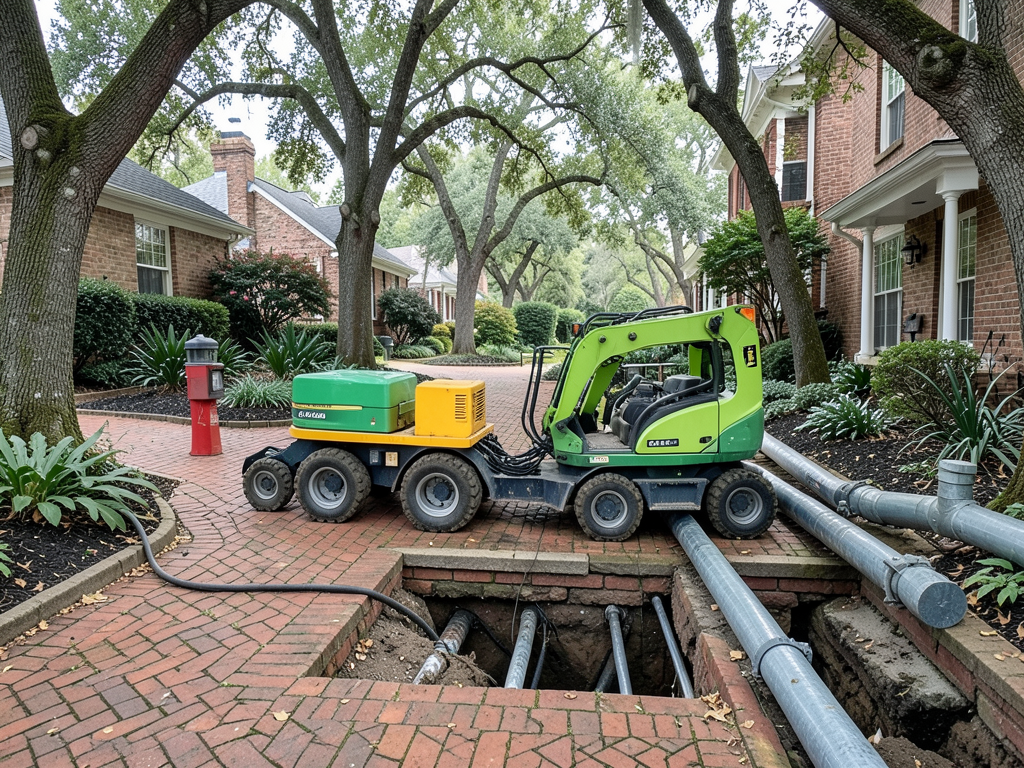
Trenchless sewer repair technology allows us to rehabilitate or replace sewer lines without digging up your entire yard. Cured-in-place pipe lining creates a new pipe within your existing pipe sealing cracks and restoring proper flow. This process typically takes one day and preserves mature trees gardens and historic brick walkways that would be destroyed by traditional excavation.
Partial pipe replacement strategies can address the most critical issues while preserving original materials where they remain functional. We often replace just the lead service line from the street to your home upgrade the main stack where it exits the roof and replace visible galvanized pipes while leaving hidden sections intact if they’re still in good condition.
Modern water pressure regulation systems prevent the stress that causes pipe failures in older homes. These devices maintain consistent pressure regardless of municipal supply fluctuations extending the life of your remaining original plumbing and preventing the hammer effects that damage antique fixtures.
Navigating St. Louis Historic District Permits Codes
The St. Louis Cultural Resources Office requires permits for any exterior modifications to homes in historic districts including some plumbing upgrades that affect the building’s exterior appearance. This includes replacing cast iron stacks that are visible from the street installing new vent pipes through the roof or changing the location of exterior water service connections.. Read more about Installing a Slop Sink in Your Garage or Workshop in Affton.
MSD regulations require lead service line replacement when you’re doing major plumbing work or when a line is found to be actively leaking. The agency offers a rebate program that can cover up to $4000 of replacement costs for qualifying properties. Botanical Heights residents should check their eligibility before beginning any plumbing project. MSD lead service line replacement program.
The St. Louis County Plumbing Code requires specific materials and installation methods for historic home renovations. While modern PEX is generally permitted for interior use some applications still require copper or cast iron to meet code requirements. We stay current on all local code changes to ensure your project passes inspection the first time. Professional Gas Line Installation for Your New Outdoor Kitchen in Wildwood.
Missouri state law requires licensed plumbers to pull permits for most plumbing work including water heater replacements and major fixture installations. Working with an unlicensed contractor to avoid permit fees can result in fines failed inspections and problems when you try to sell your home.
Energy efficiency upgrades may qualify for tax credits or rebates. While Missouri doesn’t offer specific historic preservation tax credits for plumbing work some federal programs and utility company rebates can help offset the cost of high-efficiency water heaters and other upgrades.
Cost Considerations and ROI
Lead service line replacement typically costs between $3000 and $5000 depending on the length of pipe and accessibility. While this seems expensive the health benefits and increased property value often justify the investment. Homes with updated plumbing systems sell faster and command higher prices in the Botanical Heights market.
Whole-house repiping projects range from $8000 to $15000 for a typical century home. The wide price range reflects factors like the number of bathrooms the complexity of the existing layout and whether you’re staying in the home during the work. Partial upgrades focusing on the most critical systems can reduce costs while still addressing the biggest risks.
Trenchless sewer line repair costs $80 to $120 per linear foot compared to $50 to $100 per foot for traditional excavation. While trenchless methods cost more per foot they often save money overall by eliminating landscape restoration sidewalk replacement and other restoration costs associated with digging.
Water heater replacement in century homes often reveals additional issues that need addressing. The average water heater lasts 8-12 years but in homes with hard water or poor water quality replacement may be needed sooner. Upgrading to a high-efficiency model can reduce energy costs by 20-30% annually.
The return on investment for plumbing upgrades extends beyond resale value. Preventing water damage can save tens of thousands of dollars in repair costs. Modern systems reduce monthly utility bills through improved efficiency. Most importantly they eliminate health risks from lead exposure and sewage backups.
Preservation vs Performance Finding the Balance
Historic preservation doesn’t mean accepting outdated dangerous plumbing systems. The key is finding solutions that maintain your home’s character while meeting modern performance standards. This might mean using reproduction fixtures with modern internal components or routing new pipes through existing chases rather than cutting into original walls.
Many century home owners worry about losing their home’s historic integrity during plumbing upgrades. We address this by using minimally invasive techniques preserving original fixtures when possible and matching new materials to existing finishes. The goal is making the new work invisible while ensuring everything functions properly.
Some original materials can be safely retained if they’re in good condition. Cast iron drain pipes that aren’t actively deteriorating may not need immediate replacement. Original brass fixtures can often be rebuilt rather than replaced. The key is having an experienced plumber who understands both historic construction methods and modern code requirements.
Documentation helps preserve your home’s history while planning upgrades. Before starting work we photograph existing conditions note original materials and construction methods and create a plan that minimizes disruption to historic features. This documentation also helps if you ever need to file an insurance claim or apply for historic designation.
The most successful historic home plumbing projects balance three factors: preserving architectural integrity meeting modern performance standards and staying within budget. This requires careful planning experienced contractors and sometimes creative problem-solving to find solutions that satisfy all three requirements.
Choosing the Right Contractor for Your Century Home
Not all plumbers have experience with historic home systems. Look for contractors who specifically mention historic renovation experience and can explain the differences between working on century homes versus modern construction. They should understand plaster repair original fixture restoration and the unique challenges of working in tight irregular spaces.
Proper licensing and insurance are essential but for historic homes you also want to verify specific experience. Ask for references from other Botanical Heights homeowners request photos of similar projects and ensure they’re familiar with local historic district requirements and MSD regulations.
Communication is critical for historic home projects. Your contractor should explain their proposed approach discuss preservation options and keep you informed about any unexpected issues that arise once work begins. Century homes often contain surprises once walls are opened so flexibility and clear communication are essential.
Cost should not be the only factor in choosing a contractor. The cheapest bid often results in the most damage to your home’s historic features and may not include necessary code compliance work. Look for value in terms of experience preservation expertise and quality of workmanship rather than just the bottom line.
Timeline considerations are important for historic home projects. Work may take longer than in modern homes due to the need for careful preservation unexpected discoveries and coordination with other tradespeople like plasterers or carpenters who may need to repair damage caused by old plumbing failures.
Maintenance Tips for Historic Plumbing Systems
Regular maintenance can extend the life of your century home’s plumbing systems and prevent costly emergencies. Annual inspections can identify developing problems before they cause major damage. Look for signs like water stains on ceilings or walls slow drains gurgling sounds in pipes or changes in water pressure.
Water quality testing is especially important in older homes. Even if you’ve replaced lead service lines galvanized pipes can still leach contaminants into your water. Annual testing for lead copper and other metals provides peace of mind and helps you decide when replacement becomes necessary.
Seasonal maintenance helps prevent freeze damage during our harsh winters. Insulate exposed pipes in crawl spaces and attics disconnect garden hoses before the first freeze and know where your main water shutoff valve is located in case of emergency.
Be cautious about using chemical drain cleaners in older homes. These products can damage already weakened pipes and create more problems than they solve. Instead use mechanical methods like plungers or drain snakes or call a professional for stubborn clogs.
Monitor your water bill for unexplained increases which often indicate hidden leaks. Even small leaks can waste thousands of gallons of water annually and cause structural damage over time. Early detection through regular monitoring can prevent major repairs.
Future-Proofing Your Historic Home’s Plumbing
Smart home technology can be integrated into historic homes without compromising their character. Leak detection systems can alert you to problems before they cause major damage. Water pressure monitors can help you track system performance and identify developing issues.
Water conservation upgrades can reduce your utility bills while preserving your home’s historic character. Low-flow fixtures designed for older plumbing systems maintain adequate pressure while reducing water usage. Tankless water heaters can provide endless hot water without the space requirements of traditional tanks.
Emergency preparedness is especially important in historic homes. Know how to shut off your water quickly keep contact information for emergency plumbing services handy and consider installing automatic shutoff valves that can prevent catastrophic damage if a major leak occurs while you’re away.
Documentation of all upgrades helps maintain your home’s value and makes future work easier. Keep records of what was replaced when it was done and any warranties or permits associated with the work. This information is valuable for insurance purposes and when planning future renovations.
Planning for the long term helps you budget for necessary upgrades. Most plumbing components have predictable lifespans so you can anticipate when replacement becomes necessary rather than waiting for emergencies. This approach spreads costs over time and prevents the financial strain of unexpected major repairs.

Frequently Asked Questions
How do I know if my Botanical Heights home has lead pipes?
Lead service lines were commonly used in St. Louis homes built before 1950. You can check by locating your water meter and looking at the pipe entering your home. If it’s gray doesn’t sound hollow when tapped and a magnet doesn’t stick to it it’s likely lead. A professional inspection can confirm this.
Can I keep my original clawfoot tub during plumbing upgrades?
Yes most original fixtures can be preserved and updated with modern components. Clawfoot tubs can be refinished and fitted with new supply lines and drains that maintain their historic appearance while providing reliable function. We specialize in preserving these character-defining features.
How long does a whole-house repiping take in a century home?
Most whole-house repiping projects take 3-5 days depending on the home’s size and complexity. We work to minimize disruption often completing the water service portion in one day so you have running water each evening. The exact timeline depends on factors like wall accessibility and whether you’re staying in the home during work.
Are there any financial assistance programs for lead pipe replacement?
Yes the St. Louis Metropolitan Sewer District offers a rebate program that can cover up to $4000 of lead service line replacement costs for qualifying properties. Some homeowners may also qualify for zero-interest loans through local programs. We can help you navigate these options during your project planning.
Will new plumbing increase my home’s value?
Updated plumbing systems typically increase home values by 5-10% and make properties more attractive to buyers. More importantly they prevent the water damage and health risks that can significantly decrease property values. The investment often pays for itself through avoided emergency repairs and increased marketability.
What’s the difference between PEX and copper piping?
PEX is flexible plastic tubing that’s easier to install in existing walls and resists freezing damage. Copper is rigid metal that’s more durable for exposed applications and has a longer track record. Both are code-approved and reliable. We help you choose based on your specific needs budget and preservation goals.
Do I need permits for plumbing work in a historic district?
Yes most plumbing work requires permits regardless of the home’s age or location. Work in historic districts may require additional approvals from the Cultural Resources Office especially for exterior changes. We handle all permitting to ensure your project complies with all local requirements.
How can I prevent my pipes from freezing in winter?
Insulate exposed pipes in unheated areas seal foundation cracks that let cold air in and keep your home heated to at least 55°F even when you’re away. During extreme cold snaps let faucets drip slightly to keep water moving. We can assess your home’s specific freeze risks and recommend appropriate protection.
Ready to upgrade your century home’s plumbing while preserving its historic charm? Call (314) 417-7677 today to schedule your inspection. Our experienced team understands the unique challenges of Botanical Heights’ historic homes and can help you modernize safely and efficiently.
Don’t wait for a plumbing emergency to damage your beautiful home. Pick up the phone and call (314) 417-7677 before the next storm hits. We’ll help you protect your investment and ensure your family’s safety with expert plumbing upgrades designed specifically for century homes.
{
“@context”: “https://schema.org”,
“@type”: “BlogPosting”,
“headline”: “Essential Plumbing Upgrades for Century Homes in Botanical Heights”,
“description”: “Expert plumbing solutions for historic Botanical Heights homes. Lead pipe replacement, trenchless sewer repair, and preservation-focused upgrades for century properties.”,
“wordCount”: 2804,
“datePublished”: “2026-05-27T06:28:00.000Z”,
“dateModified”: “2026-05-27T06:28:00.000Z”,
“inLanguage”: “en-US”,
“mainEntityOfPage”: {
“@type”: “WebPage”,
“@id”: “https://peakplumbingstlouis.com”
},
“publisher”: {
“@type”: “LocalBusiness”,
“name”: “Peak Plumbing St. Louis”,
“url”: “https://peakplumbingstlouis.com”
},
“author”: {
“@type”: “Organization”,
“name”: “Peak Plumbing St. Louis”,
“url”: “https://peakplumbingstlouis.com”
},
“image”: {
“@type”: “ImageObject”,
“url”: “https://peakplumbingstlouis.com/wp-content/uploads/2026/03/essential-plumbing-upgrades-for-century-homes-in-b-1.png”
}
}
{
“@context”: “https://schema.org”,
“@type”: “Plumber”,
“name”: “Peak Plumbing St. Louis”,
“url”: “https://peakplumbingstlouis.com”,
“address”: {
“@type”: “PostalAddress”,
“addressLocality”: “St. Louis”
},
“areaServed”: {
“@type”: “City”,
“name”: “St. Louis”
}
}
{
“@context”: “https://schema.org”,
“@type”: “FAQPage”,
“mainEntity”: [
{
“@type”: “Question”,
“name”: “How do I know if my Botanical Heights home has lead pipes?”,
“acceptedAnswer”: {
“@type”: “Answer”,
“text”: “Lead service lines were commonly used in St. Louis homes built before 1950. You can check by locating your water meter and looking at the pipe entering your home. If it’s gray doesn’t sound hollow when tapped and a magnet doesn’t stick to it it’s likely lead. A professional inspection can confirm this.”
}
},
{
“@type”: “Question”,
“name”: “Can I keep my original clawfoot tub during plumbing upgrades?”,
“acceptedAnswer”: {
“@type”: “Answer”,
“text”: “Yes most original fixtures can be preserved and updated with modern components. Clawfoot tubs can be refinished and fitted with new supply lines and drains that maintain their historic appearance while providing reliable function. We specialize in preserving these character-defining features.”
}
},
{
“@type”: “Question”,
“name”: “How long does a whole-house repiping take in a century home?”,
“acceptedAnswer”: {
“@type”: “Answer”,
“text”: “Most whole-house repiping projects take 3-5 days depending on the home’s size and complexity. We work to minimize disruption often completing the water service portion in one day so you have running water each evening. The exact timeline depends on factors like wall accessibility and whether you’re staying in the home during work.”
}
},
{
“@type”: “Question”,
“name”: “Are there any financial assistance programs for lead pipe replacement?”,
“acceptedAnswer”: {
“@type”: “Answer”,
“text”: “Yes the St. Louis Metropolitan Sewer District offers a rebate program that can cover up to $4000 of lead service line replacement costs for qualifying properties. Some homeowners may also qualify for zero-interest loans through local programs. We can help you navigate these options during your project planning.”
}
},
{
“@type”: “Question”,
“name”: “Will new plumbing increase my home’s value?”,
“acceptedAnswer”: {
“@type”: “Answer”,
“text”: “Updated plumbing systems typically increase home values by 5-10% and make properties more attractive to buyers. More importantly they prevent the water damage and health risks that can significantly decrease property values. The investment often pays for itself through avoided emergency repairs and increased marketability.”
}
},
{
“@type”: “Question”,
“name”: “What’s the difference between PEX and copper piping?”,
“acceptedAnswer”: {
“@type”: “Answer”,
“text”: “PEX is flexible plastic tubing that’s easier to install in existing walls and resists freezing damage. Copper is rigid metal that’s more durable for exposed applications and has a longer track record. Both are code-approved and reliable. We help you choose based on your specific needs budget and preservation goals.”
}
},
{
“@type”: “Question”,
“name”: “Do I need permits for plumbing work in a historic district?”,
“acceptedAnswer”: {
“@type”: “Answer”,
“text”: “Yes most plumbing work requires permits regardless of the home’s age or location. Work in historic districts may require additional approvals from the Cultural Resources Office especially for exterior changes. We handle all permitting to ensure your project complies with all local requirements.”
}
},
{
“@type”: “Question”,
“name”: “How can I prevent my pipes from freezing in winter?”,
“acceptedAnswer”: {
“@type”: “Answer”,
“text”: “Insulate exposed pipes in unheated areas seal foundation cracks that let cold air in and keep your home heated to at least 55°F even when you’re away. During extreme cold snaps let faucets drip slightly to keep water moving. We can assess your home’s specific freeze risks and recommend appropriate protection.”
}
}
]
}
{
“@context”: “https://schema.org”,
“@type”: “BreadcrumbList”,
“itemListElement”: [
{
“@type”: “ListItem”,
“position”: 1,
“name”: “Home”,
“item”: “https://peakplumbingstlouis.com”
},
{
“@type”: “ListItem”,
“position”: 2,
“name”: “Blog”,
“item”: “https://peakplumbingstlouis.com/blog”
},
{
“@type”: “ListItem”,
“position”: 3,
“name”: “Essential Plumbing Upgrades for Century Homes in Botanical Heights”
}
]
}
{
“@context”: “https://schema.org”,
“@type”: “Service”,
“serviceType”: “Plumbing”,
“provider”: {
“@type”: “LocalBusiness”,
“name”: “Peak Plumbing St. Louis”,
“url”: “https://peakplumbingstlouis.com”
},
“areaServed”: {
“@type”: “City”,
“name”: “St. Louis”
},
“description”: “Expert plumbing solutions for historic Botanical Heights homes. Lead pipe replacement, trenchless sewer repair, and preservation-focused upgrades for century properties.”
}