
How to Lower Your Monthly Water Bill in Glendale Without Taking Cold Showers
Water bills in St. Louis can spike for reasons you might not expect. A running toilet can waste 200 gallons daily. A hidden slab leak under your Glendale home can cost you hundreds monthly without a single visible drip. The good news is you can cut your water bill by 30% or more with the right fixes. How to Get a Same-Day Water Heater Repair in Sunset Hills.
Start with the basics. Check your water meter when no water is being used. If the dial moves, you have a leak somewhere. This simple test can save you from months of wasted water and money.. Read more about How to Get Instant Hot Water at Every Tap in Your Warson Woods Home.
Most Glendale homes built before 2000 have toilets that use 3.5 to 7 gallons per flush. Modern WaterSense models use just 1.28 gallons. That single upgrade can save a family of four over 13,000 gallons annually. The Metropolitan St. Louis Sewer District bases sewer charges on water usage, so every gallon saved cuts your sewer bill too.. Read more about Are Low-Flow Toilets Worth the Trouble for Downtown West Loft Living?.
Understanding Your St. Louis Water Bill
Missouri American Water and MSD calculate charges differently. Missouri American Water bills for actual water consumed in gallons. MSD bills sewer volume based on your average winter water usage, assuming that water goes down the drain. This means summer watering raises your sewer bill all year long. Missouri American Water.
Glendale homes often have irrigation systems that run during summer months. Those extra gallons count toward your annual sewer average. Installing a second meter for outdoor water use can eliminate this charge, though the upfront cost is several hundred dollars.. Read more about Why the Standing Water in Your Rock Hill Yard Might Be a Plumbing Problem.
Hard water in the Missouri River basin causes scale buildup inside pipes and water heaters. This reduces efficiency by up to 30%, forcing your systems to work harder and use more water. A whole-house water softener can pay for itself in reduced water and energy costs within two years. Replacing Old Iron Pipes in Historic Webster Groves Homes.
Quick DIY Fixes for Immediate Savings
Start with the toilet. Remove the tank lid and add a few drops of food coloring. Wait 15 minutes without flushing. If color appears in the bowl, your flapper leaks. Replacing it costs under $15 and takes five minutes.
Check all faucets for drips. One drip per second wastes over 3,000 gallons yearly. Most drips come from worn washers or O-rings. A basic repair kit costs $5 to $10. EPA WaterSense.
Install aerators on bathroom and kitchen faucets. Standard faucets flow at 2.2 gallons per minute. WaterSense aerators cut that to 1.5 GPM while maintaining pressure. This simple $5 upgrade saves hundreds annually.
Take shorter showers. Cutting two minutes from your daily shower saves over 1,500 gallons yearly. A low-flow showerhead uses 1.75 GPM versus 2.5 GPM standard. That’s 30% less water without noticing a difference.
The Silent Culprits: Professional Plumbing Issues
Hidden leaks cause the highest water bills. A slab leak under your Glendale home can waste thousands of gallons before you notice. Signs include warm spots on floors, the sound of running water when everything is off, or unexpectedly high bills.
Outdoor spigots freeze and crack during St. Louis winters. These leaks often go unnoticed until summer watering reveals the problem. Check each spigot by attaching a pressure gauge. Pressure drops indicate internal leaks.
Water heaters accumulate sediment that reduces capacity and efficiency. Flushing removes this buildup. A family of four should flush annually. This maintains efficiency and extends the unit’s life by years.
Pressure Reducing Valves prevent high water pressure from stressing pipes and fixtures. Glendale homes with pressure above 80 PSI use more water per minute through every fixture. A PRV installation costs $300 to $500 but protects your entire plumbing system. Professional Gas Line Installation for Your New Outdoor Kitchen in Wildwood.
High-Efficiency Upgrades
WaterSense fixtures carry EPA certification for water efficiency. To earn the label, products must use at least 20% less water than standard models while performing equally well. Look for the WaterSense label when shopping.
Tankless water heaters heat water on demand, eliminating the 10% standby loss of tank models. They provide unlimited hot water and last twice as long as conventional units. Installation costs $2,000 to $4,000 but saves $100 to $200 yearly on energy.
Dual-flush toilets offer two flush volumes: 0.8 gallons for liquids and 1.28 gallons for solids. This reduces toilet water use by another 20% over single-flush high-efficiency models.
Smart leak detectors like Phyn or Moen Flo monitor your entire plumbing system. They detect leaks as small as one drop per minute and can automatically shut off water when major leaks occur. These systems cost $400 to $800 installed but prevent catastrophic damage. Plumbing Florissant.
St. Louis Specific Water Challenges
Glendale’s clay soil expands when wet and contracts when dry. This movement stresses underground pipes, causing joints to separate and small leaks to form. These leaks often occur at pipe transitions where different materials meet.
The freeze-thaw cycles in St. Louis create unique plumbing stress. Water freezes and expands in pipes, creating pressure that can crack fittings. When it thaws, those cracks leak. Proper insulation prevents most of this damage.
Older Glendale homes built between 1940 and 1970 often have galvanized steel supply lines. These corrode from the inside, reducing flow and eventually failing completely. Replacement with copper or PEX costs $2,000 to $5,000 but eliminates future leak risks.
Combined sewer systems in parts of St. Louis mean stormwater and sewage flow through the same pipes. During heavy rains, this can cause backups. Installing a backwater valve prevents sewage from entering your home during these events.
Professional Water Audit
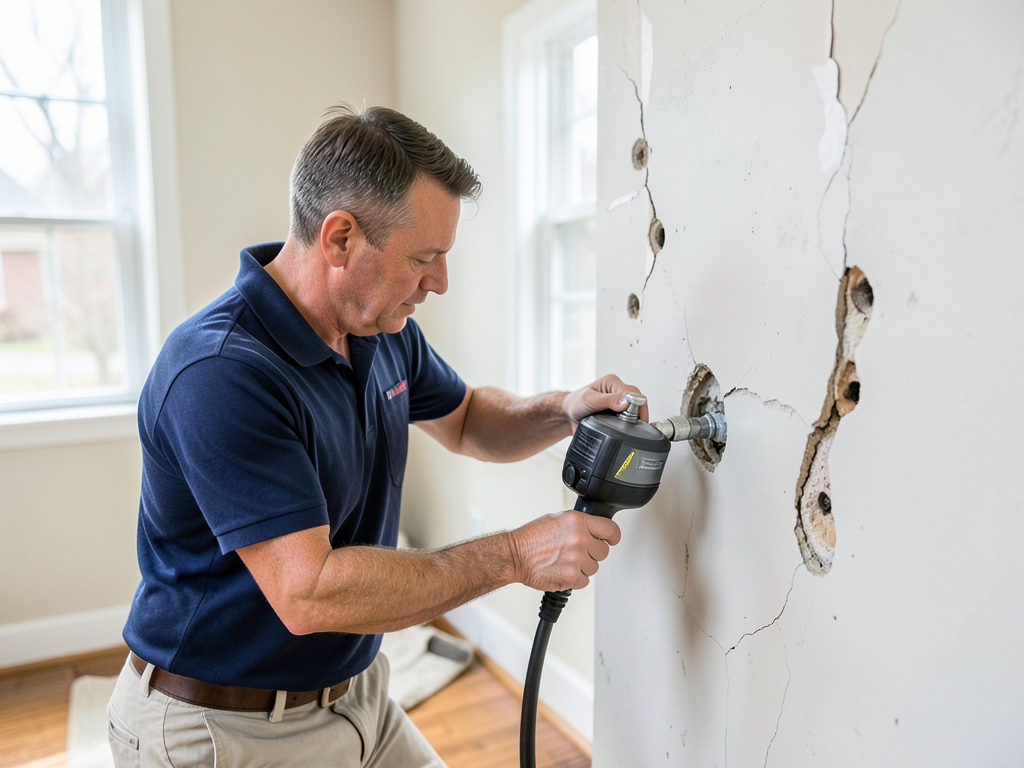
A professional audit identifies hidden water waste. Technicians use acoustic listening devices to hear leaks through walls and floors. They perform pressure tests to find small leaks that don’t show immediately. Thermal imaging cameras detect temperature differences that indicate water flow behind surfaces.
Peak Plumbing offers comprehensive water audits for Glendale homes. We check every fixture, test your water pressure, inspect visible pipes, and use electronic leak detection on your entire system. Most audits find $200 to $500 in annual savings opportunities.
Call (314) 417-7677 today to schedule your professional water audit. We’ll identify every source of water waste in your home and provide a prioritized plan to cut your bill immediately.
Frequently Asked Questions
How much can I really save on my water bill?
Most Glendale homeowners save 20% to 30% after fixing leaks and upgrading fixtures. Severe cases with hidden leaks can save 50% or more. Why Kirkwood Homeowners Keep Calling Us for Stubborn Drain Clogs.
Will low-flow fixtures really work as well as standard ones?
Yes. WaterSense fixtures must perform as well as standard models to earn certification. You won’t notice a difference in function.
How do I know if I have a hidden leak?
Check your water meter when no water is being used. If the dial moves, you have a leak. Also watch for unexplained high bills, warm spots on floors, or the sound of running water when everything is off.
Are there rebates for water-efficient upgrades?
Missouri American Water occasionally offers rebates for WaterSense fixtures. Check their website or call (314) 417-7677 for current local programs.
How often should I have my plumbing inspected?
Annual inspections catch problems early. If your home is over 15 years old or you’ve had previous issues, inspect every six months.
{
“@context”: “https://schema.org”,
“@type”: “BlogPosting”,
“headline”: “How to Lower Your Monthly Water Bill in Glendale Without Taking Cold Showers”,
“description”: “Discover proven St. Louis plumbing solutions to cut your water bill by up to 30%. Learn about leak detection, WaterSense fixtures, and local utility rebates.”,
“wordCount”: 1234,
“datePublished”: “2026-03-31T06:33:00.000Z”,
“dateModified”: “2026-03-31T06:33:00.000Z”,
“inLanguage”: “en-US”,
“mainEntityOfPage”: {
“@type”: “WebPage”,
“@id”: “https://peakplumbingstlouis.com”
},
“publisher”: {
“@type”: “LocalBusiness”,
“name”: “Peak Plumbing St. Louis”,
“url”: “https://peakplumbingstlouis.com”
},
“author”: {
“@type”: “Organization”,
“name”: “Peak Plumbing St. Louis”,
“url”: “https://peakplumbingstlouis.com”
},
“image”: {
“@type”: “ImageObject”,
“url”: “https://peakplumbingstlouis.com/wp-content/uploads/2026/03/how-to-lower-your-monthly-water-bill-in-glendale-w-1.png”
}
}
{
“@context”: “https://schema.org”,
“@type”: “Plumber”,
“name”: “Peak Plumbing St. Louis”,
“url”: “https://peakplumbingstlouis.com”,
“address”: {
“@type”: “PostalAddress”,
“addressLocality”: “St. Louis”
},
“areaServed”: {
“@type”: “City”,
“name”: “St. Louis”
}
}
{
“@context”: “https://schema.org”,
“@type”: “FAQPage”,
“mainEntity”: [
{
“@type”: “Question”,
“name”: “How much can I really save on my water bill?”,
“acceptedAnswer”: {
“@type”: “Answer”,
“text”: “Most Glendale homeowners save 20% to 30% after fixing leaks and upgrading fixtures. Severe cases with hidden leaks can save 50% or more. Why Kirkwood Homeowners Keep Calling Us for Stubborn Drain Clogs.”
}
},
{
“@type”: “Question”,
“name”: “Will low-flow fixtures really work as well as standard ones?”,
“acceptedAnswer”: {
“@type”: “Answer”,
“text”: “Yes. WaterSense fixtures must perform as well as standard models to earn certification. You won’t notice a difference in function.”
}
},
{
“@type”: “Question”,
“name”: “How do I know if I have a hidden leak?”,
“acceptedAnswer”: {
“@type”: “Answer”,
“text”: “Check your water meter when no water is being used. If the dial moves, you have a leak. Also watch for unexplained high bills, warm spots on floors, or the sound of running water when everything is off.”
}
},
{
“@type”: “Question”,
“name”: “Are there rebates for water-efficient upgrades?”,
“acceptedAnswer”: {
“@type”: “Answer”,
“text”: “Missouri American Water occasionally offers rebates for WaterSense fixtures. Check their website or call (314) 417-7677 for current local programs.”
}
},
{
“@type”: “Question”,
“name”: “How often should I have my plumbing inspected?”,
“acceptedAnswer”: {
“@type”: “Answer”,
“text”: “Annual inspections catch problems early. If your home is over 15 years old or you’ve had previous issues, inspect every six months.”
}
}
]
}
{
“@context”: “https://schema.org”,
“@type”: “BreadcrumbList”,
“itemListElement”: [
{
“@type”: “ListItem”,
“position”: 1,
“name”: “Home”,
“item”: “https://peakplumbingstlouis.com”
},
{
“@type”: “ListItem”,
“position”: 2,
“name”: “Blog”,
“item”: “https://peakplumbingstlouis.com/blog”
},
{
“@type”: “ListItem”,
“position”: 3,
“name”: “How to Lower Your Monthly Water Bill in Glendale Without Taking Cold Showers”
}
]
}
{
“@context”: “https://schema.org”,
“@type”: “Service”,
“serviceType”: “Plumbing”,
“provider”: {
“@type”: “LocalBusiness”,
“name”: “Peak Plumbing St. Louis”,
“url”: “https://peakplumbingstlouis.com”
},
“areaServed”: {
“@type”: “City”,
“name”: “St. Louis”
},
“description”: “Discover proven St. Louis plumbing solutions to cut your water bill by up to 30%. Learn about leak detection, WaterSense fixtures, and local utility rebates.”
}